
Antique Wooden Art
Antique wooden art brings together carved furniture, folk carvings and domestic objects made across the nineteenth and twentieth centuries.
Antique Wooden Art
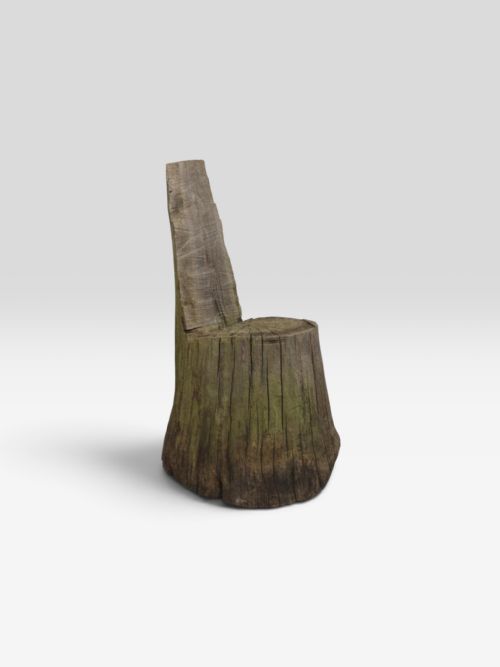
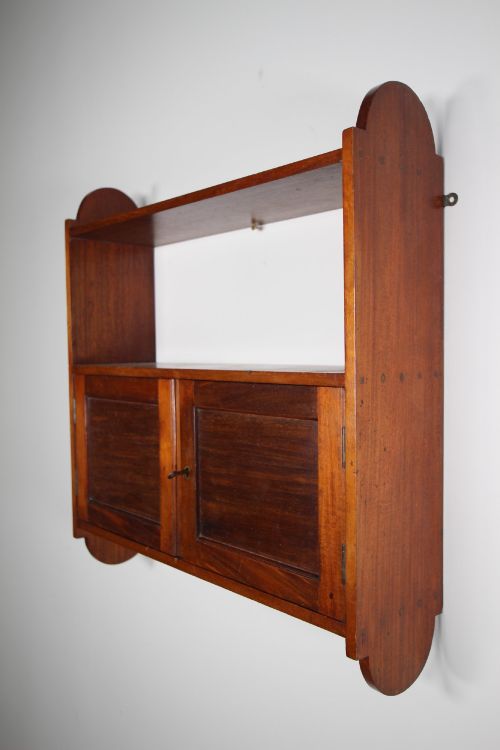
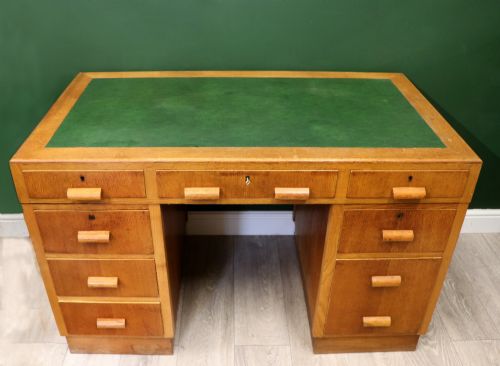
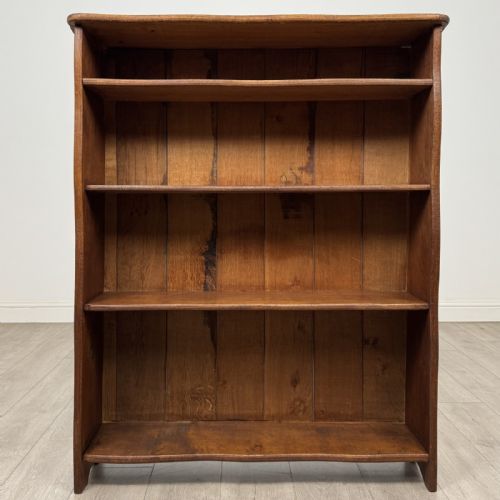
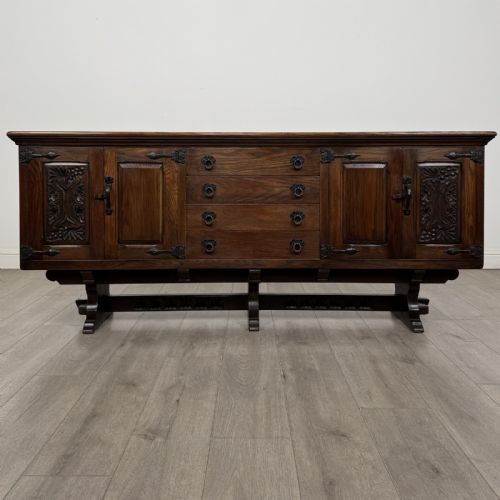
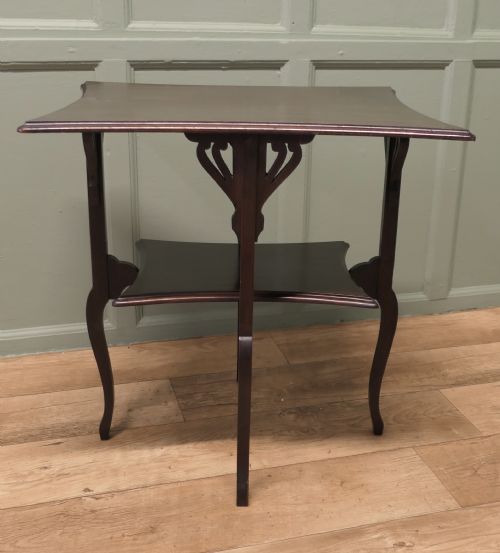
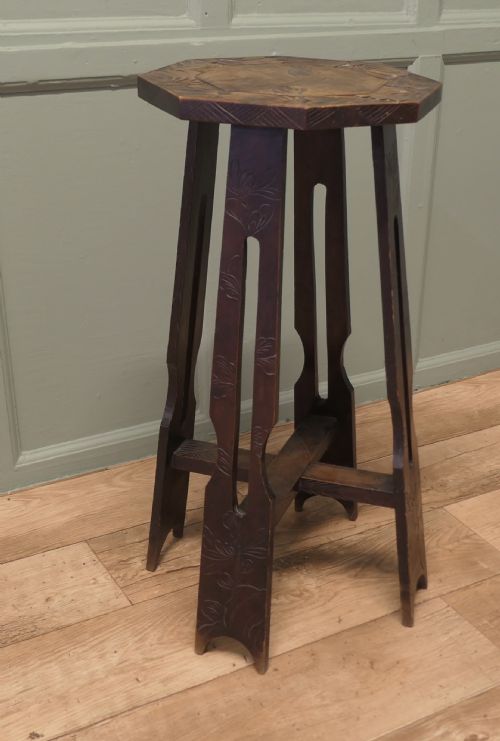
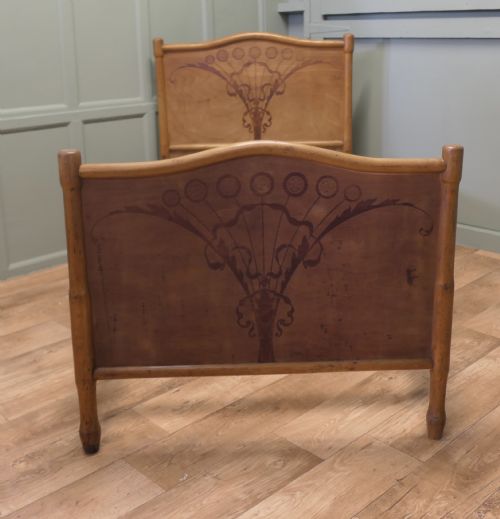
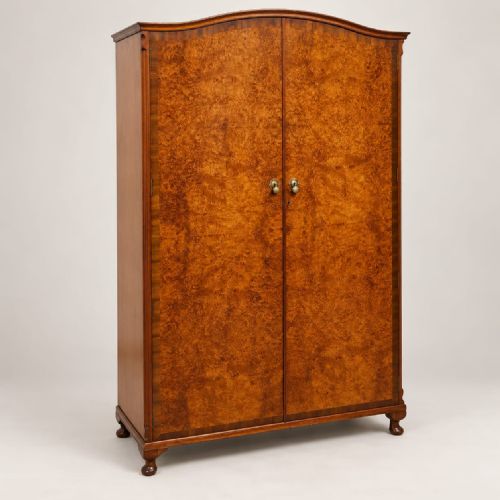
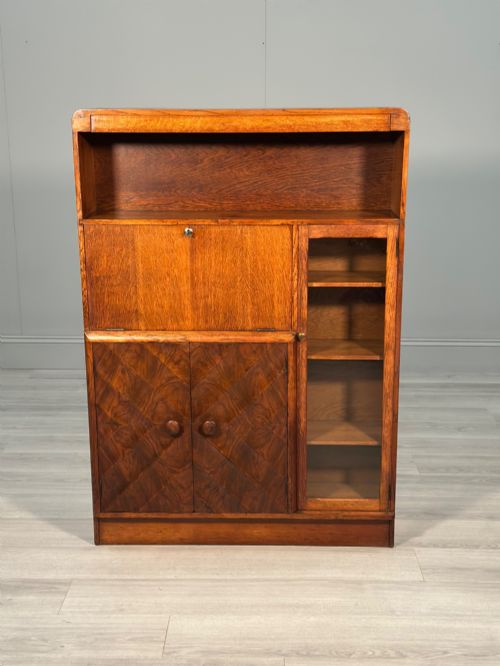
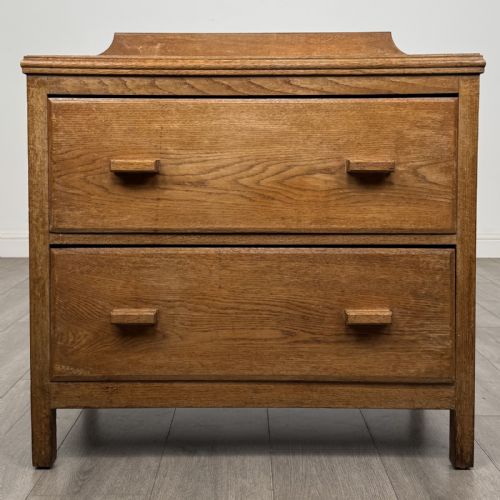
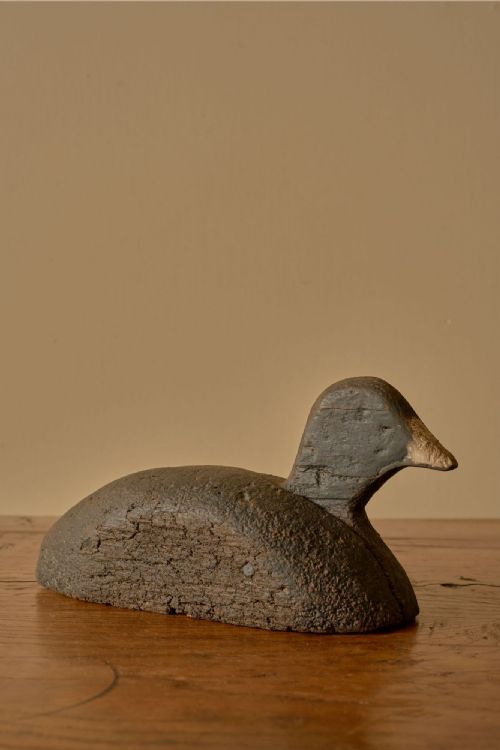
When buyers search for antique wooden art, they encounter a diverse selection ranging from heavy oak sideboards and occasional tables to carved decoys, Noah's arks, wall crosses and decorative panels. The items span the Victorian, Edwardian, Arts and Crafts, Art Deco, and Vienna Secession movements, showing how domestic woodwork bridged utility and sculpture. You will regularly find functional household furniture alongside folk carvings and specialised wooden objects.
The nineteenth and early twentieth centuries dominate the selection, bringing materials like oak, mahogany, fruitwood, elm, and burr walnut into everyday domestic forms. Pieces often reflect specific regional or movement aesthetics, such as Gothic Revival detailing, Jacobean Revival carving, or clean Arts and Crafts construction. This mix demonstrates how artisans turned ordinary timber into expressive decorative elements for the home.
How they were made
Makers shaped these items using solid hardwoods like oak, mahogany, and walnut, frequently incorporating brass handles, iron hardware, and glass elements for functional support. Joinery relied on traditional techniques suited to heavy sideboards, wardrobes, and refectory dining tables, ensuring structural endurance. Carved panels and decorative mouldings were executed by hand using specialised chisels and gouges.
Surface treatments included clear wax finishes, oil polish, and occasional paint layers that highlighted the natural grain of the timber. Folk items such as decoy ducks and treen knitting sheaths required patient whittling and turning on simple lathes. The combination of durable woods and manual carving methods accounts for the survival of these objects across generations.
A sturdy nineteenth-century rocking horse stands ready to gallop across the living room floor without needing hay.
What varies in quality
Depth and precision of the hand carving separate standard commercial production from exceptional pieces. Artisans working within movements like Arts and Crafts or Art Nouveau applied thoughtful proportion and integrated decorative motifs more fluidly than mass workshops. The choice of figured timber, such as burr walnut or quarter-sawn golden oak, also elevates the visual weight of an object.
Structural integrity and the retention of original hardware, brass handles, or fitted interiors influence how successfully a piece holds its character. Items that maintain their original surface finish without heavy modern intervention display a more honest relationship with their period of origin. Superior examples balance utility with deliberate artistic expression across every visible surface.
Liberty And Co·Jason And Joseph Kohn·E Gomme·Heals Of London·Finnigans·Bulstrode Cambridge
The Antique Wooden Art Glossary
- Treen
- Small wooden domestic objects made by turning or carving, such as knitting sheaths and kitchen utensils. These items served everyday domestic purposes before being collected as folk artefacts.
- Purdonium
- A specialised wooden cabinet designed to hold household coal near a fireplace, frequently fitted with a metal liner and decorative brass handles. They represent late nineteenth and early twentieth-century domestic convenience.
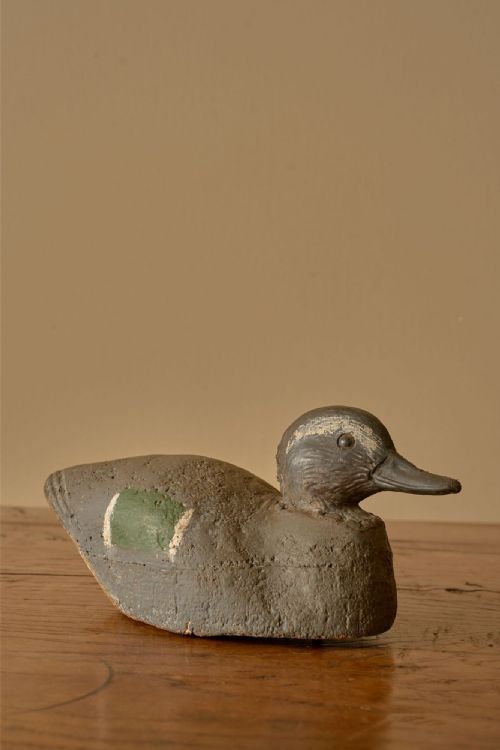
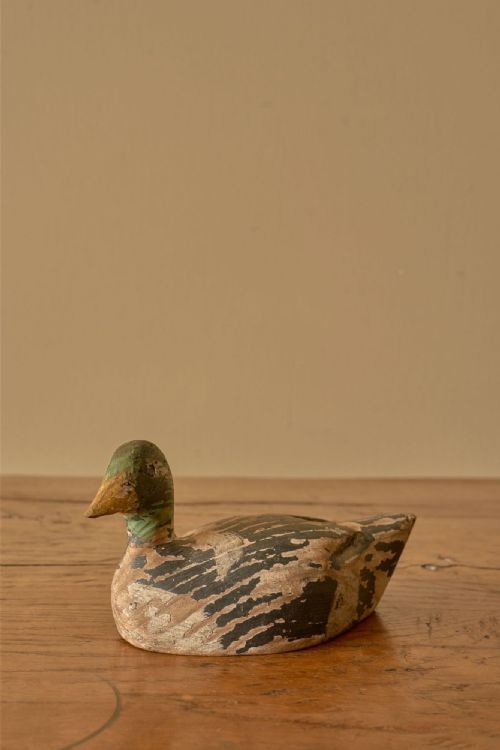
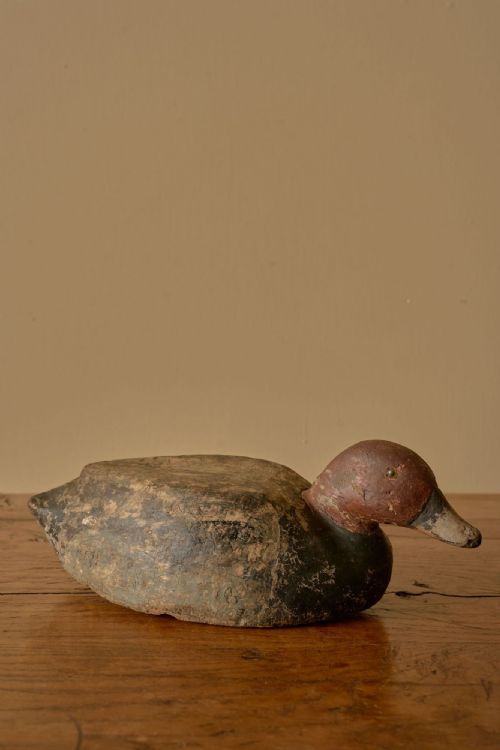
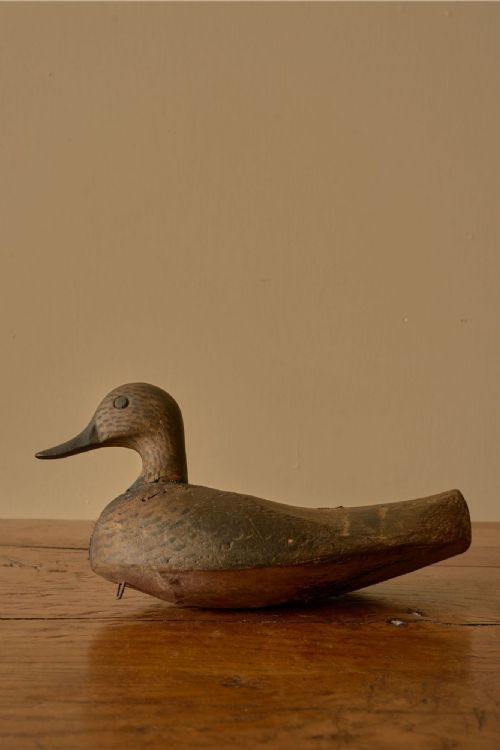
- Decoy duck
- A carved and painted wooden bird historically used by hunters to attract waterfowl. Each piece demonstrates functional folk art adapted from utilitarian origins.
- Refectory table
- A long, narrow dining table traditionally supported by sturdy legs connected with stretcher bases. They were built from solid oak or other heavy hardwoods to withstand communal dining.
- Settle
- A wooden bench featuring high backs and solid sides designed to block cold drafts in domestic halls. They often incorporate enclosed storage compartments beneath the seat.
Antique Wooden Art: Frequently Asked Questions
What is antique wooden art?
Antique wooden art encompasses carved furniture, folk sculptures, and decorative household items produced during the nineteenth and early twentieth centuries.
These pieces combine functional utility with artistic craftsmanship across movements like Arts and Crafts, Art Deco, and folk traditions.
How do I identify Arts and Crafts furniture?
Arts and Crafts pieces emphasise visible construction methods, honest materials like solid oak or elm, and minimal machine ornamentation.
Look for hand-carved details, structural stretchers, and designs influenced by makers associated with the movement.
How should I care for wooden antiques?
Keep wooden items away from direct heat sources and drastic humidity changes to prevent the timber from warping or splitting.
Apply occasional microcrystalline wax to nourish the surface and maintain the natural lustre of the old finish.