



Antique Wooden Airer
An antique wooden airer brings functional utility and period timber into domestic spaces, holding damp laundry or displaying linens with simple dignity.
Antique Wooden Airer
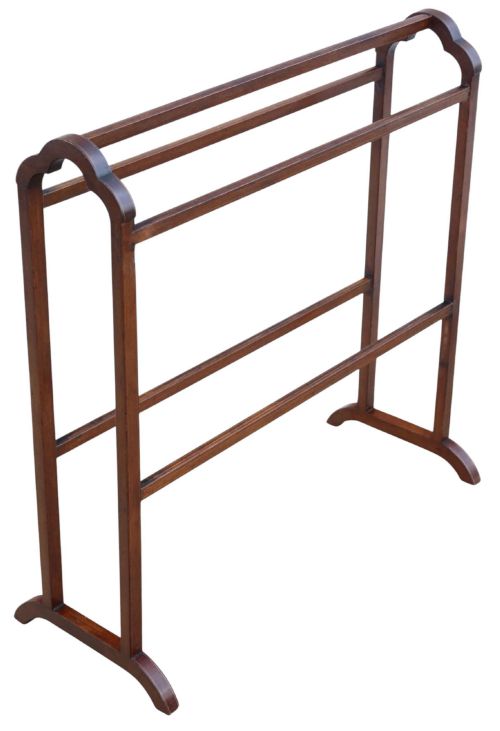
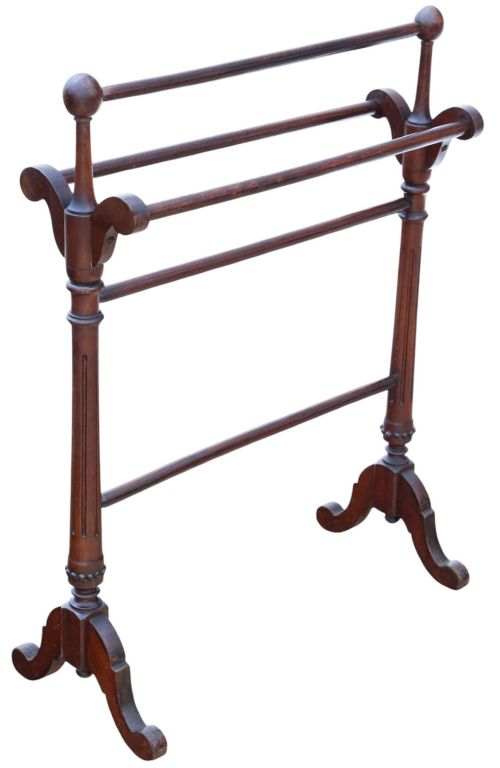
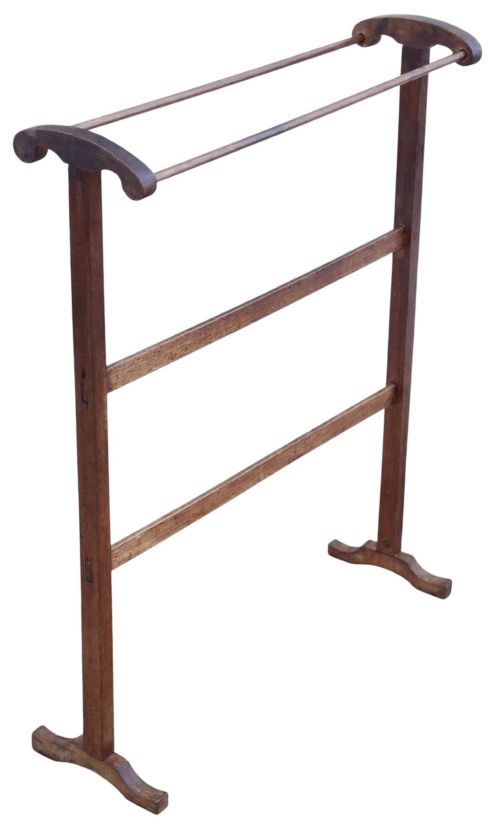
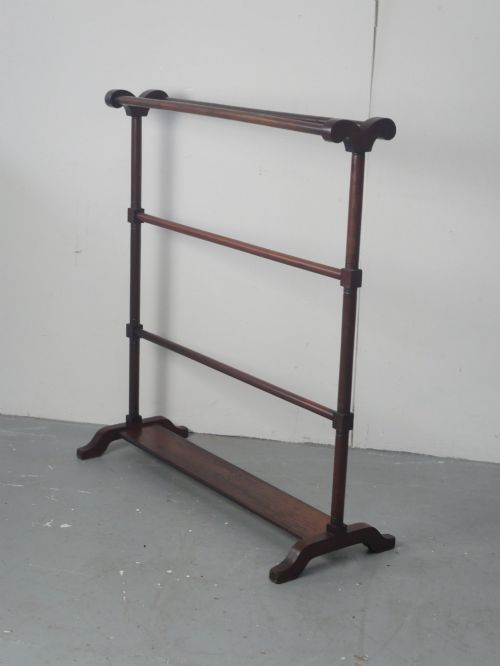
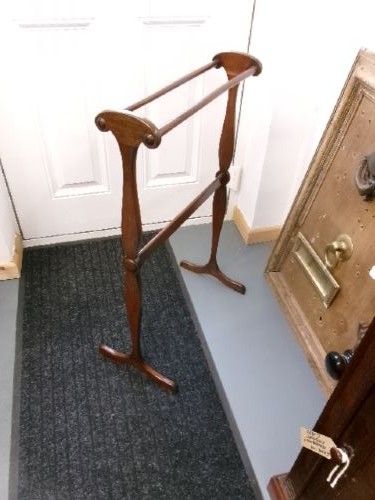
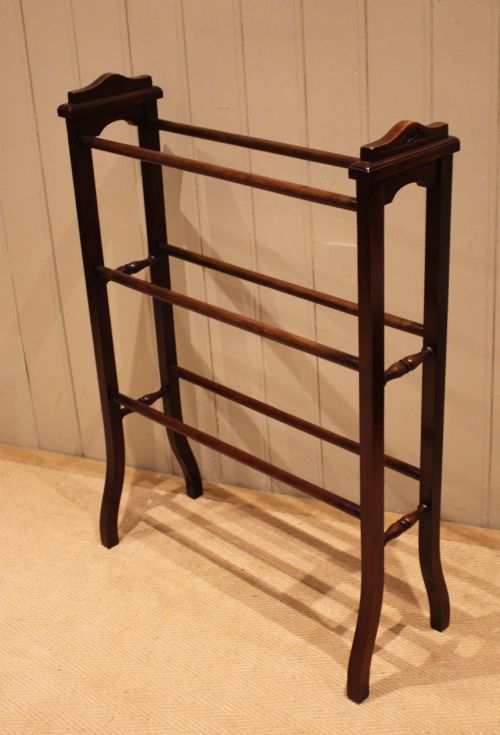
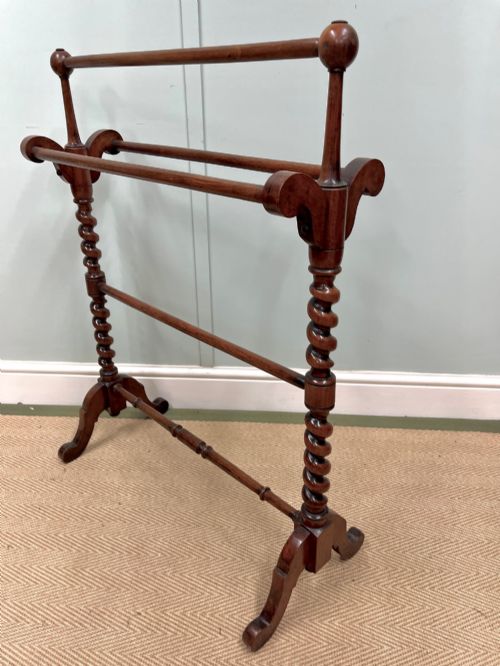
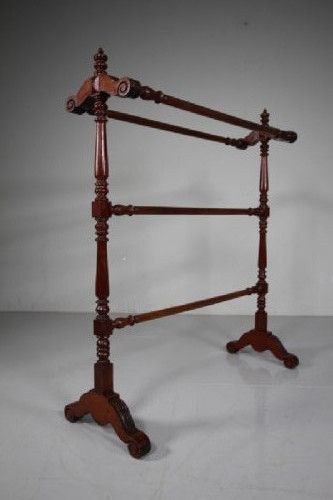
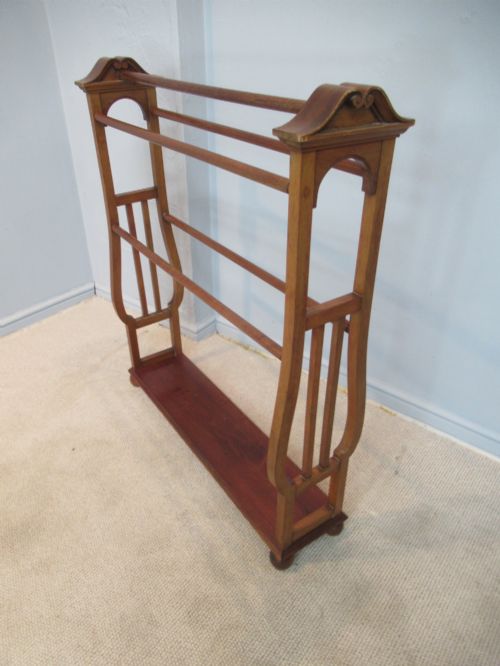
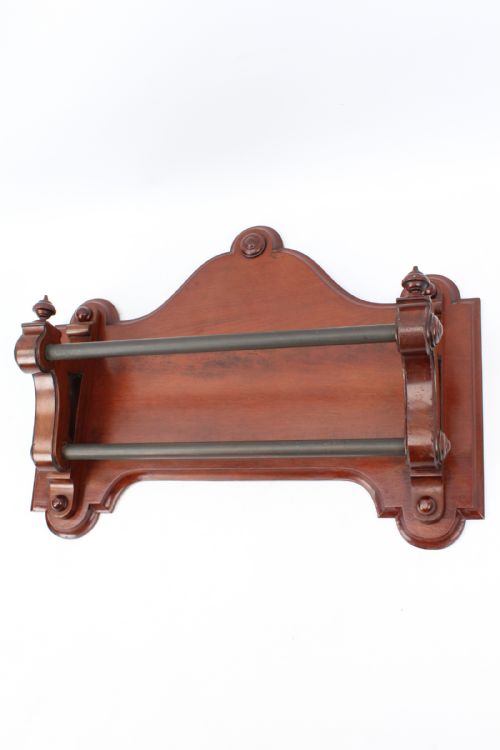
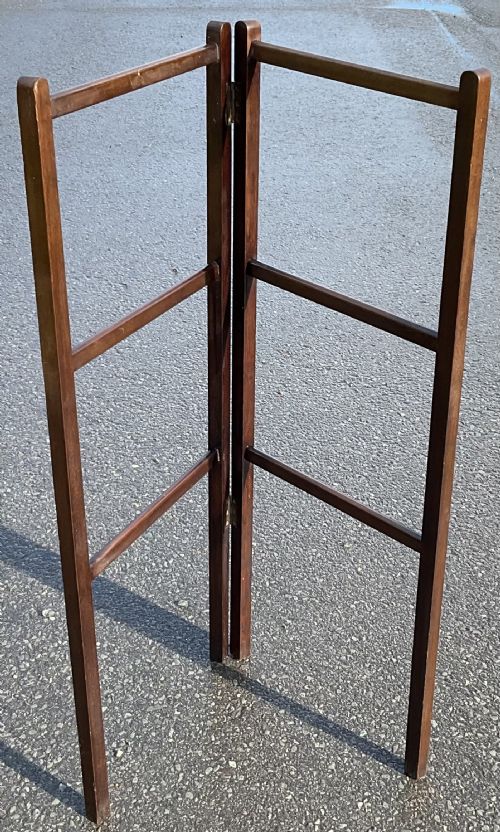
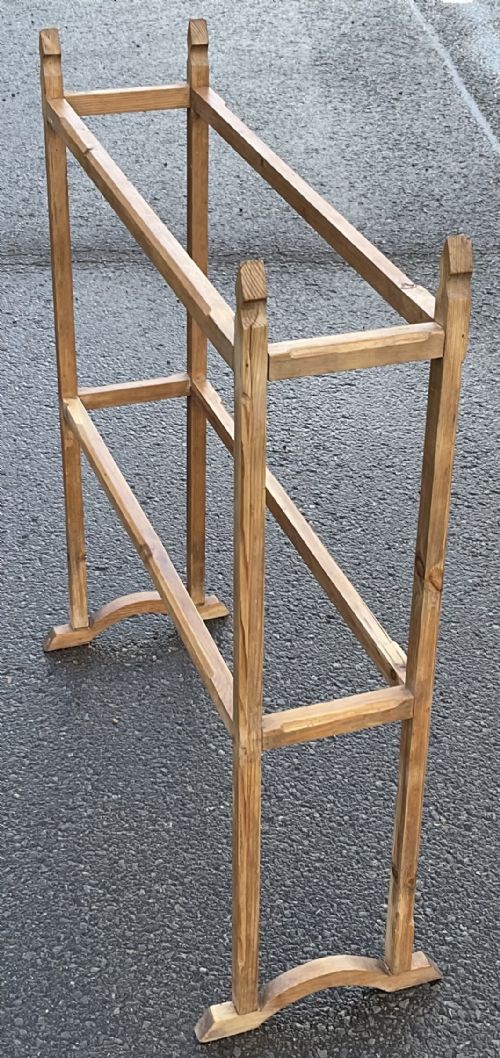
An antique wooden airer is primarily represented on this page by towel rails, standing clothes airers, and kitchen racks designed for utilitarian service in nineteenth and early twentieth century homes. These domestic items take the form of standing floor models, folding cheval designs, wall-mounted frames, and hanging kitchen racks.
The prevailing examples span the Victorian and Edwardian eras, alongside pieces from the Regency, William IV, and Arts and Crafts periods, reflecting domestic routines before mechanical dryers. Walnut, pine, oak, and mahogany appear frequently as the core woods employed in these functional household items.
Standing towel rails and clothes airers dominate the selection, offering multiple rails or bars arranged for draping fabrics, often accompanied by specialist kitchen racks for culinary textiles.
How they were made
Cabinetmakers and joiners constructed these frames using solid hardwoods and softer timbers such as mahogany, oak, walnut, pine, and hardwood, frequently incorporating brass fittings for hinges or tension.
Surface treatments varied from polished mahogany and ebonised wood to satinwood inlay work and decorated pine, demonstrating both high-style cabinetmaking and simpler utilitarian construction.
Listings feature woods such as mahogany, oak, walnut, pine, and satinwood inlay, spanning the Regency, Victorian, and Edwardian periods.
What varies in quality
The distinction between standard utility items and finer pieces lies in the selection of timber, such as figured mahogany or Cumbrian oak, and the presence of decorative details like satinwood inlay or Gothic Revival carving.
Construction methods also separate simple pegged or joined frames from sophisticated folding cheval mechanisms and generous proportions associated with Gillows attribution.
The Antique Wooden Airer Glossary
- Cheval rail
- A standing floor frame designed with pivoting or folding sections to maximise hanging space for textiles and garments.
- Ebonised wood
- Timber treated with a chemical stain or finish to imitate expensive ebony, popular for dark, dramatic furniture finishes.
- Satinwood inlay
- A contrasting light wood veneer embedded into a darker primary timber surface to create decorative geometric or floral patterns.
- Kitchen rack
- A ceiling or wall-mounted timber frame fitted with bars or hooks, traditionally used for drying clothes or hanging foodstuffs in the kitchen.
- Gothic Revival
- A nineteenth-century architectural and decorative style incorporating pointed arches, heavy timbers, and medieval ecclesiastical motifs.
Antique Wooden Airer: Frequently Asked Questions
Where were these airers placed?
These airers typically stood near kitchen ranges, in sculleries, or alongside bedroom washstands where damp linens and garments required drying.
Their portable nature allowed domestic staff to reposition them throughout the house according to the warmth of the fire or stove.
How do I date an airer?
Dating relies on identifying the prevailing timber choices, such as polished mahogany in Victorian examples or lighter pine in Edwardian pieces, alongside stylistic cues like Arts and Crafts simplicity or Regency proportions.
Construction techniques, including the use of brass hardware and jointing methods, further assist in placing a piece within the nineteenth or early twentieth century.
Can I use an antique airer today?
These wooden frames adapt readily to modern interiors for hanging bath towels, displaying vintage quilts, or organising garments in bedrooms and bathrooms.
Their sturdy timber construction continues to serve domestic utility while adding period character to contemporary living spaces.