
Antique Wood Vanity
These antique wood vanity pieces, spanning centuries of dressing tables, mirrors and stools, bring traditional craftsmanship and practical elegance to a bedroom.
Antique Wood Vanity
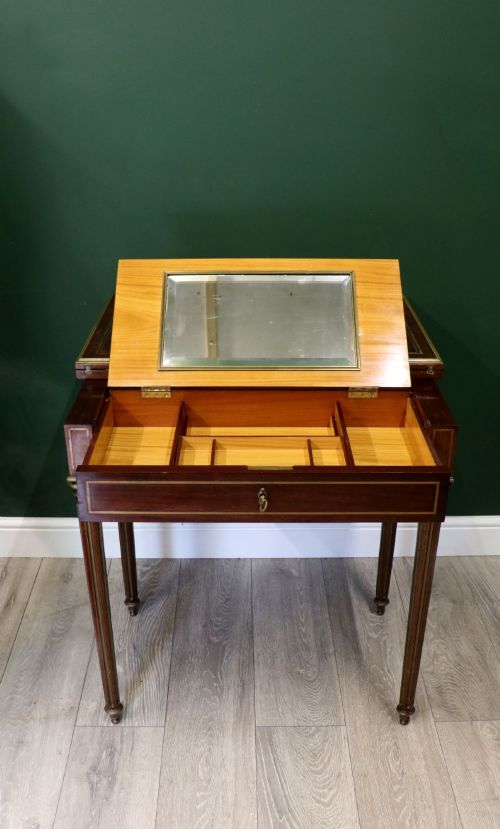
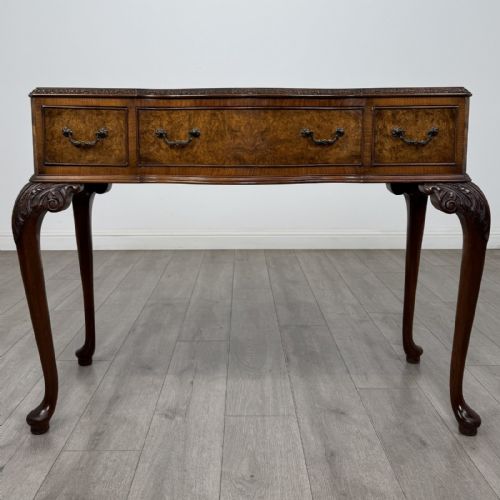
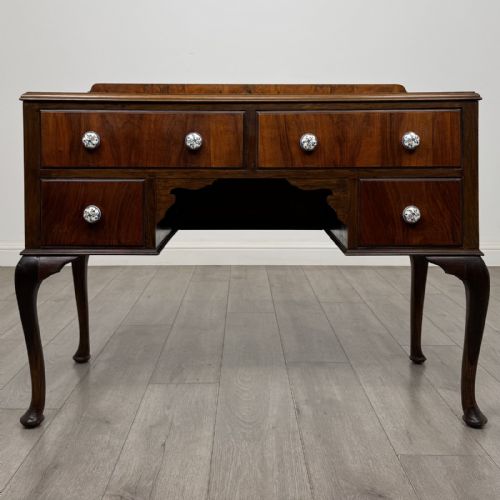
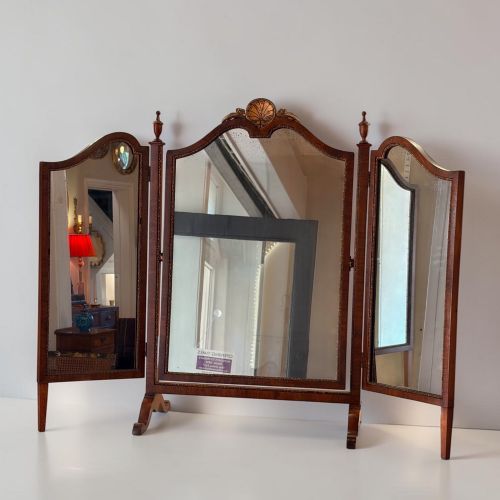
An antique wood vanity encompasses dressing tables, swing mirrors, shaving stands and matching stools originating from the eighteenth, nineteenth and early twentieth centuries. Buyers searching this phrase typically encounter Georgian mahogany dressing tables, Edwardian swing mirrors and Victorian walnut stands designed for personal grooming.
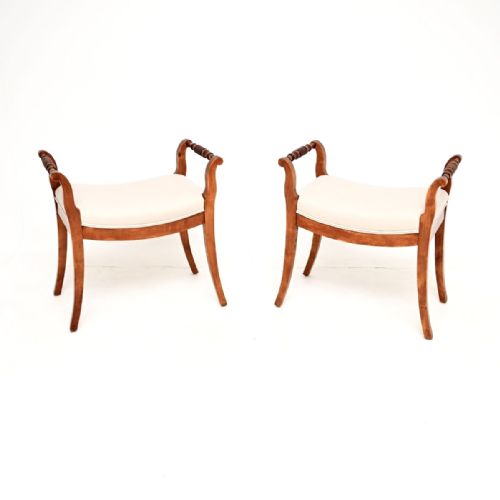
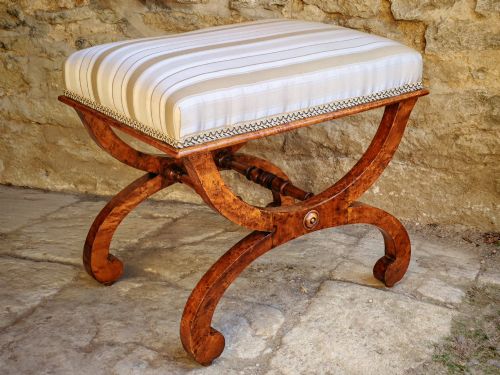
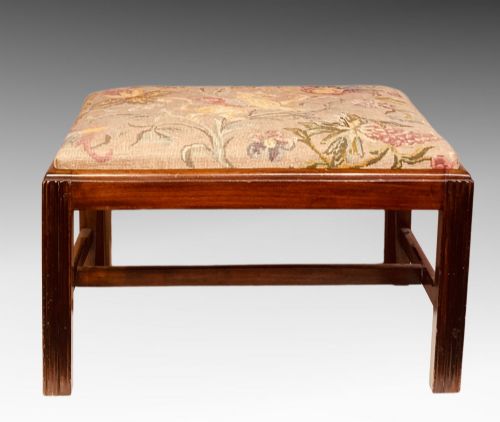
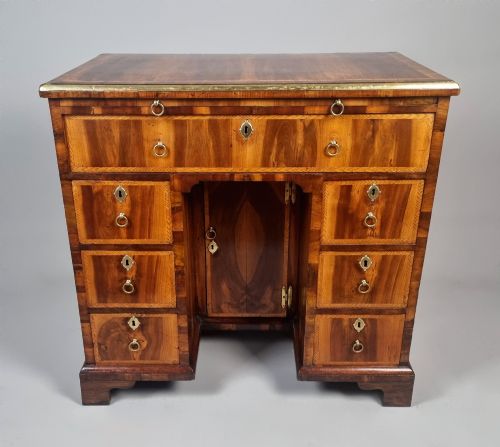
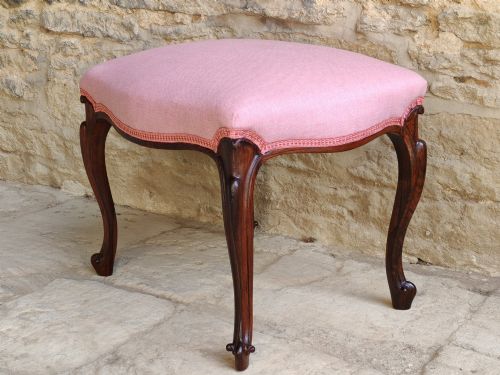
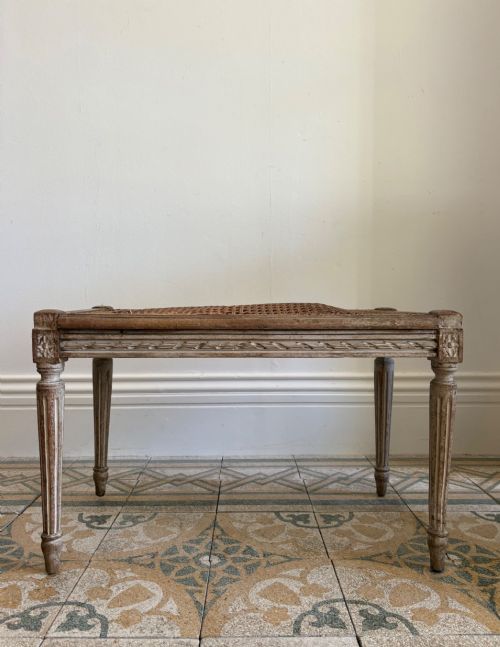
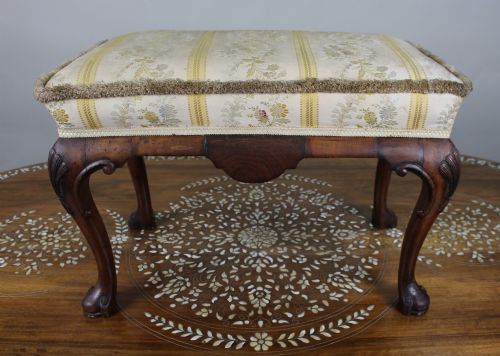
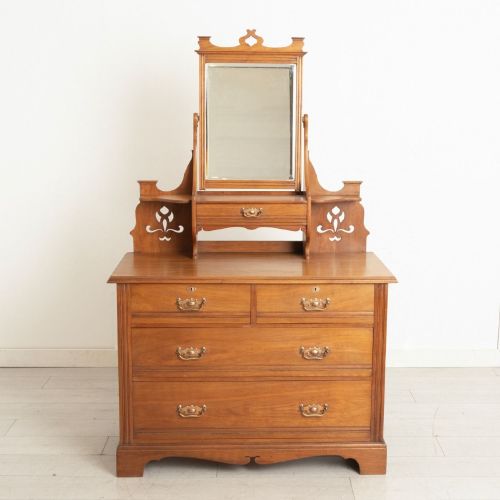
The selection ranges from compact folding Georgian pieces and George II yew wood tables to elaborate Edwardian dressing chests and Art Deco birds eye maple dressing tables. Supporting pieces such as mahogany, rosewood and satin birch stools frequently accompany these tables.
Origins span English country houses, French workshops and Scandinavian studios, reflecting diverse regional tastes in domestic furniture. Pieces from the Georgian and Victorian eras dominate the selection, offering substantial timber construction and dedicated storage compartments.
Materials and construction
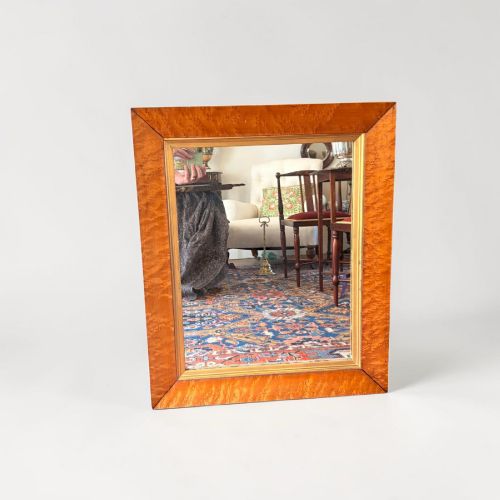
Cabinetmakers utilised dense hardwoods such as mahogany, walnut, oak and yew, often enhancing surfaces with burr maple, satin birch or amboyna veneers. Timber selection dictated both the structural integrity and the visual depth of the dressing furniture.
Joinery techniques involved precise dovetailing for drawers and mortise and tenon joints for frames, ensuring durability across daily use. Secondary woods like pine or oak appear in drawer linings and internal framing.
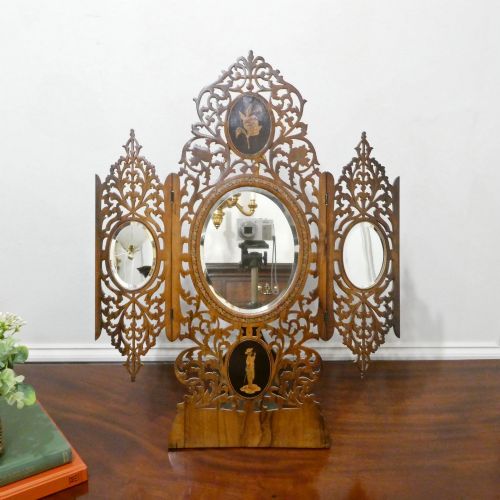
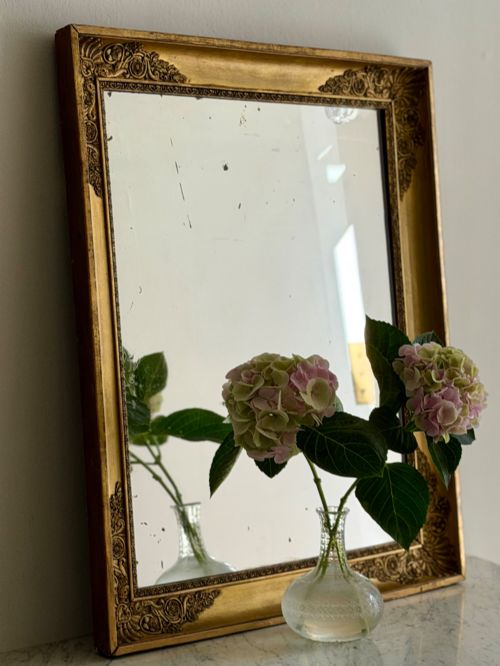
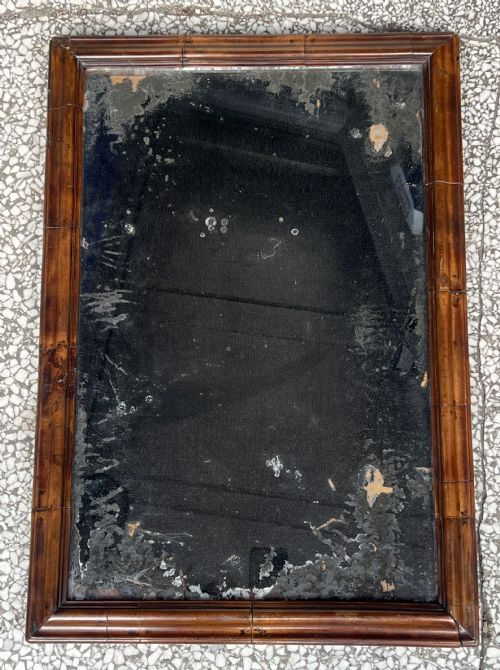
Surface decoration incorporated brass fittings, mother of pearl inlay, hand-carved details and giltwood accents. Glass mirrors utilised bevelled edges and traditional silvering, fitted securely into tilting frames.
Listings feature walnut, mahogany, satin birch and yew wood across periods from the seventeenth century to the twentieth century.
Distinctions in craftsmanship
Excellence in an antique wood vanity rests on the choice of timber figure, such as highly figured burr walnut or premium Cuban mahogany, matched across drawer fronts and table tops. Superior makers employed symmetrical veneer arrangements that demonstrate careful planning.
The refinement of the carving, the crispness of the mouldings and the retention of original brass hardware distinguish finer examples from standard production pieces. Structural harmony between the dressing table and its associated mirror or stool indicates higher workshop standards.
Shapland & Petter·Tahan
The Antique Wood Vanity Glossary
- Cheval mirror
- A full-length plate glass mirror suspended on a vertical frame allowing it to tilt. These freestanding dressing glasses became popular during the Regency and Victorian periods.
- Swing mirror
- A tabletop mirror mounted on two upright posts above a small box base or drawers. The mirror plate pivots on brass pivots to adjust the angle.
- Washstand
- A small timber table designed to hold a basin and jug for morning ablutions. Many feature marble tops or folding lids to conceal washing equipment.
- Veneer
- A thin layer of decorative wood applied to a sturdier secondary timber base. Cabinetmakers used burl and figured veneers to create striking geometric patterns on drawer fronts.
- Dovetail
- A traditional wood joint formed by interlocking wedge-shaped fingers. Hand-cut dovetails indicate older construction methods prior to mechanical mass production.
Antique Wood Vanity: Frequently Asked Questions
What is an antique wood vanity?
An antique wood vanity refers to historical furniture used for personal grooming, including dressing tables, washstands and tilt mirrors.
These pieces typically date from the Georgian, Victorian and Edwardian eras, constructed from timbers such as mahogany and walnut.
How do I date an antique vanity?
Dating relies on examining the construction methods, timber species and hardware styling visible on the piece. Hand-cut dovetails and specific wood selections often point towards Georgian or Victorian workshops.
Secondary indicators include the style of mirror supports and the type of glass used in the mirror plate.
Where were these pieces used?
These items belonged in bedrooms, dressing rooms and boudoirs of period homes for daily grooming and hygiene routines.
Larger country houses utilised dedicated dressing tables and washstands, while smaller homes employed compact folding variants.
How do I care for antique wood?
Maintain the timber surfaces by keeping them away from direct sunlight and maintaining stable room humidity.
Apply traditional beeswax periodically to nourish the wood and preserve the depth of the polished finish.