
Antique Wood Stool
An antique wood stool brings warmth and character to a room, offering practical seating or a surface crafted from timber like mahogany, oak, or walnut.
Antique Wood Stool
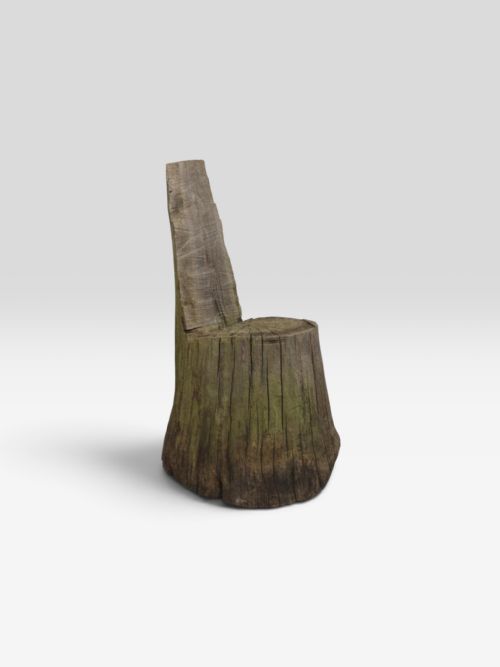
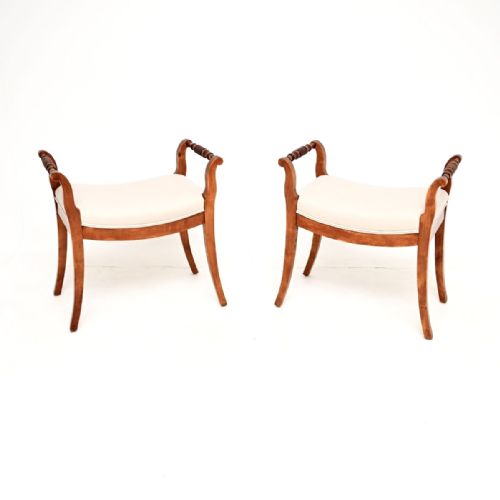
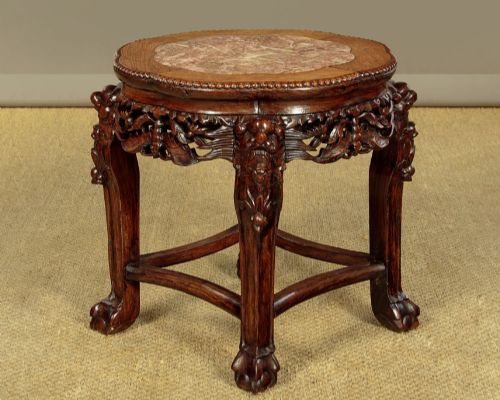
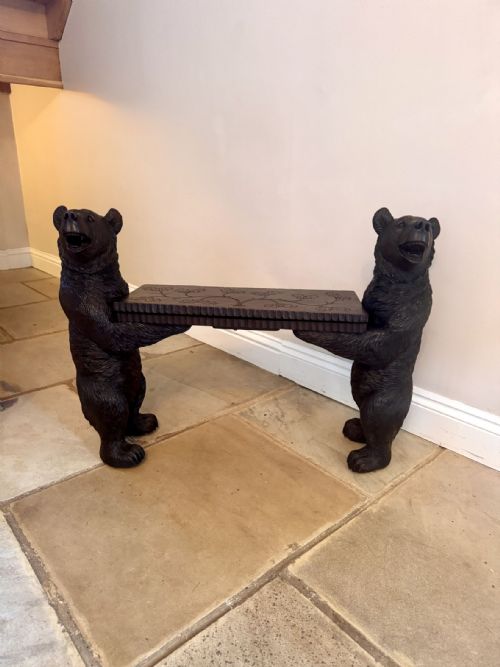
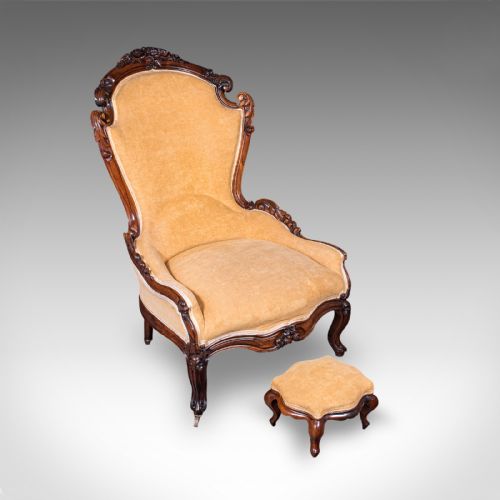
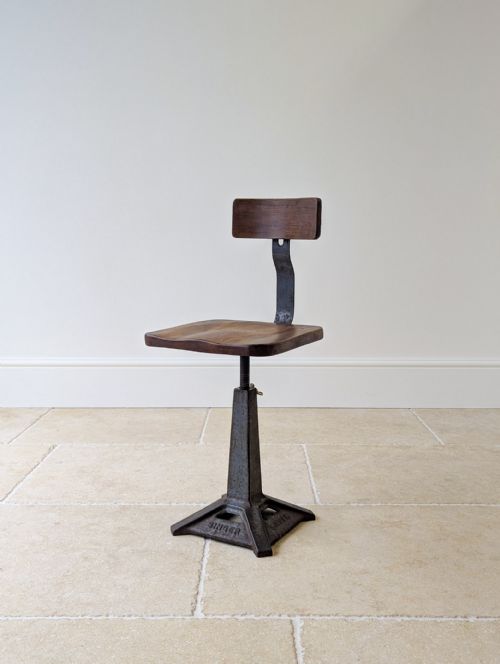
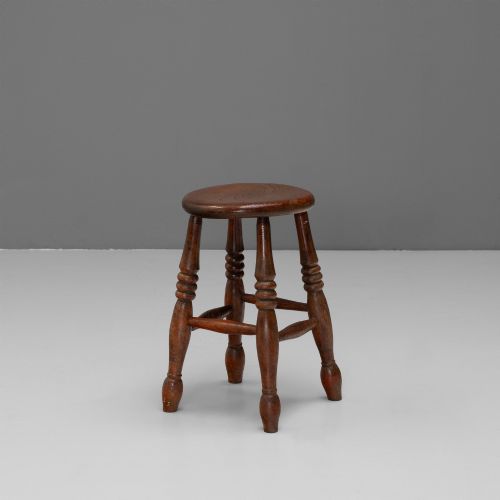
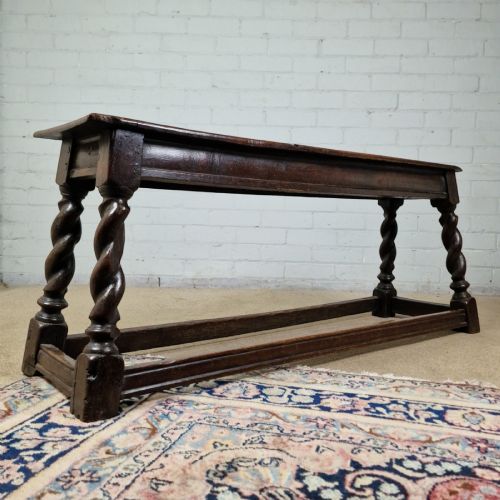
When searching for an antique wood stool, buyers encounter a diverse selection ranging from utilitarian vernacular seating to formal parlour furnishings. The records show forms spanning the eighteenth, nineteenth, and early twentieth centuries, including footstools, piano stools, tavern seats, and metamorphic library steps.
The most common examples on this page date from the Victorian and Edwardian eras, utilising traditional timbers such as oak, mahogany, and elm. These pieces reflect the domestic and working needs of past centuries, serving diverse functions from humble pub seating to refined dressing table accessories.
Materials and Construction
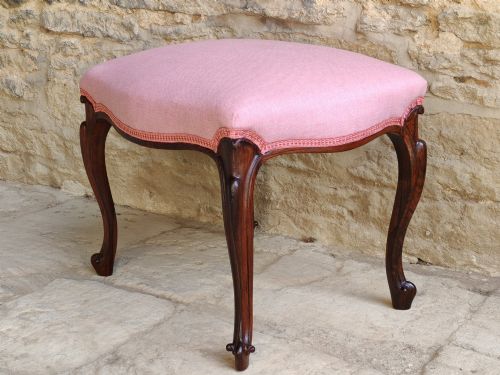
Cabinet makers and vernacular joiners utilised solid domestic and exotic timbers, frequently combining structural woods like ash and beech for turned legs with elm or sycamore for solid saddle seats. Cabinet-made seating from the Victorian and Regency periods often employed rosewood and walnut, sometimes enhanced with decorative veneers or intricate marquetry.
Joinery methods varied according to the origin and function of the piece, ranging from traditional pegged joints in seventeenth-century joint stools to sophisticated mechanical height-adjustment screws in piano stools. Surface finishes depended on the timber, utilising wax, polish, or paint to protect the wood while highlighting its natural grain.
Listings feature structural timbers including mahogany, oak, walnut, elm, ash, and beech across periods spanning the eighteenth to the twentieth centuries.
Assessing Quality and Execution
The distinction between standard utility items and superior examples lies in the precision of the joinery and the selection of timber. Finer pieces demonstrate careful attention to turning, balanced proportions, and high-grade cabinet woods such as figured rosewood or dense mahogany.
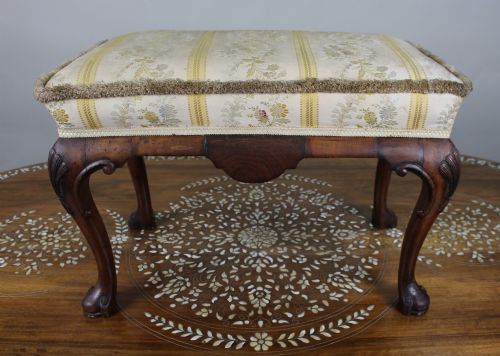
Carving execution and hardware integration also distinguish workshop standards. Superior examples display crisp hand-carved details, robust framing without excessive timber replacement, and functional mechanisms that operate smoothly.
Jennens & Bettridge·Miles & Edwards·H. Brooks & Co
The Antique Wood Stool Glossary
- Joint stool
- An early form of wooden seating constructed with mortise and tenon joints, common in the seventeenth century before the widespread adoption of upholstered chairs.
- Curule
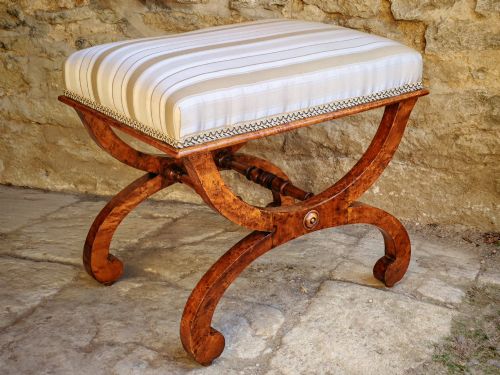
- An ancient X-frame structural design utilised for folding or rigid stools, revived during the Regency and Victorian periods.
- Vernacular
- Everyday objects made by local tradesmen or country joiners using regional materials, distinct from urban high-style furniture.
- Metamorphic
- Furniture designed to transform into another object, such as a stool converting into library steps.
- Needlepoint
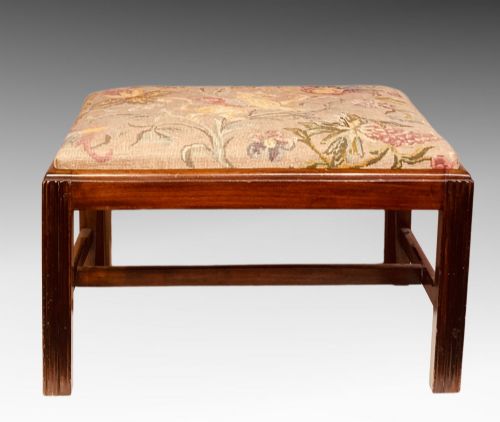
- Stitched canvas upholstery executed in wool or silk, frequently seen on Victorian and Georgian footstool tops.
Antique Wood Stool: Frequently Asked Questions
How do I date an old wood stool?
Dating relies upon timber selection, tool marks, and construction techniques characteristic of specific eras. Earlier pieces from the seventeenth and eighteenth centuries often show hand-pit sawing and pegged joints, whereas later Victorian examples display machine-turned components.
Stylistic revivals also provide clues, as nineteenth-century pieces frequently emulate earlier Georgian or Jacobean designs while retaining contemporary upholstery methods and secondary woods.
Were piano stools adjustable?
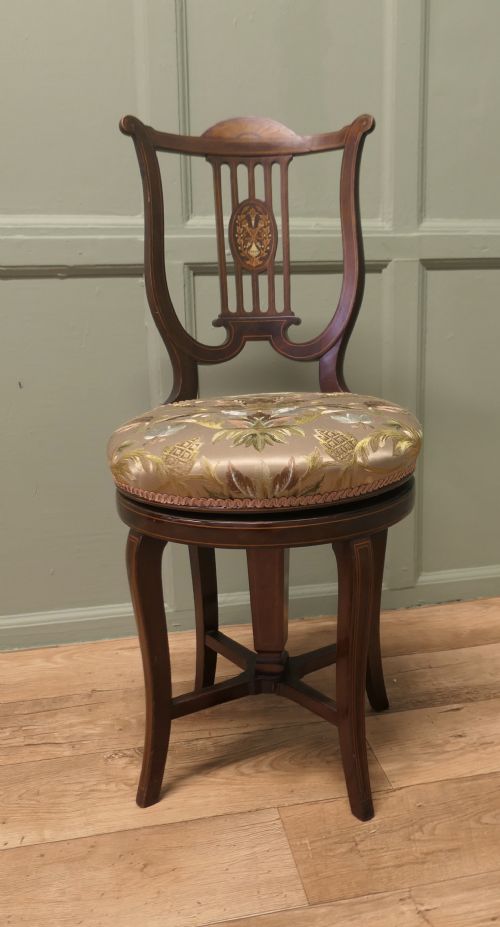
Many nineteenth-century piano stools incorporated mechanical rise-and-fall systems using wooden or brass screw threads. These allowed musicians to alter their seating height to suit upright or grand pianos.
Non-adjustable duet benches and revolving harpist chairs were also common, offering alternative seating options for domestic music rooms.
How were country stools used?
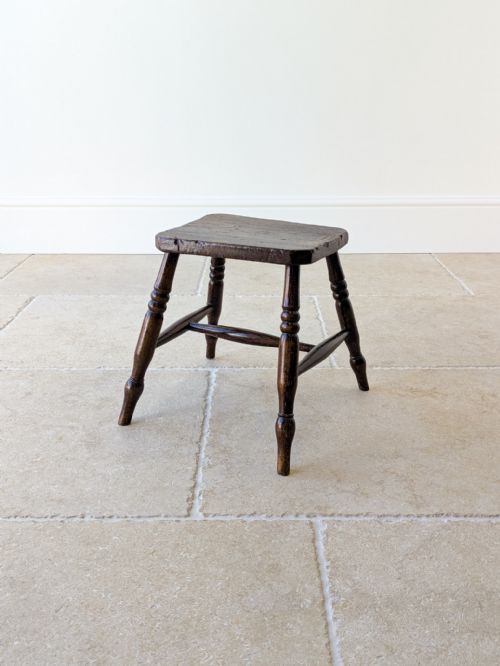
Country stools served various utilitarian roles in domestic, agricultural, and commercial settings. Sturdily built ash, elm, and sycamore examples functioned as tavern seating, milking stools, or workshop perches.
Their simple construction prioritised durability over ornamentation, utilising solid wood seats designed to withstand heavy daily use.
What is a window seat stool?
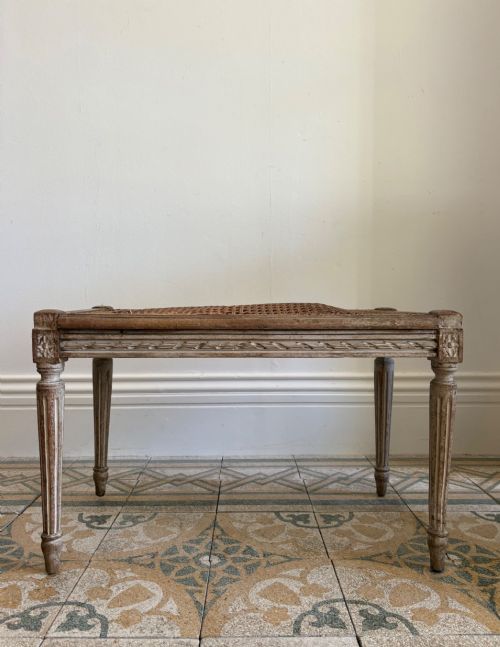
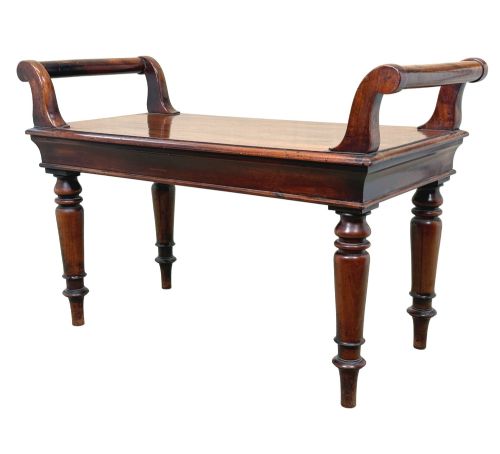
A window seat is an elongated stool or low bench designed to fit beneath a domestic window recess. These pieces frequently feature upholstered tops and decorative frames influenced by Regency, Edwardian, or Neoclassical styles.
They provided ornamental seating in formal reception rooms and parlours throughout the nineteenth and early twentieth centuries.