
Antique Wood Stand
An antique wood stand brings practical display and sturdy elevation to interiors through centuries of timber craftsmanship.
Antique Wood Stand
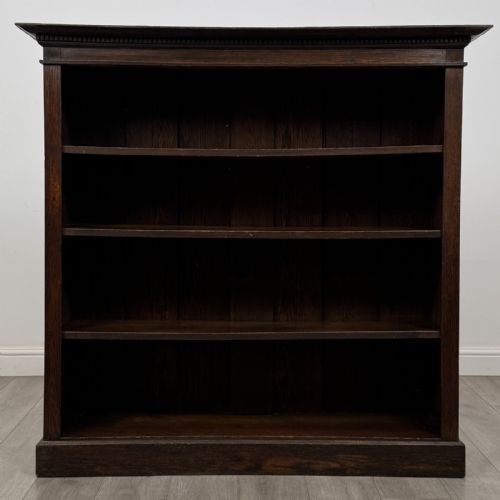
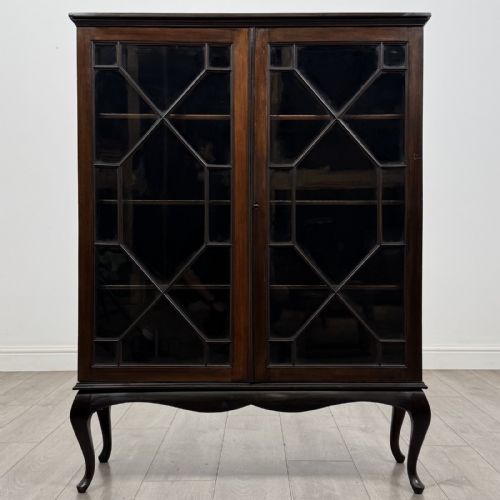
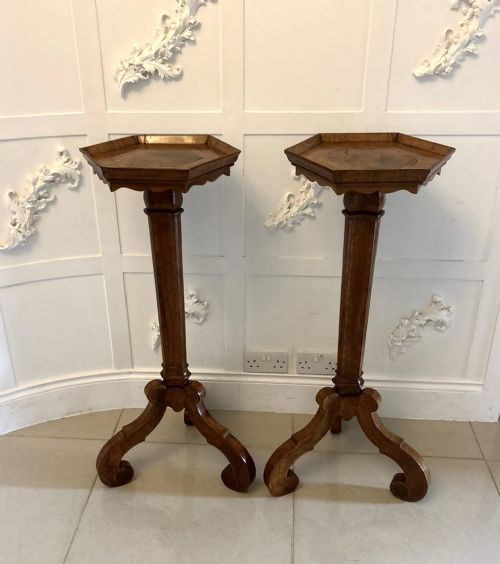
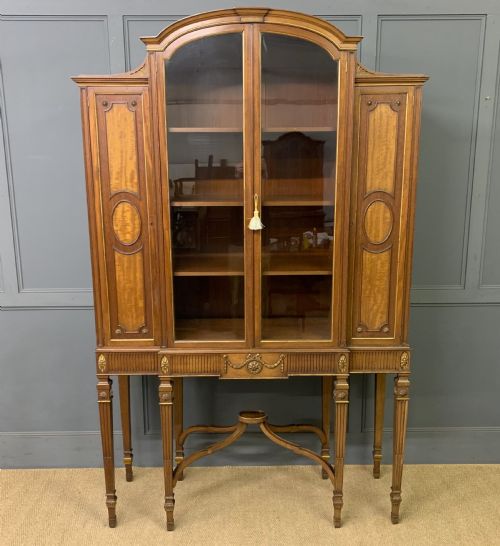
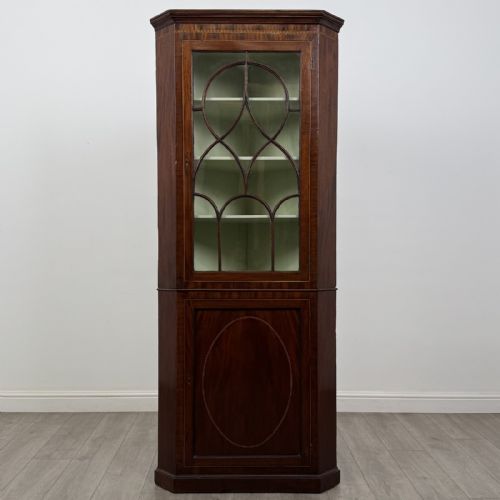
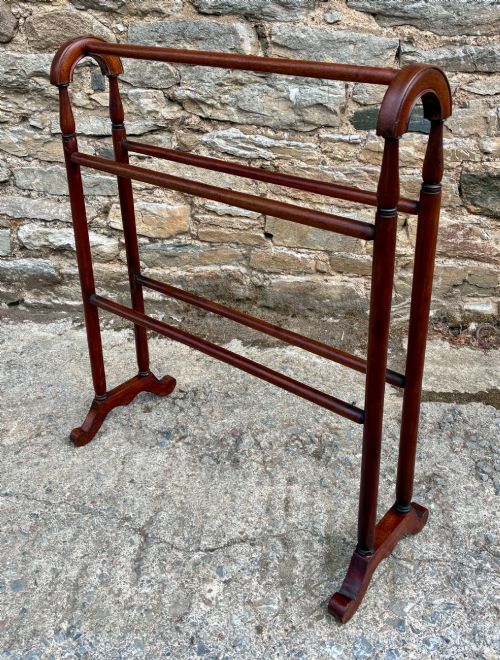
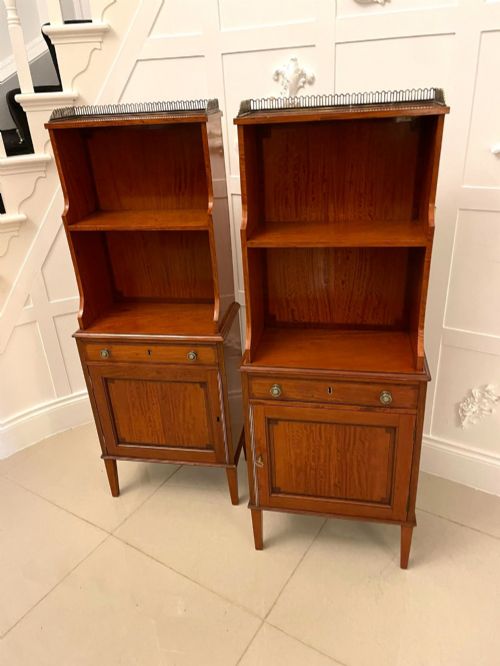
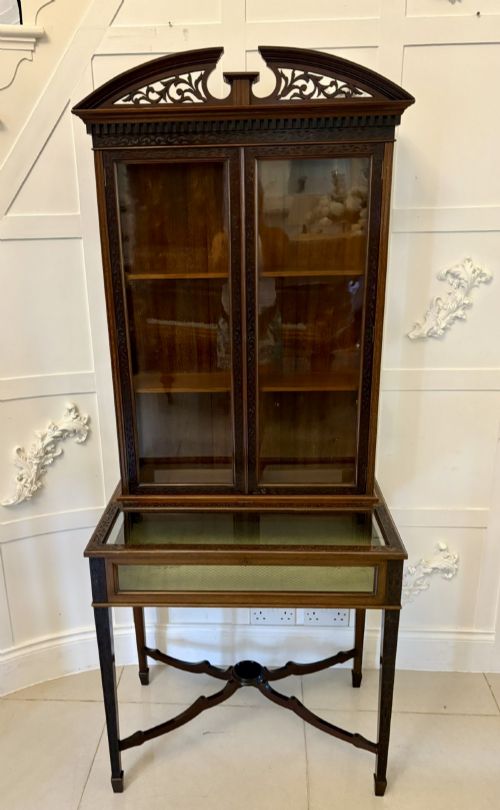
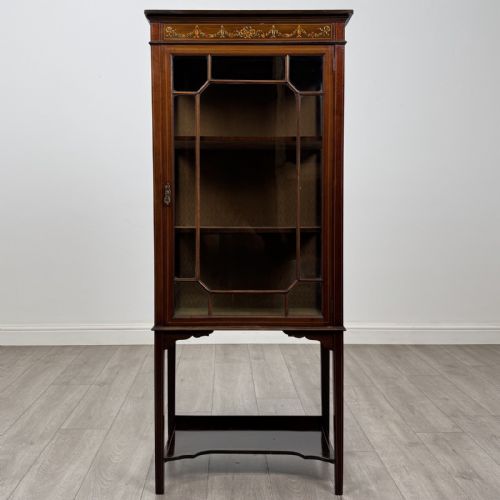
When searching for an antique wood stand, buyers encounter a diverse selection of occasional furniture designed to elevate plants, candles, books, and decorative objects. These items range from compact tripod plant stands and candle supports to elaborate display cabinets and side tables spanning the Georgian, Victorian, and Edwardian eras.
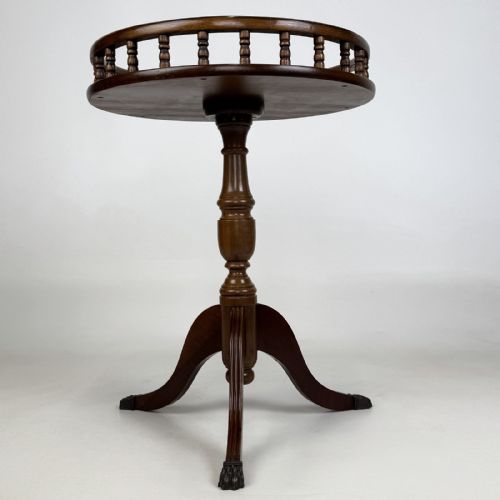
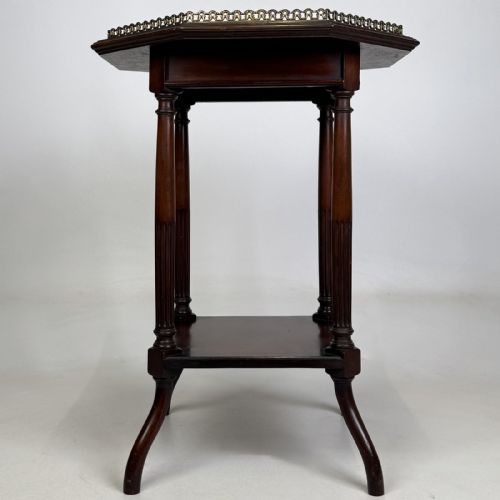
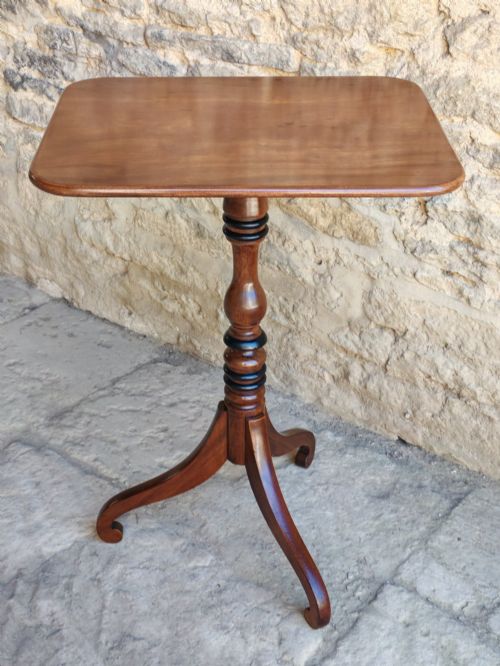
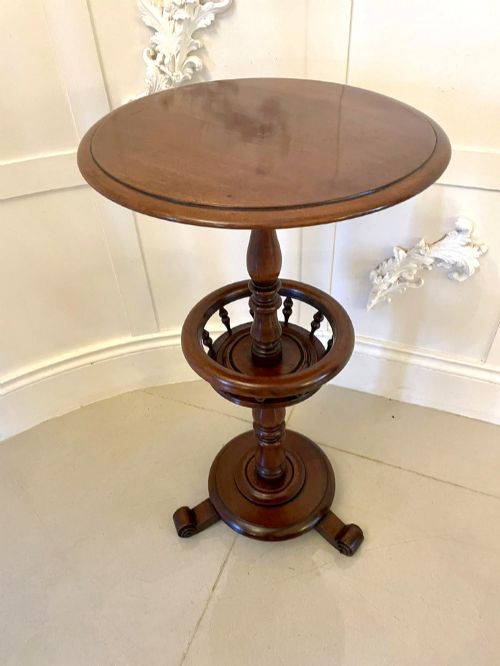
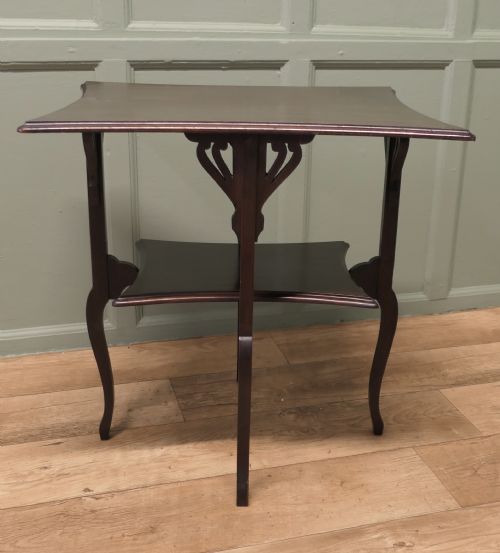
The version most frequently met on this page is the Edwardian or Victorian mahogany plant stand or side table, often featuring a tripod base or lower shelf. These pieces reflect domestic habits of the nineteenth and early twentieth centuries, providing stable surfaces for household ornaments and botanical displays.
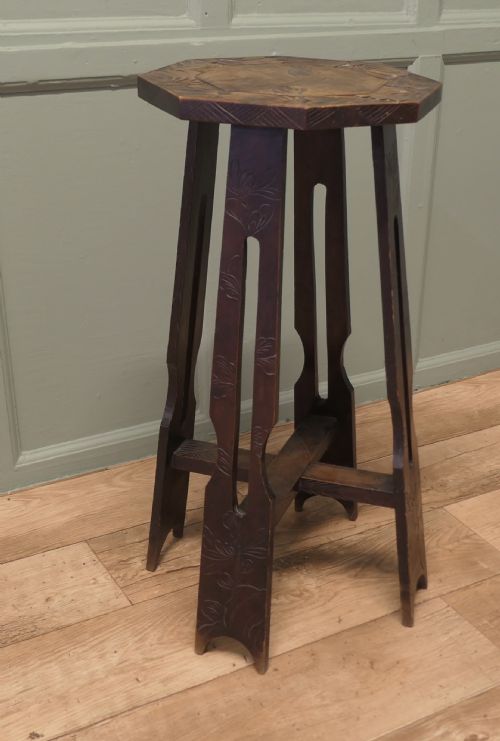
Other variations include oak side tables, rosewood occasional pieces, and specialised stands with galleries or carved legs. Each item demonstrates the utility and decorative ambition characteristic of its period of origin.
Materials and construction
Makers utilised solid timbers and veneers such as mahogany, oak, walnut, rosewood, and satinwood to construct these pieces. Carpenters joined structural components using traditional joinery methods, ensuring stability in items subject to daily weight and movement.
Surface enhancement involved carving, turning on lathes, inlay, and ebonising. Brass hardware, glass panels, and marble tops frequently accompanied the timber frames to add functional utility and visual contrast.
Detailing such as gadrooned edges, claw and ball feet, and raised galleries required skilled hand work by period artisans. The integration of these elements defined the character of each functional stand.
Quality differences
The standard of timber selection and seasoning dictates the structural longevity and visual depth of the wood grain. Superior examples display dense, well-figured mahogany or oak that retains its stability and colour over generations.
The precision of hand carving and the crispness of turnings separate standard utility items from exhibition quality or fine drawing room pieces. Subtle details like refined edge mouldings and well-fitted joints indicate a higher degree of workshop attention.
James Shoolbred
The Antique Wood Stand Glossary
- Tripod base
- A support structure utilising three legs radiating from a central column. This configuration ensures stability on uneven floor surfaces.
- Gadrooned edge
- A decorative carved moulding featuring curved, notched patterns along the perimeter of a tabletop or shelf. It adds texture to the silhouette.
- Raised gallery
- A low protruding rim fitted around the top edge of a stand or table. This feature prevents items from sliding off the surface.
- Ebonised
- Timber treated with a finish to imitate ebony wood. The dark surface offers a stark, formal appearance popular during the Victorian era.
- Satinwood
- A light, lustrous timber imported from tropical regions and utilised for fine cabinetwork. It provides a contrasting golden tone in inlaid furniture.
Antique Wood Stand: Frequently Asked Questions
What rooms suit an antique wood stand?
These stands fit well in living rooms, hallways, and studies where surface space for books or plants is needed. Their compact footprint allows them to occupy awkward corners or narrow passages without crowding the floor.
Matching the timber tone to existing furniture helps integrate the piece into the room. Placing a plant or lamp on top completes the practical function.
How can I tell Victorian from Edwardian stands?
Victorian stands tend to feature heavier proportions, darker finishes, and more elaborate carved decoration or ebonised surfaces. They reflect the ornate tastes of the nineteenth century.
Edwardian pieces often display lighter timbers like mahogany with simpler lines, inlaid stringing, and tapered legs. This reflects a shift towards airier, more restrained domestic interiors.
Were these stands made for plants?
Many surviving examples served as plant stands, jardinières, or candle supports in period homes. Their elevated platforms protected floors and carpets from dampness and water runoff.
Other versions functioned as general occasional tables or book troughs. The physical design usually indicates the intended primary use.