


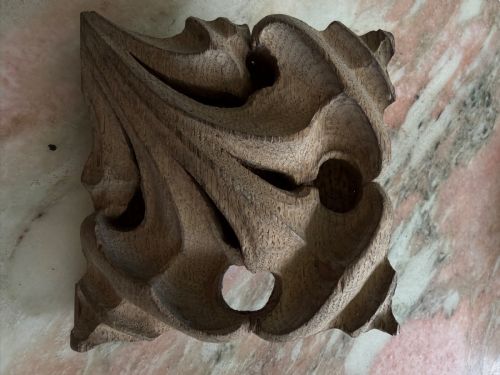


Antique Wood Rosette
An antique wood rosette brings historic architectural relief and carved floral ornament directly into domestic spaces.
Antique Wood Rosette
When you search for antique wood rosette, you find carved architectural fragments and decorative elements spanning several centuries. These pieces originate as ceiling bosses, panels, and architectural salvage rather than standalone furniture items.
The selections on this page concentrate on carved oak panels and ceiling roses dating from the eighteenth and nineteenth centuries. Examples display traditional motifs including Tudor roses and pierced leaf designs.
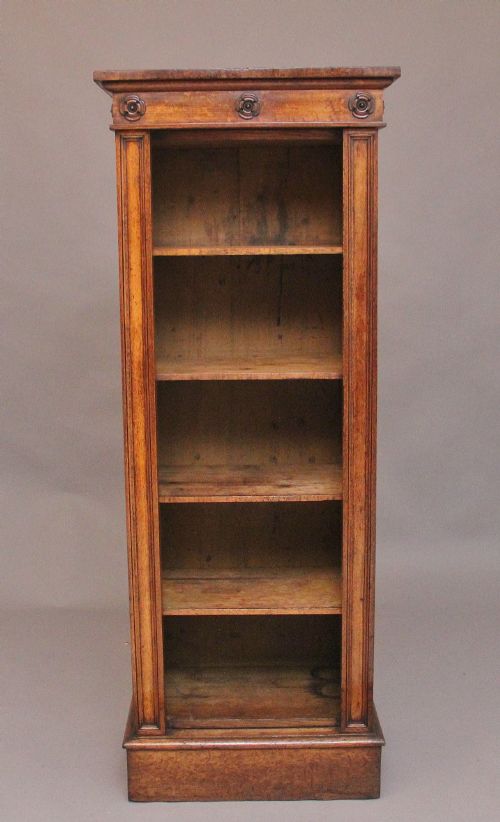
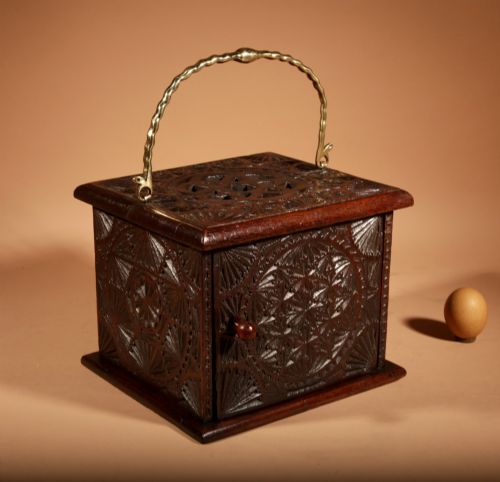
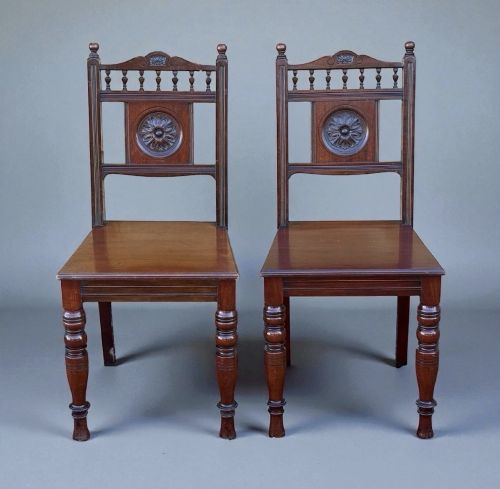
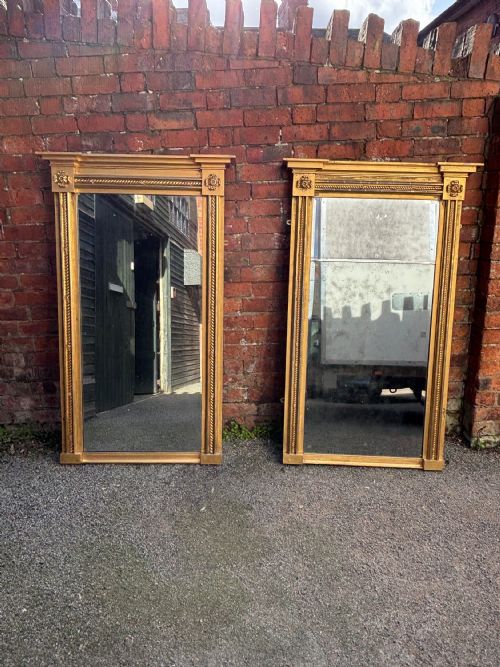
Beyond architectural timberwork, related carved wooden items appear in the listings, including hall chairs, mirrors, and foot warmers. These objects incorporate similar relief carving and floral ornamentation on structural elements.
Materials and construction methods
Maker's workshops relied predominantly on solid timber such as oak and mahogany for structural integrity and carving depth. Artisans utilised hand chisels and gouges to execute chip carving and relief work directly into the dense grain.
Surface treatments involve applied gesso, parcel gilt, and gold leaf on specific decorative mirrors and frames within the selection. These gilded elements contrast with the natural timber finishes found on structural architectural panels.
Antique Wood Rosette Retail Price Guide 2026
Typical asking prices for wood rosette among the pieces listed under this phrase on Sellingantiques today, from the lower quarter to the upper quarter. They describe what is for sale here now, not the wider market.
The listings combine eighteenth and nineteenth-century carved oak panels with Victorian giltwood mirrors and mahogany furniture.
Factors influencing quality
The distinction between ordinary timber fragments and superior carving lies in the crispness and depth of the chisel work. Pierced ceiling bosses with undercut leaves demand greater manual skill than shallow surface incisions.
Original surface preservation determines the visual authority of each piece. Retaining untouched patination on oak or authentic gilding elevates an item above examples with modern refinishing.
The Antique Wood Rosette Glossary
- Ceiling Boss
- A projecting block of wood placed at the intersection of ceiling ribs or beams, frequently carved with floral or foliage motifs.
- Chip Carving
- A method of removing small chips from a wooden surface with a knife or chisel to form geometric or organic patterns.
- Giltwood
- Timber that has been coated with gold leaf or gold paint to provide a lustrous decorative finish.
- Architectural Salvage
- Building components and decorative elements rescued from older structures for reuse or display.
- Tudor Rose
- The traditional floral heraldic emblem of England, frequently utilised in historic wood carving designs.
Antique Wood Rosette: Frequently Asked Questions
What is an antique wood rosette?
An antique wood rosette is a carved wooden ornament shaped like a floral rose, historically used in architecture as a ceiling boss or panel insert.
These pieces showcase traditional hand-carving techniques from periods like the eighteenth and nineteenth centuries, serving as decorative accents in modern interiors.
How were ceiling bosses used?
Ceiling bosses functioned as structural and decorative keypoints where wooden beams intersected in historic buildings.
Craftsmen fixed them to ceilings or vaulting to conceal joints and provide ornate floral relief overhead.
How do I display an architectural rosette?
These carved panels mount directly onto walls as sculptural art pieces or decorative focal points within a room.
Their substantial timber depth allows them to sit comfortably alongside framed art and mirrors.
How do I identify eighteenth century oak?
Eighteenth-century oak displays dense grain patterns, deep patination from age, and tool marks left by hand chisels.
Examining the back and edges reveals the manual methods used by period carpenters before machine sawing became common.