

Antique Wood Lamp
An antique wood lamp brings warm, focused light and rich timber grain to a room, drawing on centuries of cabinet-making skill.
Antique Wood Lamp
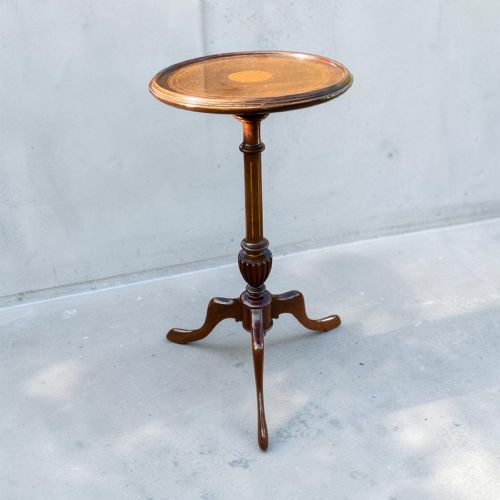
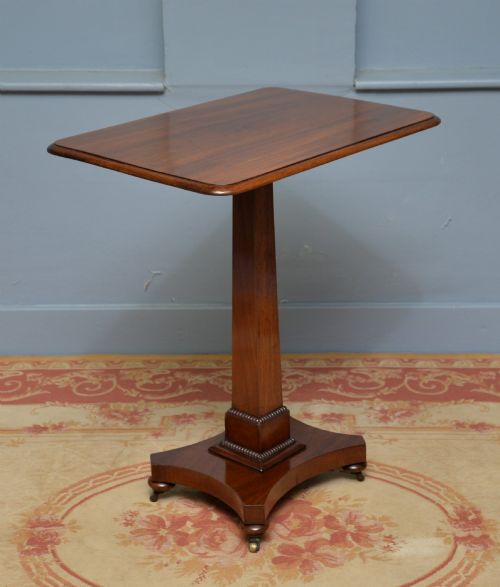
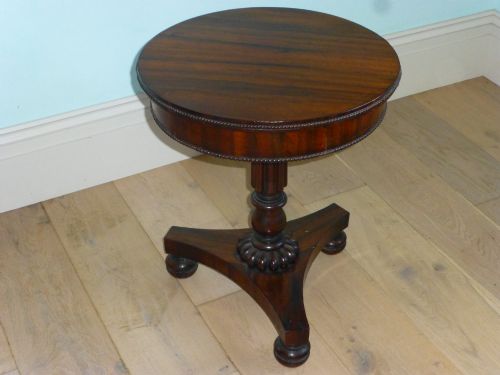
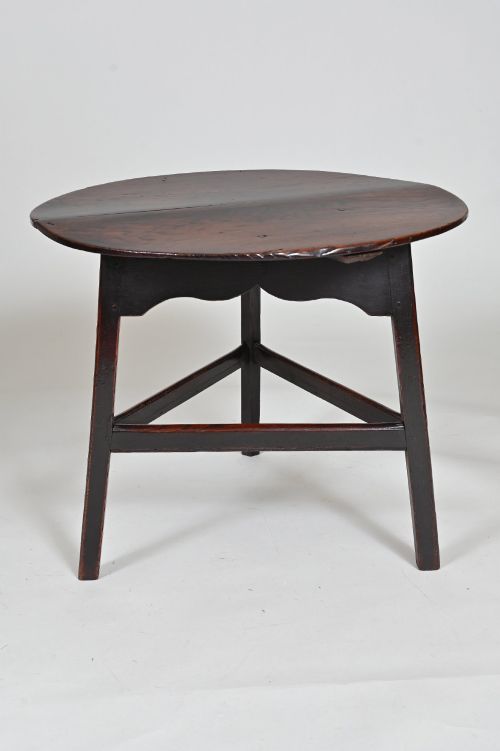
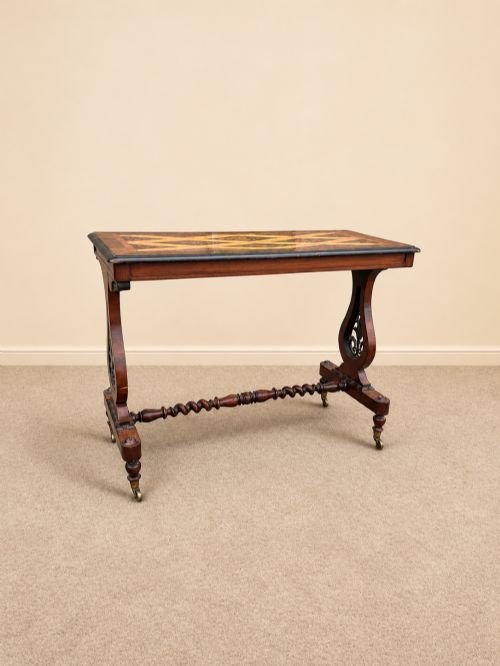
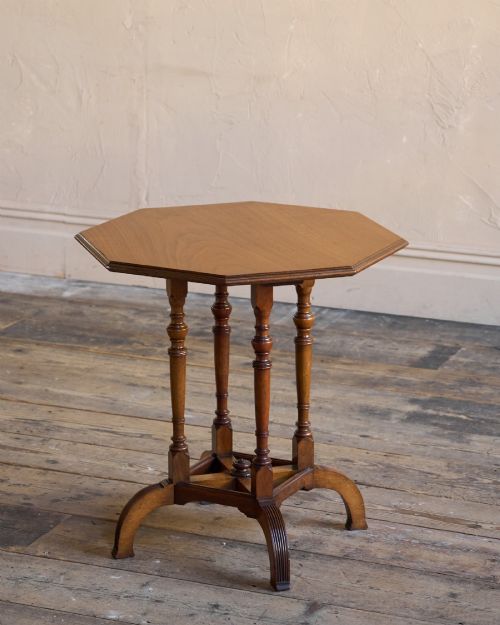
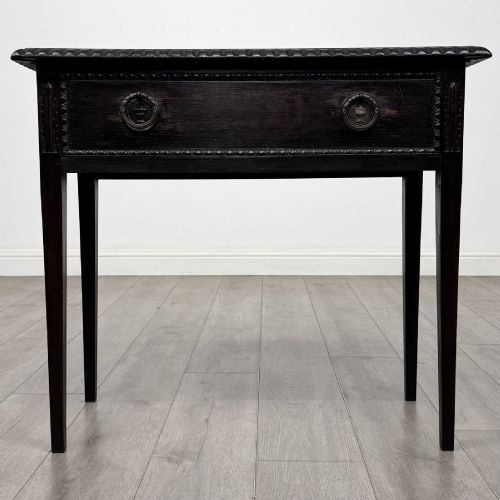
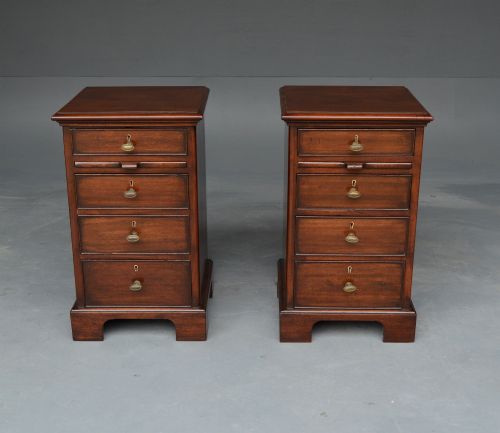
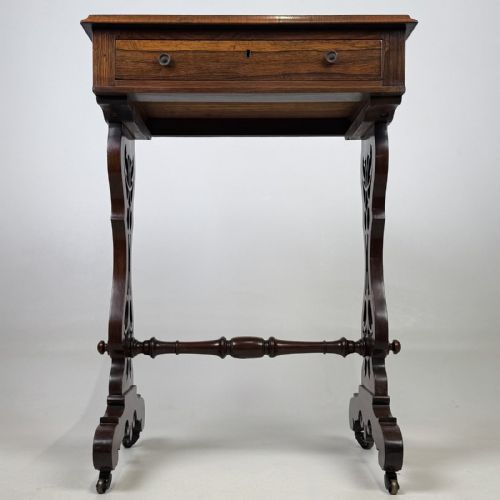
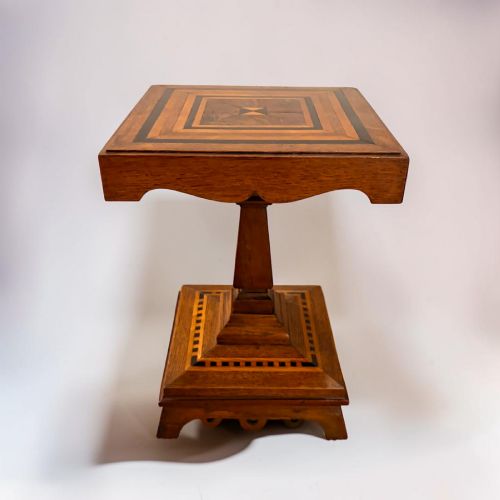
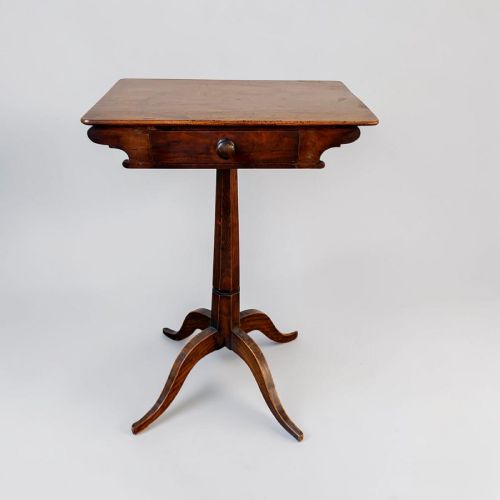
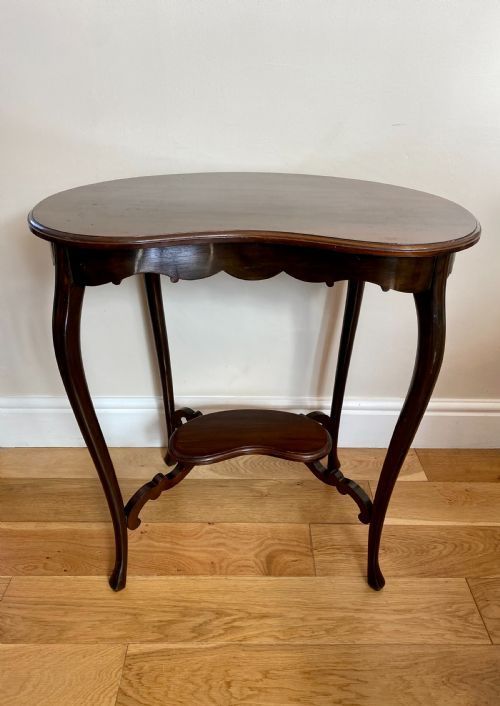
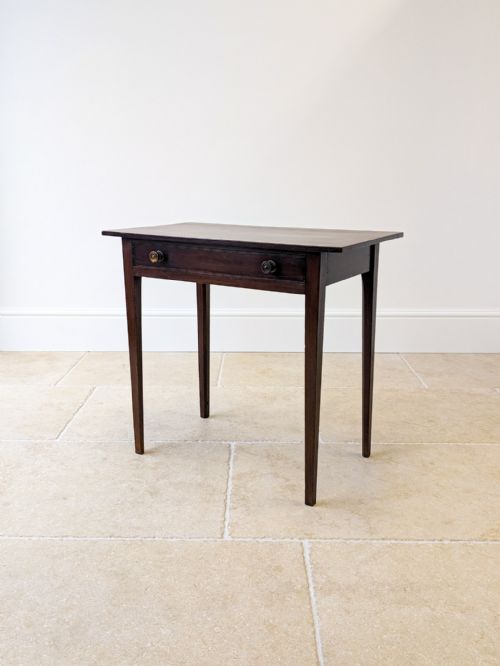
When you search for an antique wood lamp, you encounter a diverse collection that frequently bridges traditional surface furniture and dedicated lighting stands. Many listings combine side tables, wine tables, and occasional tables that served to hold portable lamps alongside genuine floor-standing torchieres.
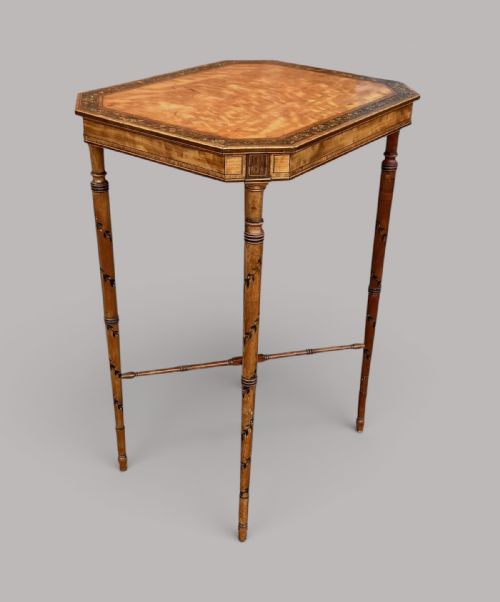
The selection spans several distinct eras, drawing heavily on Georgian craftsmanship, Victorian carving, and Edwardian refinement. Mahogany dominates the timber selection, supported by walnut, oak, teak, and satinwood.
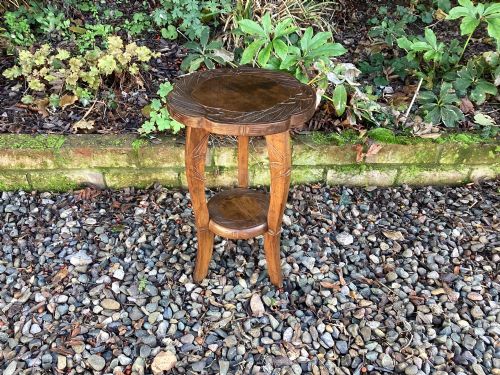
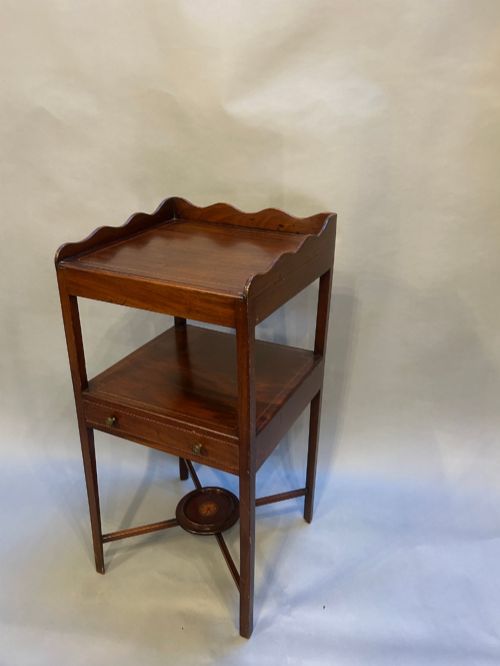
Forms range from compact tripod bases and nest of tables to galleried occasional pieces and tall floor stands. These items reflect both British domestic traditions and colonial craftsmanship such as Burmese carved teak.
How they were made
Cabinet-makers relied on solid hardwoods like mahogany, oak, and walnut, frequently enhancing them with contrasting boxwood inlay or marquetry. Structural stability was achieved through traditional joinery and turned legs, sometimes featuring carved stretchers or gadrooned edges.
Metal fittings in brass appear regularly, providing functional galleries, drop handles, or structural collars. Floor lamps and standard lights often integrate turned timber shafts with heavy weighted bases to support fabric shades securely.
Antique Wood Lamp Retail Price Guide 2026
Typical asking prices for wood lamp among the pieces listed under this phrase on Sellingantiques today, from the lower quarter to the upper quarter. They describe what is for sale here now, not the wider market.
Some Burmese teak tables travelled thousands of miles across the seas before holding their very first electric lamp.
What varies in quality
Quality rests primarily in the selection of the timber and the crispness of the carving or inlay work. Superior examples display figured mahogany or walnut grains, precise dovetailing, and balanced proportions rather than purely utilitarian construction.
Finer pieces often incorporate thoughtful details such as shaped serpentine tops, brass galleries, or subtle satinwood stringing. The integration of period wiring or careful adaptation for modern illumination also marks the distinction between ordinary utility items and collected pieces.
James Shoolbred·Heals
The Antique Wood Lamp Glossary
- Gadrooned edge
- A carved decorative border resembling overlapping lobes or inverted fluting, frequently found on the rims of tables and lamp stands from the Georgian and Edwardian periods.
- Tripod base
- A three-legged support structure commonly utilised on small occasional and wine tables to ensure stability on uneven historic floors.
- Torchere
- A tall, slender stand designed specifically to elevate a light source or candle, adapted in later periods to carry electric lamps.
- Marquetry
- The art and craft of applying pieces of veneer to a structure to form decorative patterns, visible on finer Victorian lamp tables.
- Gallery
- A raised decorative border, often cast in brass or pierced from timber, positioned around the edge of a table top to prevent items from sliding off.
Antique Wood Lamp: Frequently Asked Questions
What is an antique wood lamp table?
An antique wood lamp table is a small surface piece designed to hold a portable lighting fixture, combining functional utility with period cabinet-making.
These tables typically date from the Georgian, Victorian, or Edwardian eras and utilise timbers such as mahogany, oak, and walnut.
How do I identify a Victorian standard lamp?
Victorian standard lamps and torchieres are characterised by tall, turned wooden shafts and solid, stable bases built to support weighty fabric shades.
They often feature hand-carved decorative elements and rich timber patination developed over more than a century of use.
Can I use an old side table as a lamp table?
Many side tables, occasional tables, and wine tables from the Georgian and Edwardian periods function perfectly as stands for modern lamps.
Their compact proportions and sturdy timber construction make them ideal for placing beside armchairs or sofas to provide soft ambient lighting.
What wood was most commonly used?
Mahogany is the predominant timber found across these historic lighting pieces and occasional tables, prized for its strength and deep grain.
Walnut, oak, satinwood, and teak also appear frequently, reflecting the shifting stylistic preferences of successive design periods.