



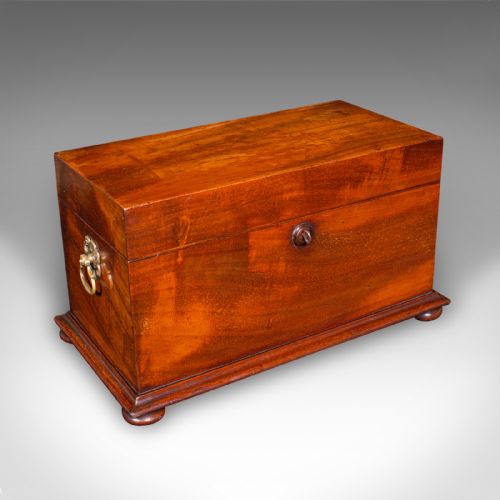
Antique Wood Canister
An antique wood canister offers tactile domestic history, bringing centuries of skilled joinery and warm timber into daily modern use.
Antique Wood Canister
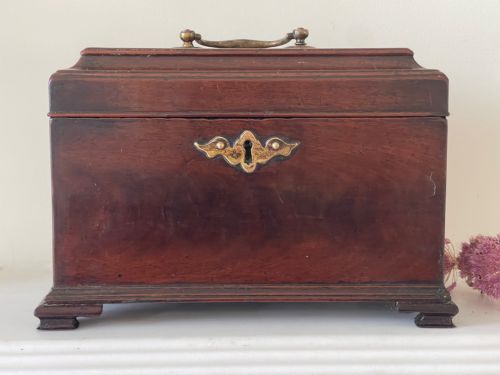
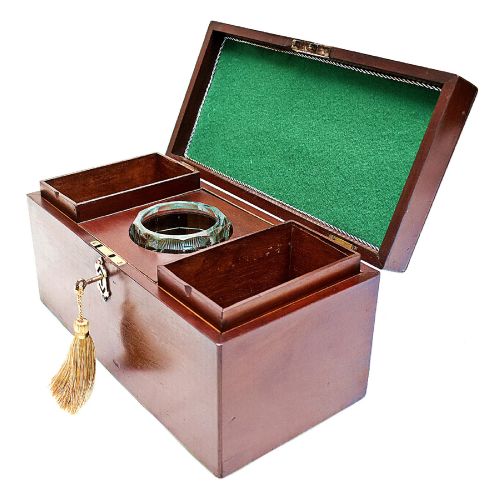
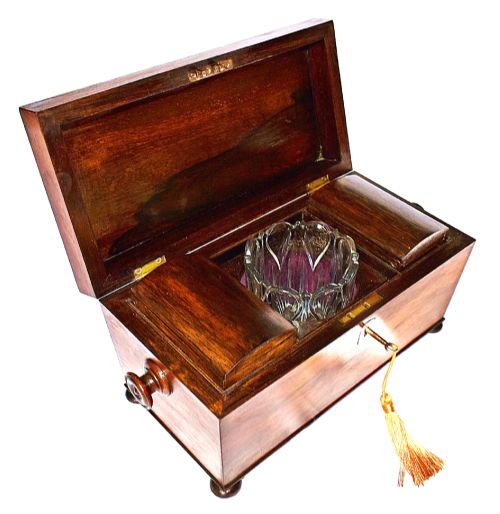
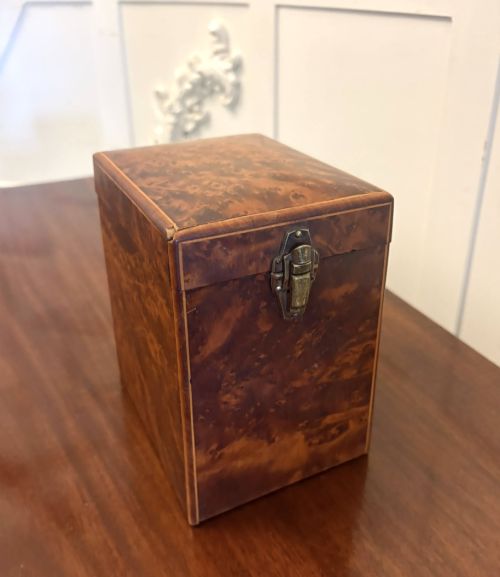
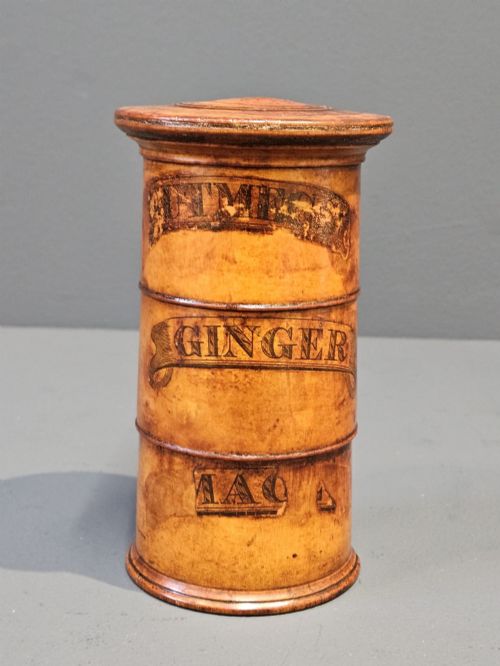
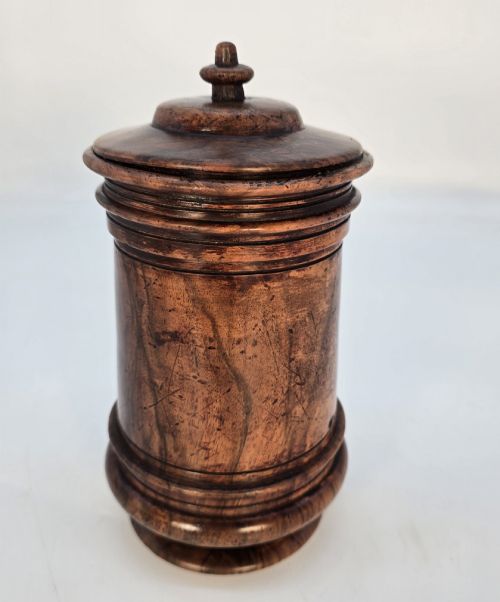
When you search for an antique wood canister, you encounter vessels originally designed to preserve tea, spices, and tobacco in domestic interiors. The examples met on this page span the eighteenth and nineteenth centuries, including Georgian, Regency, and Victorian periods.
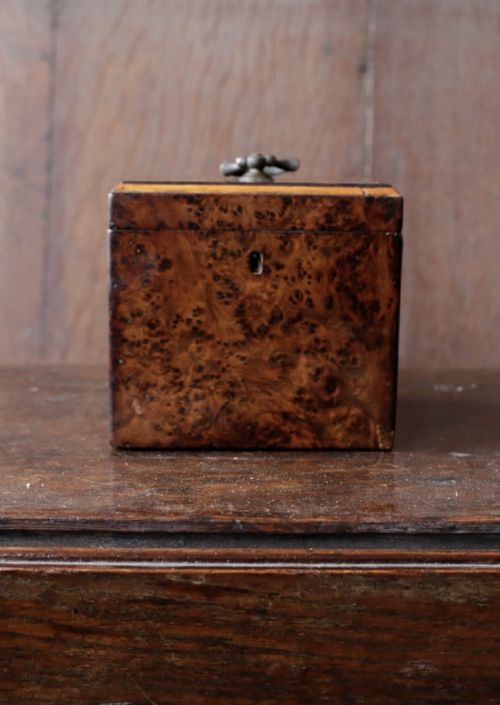
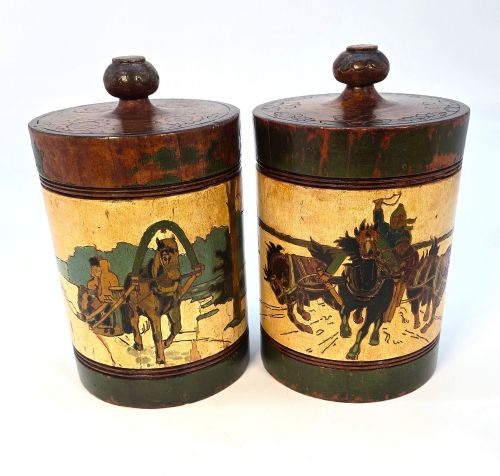
Forms vary considerably from straightforward treen jars and spice towers to sarcophagus-shaped tea chests and lidded vessels. Woods such as rosewood, walnut, sycamore, and burr yew predominate across these utilitarian and decorative containers.
How they were made
Joiners and cabinetmakers utilised dense native and exotic timbers, selecting burr veneers, fruitwood, and padouk for stability and visual grain pattern. Selected pieces incorporate contrasting inlay, brass banding, and hand-carved painted decoration.
Turning on a lathe shaped cylindrical jars and tiered spice towers, whilst panel construction created lidded tea chests and caddies. Surfaces received polished finishes that highlighted the natural figure of the wood over decades of handling.
Antique Wood Canister Retail Price Guide 2026
Typical asking prices for wood canister among the pieces listed under this phrase on Sellingantiques today, from the lower quarter to the upper quarter. They describe what is for sale here now, not the wider market.
What varies in quality
Quality rests upon the selection of timber figures, such as highly figured burr yew or matched rosewood veneers, combined with precise cabinetry joints. Superior pieces maintain original internal compartments, fitted lids, and subtle decorative stringing without extensive modern timber replacement.
The sophistication of the turning or carving dictates the tier between basic utility items and fine parlour pieces. Intricate parquetry and well-preserved brass mounts elevate the standing of a vessel within its period.
The Antique Wood Canister Glossary
- Treen
- Small handmade wooden objects for domestic use. This term embraces turned jars, spice towers, and kitchen vessels found in early homes.
- Tea caddy
- A box or vessel designed to store tea leaves securely. These containers often feature internal lidded compartments to separate different leaf varieties.
- Teapoy
- A small stand or table supporting a container for tea. Regency and Victorian examples frequently incorporate internal canisters within a lidded upper box.
- Spice tower
- A stacked vertical container with multiple compartments. These turned wooden vessels held various culinary spices in historical kitchens.
- Sarcophagus form
- A container design featuring a domed or sloping lid atop a tapered rectangular body. This architectural style appeared frequently during the Regency period.
Antique Wood Canister: Frequently Asked Questions
What did they store inside?
These wooden vessels primarily held expensive commodities such as tea leaves, aromatic spices, and tobacco. Because these goods were valuable, the containers themselves received careful craftsmanship.
Tea caddies often included internal divisions to keep green and black tea separate. Spice towers and jars kept dry goods organised in the kitchen or parlour.
How do I date an antique wood canister?
Dating relies upon observing the timber species, construction methods, and prevailing decorative styles of the period. Georgian pieces often display clean mahogany or walnut surfaces, while Regency examples favour rosewood and parquetry.
Victorian containers frequently utilise amboyna, coromandel, or elaborate brass banding. Comparing the internal fittings and hinge types helps confirm the era of manufacture.
How should I clean my wooden container?
Maintenance requires only a soft, dry cloth to remove dust from the timber surface. Avoid using modern polishes or water, which can damage aged polishes and dry veneers.
Feeding the wood occasionally with a suitable microcrystalline wax helps preserve the finish. Keep the vessel away from direct sunlight and radiators to prevent timber splitting.
Are these vessels still practical to use?
Many of these antique containers remain entirely functional for storing small household items today. Lidded jars and multi-tier towers adapt well to modern desktop or kitchen organisation.
Tea caddies serve securely as decorative storage boxes for trinkets or jewellery. Their robust wooden construction allows them to endure daily handling when treated with care.