
Antique Wine Pedestals
Antique wine pedestals are compact circular tables designed to hold bottles and glasses near seating, bringing practical surface space and traditional timber character to a room.
Antique Wine Pedestals
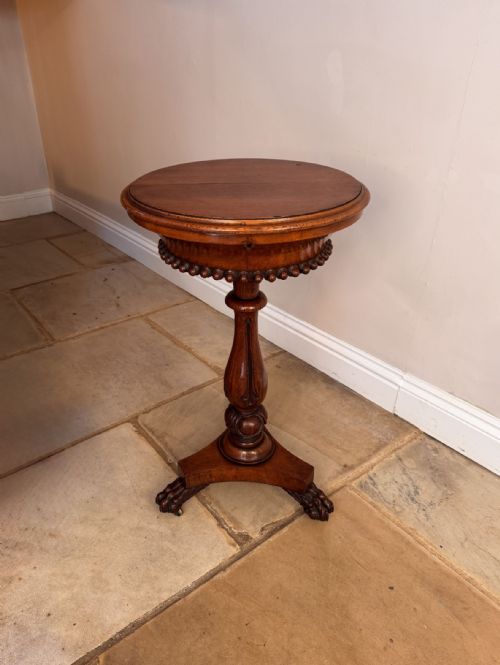
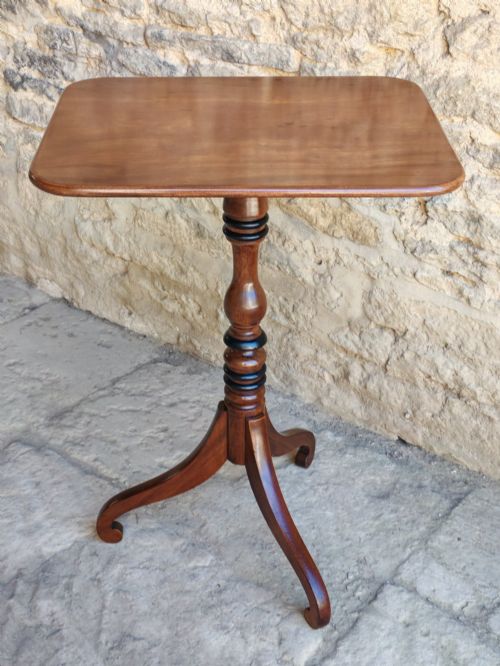
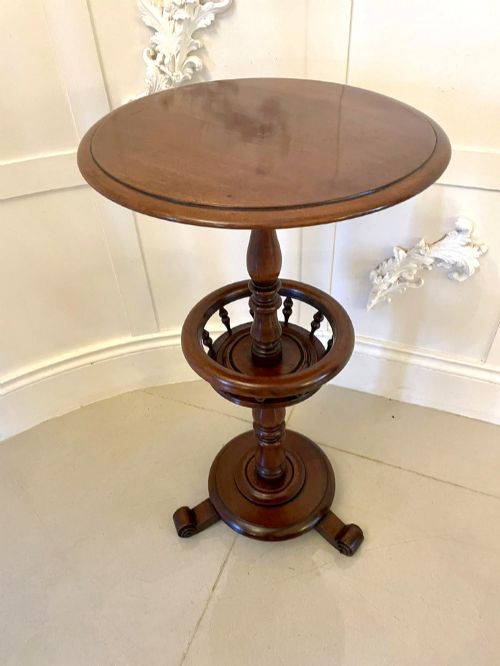
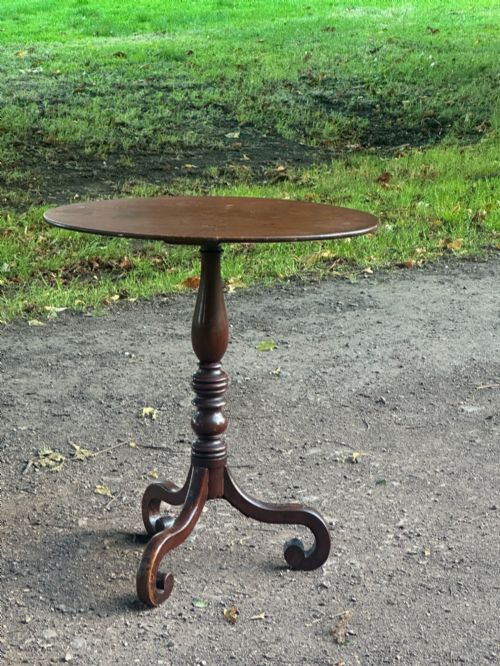
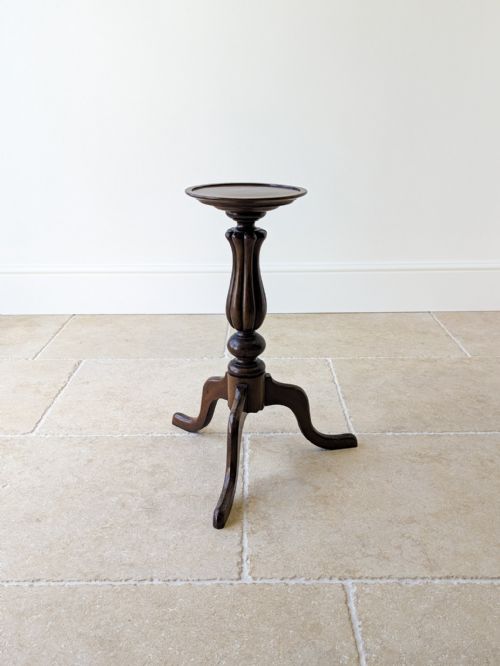
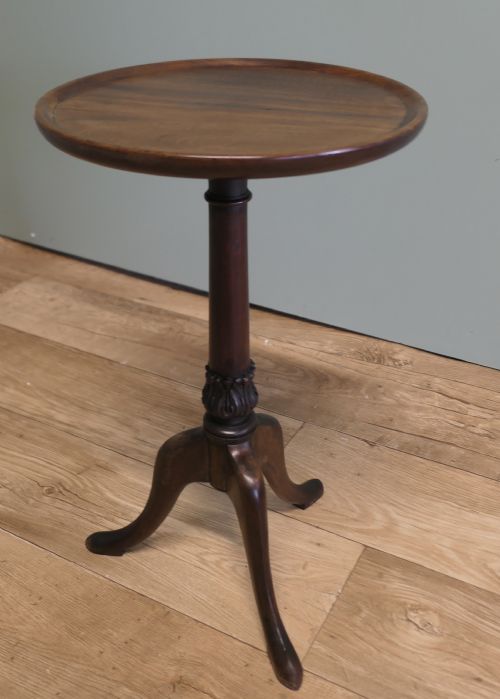
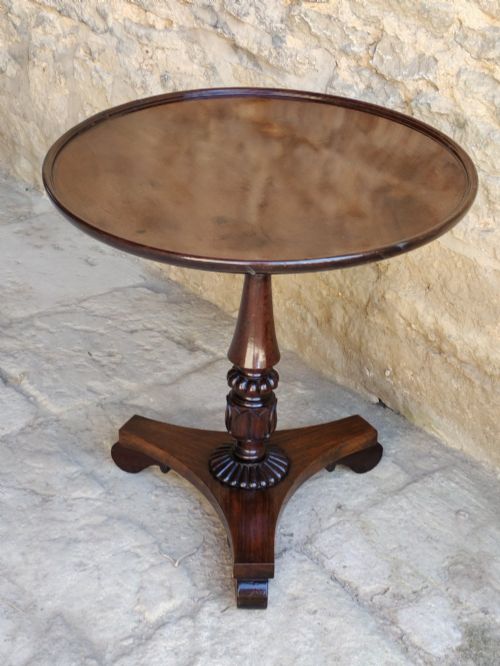
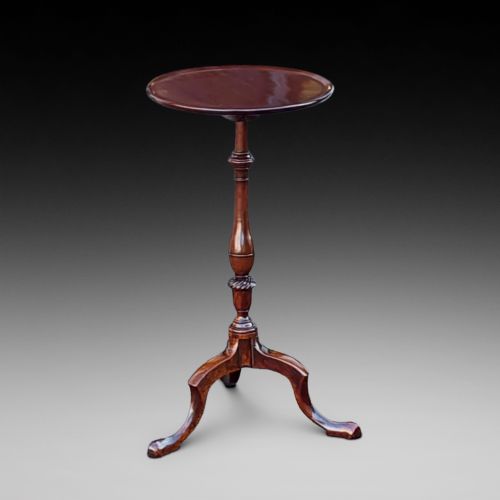
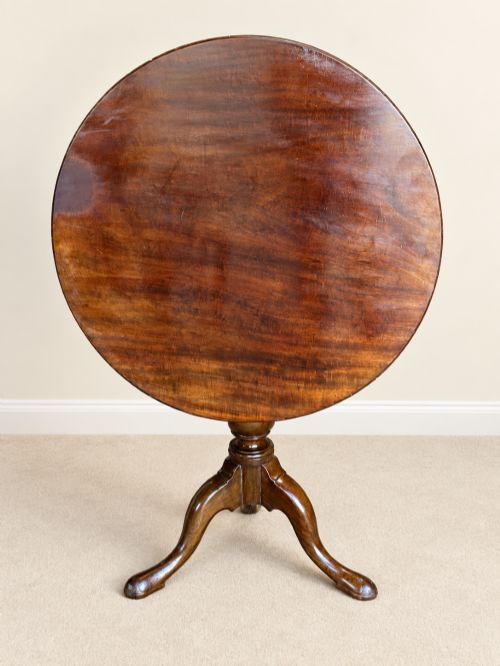
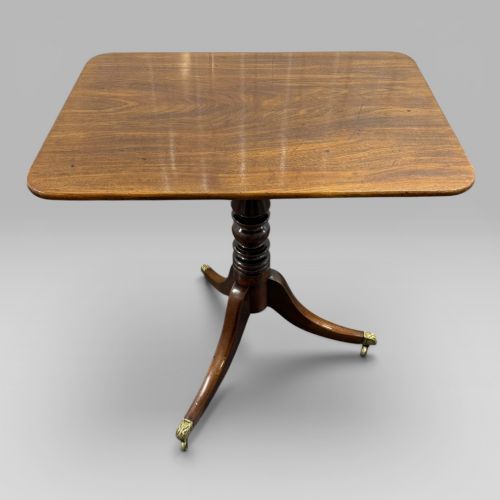
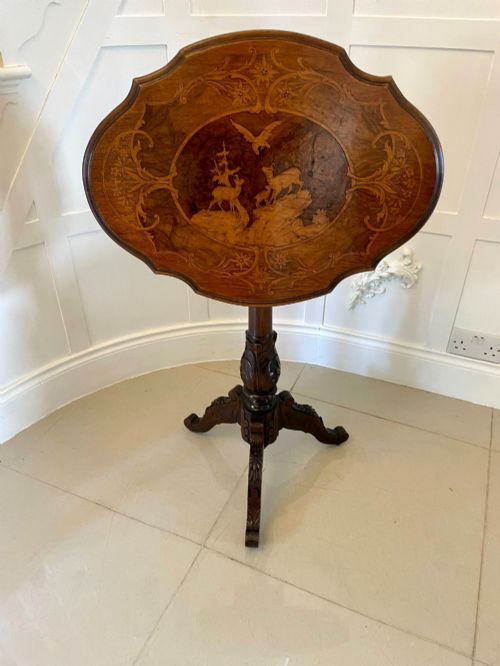
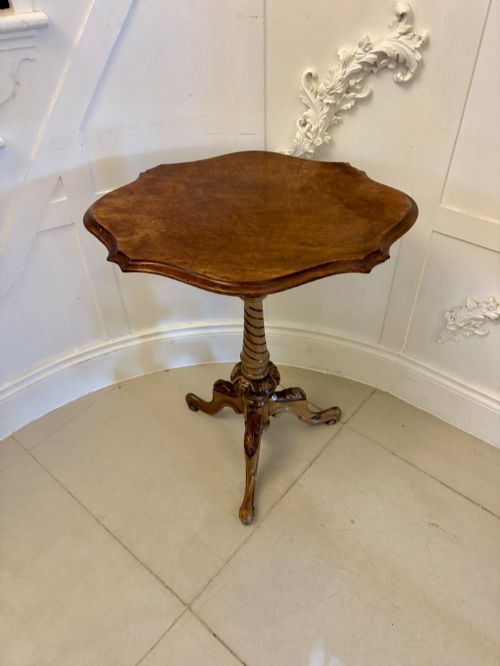
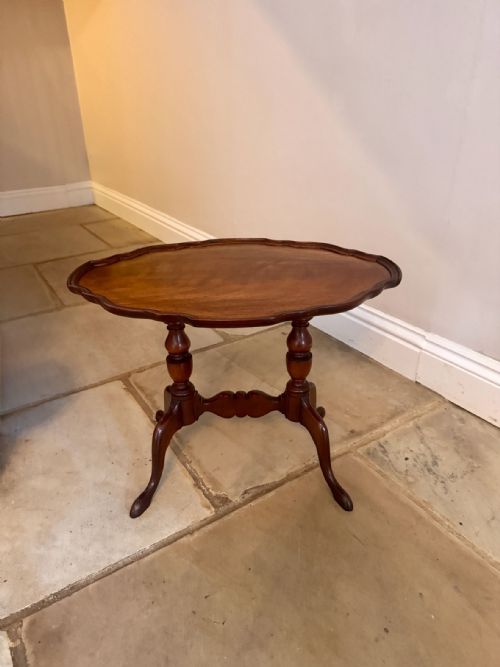
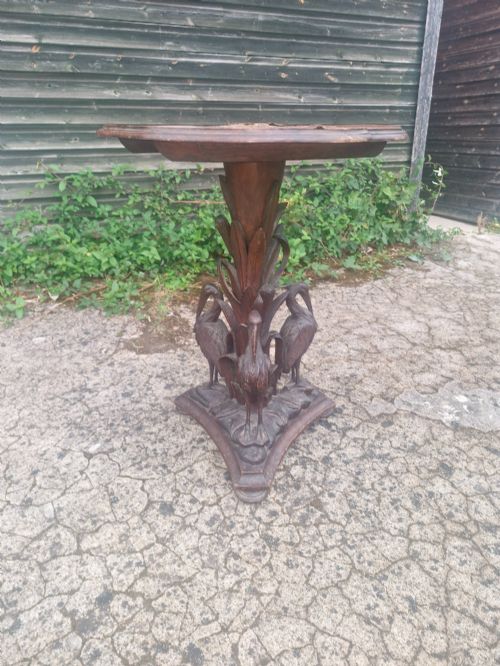
When you search for antique wine pedestals, you encounter compact occasional furniture designed primarily to hold glasses and decanters beside seating. The most common examples on this page take the form of tripod tables, circular lamp tables, and tilt-top tables originating from the Georgian and Victorian periods.
These pieces serve multiple domestic functions beyond holding wine, frequently appearing as candle stands, display tables, or small side tables. Their smaller proportions allow them to fit easily into corners or beside armchairs while offering a stable central column or tripod base.
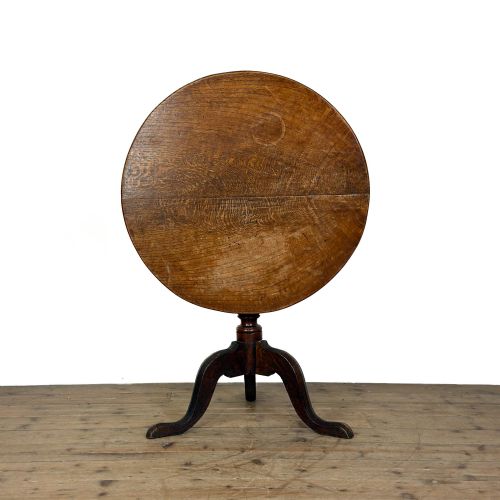
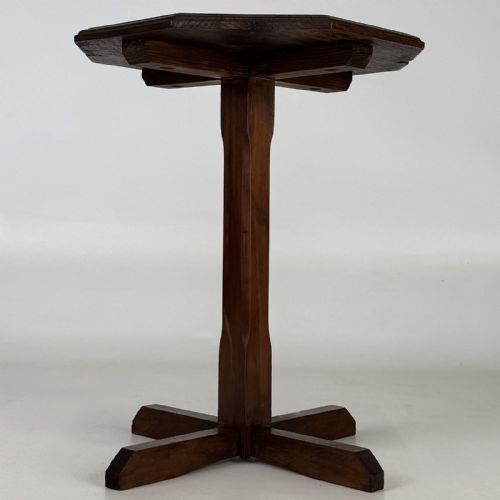
The selection ranges from plain early Elm and Oak country examples to more formal Mahogany, Walnut, and Rosewood designs. Makers often incorporated tilting mechanisms, allowing the top to fold vertically when not in use to save space in smaller parlours.
How they were made
Cabinet makers constructed these tables predominantly using dense hardwoods such as Mahogany, Walnut, and Rosewood, frequently selecting figured veneers like burr wood for the top surfaces. Elm and Oak appear regularly in earlier or more utilitarian country pieces.
The characteristic central column typically terminates in a three-legged tripod base joined by dovetail or tenon joints. Many tops feature tilting mechanisms secured by brass catches, connecting the circular surface to the pedestal column below.
Several tables include clever tilting tops so you can fold them flat against the wall, which was ideal when Georgian maids needed to clear the floor.
What varies in quality
Quality shows in the selection of timber grain and the crispness of turning on the central pedestal column. Superior examples display carefully matched veneers, such as burr walnut or figured mahogany, and subtle inlaid details rather than plain surfaces.
Construction methods also distinguish finer pieces, particularly the tightness of the joints where the tripod legs meet the central pillar and the smooth operation of the tilt-top mechanism.
Gillow
The Antique Wine Pedestals Glossary
- Tilt-top table
- A table with a hinged top that can be rotated to a vertical position when not in use. This mechanism saved valuable floor space in period rooms.
- Tripod base
- A three-legged support structure radiating from a central pillar. It provides stability on uneven older floors.
- Tripod wine table
- A small occasional table raised on a single pillar with three supporting feet. These were specifically utilised for holding drinks.
- Wine urn
- A decorative vessel often placed on pedestal cupboards. They formed part of grand dining room arrangements in the Georgian era.
- Occasional table
- A general term for a small, easily moved table intended for intermittent use around a room. They appear in various shapes throughout the nineteenth century.
Antique Wine Pedestals: Frequently Asked Questions
What is an antique wine pedestal used for?
These small tables were originally positioned beside seating to hold wine glasses, bottles, or candles within easy reach during evening gatherings.
Today, they serve equally well as lamp tables or display stands in sitting rooms and hallways, providing a convenient surface without occupying much floor space.
What woods were used for wine tables?
Cabinet makers relied heavily on dense imported hardwoods such as Mahogany, Rosewood, and Walnut for formal pieces. Burr wood veneers were frequently applied to create patterned table tops.
Earlier or more regional examples often utilise domestic timbers including Oak and Elm.
How can I tell the period of a pedestal table?
Georgian examples often display simple tripod legs and straightforward mahogany construction, whilst Victorian versions frequently introduce heavier proportions, marquetry inlay, or burr wood tops.
Edwardian and later revival pieces often replicate these earlier Georgian and Regency stylistic traits.