

Antique Windsor Furniture
These antique windsor furniture pieces combine traditional timber construction with regional country seating forms, offering sturdy character for daily use.
Antique Windsor Furniture
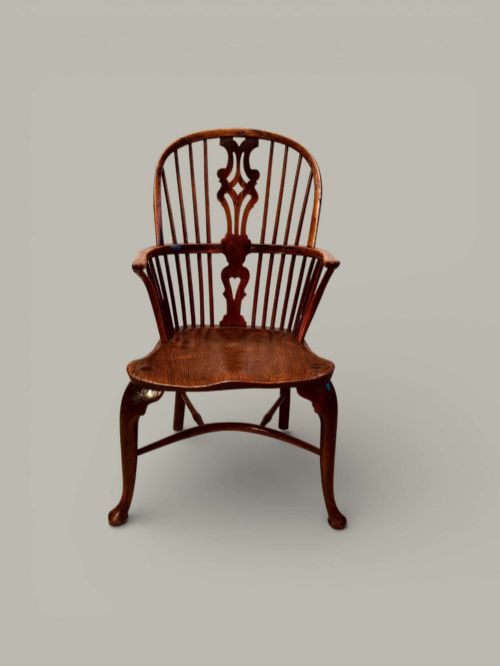
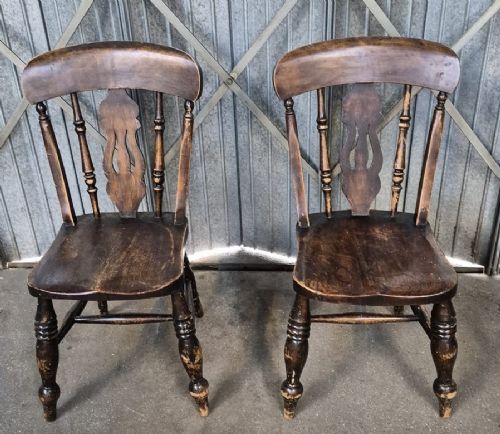
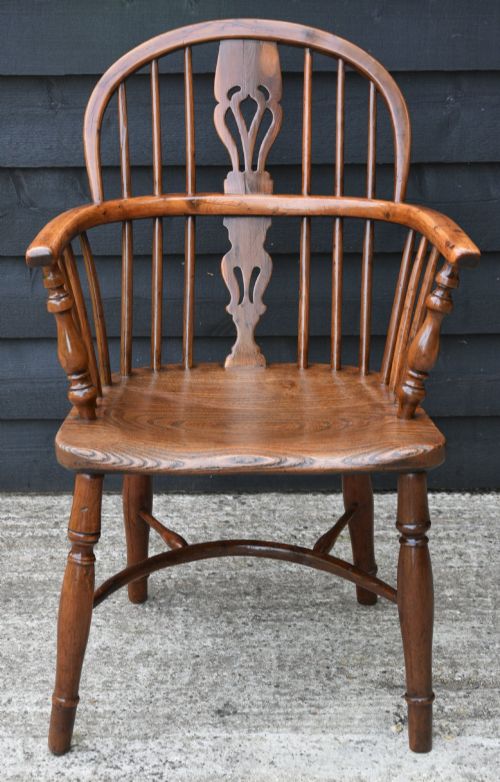
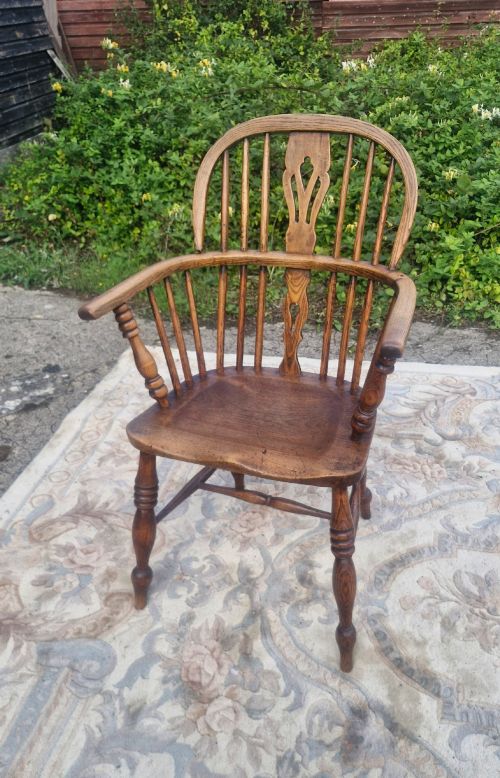
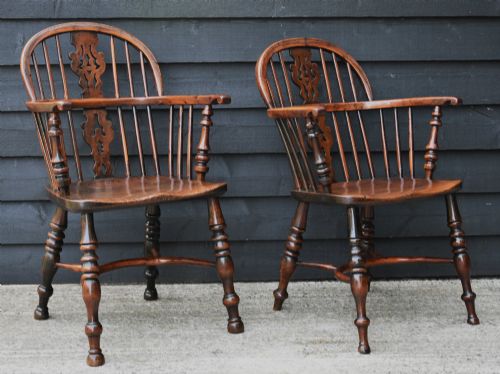
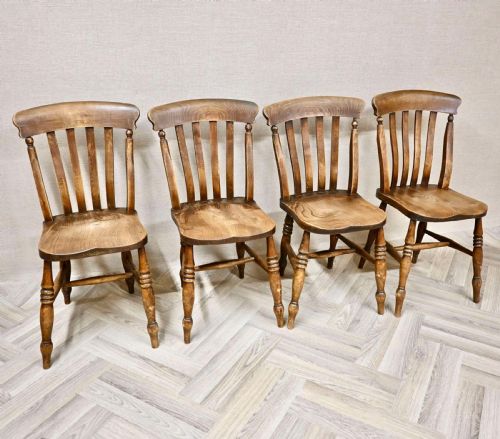
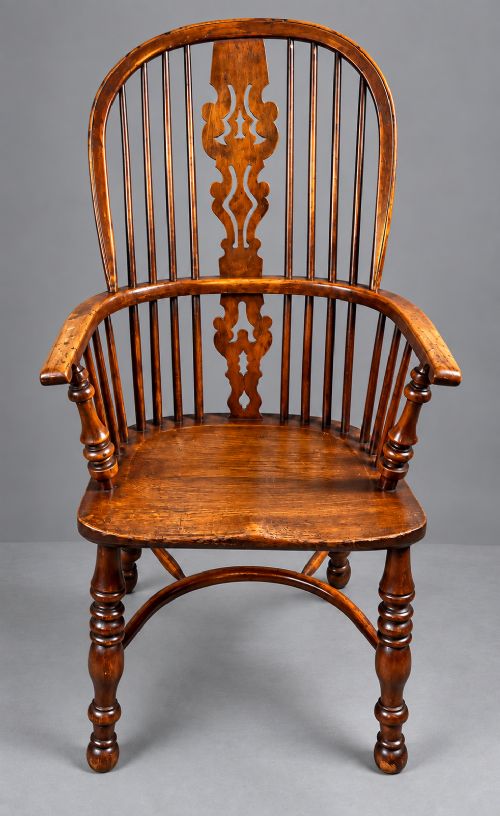
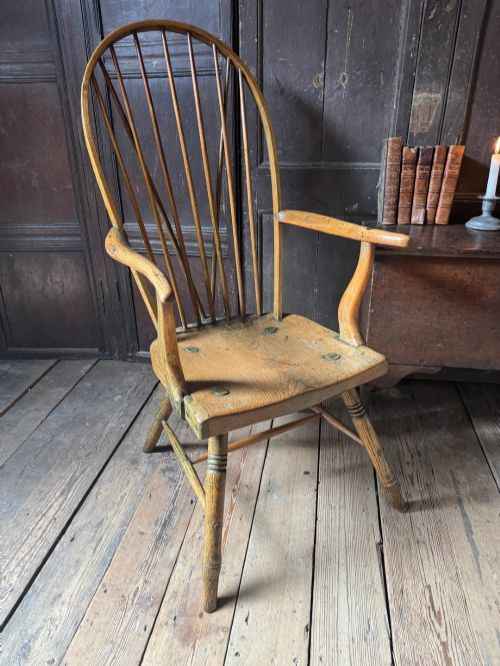
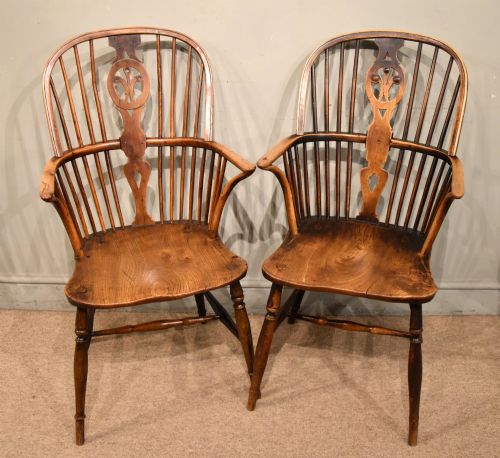
When searching for antique windsor furniture, buyers encounter seating built with distinct wooden components socketed directly into a solid carved seat. The most common examples on this page are armchairs and dining chairs originating from Georgian, Victorian, and nineteenth-century workshops.
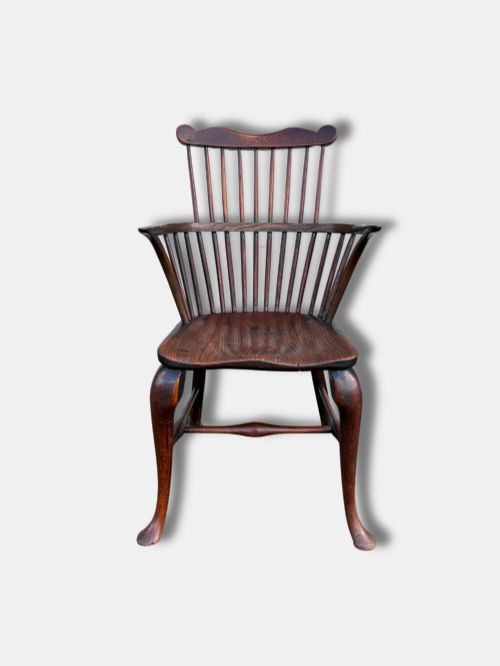
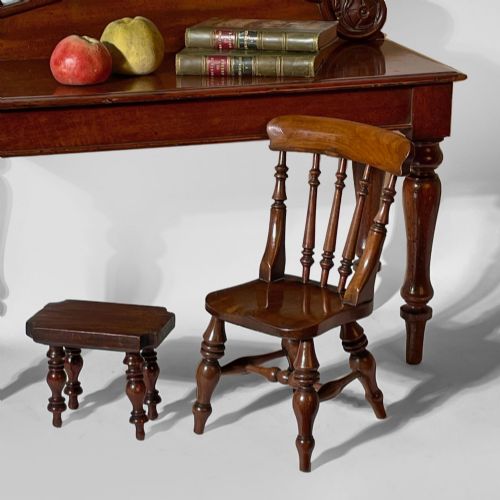
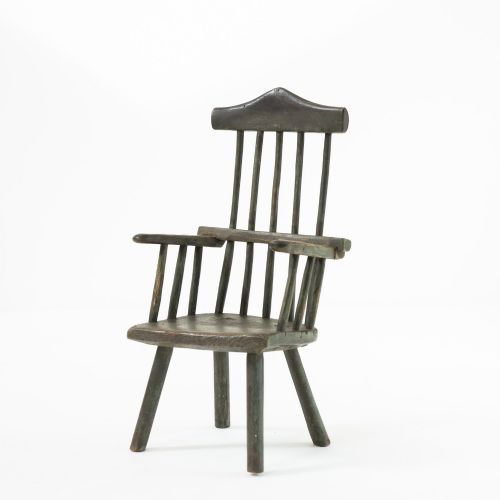
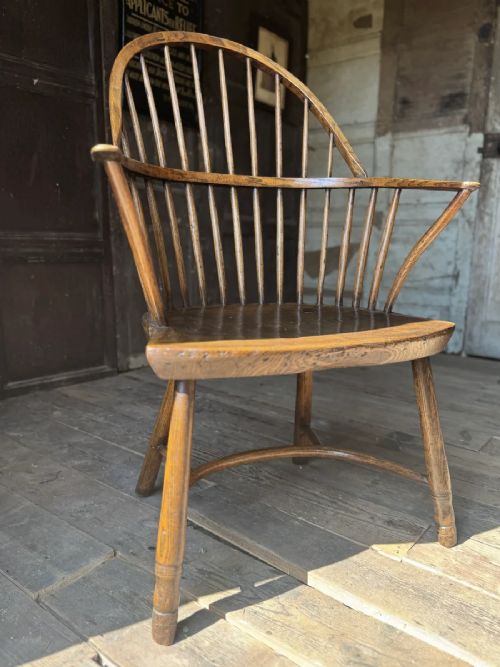
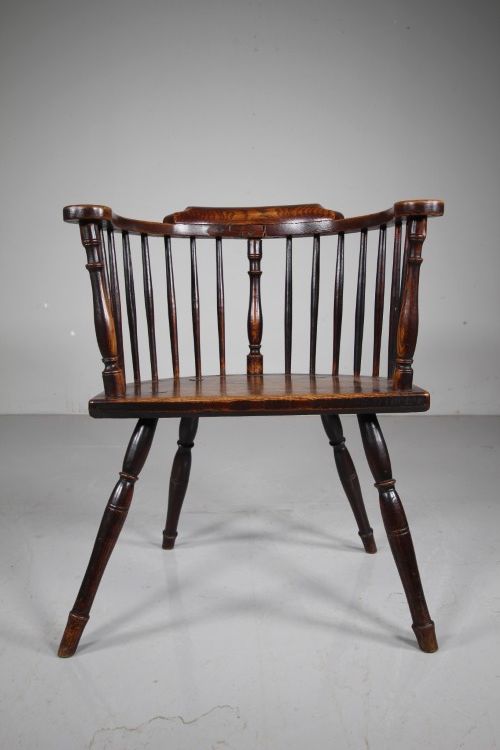
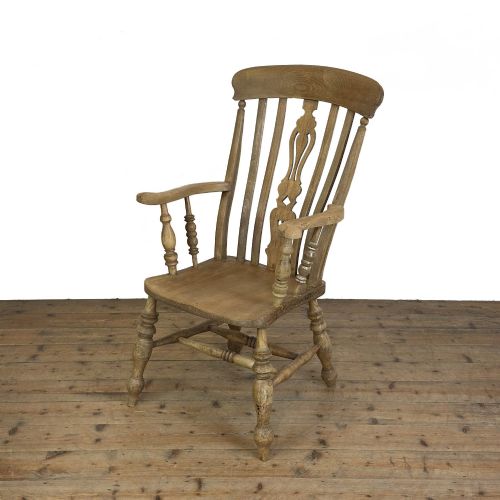
Regional variations span from Thames Valley yew wood examples to West Country elm and ash high hoop-backs and Welsh vernacular comb-back chairs. Smaller forms, such as children's armchairs and high chairs, also appear alongside rocking chairs and lath-back kitchen seating.
Materials and construction methods
Maker techniques rely on combining multiple native timbers within a single frame, pairing elm seats with ash spindles, beech legs, or yew wood backrests and arms. Additional variety comes from occasional use of fruitwood, sycamore, laburnum, and painted surfaces.
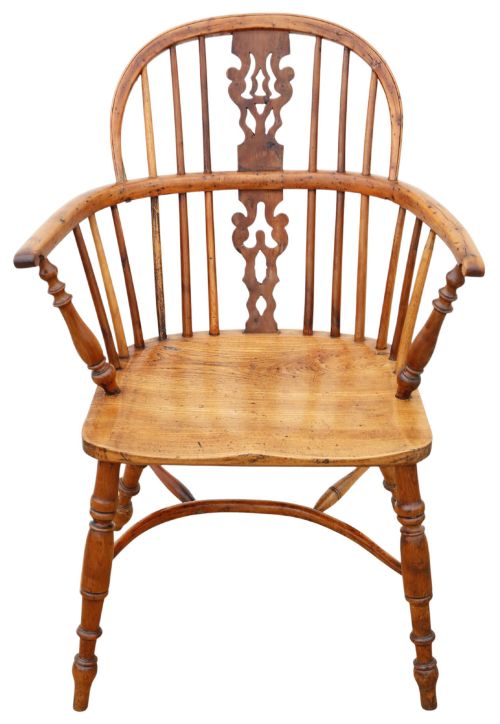
The traditional method involves a thick plank seat sculpted into a saddle shape, into which steam-bent hoop backs, comb backs, or stick backs are wedged and secured. Turned legs and crinoline stretchers provide rigid underframe support without relying on complex joinery.
Antique Windsor Furniture Retail Price Guide 2026
Typical asking prices for windsor furniture among the pieces listed under this phrase on Sellingantiques today, from the lower quarter to the upper quarter. They describe what is for sale here now, not the wider market.
Listings feature eighteenth and nineteenth-century examples built from native elm, ash, yew, and beech across English and Welsh regions.
Distinctions in quality
Quality differences rest primarily in timber selection and the complexity of the back design, with figured yew wood and burr elm commanding greater attention than plain beech or ash. The fluency of the spindle turnings and the depth of the saddle-shaped seat further separate standard utility kitchen chairs from master-carved regional armchairs.
Proportion and structural integrity define the upper tier of these pieces, particularly where comb-backs or high hoop-backs retain their original sweeping lines and balanced stance without heavy replacement components.
Gabbitass of Worksop
The Antique Windsor Furniture Glossary
- Hoop-back
- A single continuous piece of steam-bent wood forming the top rail and arms of a chair. This technique provides structural strength while creating a smooth, curved silhouette.
- Comb-back
- A chair back featuring vertical spindles topped by a horizontal crest rail resembling the teeth of a comb. This regional style often incorporates a high backrest.
- Crinoline stretcher
- An arched or curved underframe brace connecting the legs of a chair. It adds rigidity to the construction and frequently appears on eighteenth-century examples.
- Broadarm
- A chair arm widened significantly on one side to serve as a writing surface or resting place. This regional variation is common in Yorkshire seating.
- Vernacular
- Objects built by local craftsmen using regional traditions and native materials rather than adhering to metropolitan academic designs. These pieces reflect the practical needs of rural households.
Antique Windsor Furniture: Frequently Asked Questions
What defines antique windsor furniture?
These chairs are characterised by a solid wooden seat into which the legs, back spindles, and arm posts are separately fitted. This method separates them from framed upholstery and standard joinery.
Craftsmen utilised local woods like elm, ash, and yew, resulting in sturdy seating designed for everyday domestic use in kitchens and country homes.
How do I date an antique windsor chair?
Dating relies on examining the timber combinations, tool marks on the carved seat, and the evolution of the back construction. Eighteenth-century models often feature comb-backs and ash underframes.
Later Victorian versions frequently incorporate beech or mixed hardwoods with machine-turned spindles, reflecting changes in regional manufacturing methods over the nineteenth century.
Were these chairs used for dining?
Many examples served around farmhouse kitchen tables or in vernacular dining settings. Lath-back and low-back varieties were standard seating choices for daily meals.
Armchairs and rocking chairs were typically placed by hearths or used as reading seats rather than formal dining furniture.
How should I care for a wooden windsor chair?
Maintain the timber by keeping the chair away from direct heat sources and sudden temperature shifts that cause wood to split. Applying natural wax polish preserves the surface finish.
Avoid excessive moisture and check the wedged joints beneath the seat periodically to ensure the structure remains stable during daily use.