



Antique Window Art
Antique window art comprises glazed panels, oil paintings and architectural salvage that capture the character of historic light and interior views.
Antique Window Art
When buyers search for antique window art, they encounter a diverse selection of architectural stained glass panels, framed oil paintings depicting interior window scenes, and related structural fragments spanning the Victorian, Edwardian and Art Deco periods.
Stained and leaded glass windows form the most prominent grouping on this page, often featuring hand-painted botanical, avian or pastoral scenes framed by traditional lead cames and amber bullseyes.
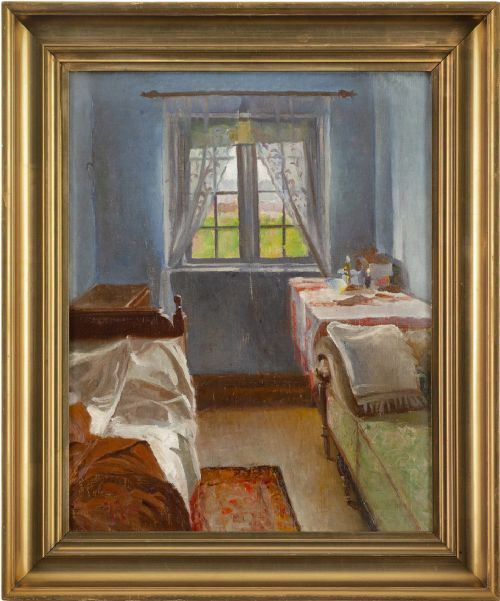
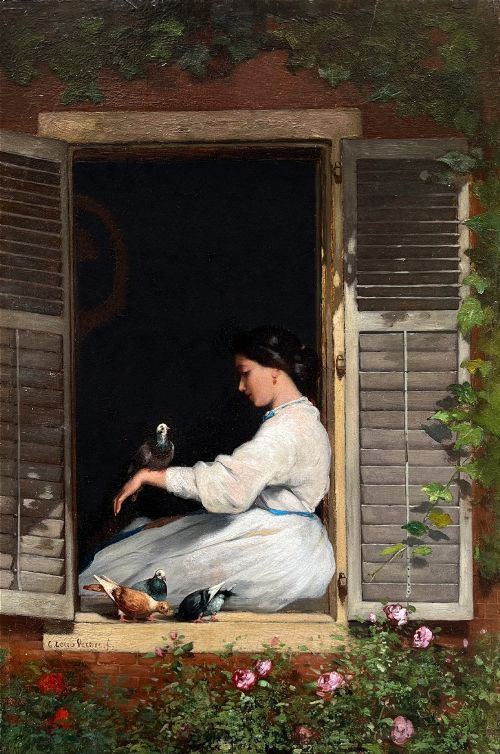
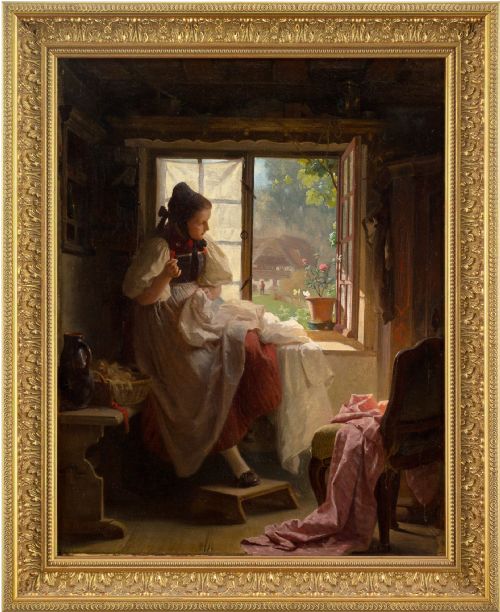
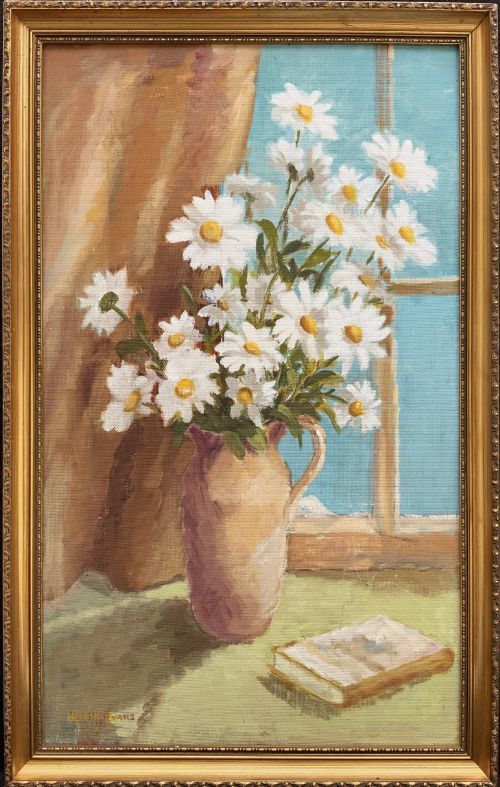
Alongside the glazed panels, oil paintings and watercolours capture figures near windows, ranging from nineteenth-century realism to modernist interior compositions.
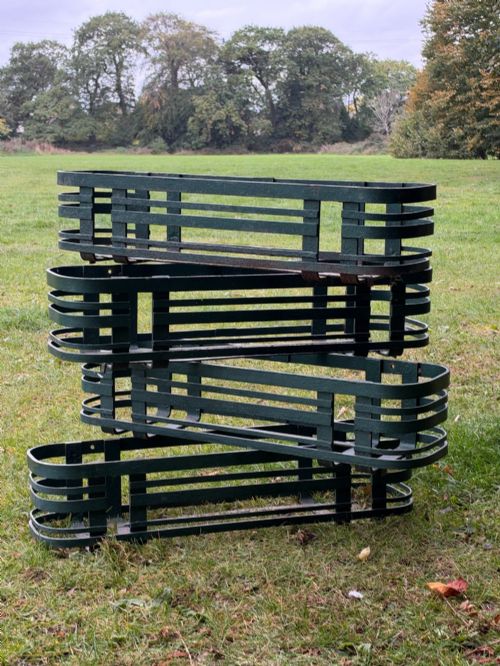
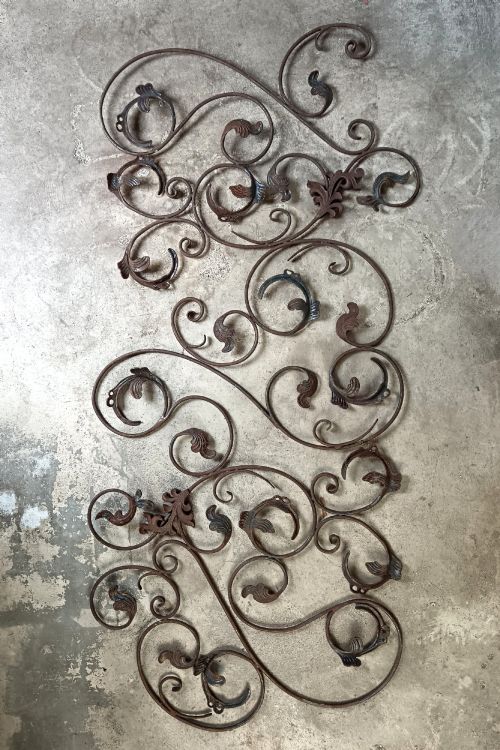
Architectural salvage pieces such as carved wood church tracery, wrought iron scrolls and cast iron balustrades complete the selection, reflecting how historic fenestration and openings inspire decorative forms.
Materials and construction
The stained glass panels combine coloured and clear glass held together by lead cames, frequently enhanced with hand-painted enamel details fired onto the surface to depict birds, figures and countryside scenes.
Frames and structural elements utilise traditional timbers such as oak, elm, pine and timber, alongside carved gilt wood and architectural metals like wrought iron and cast iron.
Canvas, oil on board and paper support the fine art paintings and watercolours, while specialised techniques like plique-à-jour enamel appear in smaller decorative objects.
Antique Window Art Retail Price Guide 2026
Typical asking prices for window art among the pieces listed under this phrase on Sellingantiques today, from the lower quarter to the upper quarter. They describe what is for sale here now, not the wider market.
Materials represented across the inventory include lead, glass, stained glass, pine, oak, elm, wrought iron and cast iron.
Quality differences in these pieces
Quality in stained glass panels rests upon the fineness of the hand-painted brushwork within the pictorial scenes and the complexity of the leaded geometric or pictorial design.
Within oil paintings, the depth of the interior perspective and the skill shown in handling light through the window pane distinguish finer artistic execution from standard decorative works.
The integrity of the structural materials - whether the stability of the lead framework in a window or the crispness of the carving on wooden architectural panels - determines the enduring character of each piece.
Max Kaltenmoser·Louis Charles Verwee·Harry Kluge·Alfred Holst Tourrier·Albert Guillaume·Sir Edward Burne-Jones·William Henry Hunt
The Antique Window Art Glossary
- Came
- A slender grooved rod of lead, zinc or copper used to hold together pieces of stained or leaded glass in a window. These strips form the linear skeleton of the design.
- Bullseye
- A circular patch of glass containing a central pontil mark, often incorporated into leaded windows to add texture and amber tones. They create a distinctive distorted transparency.
- Tracery
- Architectural stonework or woodwork ornamentation supporting glass in a window, frequently seen in ecclesiastical and Gothic Revival designs. It divides the window opening into distinct compartments.
- Architectural salvage
- Building elements rescued from structures slated for demolition, including iron scrolls, balustrades and carved panels. These items are repurposed for decorative display.
- Genre painting
- Artwork depicting scenes from everyday life, such as a person sewing or reading by a window. These works capture domestic interiors of the nineteenth and early twentieth centuries.
Antique Window Art: Frequently Asked Questions
How are antique stained glass windows hung?
Stained glass panels are typically fitted within a custom wooden sub-frame or hung securely in front of an existing interior light source using robust chain fixings anchored to window jambs.
This method allows natural daylight to pass through the coloured glass and painted details without relying on the historic lead cames to support the total weight.
What periods do these paintings represent?
The oil paintings and watercolours on this page span the Victorian era, the Edwardian period and into the modernist movements of the 1920s and 1930s.
Subjects range from nineteenth-century realist interior scenes to early twentieth-century modernist compositions focusing on figures near windows.
How do I care for leaded glass panels?
Leaded glass requires gentle cleaning with a soft, dry cloth or a slightly damp sponge using mild, non-abrasive soap. Avoid pressing hard against the glass panes.
Check the lead cames periodically for stability, ensuring the panel remains flat and supported rather than bowing under its own weight.
What is the difference between a window panel and architectural salvage?
A window panel specifically refers to glazed units made of stained, painted or leaded glass designed to fit within an opening. Architectural salvage encompasses a broader category of rescued building components.
Salvage pieces include carved wood church tracery, wrought iron scrolls and cast iron balustrades that served structural or decorative roles in historic buildings.