





Antique Wildlife Study
These antique wildlife study pieces capture animals across bronze, oil, and watercolour from the nineteenth and twentieth centuries.
Antique Wildlife Study
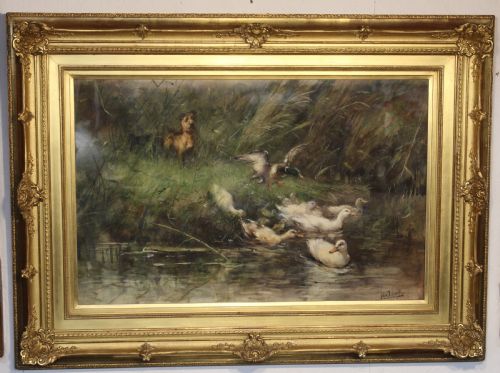
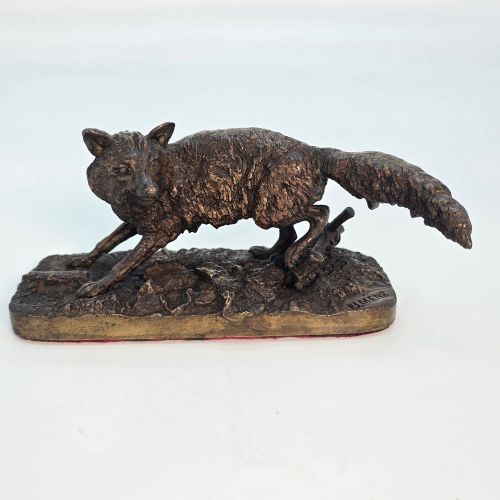
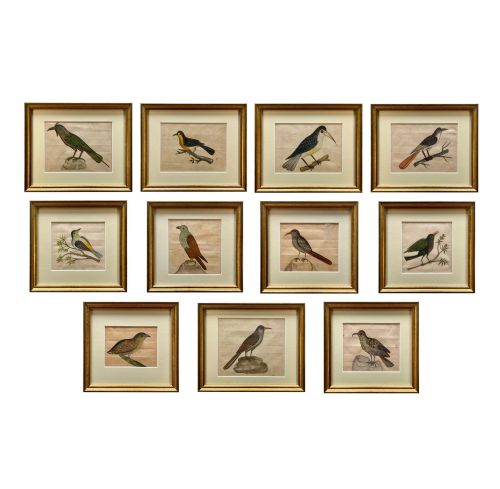
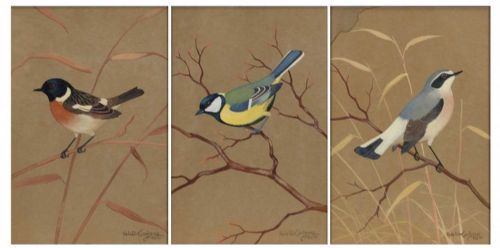
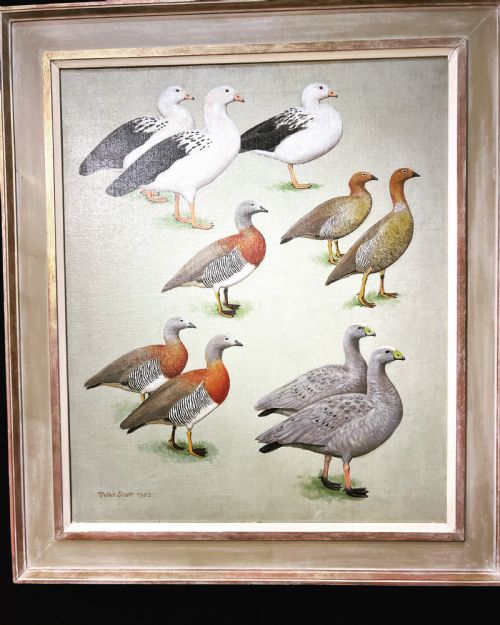
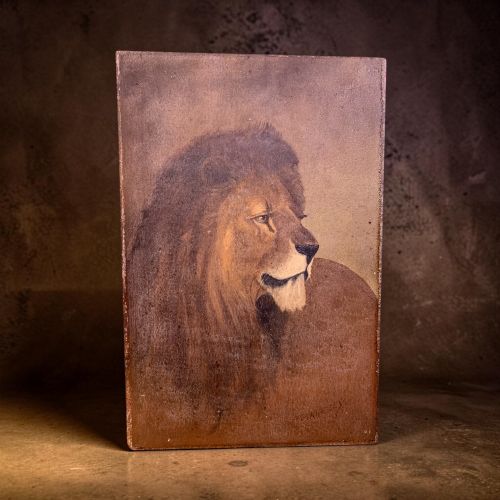
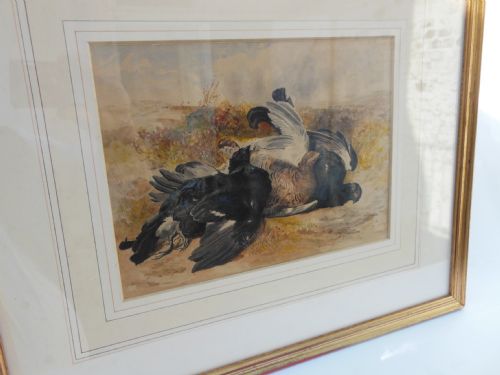
An antique wildlife study brings together painted and sculpted representations of animals created across the nineteenth and twentieth centuries. These works range from framed watercolours and oil paintings on canvas and paper to detailed bronze and hardwood sculptures.
Buyers will encounter various stylistic approaches on this page, including British Naturalism, Victorian art, folk art, and Japanese Meiji period bronzes. Pieces span domestic birds and garden wildlife alongside exotic predators such as lions, leopards, and elephants.
The selection includes specific artist-attributed watercolours and drawings alongside naive folk art portraits and Black Forest wood carvings. Each piece records the natural world through the specific lens of its period and maker.
Materials and methods
Bronzes are cast using traditional methods, often receiving cold-painted details or mounted on bases such as green onyx. Sculptors also utilise carved hardwood combined with bone elements to achieve varied textures.
Two-dimensional works employ oil paint and watercolour on paper or canvas. Artists utilised fine brushwork to render plumage, fur, and anatomical precision in natural settings.
Antique Wildlife Study Retail Price Guide 2026
Typical asking prices for wildlife study among the pieces listed under this phrase on Sellingantiques today, from the lower quarter to the upper quarter. They describe what is for sale here now, not the wider market.
Listings feature works spanning the nineteenth and twentieth centuries, utilising wood, paper, bronze, watercolour, canvas, oil paint, bone, and hardwood.
Judging quality in wildlife studies
Quality rests upon the artist's command of anatomy and movement, separating stiff renderings from convincing portrayals of posture and tension. Cast definition in bronzes and the preservation of pigment in watercolours dictate the standing of a piece.
The cohesion of the materials, whether the grain of a carved hardwood hippopotamus or the integration of a bronze sculpture with its onyx mount, determines the integrity of the work.
Sir Peter Markham Scott·Ralston Gudgeon·Tsunemitsu·P J Mêne·Arthur Wardle·Louis Riche·John Macallan Swan·Paul-Louis Barruel·Cuthbert Edmund Swan
The Antique Wildlife Study Glossary
- Animalier
- A nineteenth-century artistic movement focused on the realistic depiction of animals, particularly in sculpture. Practitioners captured beasts in motion or repose with anatomical precision.
- Cold-painted bronze
- A technique where bronze sculptures are painted with polychrome oil or enamel paints after casting. The paint sits on the metal surface rather than being fired.
- Black Forest carving
- Wood carving originating from the mountainous region of central Europe, typically executed in limewood or walnut. These pieces frequently depict local fauna such as deer and bears.
- Meiji period
- The era of Japanese history lasting from eighteen sixty-eight to nineteen twelve. Metalworkers during this time produced intricate bronze sculptures of wildlife and combat scenes.
- Naive art
- Artwork created by individuals without formal academic training, often characterised by a flat perspective and direct charm. In wildlife studies, this style yields engaging portraits with distinct character.
Antique Wildlife Study: Frequently Asked Questions
What is an animalier bronze?
An animalier bronze is a sculpture focusing primarily on animals, created largely during the nineteenth century by artists who specialised in wildlife subjects.
These pieces capture creatures in dynamic or resting poses, often cast with significant attention to anatomical detail and muscular tension.
How should I care for watercolour studies?
Watercolour studies on paper require protection from direct sunlight to prevent the fading of delicate pigments over time. Framing with acid-free mountboard ensures the paper remains stable and preserved.
Keep these works in rooms with stable humidity levels to avoid warping the paper or damaging the surrounding mount.
Are Black Forest carvings made of wood?
Black Forest carvings are executed in wood, typically utilising hardwoods such as walnut or linden carved with fine detail. Sculptors rendered local animals, including deer and game birds, with textured surfaces mimicking fur and feathers.
These carved wooden studies often functioned as decorative items or functional objects within nineteenth-century interiors.
What distinguishes Meiji period bronzes?
Meiji period bronzes originate from late nineteenth-century Japan and are noted for meticulous surface detailing and complex subject matter. Artisans often depicted dramatic wildlife scenes, such as elephants and tigers in combat.
The casting technique achieved fine textures on both the animal subjects and their naturalistic settings.