





Antique Whisky Dram Glass
These antique whisky dram glass pieces are small, spirited vessels made for enjoying a hearty measure, and collectors prize them for their rich history and tactile weight.
Antique Whisky Dram Glass
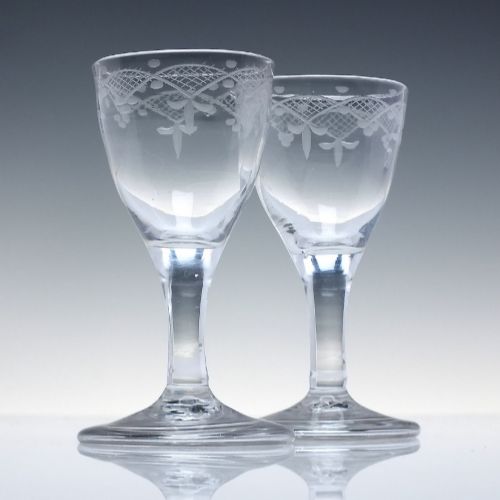
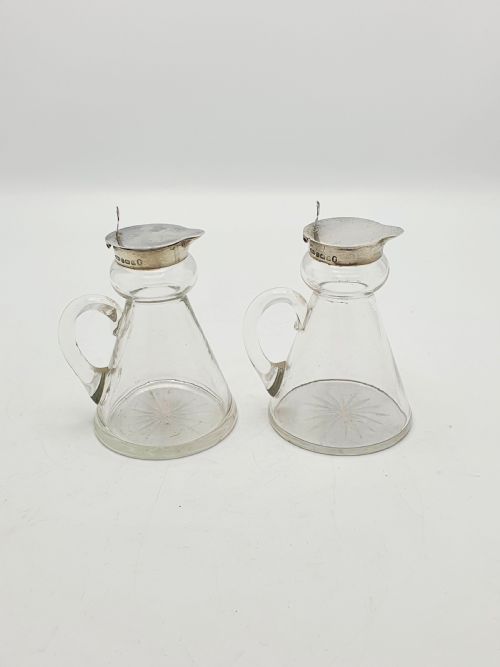
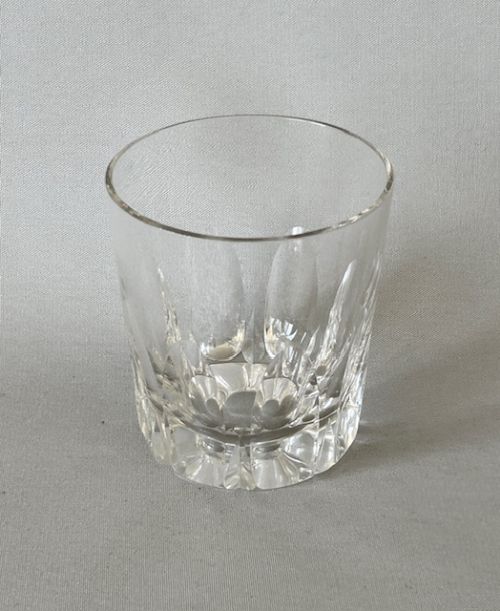
When you search for an antique whisky dram glass, you encounter a specialised selection of small drinking vessels, noggins, tots, and spirit flasks dating from the eighteenth century to the twentieth century. The forms range from simple Georgian cut whiskey dram glasses and eighteenth-century engraved examples with folded feet to Victorian cut glass tumblers and silver-mounted whisky noggins from the Edwardian period and the 1930s.
You are most likely to meet sturdy lead crystal and clear glass tumblers or silver-capped noggins bearing hallmarks from makers such as Hukin & Heath and Elkington. These pieces span Georgian, Victorian, Edwardian, and Art Deco styles, showing how drinkers served and measured spirits across different generations.
The selection includes both glassware and barware designed specifically for whiskey, featuring sterling silver mounts, silver labels, and spirit flasks of varying proportions. Each period brings distinct characteristics, from early folded feet on eighteenth-century glasses to robust silver mounts on later twentieth-century noggins.
Materials and construction methods
Makers utilised clear glass, lead glass, and lead crystal, shaping the vessels through cutting, engraving, and blowing techniques to achieve clarity and brilliance. Early pieces exhibit hand-engraved details and folded feet, while later items incorporate heavy cut glass bodies designed to withstand regular use.
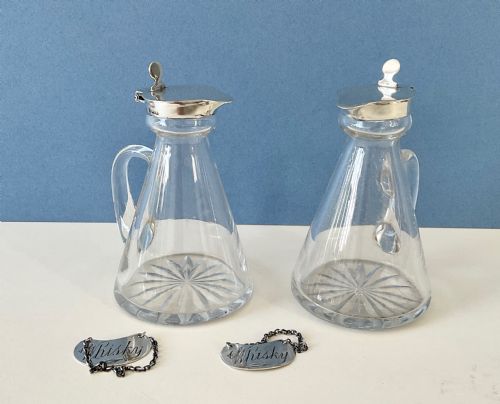
Silver plays a structural and decorative role, with sterling silver mounts, solid silver gilt, and silver caps fitted securely to glass bodies. Silversmiths stamped these mounts with hallmarks and paired the vessels with dedicated silver labels denoting the contents.
Antique Whisky Dram Glass Retail Price Guide 2026
Typical asking prices for whisky dram glass among the pieces listed under this phrase on Sellingantiques today, from the lower quarter to the upper quarter. They describe what is for sale here now, not the wider market.
Listings feature items spanning the Georgian, Victorian, and Edwardian periods, constructed from clear glass, cut glass, and sterling silver.
Distinctions in quality
Quality rests upon the crispness of the glass cutting, the depth and clarity of any hand engraving, and the weight of the metal components. Superior pieces demonstrate precise facet cutting and well-proportioned silver mounts that fit the glass body without excess solder.
The integration between silver mounts and glass vessels dictates the overall calibre of a noggin or flask. Examples retaining clear hallmarks, original silver labels, and undamaged folded feet or thick bases command greater appreciation from collectors.
Hukin & Heath·Elkington
The Antique Whisky Dram Glass Glossary
- Dram glass
- A small drinking vessel traditionally sized for a single measure of spirits. These pieces often feature thick bases or cut glass decoration.
- Noggin
- A small mug or vessel used for measuring and serving liquor, typically fitted with a silver mount, handle, and pouring lip.
- Lead crystal
- A high-clarity glass containing metal oxides that increase refractive index and weight, allowing for deep, sharp facet cutting.
- Folded foot
- A rim turned under at the base of a glass during manufacture to strengthen the edge and add stability. This technique is frequently seen on eighteenth-century drinking vessels.
- Spirit flask
- A portable container designed for carrying liquor, often constructed from heavy cut glass with a secure silver cap and mount.
Antique Whisky Dram Glass: Frequently Asked Questions
What is an antique whisky noggin?
A whisky noggin is a small, handled decanter or measuring vessel, usually made of cut glass with a sterling silver mount and a matching silver label.
These pieces were designed to hold a personal measure of spirits at the dining table or sideboard, often accompanied by a small stopper or cap.
How do I date an old dram glass?
Dating relies on stylistic clues such as folded feet on eighteenth-century examples, specific facet-cutting patterns from the Georgian era, and silver hallmarks on later pieces.
Official assay office marks and date letters on the silver mounts of Victorian and Edwardian noggins provide precise years of manufacture.
Were these glasses used daily?
These vessels served practical purposes in homes and establishments for pouring and measuring daily rations of whiskey.
Their robust lead glass construction and solid silver mounts ensured they withstood regular handling during social gatherings and meals.
What is the difference between a tot and a noggin?
A tot generally refers to a small open drinking glass or a simple pouring vessel, whereas a noggin specifically incorporates a handle and a silver rim or mount.
Both items belong to the broader category of barware intended for dispensing individual measures of spirits.