





Antique Welsh Low Table
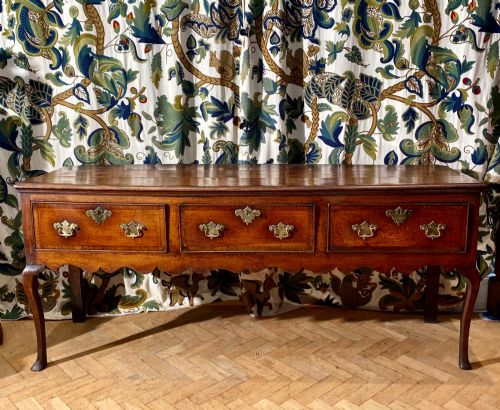
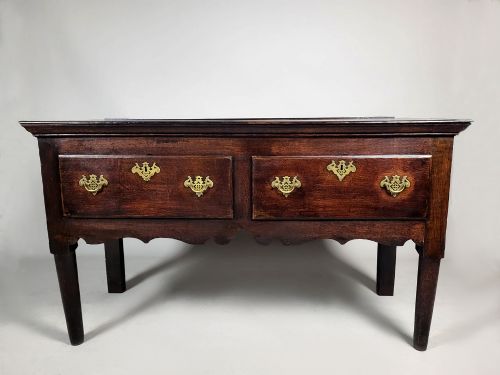
An antique welsh low table offers low-slung utility and honest country craft, built from robust oak and elm to anchor a room.
Antique Welsh Low Table
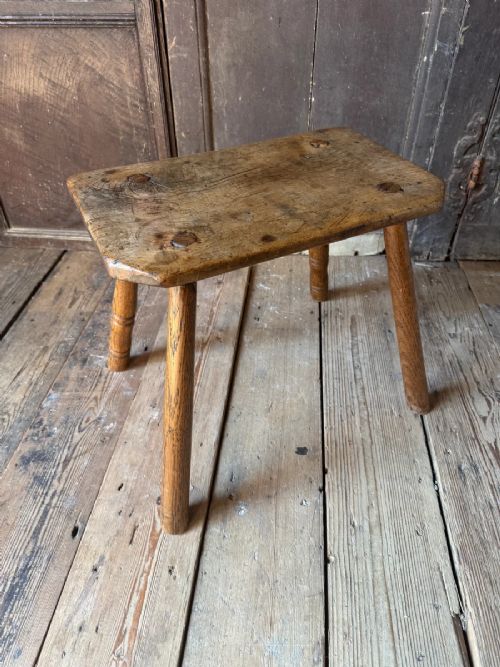
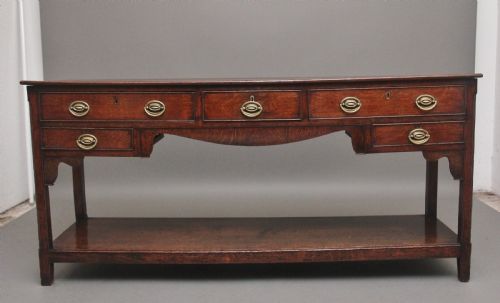
When you search for an antique welsh low table, you encounter vernacular lowboy tables, low dresser bases, and occasional tables dating from the eighteenth and early nineteenth centuries. These pieces emerge from Georgian and country traditions, serving practical domestic roles in kitchens and living spaces.
The low profile distinguishes these tables, often built with side or centre table proportions and sometimes featuring fretted aprons or cabriole legs. Oak dominates the form, accompanied by occasional elm or sycamore variants shaped by regional makers.
How they were made
Local joiners built these tables primarily using solid oak, often paired with secondary woods like ash, elm, and sycamore for framing or secondary surfaces. Construction relied on traditional mortise and tenon joints, hand-planed boards, and turned legs.
Hardware such as brass handles and pulls appeared on drawer-fitted variants from the Georgian period. Timber was locally sourced and seasoned, leaving tool marks and grain patterns visible across tabletops and aprons.
Antique Welsh Low Table Retail Price Guide 2026
Typical asking prices for welsh low table among the pieces listed under this phrase on Sellingantiques today, from the lower quarter to the upper quarter. They describe what is for sale here now, not the wider market.
What varies in quality
Quality rests in the selection of timber and the crispness of hand-carved details, such as fretted aprons and turned supports. Superior examples retain original brasses, uncompromised timber thickness, and crisp joinery without excessive modern restoration.
Proportion and surface patination dictate desirability among country furniture. Tables displaying honest wear, rich colour in the oak, and untouched structural elements stand apart from heavily sanded or altered pieces.
The Antique Welsh Low Table Glossary
- Lowboy
- A small oak or elm table with one or more rows of drawers, standing on relatively short legs. It served various domestic functions including as a dressing or side table.
- Potboard
- A lower board or shelf fitted between the legs of a dresser base or low table. It provided open storage for pots and heavy kitchen utensils.
- Fretted apron
- A decorative wooden panel beneath the tabletop pierced with geometric or scroll patterns. It lightens the heavy proportions characteristic of country furniture.
- Cabriole leg
- A furniture leg that curves out gracefully and tapers inward to a foot. This style reflects sophisticated Georgian influence on regional cabinet work.
- Vernacular
- Everyday furniture made by regional craftsmen for local use rather than high-style urban workshops. It prioritises utility and local material availability.
Antique Welsh Low Table: Frequently Asked Questions
What is an antique welsh low table used for?
These low tables function well as side tables, occasional tables, or lamp tables in modern interiors. Their compact height and surface area suit entryways and living rooms.
Historically, similar low forms served for food preparation or domestic storage in country houses. Today, they provide character and sturdy surface space without dominating a room.
How do I identify an 18th-century low table?
Examine the timber construction for hand-cut joints, pit sawing marks, and pegged tenons. Eighteenth-century examples show deep patination and hand-planed board surfaces.
Check for period-appropriate hardware, such as brass pulls affixed to drawer bases, and signs of genuine wear accumulated through generations of domestic use.
Are these tables made entirely of oak?
Oak is the predominant timber found in these regional tables, valued for its strength and availability. Cabinetmakers frequently utilised secondary woods like ash, elm, and sycamore for internal framing.
Tabletops and structural legs typically remain solid oak, while occasional variants incorporate elm or mixed country hardwoods depending on the regional workshop.
How do I care for antique oak furniture?
Maintain stable indoor humidity levels to prevent the solid oak and country timbers from splitting or shrinking. Keep the tables away from direct heat sources and strong sunlight.
Apply a traditional beeswax polish occasionally to nourish the wood and preserve the surface sheen. Avoid modern silicone sprays that can damage historic patination.