





Antique Water Boiler
These antique water boiler pieces are heavy metal kettles, samovars, and tea urns designed to heat water for tea, built to last and look impressive on a sideboard.
Antique Water Boiler
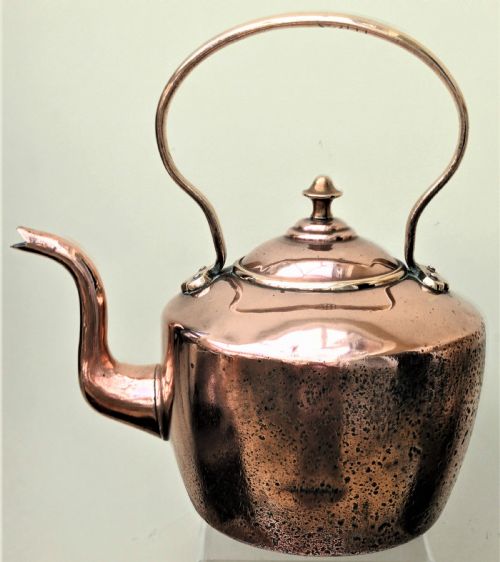
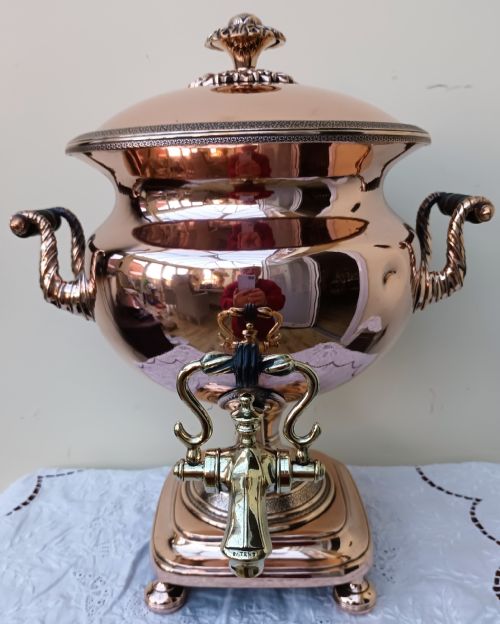
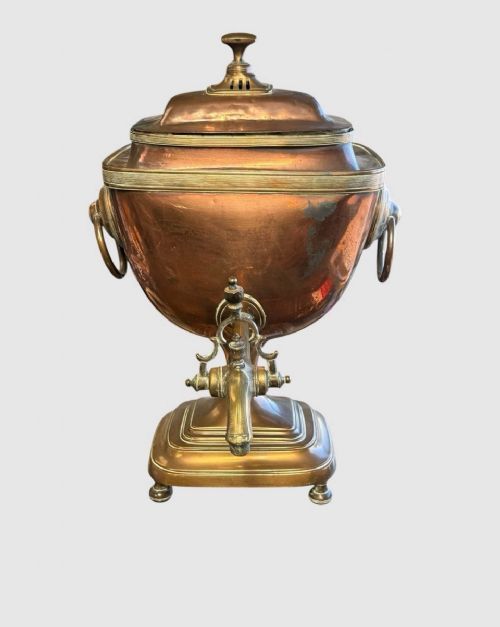
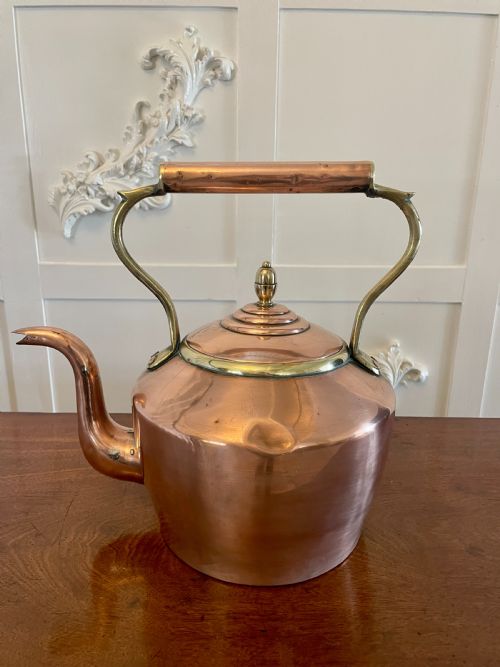
When you search for an antique water boiler, you encounter utilitarian and decorative vessels designed for heating and dispensing hot water. The most common forms on this page are copper kettles and samovars originating from the Georgian and Victorian periods.
The objects range from sturdy everyday copper kettles to large, ornate Victorian samovars and tea urns. These pieces reflect the central place of tea and hot water preparation in nineteenth-century domestic life.
Originating predominantly from English workshops, these items combine practical function with substantial decorative presence. They span the nineteenth century, including specific dates from eighteen hundred, eighteen fifty, and eighteen sixty.
How they were made
Makers constructed these vessels primarily from heavy gauge copper and brass, hammering and joining the metal sheets by hand. Artisans incorporated secondary materials such as bone, glass, and ebonised wood for handles, knobs, and spigot fittings to insulate against heat.
The construction methods focus on durability and heat retention, utilising riveted seams and solid metal casting for spouts and handles. Surface finishes range from polished warm copper to patinated brass and dark ebonised wooden accents.
Antique Water Boiler Retail Price Guide 2026
Typical asking prices for water boiler among the pieces listed under this phrase on Sellingantiques today, from the lower quarter to the upper quarter. They describe what is for sale here now, not the wider market.
Materials recorded across the inventory include copper, brass, bone, glass, and ebonised wood.
What varies in quality
Quality in these vessels rests on the weight of the metal and the precision of the hand-formed joints. Heavier gauge copper and well-balanced brass fittings indicate superior construction designed for rigorous daily use rather than light display.
Artisanal detail in the handles, taps, and finials separates standard kitchenware from exceptional decorative pieces. The inclusion of materials like bone and glass alongside finely turned ebonised wood marks out the more ambitious examples.
The Antique Water Boiler Glossary
- Samovar
- A heated metal container traditionally used to boil and heat water in Russia and throughout Europe. These large urns often feature an internal vertical metal tube for charcoal or a spigot at the base.
- Tea urn
- A large vessel used for holding and dispensing hot water for tea service. They sit on a fixed base and frequently incorporate brass spigots and handles.
- Ebonised wood
- Timber treated with a dark finish to imitate expensive ebony wood. Makers used this material for kettle handles and insulated knobs to prevent heat transfer.
- Georgian
- A design period spanning the reigns of the first four British monarchs named George, lasting from seventeen fourteen to eighteen thirty. Pieces from this era show early neoclassical or traditional proportions.
Antique Water Boiler: Frequently Asked Questions
What is an antique water boiler used for?
These vessels were historically utilised to heat and store boiling water for tea preparation in domestic settings. Large samovars and urns sat on sideboards to provide a continuous supply of hot water during social gatherings.
Today, collectors use them primarily as decorative focal points in kitchens, dining rooms, and living spaces. Their substantial metallic presence brings warmth and historical character to a room.
How do I tell a Georgian boiler from a Victorian one?
Georgian pieces, dating from around eighteen hundred, typically display simpler, classical proportions and restrained decorative details. They reflect the architectural and design priorities of the late eighteenth and early nineteenth centuries.
Victorian pieces, spanning the mid to late nineteenth century, often incorporate heavier ornamentation and larger dimensions. They utilise varied materials like ebonised wood and brass accents to create a more robust visual impact.
Are these boilers safe to use for boiling water today?
Most of these antique vessels are sold and displayed as decorative collectibles rather than functional kitchen appliances. Over time, internal linings and historical solder joints can degrade or contain materials unsuitable for modern consumption.
If you intend to use one for boiling water, a professional inspection of the interior and spigot mechanism is essential. Many owners prefer to enjoy them purely as polished metal display pieces.
What metals are these boilers made from?
The primary metal used across these pieces is copper, chosen for its excellent thermal conductivity and malleability. Brass frequently appears in fittings, bases, taps, and decorative trim.
Additional materials like bone, glass, and ebonised wood are integrated into handles and knobs to provide heat insulation. These mixed media elements help distinguish the age and quality of each piece.