
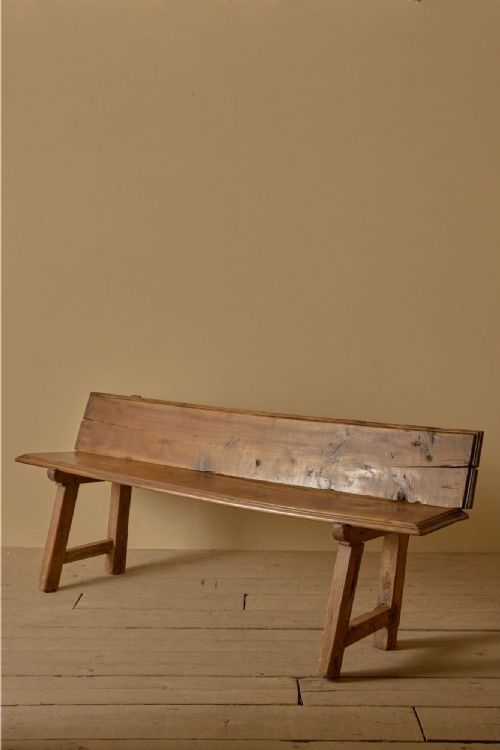
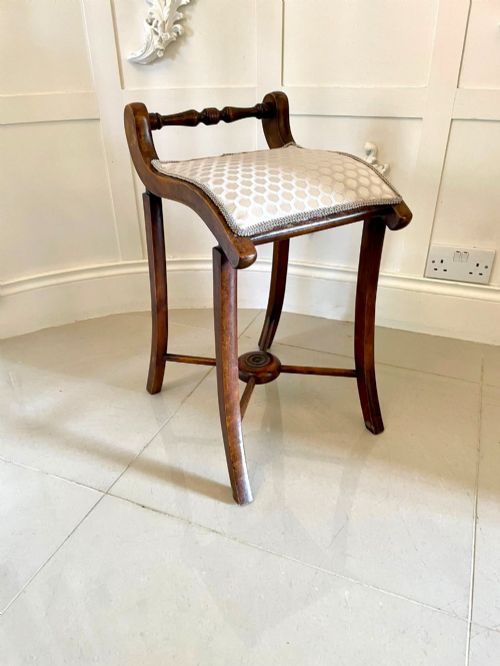
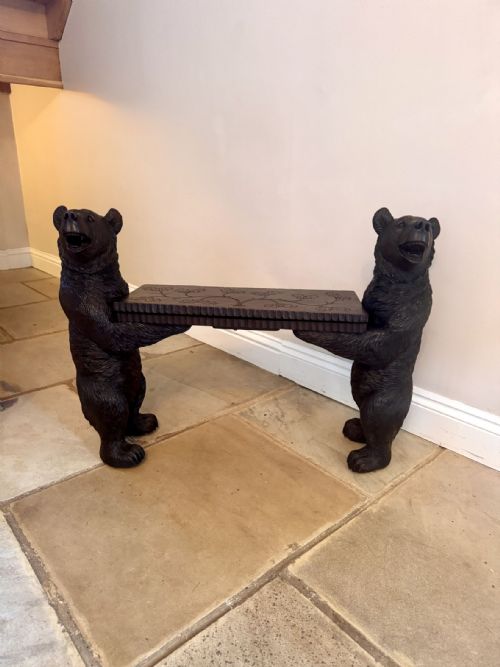
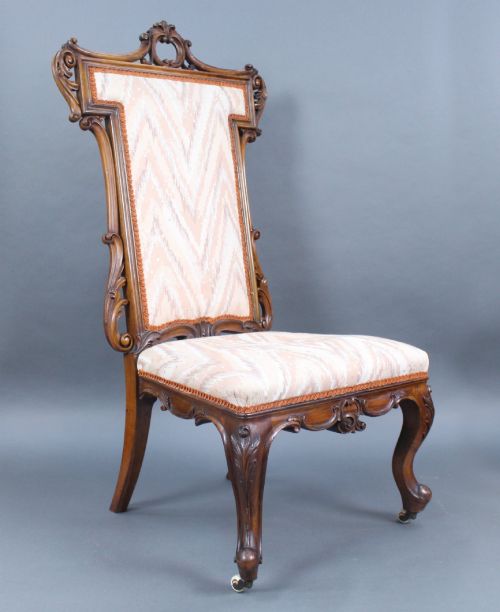
Antique Walnut Seats
These antique walnut seats span from intimate stools to grand dining sets, built to anchor a room with timber grain and enduring form.
Antique Walnut Seats
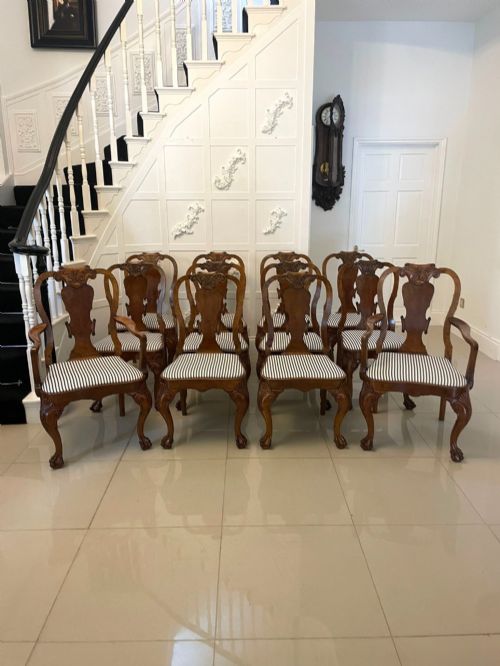
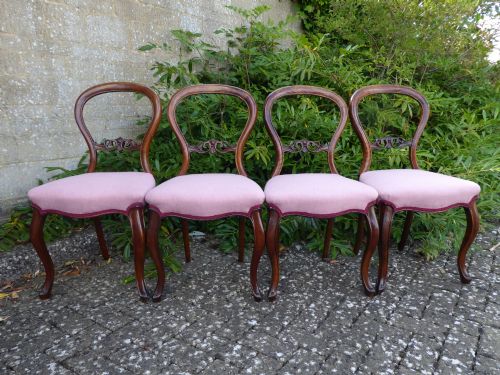
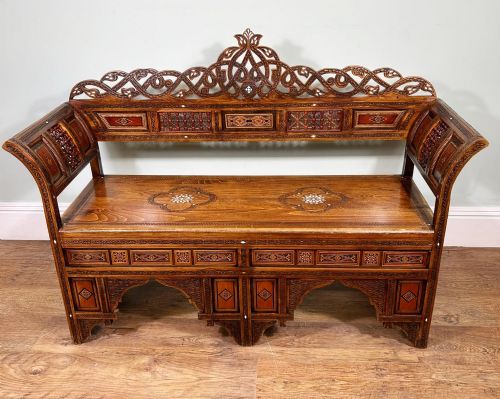
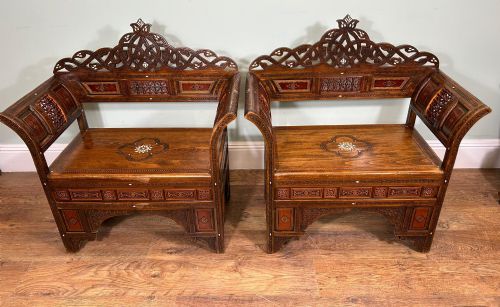
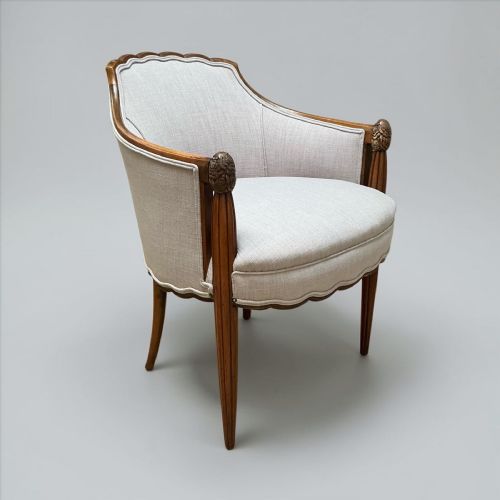
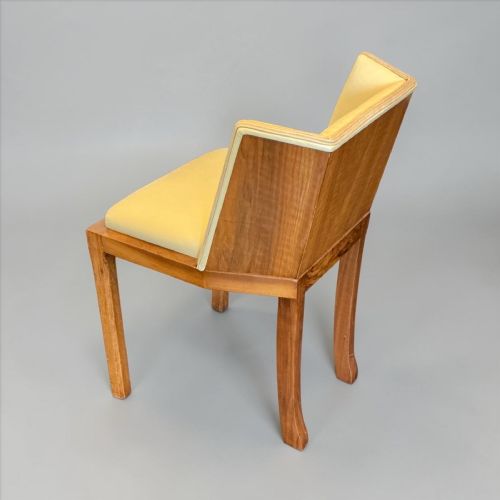
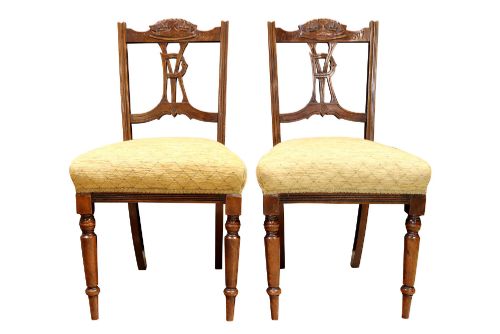
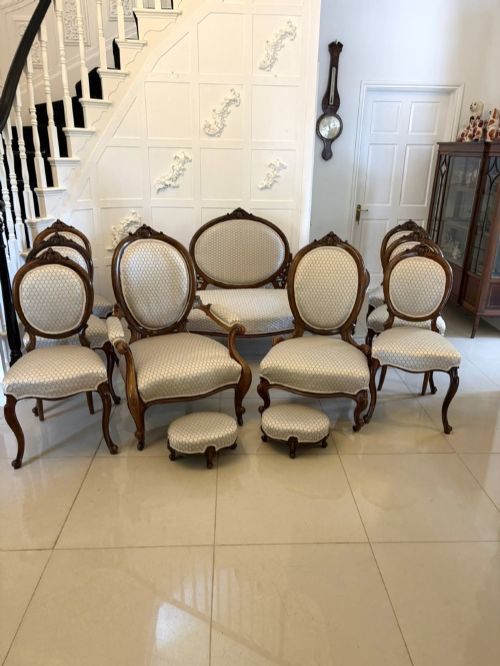
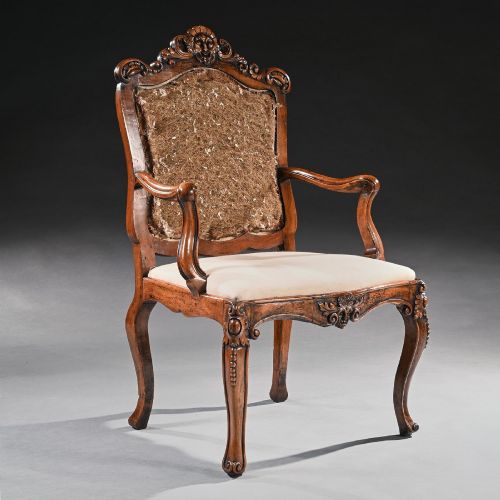
When you search for antique walnut seats, you encounter a varied assembly of chairs, stools, armchairs, and sofas shaped across several centuries. The selection ranges from robust Victorian dining sets and low footstools to refined Queen Anne armchairs and French provincial seating.
You are most likely to meet Victorian and 19th-century interpretations on this page, often featuring carved walnut frames alongside earlier 18th-century revival pieces. These forms served practical domestic roles in parlours, dining rooms, and libraries, reflecting the shifting domestic fashions of their respective eras.
The material presence is defined by rich walnut timber, frequently paired with contemporary upholstery fabrics, velvet, leather, or intricate cane panels. Makers utilised these resources to construct seating that combined structural support with decorative ambition.
How they were made
Cabinet makers constructed the foundational frames using solid walnut, burr walnut, or red walnut, sometimes enhancing the surfaces with parcel-gilding, ormolu decoration, or mother of pearl inlay. Timber selection dictated the grain pattern, allowing for figured surfaces on prominent panels and structural integrity in the legs and stretchers.
Upholstery techniques involved textiles such as tapestry, silk, leather, and fabric padding secured over webbing or cane work. Joinery methods relied on traditional peg and joint construction to sustain weight and daily use across generations.
A seated Madonna carved from walnut in the 16th century proves that not all antique seats were made for humans.
What varies in quality
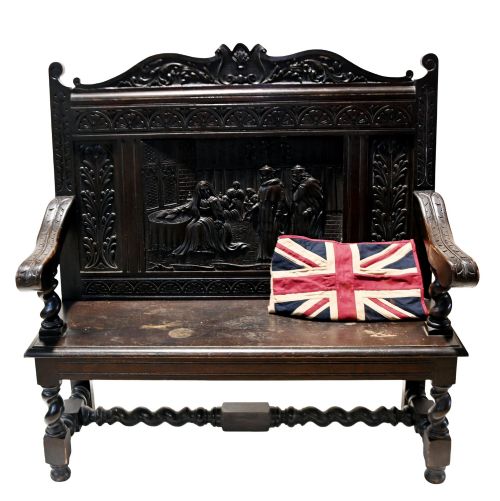
The distinction between standard domestic seating and exhibition quality works rests upon the depth of the carving and the fidelity of the period style. Master craftsmen executed crisp foliage, cabriole legs, and sculptural details with precision, whereas simpler pieces relied on plain turned members.
The integrity of the walnut timber itself, particularly the choice between standard walnut and figured burr walnut veneers, marks the higher tiers of production. Original upholstery materials like Aubusson tapestry or retained patination further elevate the standing of a piece.
Charles Tozer·Andrea Brustolon
The Antique Walnut Seats Glossary
- Cabriole leg
- A furniture leg that curves out and then in, resembling the leg of an animal. This form became characteristic of Queen Anne and Louis XV styles.
- Bergere
- An enclosed upholstered armchair with a wooden frame and cane or upholstered sides. It gained popularity in French and English domestic interiors.
- Burr walnut
- Timber taken from a tree growth or burl, yielding swirling grain patterns. Cabinet makers utilised these highly decorative veneers on prominent surfaces.
- Splat
- The vertical central strip of wood in the back of a chair. It provides structural support while offering space for carved decoration.
- Parcel-gilt
- Partially gilded with gold leaf or powder. This treatment highlighted specific carved details against the dark walnut background.
Antique Walnut Seats: Frequently Asked Questions
How do I identify a Queen Anne walnut chair?
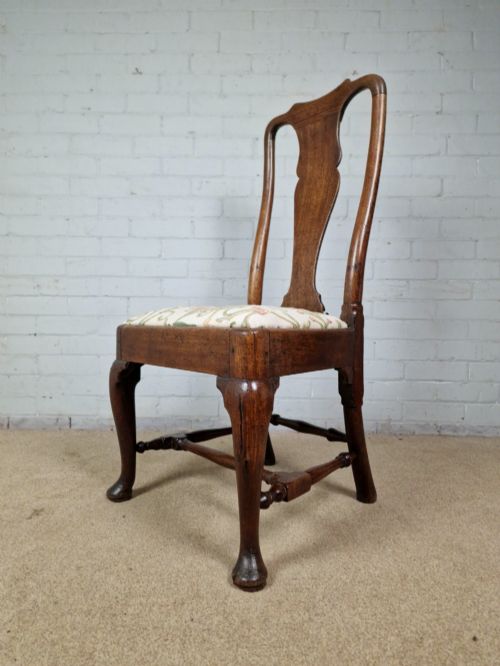
Queen Anne walnut chairs typically feature characteristic cabriole legs, pad feet, and a shaped vertical splat within a solid timber back. These elements emerged during the early 18th century and focused on curved comfort.
Revival pieces from later centuries often mimic these exact proportions, so examining the timber maturity and construction joints helps determine the actual period of manufacture.
What is the difference between a side chair and an armchair?
Side chairs are built without arms for placement around dining tables or against reception walls. Armchairs include structural side supports designed for relaxed seating in libraries and parlours.
Both forms utilise walnut frames, though armchairs often display more elaborate carving on the arm supports and terminals.
Are cane panels original on antique walnut seating?
Split cane panels appear frequently on 19th-century bergere chairs and earlier revival seating. The technique involves weaving thin strips of rattan through drilled holes in the walnut frame.
While original cane can survive with careful use, many pieces undergo re-caning to maintain structural tension for everyday seating.
How should I care for antique walnut furniture?
Antique walnut benefits from stable indoor humidity levels away from direct sunlight and heat sources. Regular dusting with a soft cloth preserves the polished timber surface.
Applying specialised wax sparingly helps nourish the grain without building up heavy residues over the original patination.