




Antique Wall Storage Unit
An antique wall storage unit solves small-room clutter with traditional joinery and period timber.
Antique Wall Storage Unit
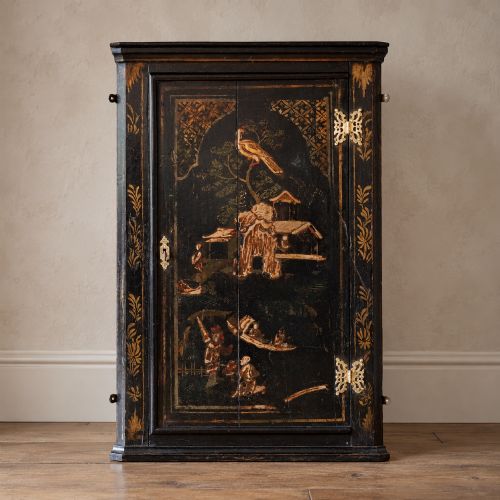
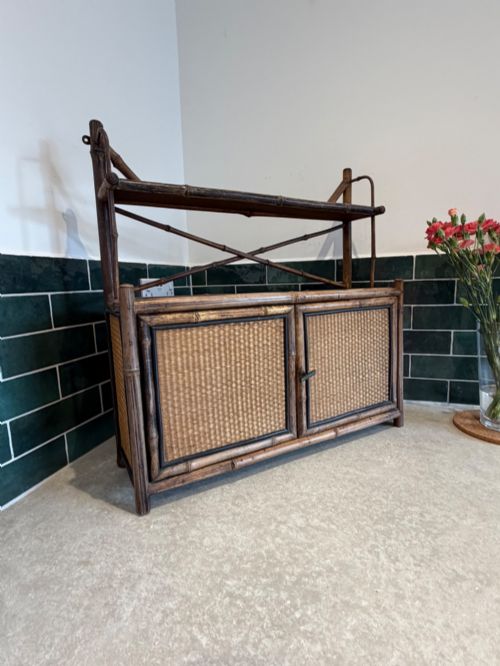
When searching for an antique wall storage unit, buyers encounter corner cabinets, hanging wall shelves, and pigeon holes designed to utilise vertical space efficiently. These pieces originate from domestic and institutional settings across the eighteenth and nineteenth centuries.
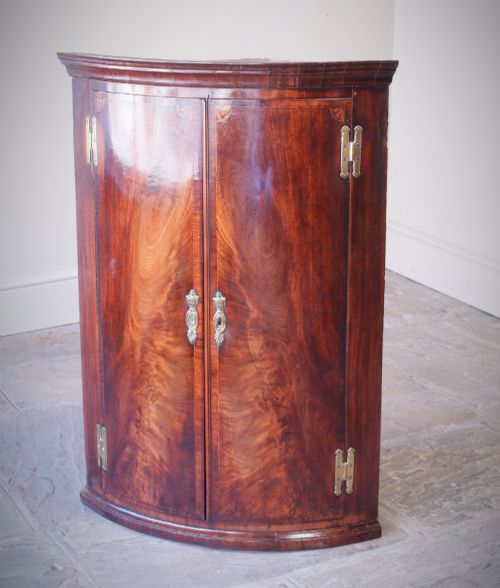
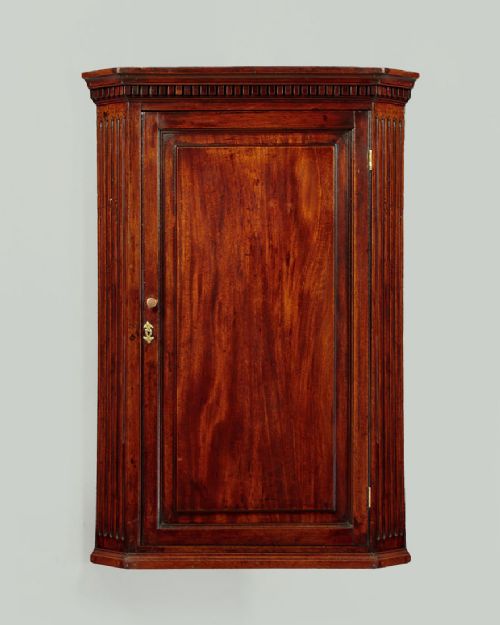
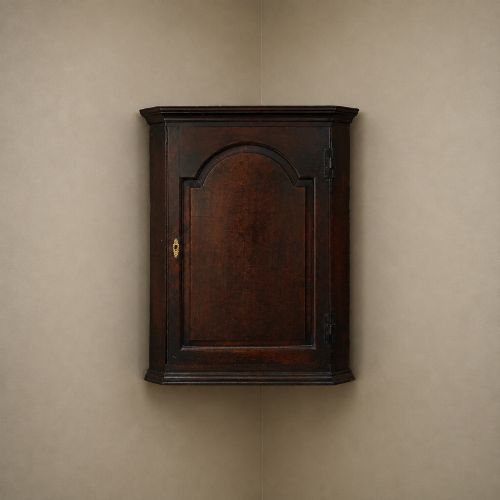
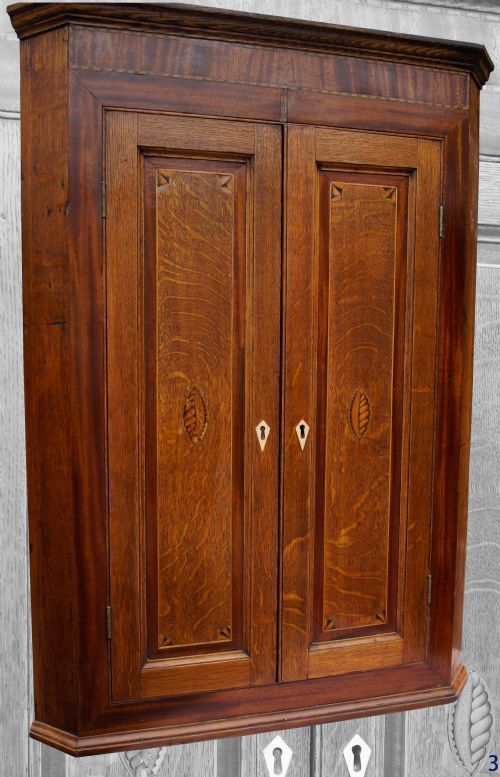
The most common form on this page is the oak or mahogany corner cupboard, often built with a bow front to fit snugly into room angles. Regional examples from Wales and France sit alongside formal George III and Victorian designs.
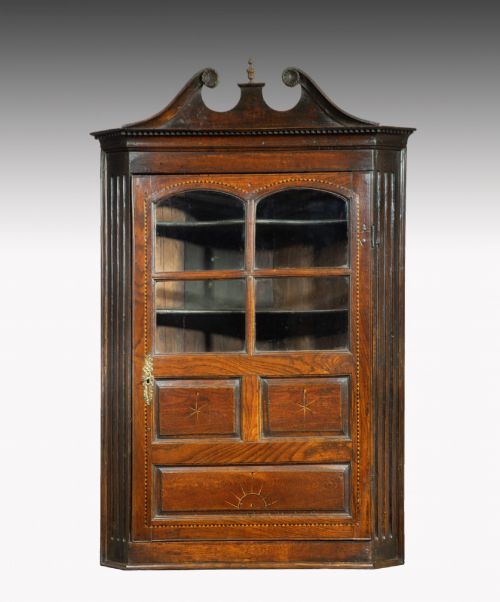
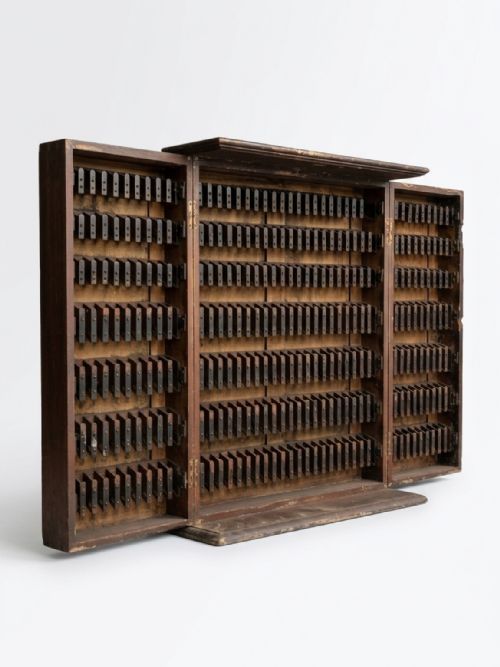
Interior layouts range from simple shelved alcove cupboards to multi-compartment ticket cabinets and display units with glass doors. Each type reflects the specific storage demands of its original period.
Materials and construction methods
Cabinet makers relied heavily on domestic and imported timbers, primarily oak, mahogany, pine, and walnut, frequently accented with satinwood inlay or brass hardware. Fruitwood and bleached oak also appear in provincial pieces.
Joinery methods include traditional dovetailing for drawers and mortise and tenon frames for doors, ensuring structural integrity without modern adhesives. Backboards typically consist of tongue and groove pine planks fastened with hand-forged iron nails or screws.
Antique Wall Storage Unit Retail Price Guide 2026
Typical asking prices for wall storage unit among the pieces listed under this phrase on Sellingantiques today, from the lower quarter to the upper quarter. They describe what is for sale here now, not the wider market.
Distinguishing quality in period storage
The distinction between standard utility cupboards and finer pieces lies in the selection of timber figures, such as flame mahogany or quarter-sawn oak, and the precision of decorative inlays. Secondary woods used for interiors also indicate the original maker's workshop standards.
Original hardware, including brass H-hinges, escutcheons, and working locks with keys, elevates a piece beyond those altered with later replacements. The crispness of carved mouldings and the tight fit of panel doors further separate workshop traditions.
The Antique Wall Storage Unit Glossary
- Bow front
- A convex curved cabinet front popular in Georgian and Regency design. This shape softens room corners while increasing internal depth.
- Pigeon holes
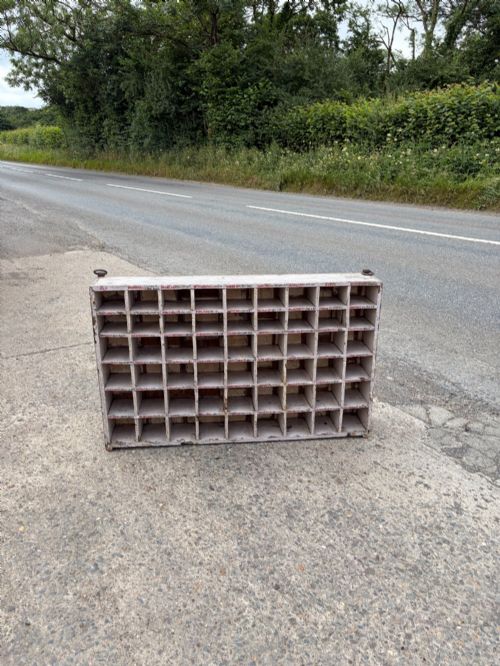
- A grid of small open compartments for sorting documents or tickets. These functional units often survive from railway offices and institutional settings.
- Whatnot
- An open-shelved cabinet designed for displaying small objects. These tiered units mount to walls or stand independently.
- Alcove shelving
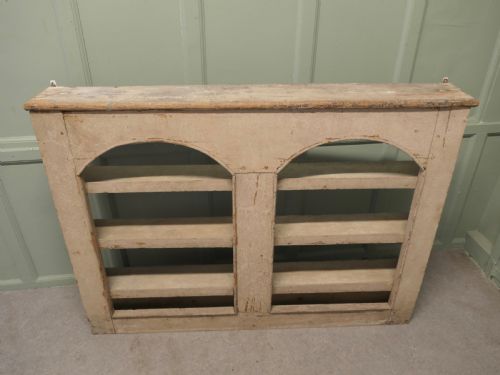
- Fitted storage built to occupy a structural wall recess. Provincial examples utilise local pine or oak.
- Satinwood inlay
- Contrasting blonde wood detailing set into darker mahogany surfaces. This decorative technique characterises late eighteenth-century Sheraton pieces.
Antique Wall Storage Unit: Frequently Asked Questions
How do I hang a heavy corner cupboard safely?
Period wall units require secure fixing directly into wall studs or masonry using appropriate brackets rather than relying solely on old hanging hooks.
Weight distribution matters because solid oak and mahogany carcases exert significant downward pull on historic screw points.
What is the difference between a corner cabinet and a wall cupboard?
Corner cabinets feature an angled back designed to fit room intersections, whereas standard wall cupboards possess flat backs for hanging on straight surfaces.
Both forms utilise wall space but serve different architectural placements within historic interiors.
How do I identify George III furniture?
George III pieces date from the mid-to-late eighteenth century and often display balanced proportions, mahogany or oak construction, and restrained classical ornament.
Finer examples incorporate satinwood stringing, brass key escutcheons, and arched panel doors.
Can pigeon holes be used in modern kitchens?
Pigeon hole units mount securely to kitchen walls for storing spices, small jars, or recipe books. Their open compartments provide visible organisation for everyday items.
Ensure the historic timber receives protection from excessive moisture and grease.