








Antique Wall Roundels
Antique wall roundels are circular decorative pieces that bring classical presence and rich texture to a room.
Antique Wall Roundels
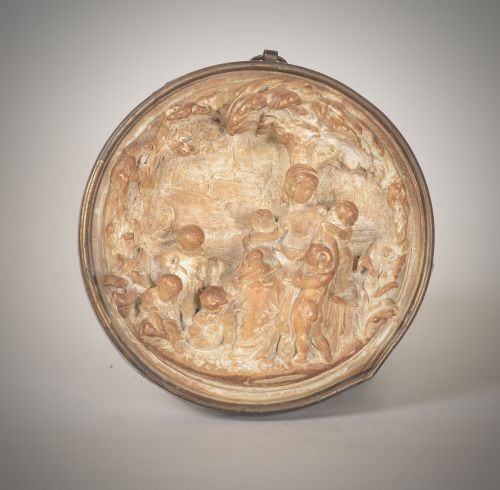
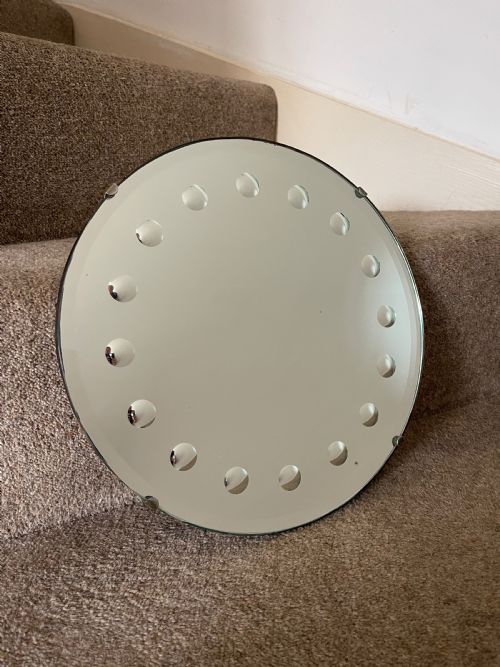
When you search for antique wall roundels, you are looking at circular plaques, panels, and mirrors designed for interior display. These pieces bring focused visual weight to a wall, often drawing the eye through their distinct geometry.
The versions you are most likely to meet on this page span the seventeenth, eighteenth, and nineteenth centuries. They appear in diverse forms ranging from grand tour plaster reliefs to architectural salvage and carved wooden panels.
Makers drew on classical revival, baroque, regency, and victorian styles to shape these circular works. Japanese lacquer and english fairground folk art also appear, showing the broad cultural reach of the roundel form.
Materials and construction methods
Carved hardwoods such as mahogany and rosewood form the structure of many circular panels and mirror frames. Artisans shaped these dense timbers with hand-carved details, often combining turned wooden frames with central pictorial elements.
Cast metals including iron, bronze, and lead provide heavy relief work and durable portrait plaques. Foundries such as coalbrookdale produced intricate cast iron pieces, while plaster and mirror glass offered contrasting tactile and reflective surfaces.
Antique Wall Roundels Retail Price Guide 2026
Typical asking prices for wall roundels among the pieces listed under this phrase on Sellingantiques today, from the lower quarter to the upper quarter. They describe what is for sale here now, not the wider market.
Napoleon and Marie-Louise Bonaparte stare out from turned mahogany frames, proving that imperial romance makes a surprisingly hardy wall decoration.
Judging the quality of roundels
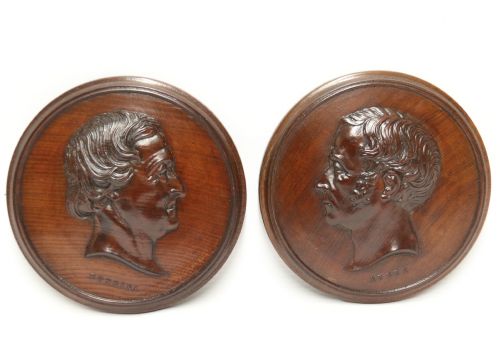
The distinction between ordinary and exceptional pieces lies in the crispness of the modelling and the depth of the carving. Superior roundels exhibit fine anatomical detail in portrait reliefs and sharply defined ornamentation across the frame.
Material integrity and the harmony between the central roundel and its original frame dictate the overall success of the piece. Matching pairs and untouched original patination on metal or wood elevate the standing of the work.
The Antique Wall Roundels Glossary
- Grand tour
- Souvenirs collected by affluent travellers on educational journeys through Europe during the eighteenth and nineteenth centuries. These often included plaster reliefs and classical reproductions.
- Coalbrookdale
- A renowned ironwork foundry in Shropshire famous for producing decorative cast iron plaques and architectural metalwork. Their products are celebrated for intricate casting quality.
- Overmantel mirror
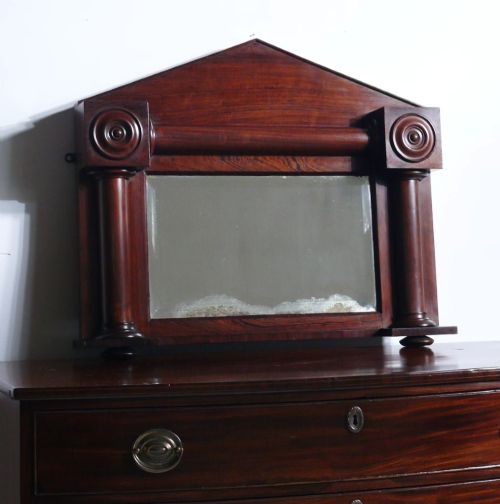
- A large mirror designed to hang directly above a fireplace mantel. They frequently incorporate circular or architectural formats suited to the domestic interior.
- Ceiling rose
- A decorative circular plaster moulding fixed to the ceiling from which a light fitting is suspended. They share ornamental motifs with wall roundels.
- Patina
- The surface sheen and colour acquired by materials such as bronze, wood, and iron through age and handling. A rich patina indicates long-term preservation without aggressive cleaning.
Antique Wall Roundels: Frequently Asked Questions
What rooms suit antique wall roundels?
These circular pieces suit hallways, living rooms, and studies where a focal point breaks up linear wall paneling. Their compact and self-contained geometry allows them to anchor narrow wall spaces or sit comfortably above furniture.
Heavier metal or carved wooden versions require secure fixings into masonry or studs. Lighter plaster and lacquer pieces hang easily on standard picture hooks while retaining strong visual impact.
How do I care for wooden roundels?
Wooden frames and carved mahogany panels benefit from stable indoor humidity away from direct heat sources. This prevents the timber from drying out and guards against separation at the joints.
Apply a microcrystalline wax sparingly to nourish the polished wood surface. Avoid liquid polishes that can seep into carved recesses and soften fine detail.
How do I distinguish cast iron from bronze?
Cast iron is heavier, magnetic, and often shows a darker painted or oxidised surface finish. It tends to hold crisp lines from industrial sand-casting techniques common in the nineteenth century.
Bronze is non-magnetic, richer in metallic tone, and typically allows for finer chased detailing after casting. Bronzed lead and cast metal alloys also appear, imitating the heavier bronze appearance.
Are pairs of roundels common?
Matched pairs appear frequently in portrait plaques and decorative panels, often depicting historical figures or classical scenes. Makers originally designed these as balanced sets for symmetrical interior display.
Acquiring a matched pair offers greater decorating flexibility for flanking doorways or fireplaces. Single surviving roundels remain popular as standalone focal points.