

Antique Wall Portrait
An antique wall portrait brings character and historical depth into a room through oil paintings, engravings, and mirrors.
Antique Wall Portrait
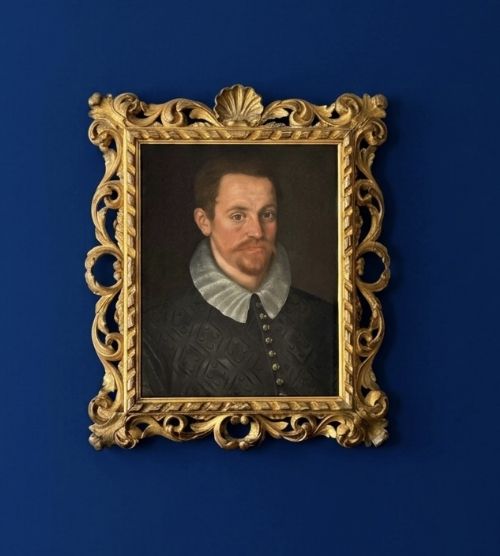
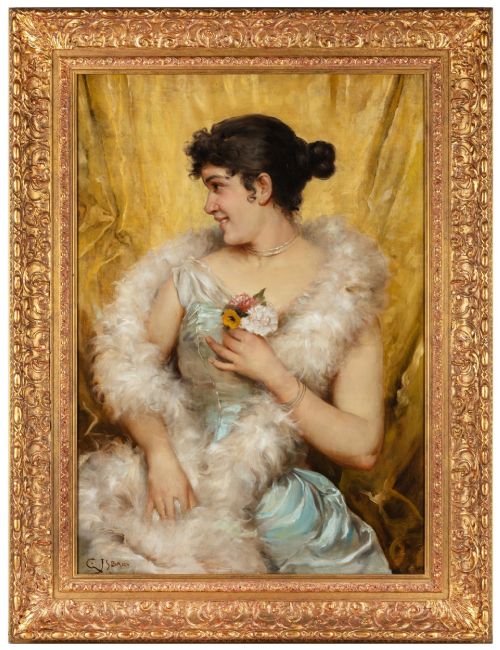
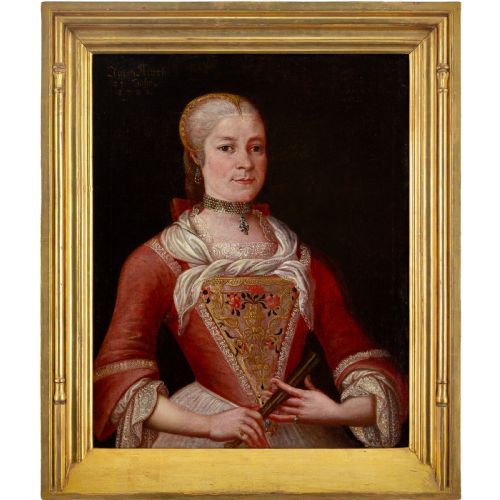
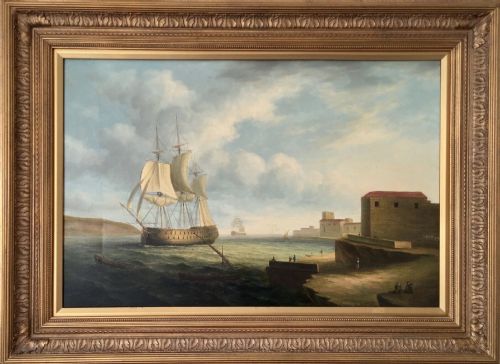
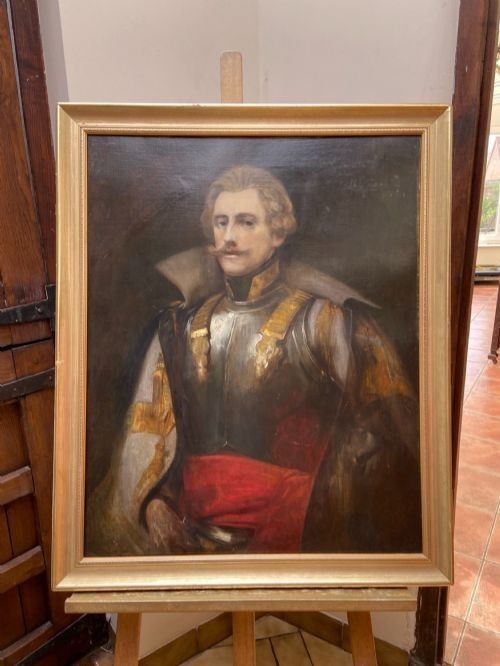
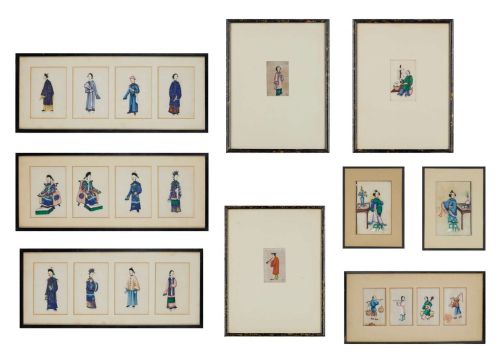
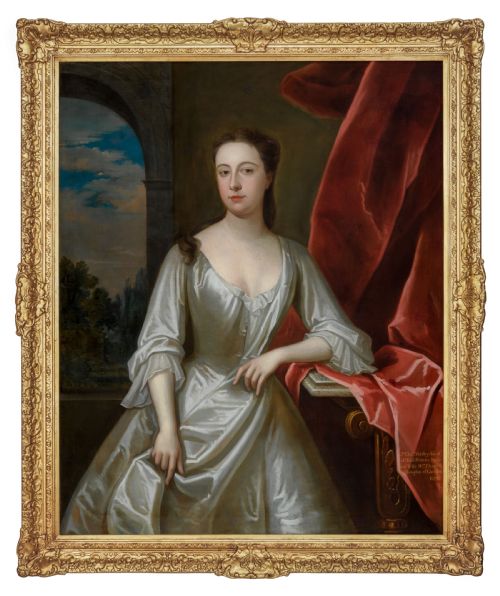
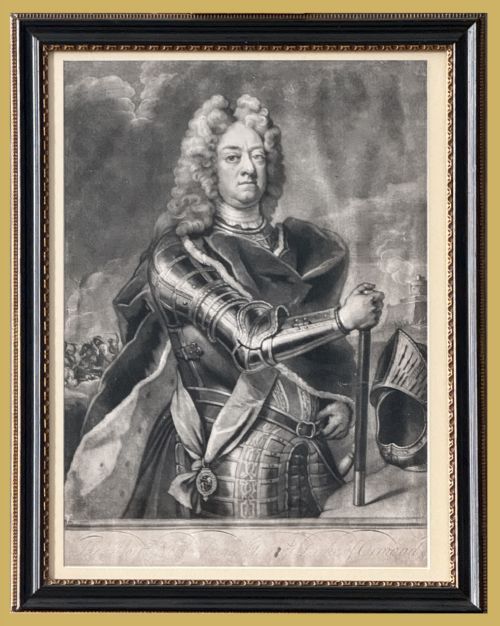
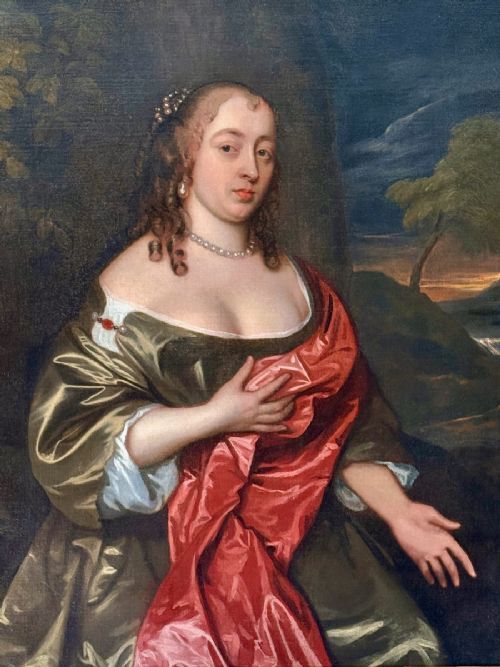
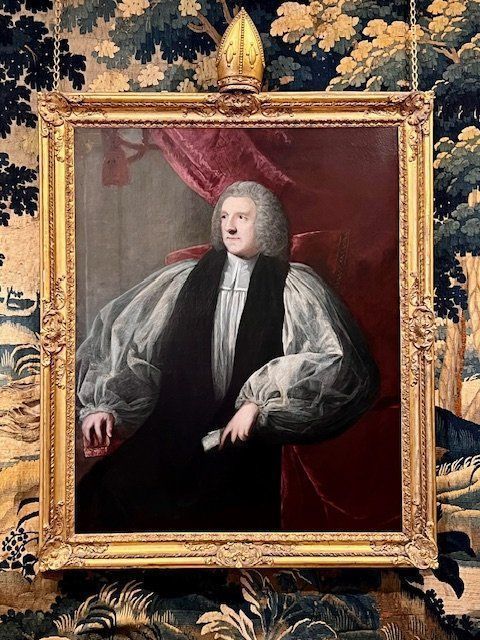
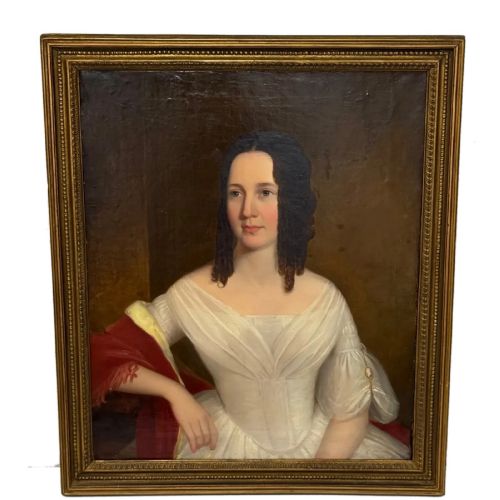
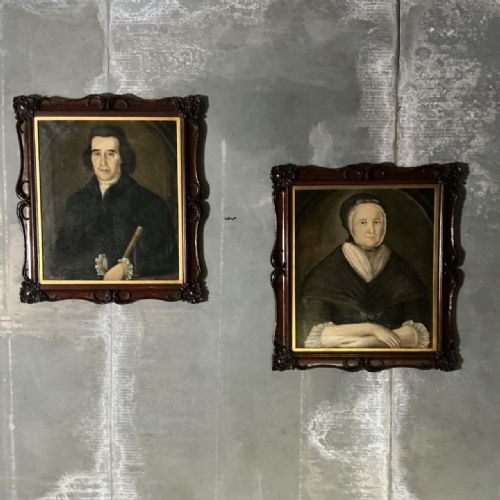
An antique wall portrait encompasses framed oil paintings, pastel drawings, mezzotints, and portrait mirrors dating from the 17th century through the mid 20th century. These works capture specific historical individuals, noblewomen, and classical figures rendered by various European and British schools.
Buyers exploring this selection encounter diverse formats, ranging from large canvas oil paintings by notable circles and printmakers to carved giltwood and walnut hanging mirrors shaped for vertical display.
The material record spans centuries, incorporating wood, glass, paper, gold leaf, and porcelain plaques alongside traditional canvas supports.
How They Were Made
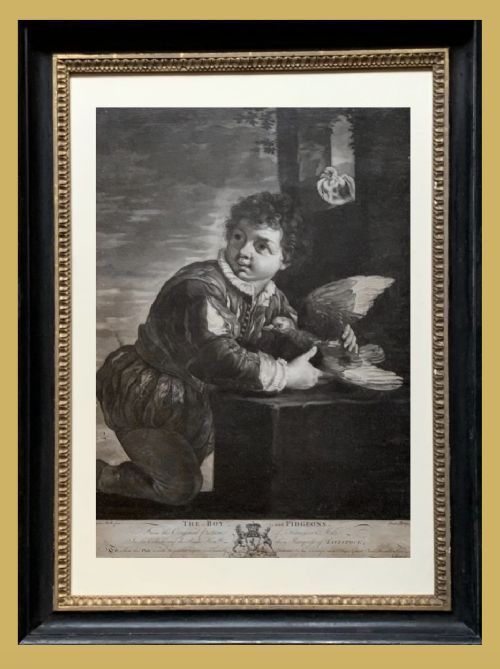
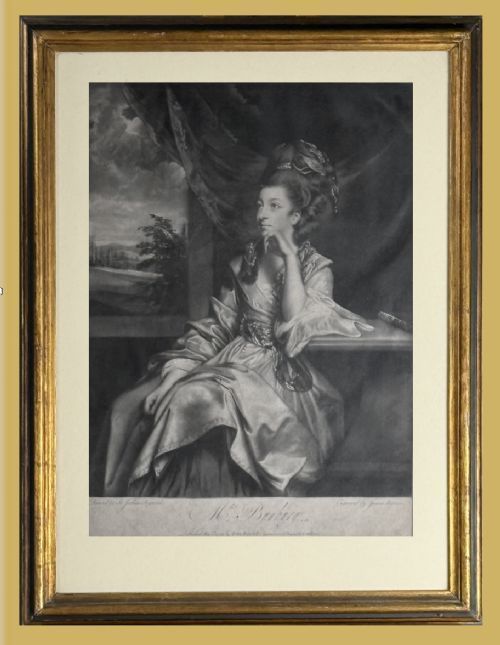
Painters applied oil paint to stretched canvas or wooden panel supports, often utilising rich pigments and detailed brushwork to delineate elaborate historical costumes and facial expressions. Printmakers employed techniques such as stipple engraving and mezzotint on paper to reproduce celebrated painted works.
Frames and mirror surrounds utilised carved wood, gesso, and giltwood, frequently incorporating walnut, mahogany, or pine in styles reflecting Georgian, Baroque, and Victorian cabinetmaking traditions.
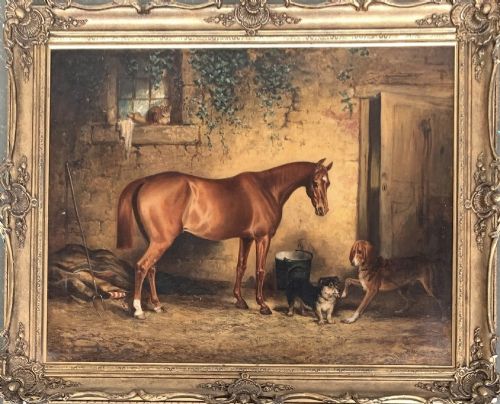
Several portraits quietly record the steady gaze of historical subjects alongside depictions of domestic animals and birds.
What Varies in Quality
Quality rests upon the skill of the execution, distinguishing studio works and named artists from routine decorative output. Finer portraits exhibit superior handling of light, expression, and anatomical proportion.
The integrity of the frame and support medium further distinguishes individual pieces, with period carved giltwood frames and original canvas stretched grounds commanding greater historical regard.
John Hayls·Sir Joshua Reynolds·John Smith·James Watson·Joseph Clover
The Antique Wall Portrait Glossary
- Mezzotint
- A printmaking process of the intaglio family where the plate is roughened to produce dark tones and scraped to produce light areas. This technique allowed printmakers to replicate oil portraits with tonal gradation.
- Giltwood
- Wood that has been coated with gold leaf or gold paint. Carved frames utilising this finish frequently accompany 18th and 19th century wall art.
- Stipple Engraving
- A method of producing prints by means of dots rather than lines. Francesco Bartolozzi utilised this technique to translate detailed portraiture onto paper.
- Chippendale Style
- An 18th century design idiom characterised by carved walnut and mahogany frames with scrolled or fretwork details. Mirrors and wall hangings of this aesthetic often feature distinct classical motifs.
Antique Wall Portrait: Frequently Asked Questions
What periods do these wall portraits span?
The available selection covers items from the 17th century through to the 1930s, encompassing Georgian, Regency, and Victorian eras.
Specific pieces reflect the distinct artistic conventions and framing styles popular during these various historical periods.
How do oil paintings differ from mezzotints?
Oil paintings are original hand-painted works executed directly onto canvas or wooden panels using coloured pigments.
Mezzotints are printed reproductions on paper created through specialised engraving plates to capture tonal variations of original artworks.
How should I hang an antique portrait?
Ensure your wall fixings match the weight and structure of the specific wooden or gilt frame.
Consider eye-level placement and stable room conditions away from direct sunlight to preserve canvas and paper materials.