

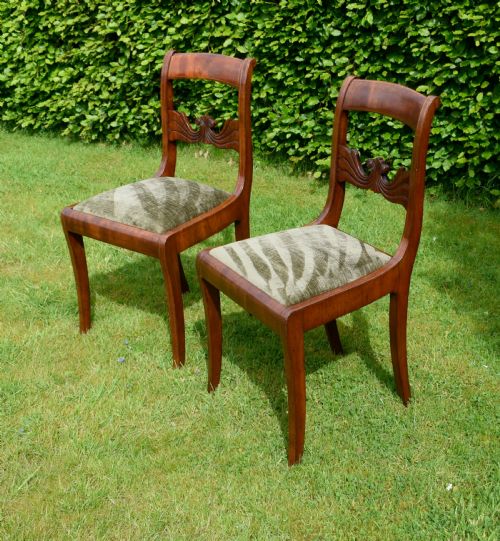


Antique Velvet Hall Chair
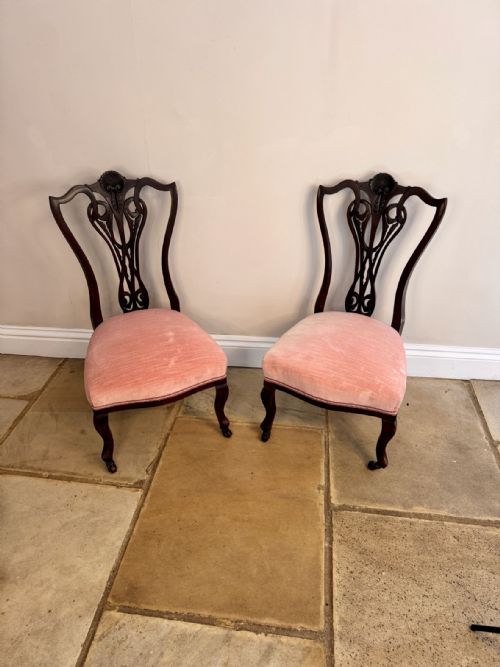
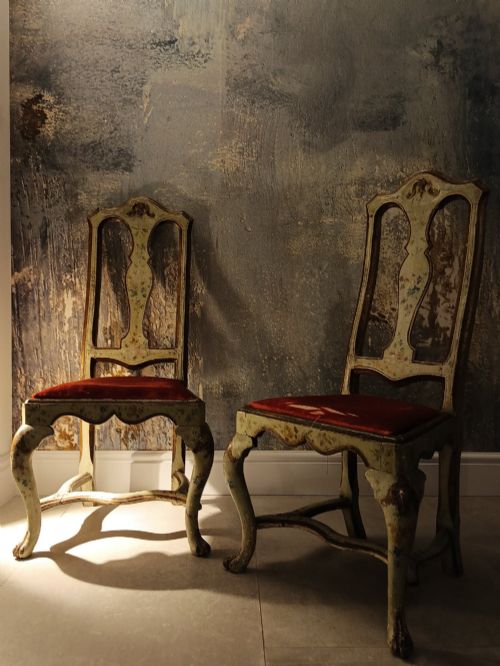
An antique velvet hall chair brings rich texture and rigid architectural form to an entranceway, combining heavy timber frames with tactile textile upholstery.
Antique Velvet Hall Chair
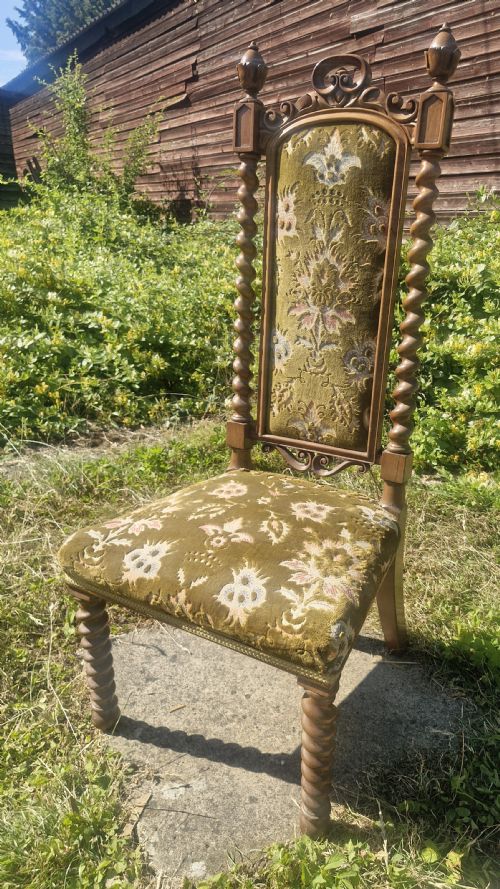
An antique velvet hall chair sits as a sturdy, upright seat designed primarily for grand entryways, corridors, and landings rather than long periods of lounging. These pieces typically display solid timber frames and high, carved backs that echo architectural or revivalist movements.
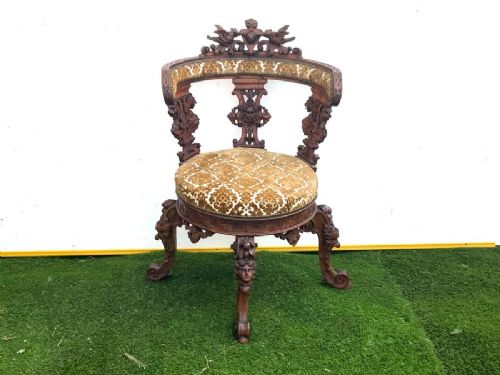
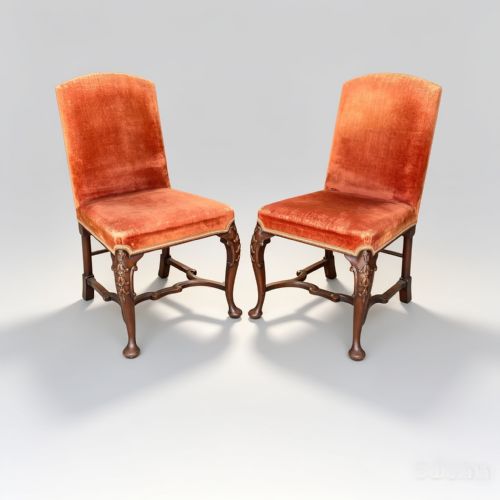
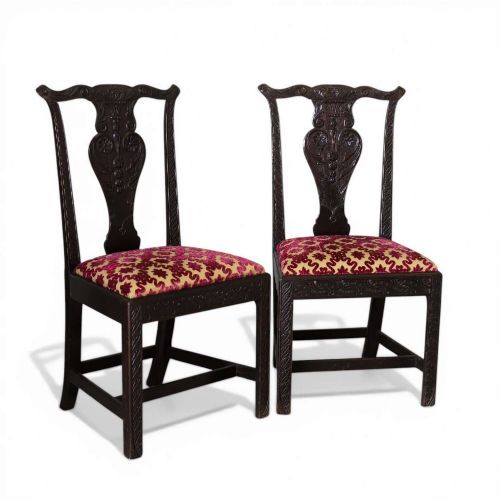
The selections available range across multiple centuries and stylistic revivals, spanning Victorian oak and walnut iterations, Georgian mahogany forms, and Continental European interpretations. Buyers frequently encounter side chairs and heavier throne-like seats featuring deep pile velvet textiles.
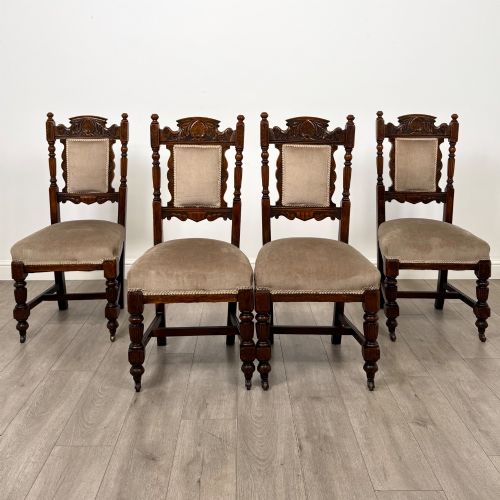
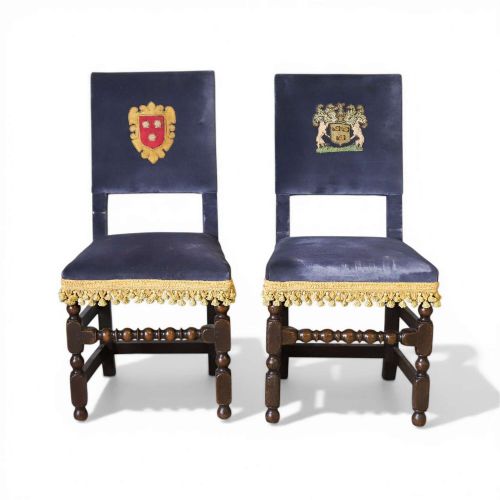
Makers utilised various regional designs, incorporating Gothic Revival elements, barley twist supports, and heraldic crests into the structural framework. The combination of dense hardwood and plush textile creates a striking visual contrast suitable for formal reception spaces.
How they were made
The structural integrity of an antique velvet hall chair relies on dense timbers such as mahogany, oak, walnut, and satinwood, frequently shaped using traditional joinery and hand-carving techniques. Craftsmen turned structural supports on lathes, producing barley twist legs and heavily profiled stretchers.
Upholstery methods involved securing velvet textiles directly to the wooden foundations using brass tacks or decorative gimp braids. Artisans applied giltwood accents, inlaid veneers, and hand-carved crests to embellish the primary hardwood frames.
Antique Velvet Hall Chair Retail Price Guide 2026
Typical asking prices for velvet hall chair among the pieces listed under this phrase on Sellingantiques today, from the lower quarter to the upper quarter. They describe what is for sale here now, not the wider market.
Certain Scottish clan chairs proudly display heraldic crests in velvet, ensuring your hallway doubles as a medieval fortress.
What varies in quality
The distinction between standard and exceptional pieces rests upon the crispness of the hand-carving on the wooden frame and the quality of the timber selection. Heavier, denser hardwoods and deeply sculpted scrollwork or armorial motifs elevate the character of the seating.
Originality of the structural timber paired with period-appropriate upholstery methods dictates the overall integrity of the piece. Subtle details such as inlaid stringing, refined turning, and substantial proportions separate ordinary utilitarian seats from grander reception furniture.
George Morant
The Antique Velvet Hall Chair Glossary
- Barley twist
- A structural furniture leg or stretcher turned on a lathe into a spiral shape resembling twisted barley. This decorative turning technique appears frequently on nineteenth-century framework.
- Giltwood
- Timber that has been coated with a thin layer of gold leaf or gilt paint. This finish provides a bright, reflective surface on decorative framework.
- Gothic Revival
- An architectural and design movement that revived medieval Gothic forms, pointed arches, and heavy ornamentation. Pieces in this style often feature dramatic carved oak elements.
- Armorial
- Bearing heraldic coats of arms or family crests carved into the woodwork or embroidered onto the upholstery. Such details indicate bespoke commissions for prominent households.
- Side chair
- An upright chair without arms designed for placement against a wall or around a dining table. These form a large proportion of surviving entranceway seating.
Antique Velvet Hall Chair: Frequently Asked Questions
Where were hall chairs placed?
These chairs were historically stationed in grand entrance halls, corridors, and vestibules to serve arriving guests while they removed outerwear.
They functioned more as architectural statements and brief resting points than comfortable lounge seats.
How do I identify a Victorian hall chair?
Victorian examples frequently utilise dark hardwoods like oak or walnut, often featuring carved scrollwork, barley twist turnings, and revivalist styling.
Makers of this era heavily borrowed from Gothic and Carolean motifs to create imposing, upright silhouettes.
Are these chairs comfortable to sit on?
Most antique velvet hall chairs prioritise rigid posture and decorative presence over deep ergonomic comfort.
Their upright backs and firm textile upholstery were built to suit formal reception areas rather than prolonged relaxation.
What woods were used for frames?
Cabinetmakers primarily constructed these frames from durable hardwoods including mahogany, oak, walnut, and satinwood.
Selected timbers were often left with a natural polished finish or ebonised to mimic rarer materials.