




Antique Vanity Scent Flacon
An antique vanity scent flacon is a small personal vessel for perfume, combining glass and precious metal to grace a dressing table.
Antique Vanity Scent Flacon
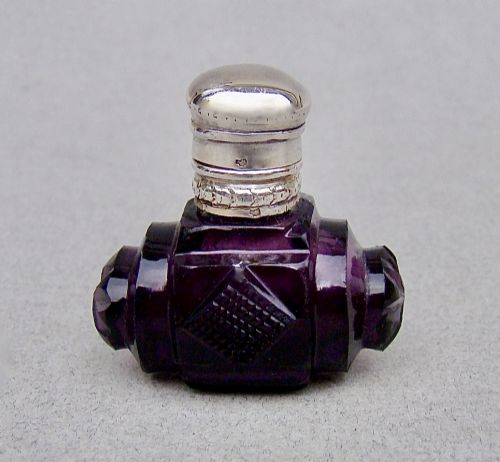
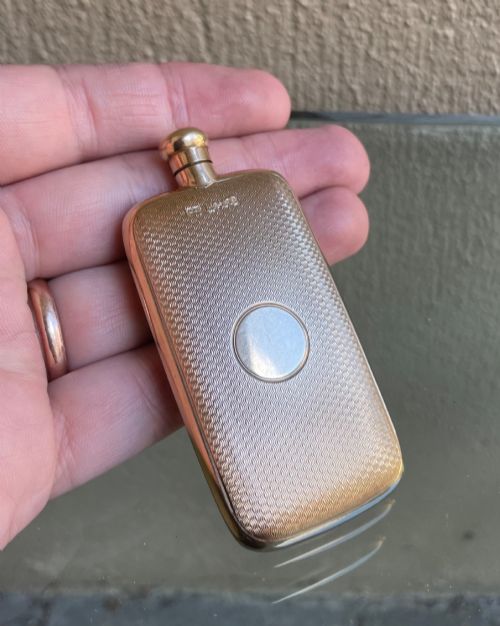
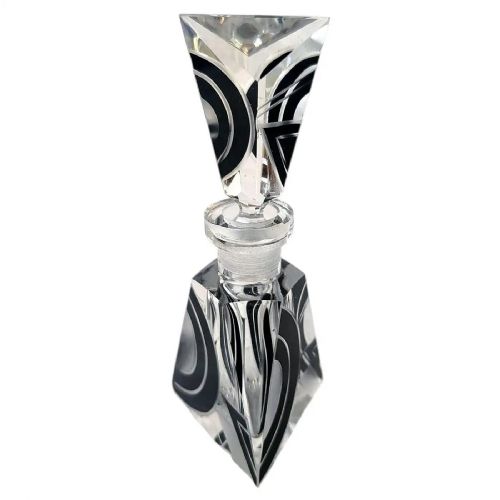
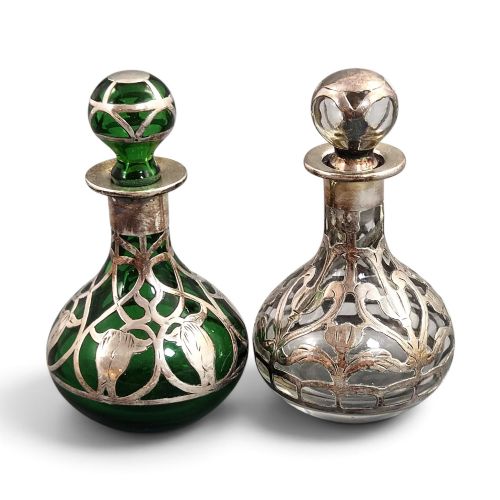
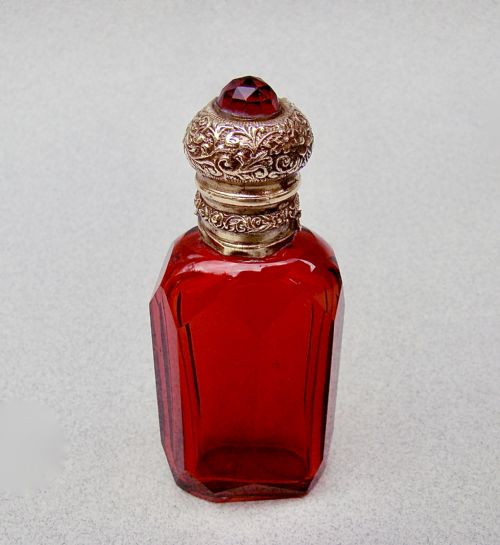
When you search for an antique vanity scent flacon, you encounter portable glass and crystal containers designed to hold perfume or cologne on a dressing table. The selection spans Georgian pocket pieces, heavily mounted Victorian glass, and geometric Art Deco designs.
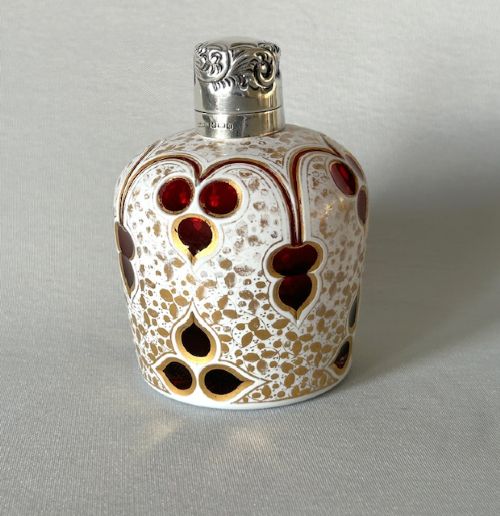
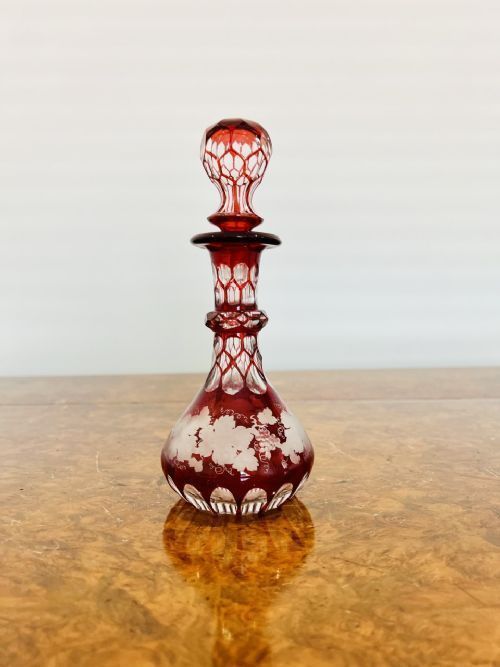
You are most likely to meet silver-collared cut glass cylinders and colourful Bohemian or French glass flasks dating from the late nineteenth century to the nineteen-thirties. These vessels served both practical toilette needs and decorative display functions in elite bedchambers.
The assortment includes travelling cologne bottle trios housed in fitted cases alongside individual moulded glass flacons bearing intricate stoppers. Makers utilised diverse glassworking traditions across England, France, and Czechoslovakia to produce these vanity accessories.
Distinctions in craftsmanship
Quality reveals itself in the crispness of the glass cutting, the weight of the silver mounts, and the precision of the stopper fit. Superior examples demonstrate heavy lead crystal with deep geometric facets or flawless opalescent moulding.
The integration of decorative elements such as hand-applied enamel, tortoiseshell, or intricate silver overlay separates standard utilitarian pieces from exceptional vanity items. Maker attribution, particularly to known glassworks or silversmiths, elevates the standing of a flacon.
Antique Vanity Scent Flacon Retail Price Guide 2026
Typical asking prices for vanity scent flacon among the pieces listed under this phrase on Sellingantiques today, from the lower quarter to the upper quarter. They describe what is for sale here now, not the wider market.
Travellers once carried a trio of cologne bottles in a fitted case, ensuring no bedchamber lacked a morning freshener.
Rene Lalique·Karl Palda·Gorham·Mappin And Webb·Sabino
The Antique Vanity Scent Flacon Glossary
- Flacon
- A small stoppered bottle designed for perfume or scent. It serves as the primary vessel category on the dressing table.
- Guilloche
- A decorative mechanical engraving technique that produces precise, intricate recurring patterns beneath transparent enamel. It is frequently found on nineteen-thirties silver mounts.
- Opalescent glass
- Glass containing ingredients that cause it to milky-blue scatter light, creating a pearlescent glow. This technique defined many French Art Deco designs.
- Ormolu
- Gilded bronze or brass mounts applied to decorative objects. It provides a rich metallic accent to nineteenth-century glass bodies.
- Cologne bottle
- A larger vessel specifically intended for eau de cologne rather than concentrated perfume. These often appear in travelling trios with fitted leather cases.
Antique Vanity Scent Flacon: Frequently Asked Questions
What is a scent flacon?
A scent flacon is a decorative small bottle used to store and apply liquid perfume on a dressing table. These vessels range from simple pocket flasks to elaborate crystal containers with precious metal mounts.
They were essential accessories for personal grooming across the Georgian, Victorian, and Art Deco periods. Owners filled them with concentrated fragrances or eau de cologne for daily toilette use.
How do I date a glass flacon?
Dating relies on stylistic clues, manufacturing techniques, and any associated metal hallmarks. Victorian pieces often feature heavy cut crystal with sterling silver collars, whereas nineteen-thirties examples display geometric moulding and colourful enamel.
Maker signatures on the glass or assay marks on the silver provide precise chronological reference points. The integration of materials like tortoiseshell or guilloche enamel also points to specific stylistic eras.
Were these bottles used for travel?
Many flacons were specifically manufactured for travel, occasionally supplied in fitted leather or velvet cases containing multiple bottles. These travelling cologne trios allowed users to transport their preferred scents securely.
Travel versions typically featured robust screw caps or secure hinged stoppers to prevent leakage in luggage. Their compact size made them suitable for carriage trunks and vanity cases.
What materials are common?
Glass and crystal dominate the body of these vanity items, appearing in clear, ruby, cranberry, and opalescent varieties. Artisans paired these vitreous materials with sterling silver, gold leaf, ormolu, and enamel.
Supplementary elements such as leather cases and tortoiseshell insets occasionally augmented the primary materials. Each combination reflected the prevailing aesthetic preferences of its manufacturing era.