





Antique Travel Stand
An antique travel stand brings the refined portability of past centuries into modern rooms, offering ingenious engineering disguised as everyday luxury.
Antique Travel Stand
When you search for an antique travel stand, you encounter portable furnishings designed for mobility across eras spanning the seventeenth century through the early twentieth century. These objects include travelling bureaux, campaign desks, mirror stands, and folding clock cases built for journeys by road, sea, or rail.
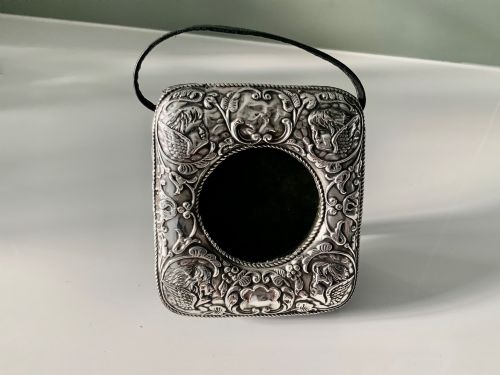
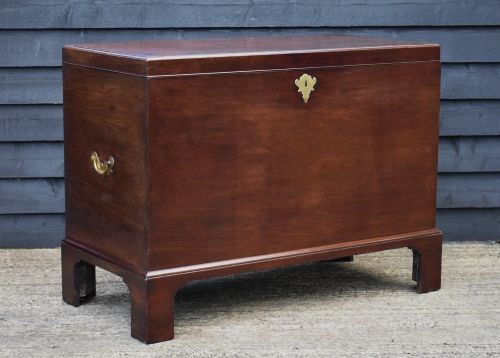
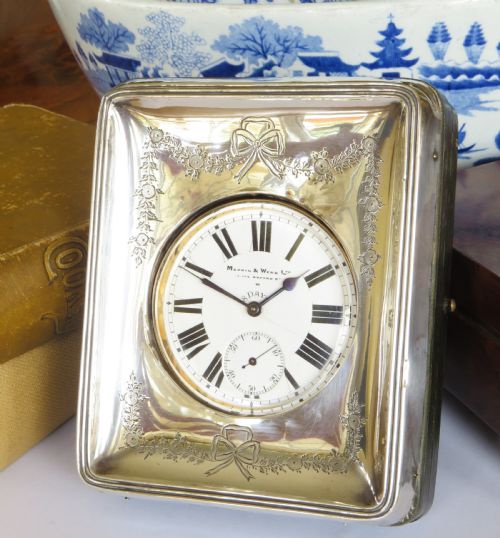
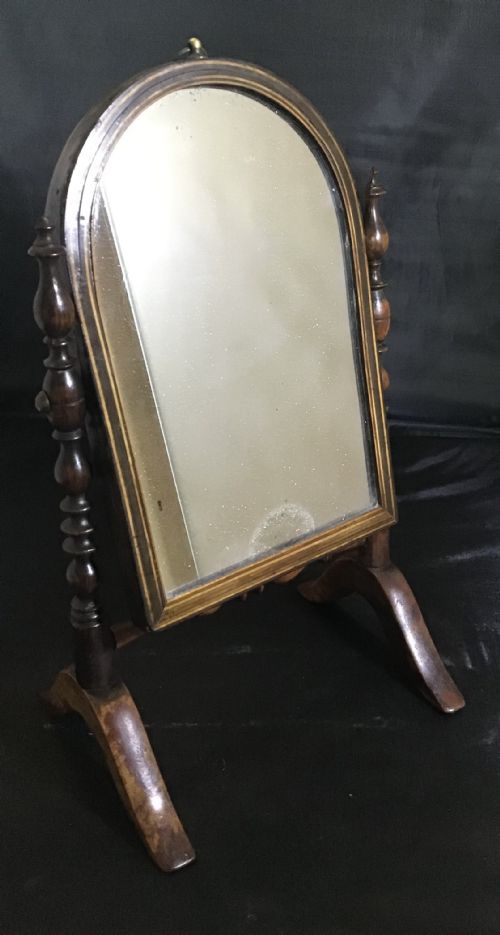
The pieces appearing on this page encompass diverse forms ranging from Georgian mahogany military chests and Venetian travelling bureaux to Edwardian olive wood Brighton buns and pocket watch stands. Such items reflect a time when portable possessions required both mechanical ingenuity and robust construction.
Victorian walnut campaign desks and Edwardian travel clocks demonstrate how craftsmanship adapted to the demands of transit. Each piece combines utility with compact design, serving as a functional object that packs down or folds away.
Materials and construction
Makers utilised dense timbers such as mahogany, walnut, and olive wood to withstand the rigours of transport without adding excessive bulk. Metal mounts in brass and silver reinforced corners, hinges, and carrying handles against the strains of travel.
Delicate additions like guilloche enamel and glass protected clock faces and pocket watches, while canvas and leather covered larger trunks and cases. Artisans integrated folding mechanisms and fitted compartments so that every element remained secure while in motion.
Antique Travel Stand Retail Price Guide 2026
Typical asking prices for travel stand among the pieces listed under this phrase on Sellingantiques today, from the lower quarter to the upper quarter. They describe what is for sale here now, not the wider market.
Listings feature items from the seventeenth, eighteenth, nineteenth, and early twentieth centuries, constructed in mahogany, walnut, olive wood, brass, glass, and silver.
Judging quality and execution
The distinction between ordinary transit pieces and superior examples lies in the precision of the hardware and the snugness of the joinery. High-quality items feature flush-fitting brasses, smoothly operating internal mechanisms, and original signed components.
Finishes that retain their depth without appearing overly restored separate utilitarian containers from luxury luggage bearing maker stamps. The complexity of the folding action and the integrity of secondary woods further indicate the standard of the workshop.
Mappin And Webb·Hartman Luggage Co·Louis Vuitton·Mappin Brothers
The Antique Travel Stand Glossary
- Campaign desk
- A portable writing table designed to fold or dismantle for military use in the field. These pieces typically feature recessed brass handles and removable legs.
- Brighton bun
- A small, turned wooden container housing a pair of travelling candlesticks. The threaded halves screw together to form a compact sphere resembling a bun.
- Guilloche enamel
- A decorative technique where transparent enamel is laid over engine-turned metal. It frequently appears on small travel clock cases and vanity items from the early twentieth century.
- Malle penderie
- A French wardrobe trunk designed for vertical storage during travel. These large pieces incorporate internal hangers and drawers.
- Military chest
- A partitioned storage box made in sections for ease of carriage. They are characterised by brass corner brackets and inset drawer pulls.
Antique Travel Stand: Frequently Asked Questions
How were campaign pieces transported?
Campaign furniture and travel stands were constructed to dismantle, fold, or lock securely into manageable proportions for packhorses, carriages, and ships. Removable legs, nested components, and flush hardware prevented parts from snagging or breaking.
Officers and wealthy travellers relied on these robust designs to protect valuable writing equipment, timepieces, and personal items while crossing difficult terrain.
How do I date a travel clock?
Dating a travel clock involves examining the style of the case, the materials used, and any hallmarks on the silver or metal mounts. Edwardian and Art Deco examples often feature guilloche enamel or geometric leather folios, while Victorian and Georgian versions utilise heavier brass and wood.
Maker signatures and presentation inscriptions engraved on the case provide precise chronological reference points for the date of manufacture.
Where should I place a travel chest?
Antique travel chests and stands suit modern living spaces when used as side tables, coffee tables, or compact desks. Their flat tops and internal storage offer practical utility in entrance halls or studies.
Placing them away from direct heat sources protects the aged woods, leather bindings, and delicate enamel finishes from drying out or cracking.