




Antique Toy Set
These antique toy set pieces are surviving miniatures and playthings from past centuries, offering a tangible link to childhoods of earlier eras.
Antique Toy Set
When you search for an antique toy set, you uncover miniature services, model transport and educational pastimes spanning the Georgian, Regency, Victorian and interwar periods. These groupings capture the domestic and imaginative play of children from the nineteenth and early twentieth centuries.
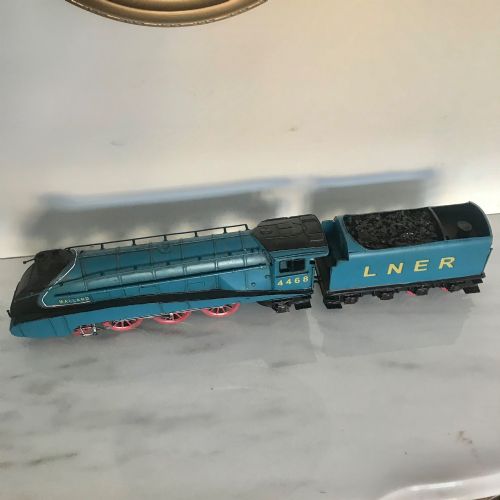
The selections available here range from miniature earthenware dinner services and transferware to diecast model locomotives and painted lead military figures. Ceramic child sets and scale models dominate the physical forms recorded across these listings.
Originating from British workshops and potteries such as Minton, these survivals frequently reflect adult industries in miniature. They include utilitarian laundry equipment, watercolours, Noahs Arks and boxed pastimes intended to instruct or entertain.
How they were made
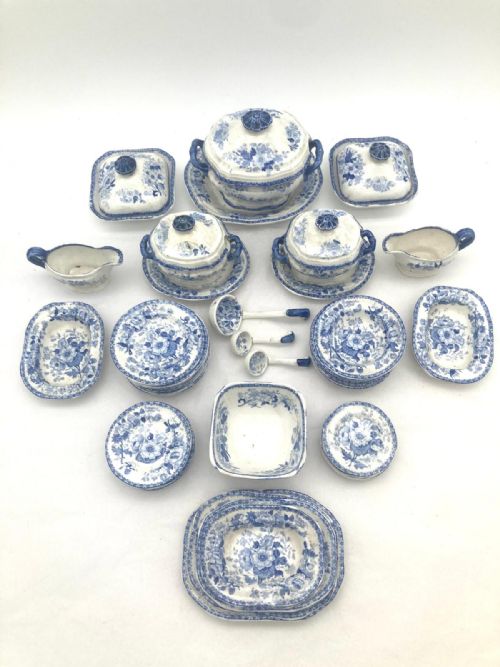
Makers utilised ceramic materials like earthenware, applying blue and white transfer printing or flow blue glazes to miniature tableware. These earthen bodies required careful kiln firing to achieve the smooth surfaces seen on nineteenth century child services.
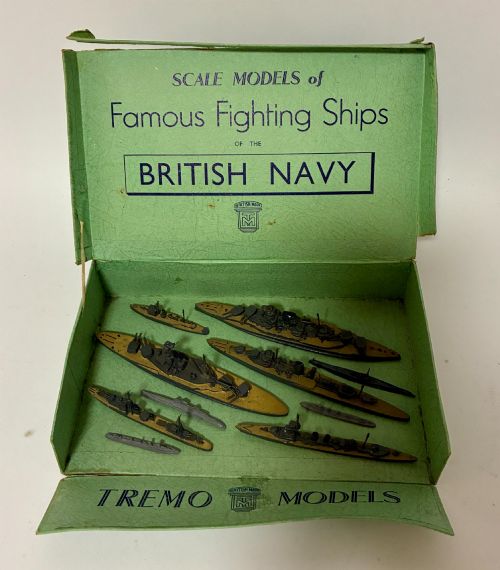
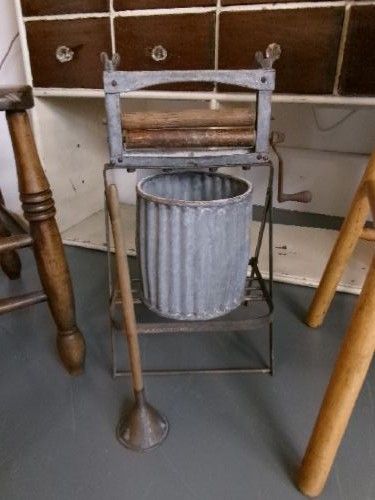
Metalworking techniques shaped cast iron, diecast metal and solid silver into locomotive models, miniature chocolate pots and laundry mangles mounted on iron stands. Artisans also turned and shaped wood for model ships, alphabet slopes and Noahs Ark figures.
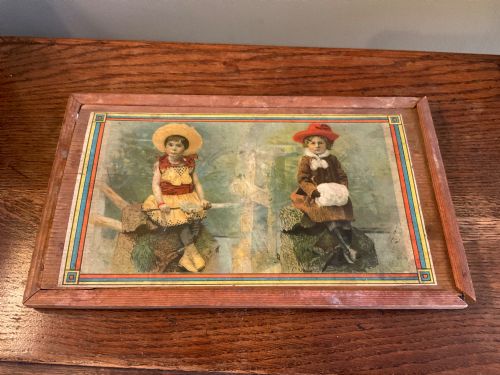
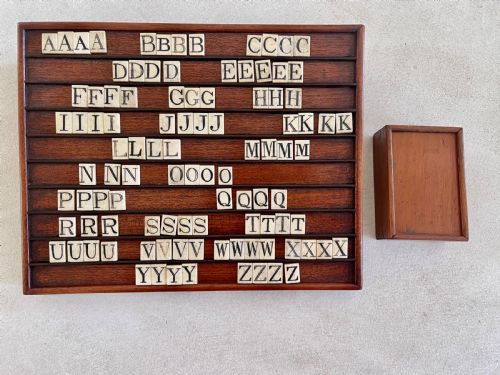
Paper and cardboard served as mediums for watercolour paint boxes and costume overlay sets, while bone provided the material for carved alphabet letters accompanying educational slopes.
Antique Toy Set Retail Price Guide 2026
Typical asking prices for toy set among the pieces listed under this phrase on Sellingantiques today, from the lower quarter to the upper quarter. They describe what is for sale here now, not the wider market.
Bone alphabet letters wait quietly inside wooden slopes for lessons that ended a century ago.
What varies in quality
The precision of hand painting on military figures and the crispness of transfer patterns on earthenware child services separate standard workshop output from finer examples. Potteries achieved deeper cobalt tones and sharper registration on select nineteenth century plates and tureens.
Completeness dictates the standing of model transport and miniature dinner services, where retaining an entire set of ceramic dishes or matching locomotive tenders alters the character of the object. Surviving boxes, original stands and untouched paint layers preserve the integrity of these pieces.
Minton·Tremo
The Antique Toy Set Glossary
- Flow blue
- A cobalt blue earthenware glaze that blurred slightly during firing to create a hazy, atmospheric effect. This technique appears frequently on nineteenth century child dinner services.
- Transferware
- Pottery decorated by pressing a paper design inked from an engraved copper plate onto the ceramic surface. It allowed complex floral and pictorial scenes to be replicated across miniature tea and dinner sets.
- O gauge
- A standard scale for model railways introduced during the early twentieth century. These proportioned locomotives and tenders operated on tracks spaced thirty-two millimetres apart.
- Prattware
- Earthenware produced with specific underglaze mineral colours, typically including ochre, blue, brown and yellow. It was utilised for commemorative and decorative smallwares.
- Travellers sample
- A small scale version of a domestic appliance or piece of furniture carried by commercial representatives to demonstrate wares to shopkeepers.
Antique Toy Set: Frequently Asked Questions
What is an antique toy set?
An antique toy set encompasses surviving playthings, miniature dinner services and scale models produced during the nineteenth and early twentieth centuries. These objects reflect the craftsmanship and domestic education of past eras.
Items range from transferware ceramic tea sets to cast iron locomotives and hand painted military figures, each preserved as an example of historical manufacturing.
How were ceramic child sets used?
Ceramic child sets were manufactured for juvenile use, often intended to teach table etiquette and domestic hospitality through structured play. They replicated full scale adult dinner and tea services in miniature.
Children utilised these earthenware plates, cups and tureens during supervised indoor games, which accounts for the survival of partial or complete sets in various states of wear.
How do I date a toy set?
Dating relies on identifying materials, manufacturing marks, stylistic traits and packaging associated with periods such as the Regency, Victorian era or interwar years. Transfer printing styles and metal casting methods provide chronological markers.
For instance, mid nineteenth century pieces often display flow blue earthenware techniques, whereas later interwar items include diecast metal models and specific railway gauges.
How should I display miniatures?
Miniatures and toy sets require stable shelving away from direct sunlight to protect fragile ceramics, paper components and painted wooden surfaces. Enclosed cabinets prevent dust accumulation on delicate items like miniature silver pots and lead figures.
Grouping sets together within glass fronted displays allows the details of transfer patterns and small scale construction to remain visible while safeguarding the pieces.