

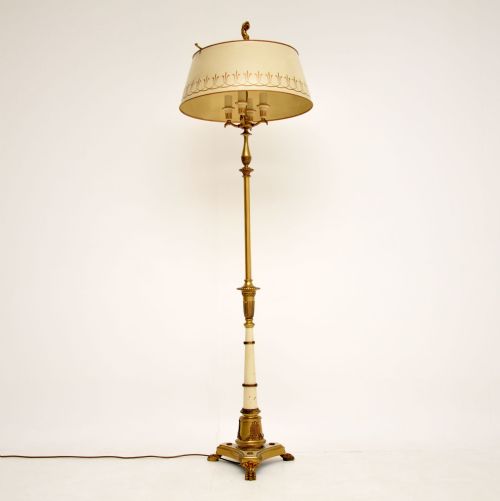
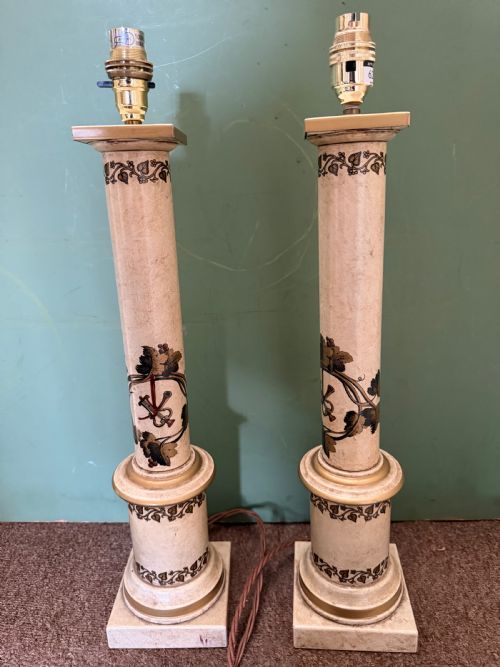


Antique Tole Lighting
Antique tole lighting brings hand-painted metal character and painted tin finishes into a room, offering functional illumination with period French charm.
Antique Tole Lighting
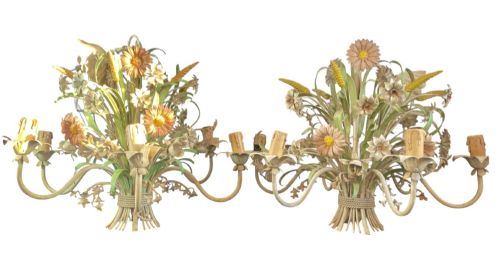
When you search for antique tole lighting, you find painted metal pieces that span from the nineteenth century into the mid-twentieth century. The selection on this page centres primarily on French origins, including table lamps, desk lamps, floor lamps, wall lights, and multi-bulb chandeliers.
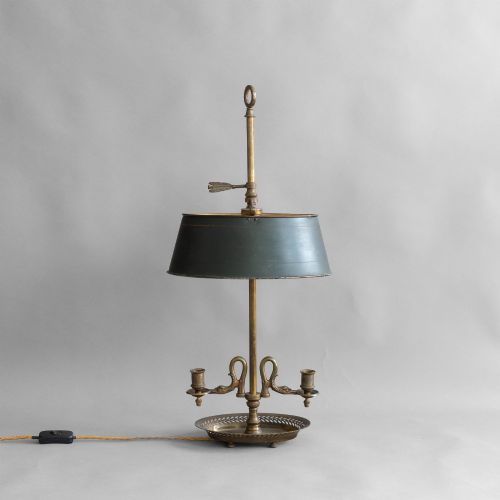
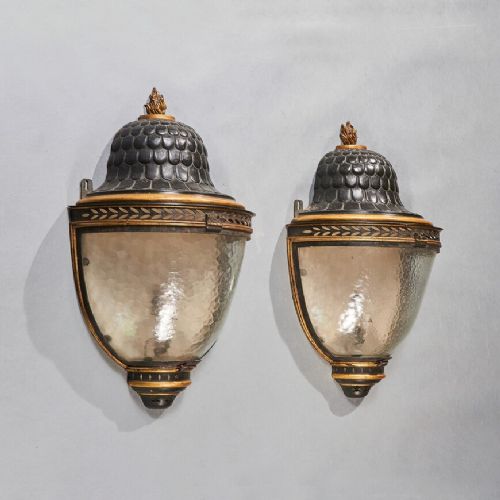
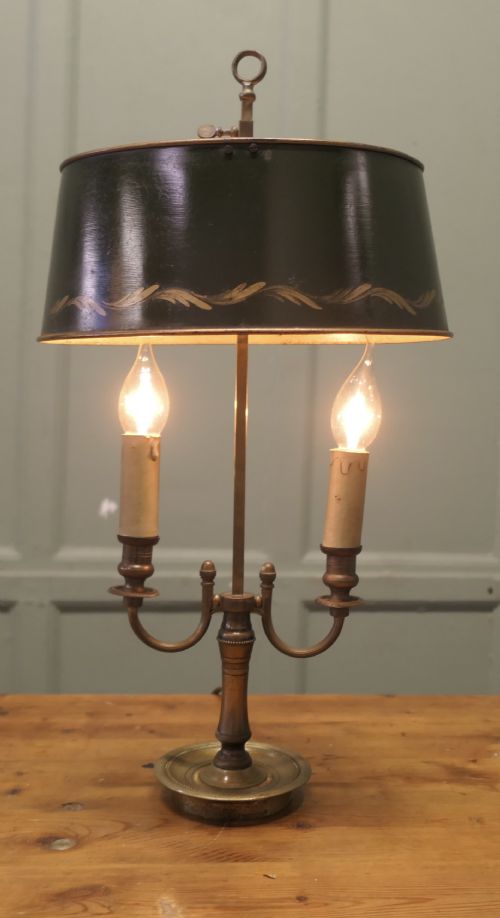
You will frequently encounter specific forms such as bouillotte desk lamps with adjustable shades, alongside wall lanterns, wall sconces, and column lamps. Materials range across tole, toleware, and tole peinte, often paired with brass, gilt metal, bronze, glass, and painted iron.
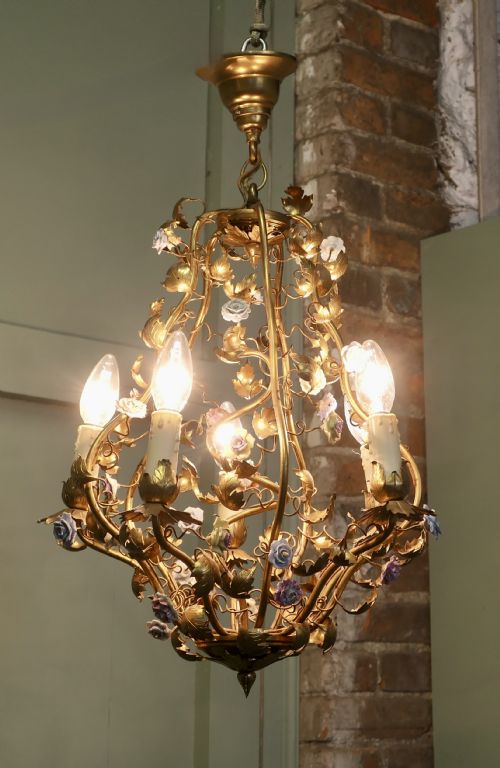
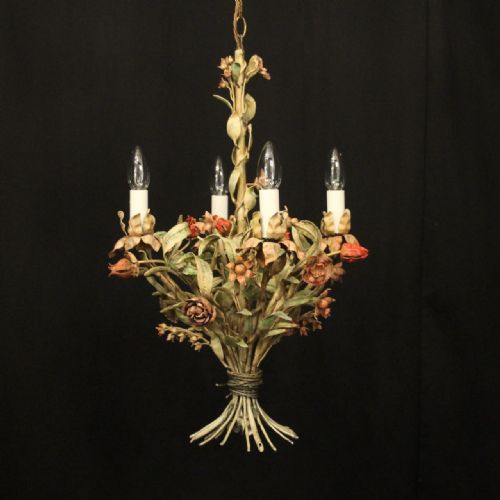
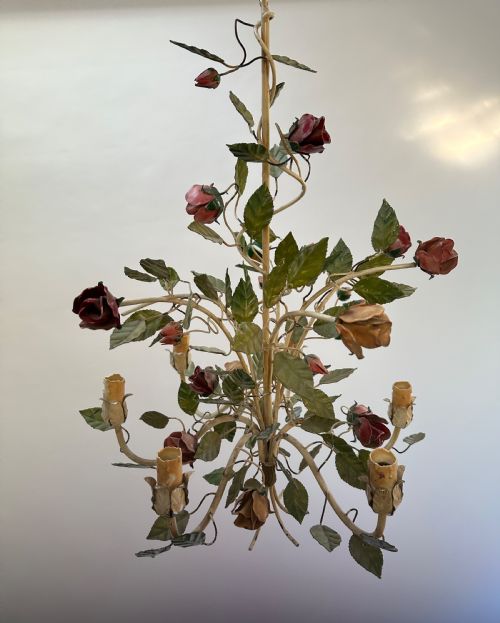
The style vocabulary leans heavily towards French Neoclassical, French Empire, French Chateau, Chinoiserie, and French Country designs. Pieces frequently incorporate painted polychrome finishes, floral motifs, ceramic elements, and black and gold lacquer.
How they were made
Construction relies on shaped metal foundations, specifically tole and painted iron, which are finished with painted or lacquered surfaces. Artisans applied hand-painted polychrome decoration, floral details, and dark lacquer, sometimes highlighting the metalwork with parcel gilt.
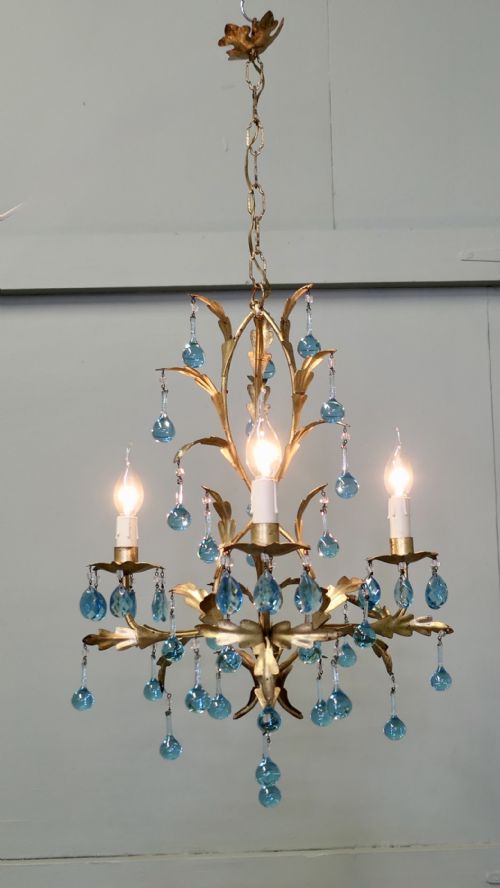
Functional metal components integrate brass, bronze, silver plating, and gilt metal for structural elements, candle arms, and adjustable mechanisms. Glass components and crystals occasionally accompany the metalwork to complete chandeliers and decorative lamps.
Antique Tole Lighting Retail Price Guide 2026
Typical asking prices for tole lighting among the pieces listed under this phrase on Sellingantiques today, from the lower quarter to the upper quarter. They describe what is for sale here now, not the wider market.
Listings feature tole lighting spanning from the 1880s through the 1940s, executed in materials including brass, gilt metal, bronze, and painted iron.
What varies in quality
Quality shows in the crispness of the hand-painted decoration and the depth of the lacquer or polychrome finish on the tole. Finer examples display meticulous brushwork on floral motifs and consistent coverage across the painted iron or tin surfaces.
The integration of secondary materials dictates the overall calibre of the piece. Superior items combine substantial brass, bronze, or gilt metal mounts with well-proportioned shades, balanced arm structures, and original ceramic or crystal components.
The Antique Tole Lighting Glossary
- Tole
- Painted or lacquered metalware, typically tin or iron, used for decorative objects and lighting shades. The term derives from the French phrase for tinned iron sheet.
- Tole peinte
- Painted tole, referring specifically to metal items decorated with hand-painted artwork and designs. It appears frequently on shades and bodies of period lighting.
- Bouillotte lamp
- A traditional adjustable desk or table lamp featuring a central shaft, candle arms, and a movable tole shade that slides up and down. It takes its name from the French card game bouillotte.
- Parcel gilt
- Part gilt, describing an object where sections of the surface are highlighted with gold leaf or gilt while other areas remain painted or in their base metal. It adds contrast to decorative metalwork.
Antique Tole Lighting: Frequently Asked Questions
What is antique tole lighting?
Antique tole lighting comprises lamps, chandeliers, and wall sconces made from painted or lacquered metal, predominantly tin and iron. These pieces date from the nineteenth and early twentieth centuries.
Most examples originate from France and feature hand-painted finishes, floral decoration, and styles ranging from Neoclassical to Chinoiserie.
How do I use a bouillotte lamp?
A bouillotte lamp functions as a task light, traditionally placed on a desk or side table to provide focused downward illumination. The adjustable tole shade slides up and down the central column to control the spread of light.
Multiple candle arms or bulb holders distribute light evenly across the workspace beneath the painted metal shade.
How do I date antique tole lighting?
Dating relies on examining the construction materials, wiring methods, style markers, and the type of painted finish. Pieces from the nineteenth century often display hand-forged iron elements and specific French Empire or Neoclassical motifs.
Early twentieth-century items, such as those from the 1920s and 1930s, incorporate different brass mountings and varied polychrome colour palettes.
Where did tole lighting originate?
The tradition of toleware manufacturing has deep roots in France, where artisans mastered the craft of painting and lacquering sheet metal. Many surviving antique lamps and chandeliers reflect distinct French regional styles.
Workshop production in France supplied both domestic interiors and export markets with decorative painted lighting throughout the nineteenth and early twentieth centuries.