

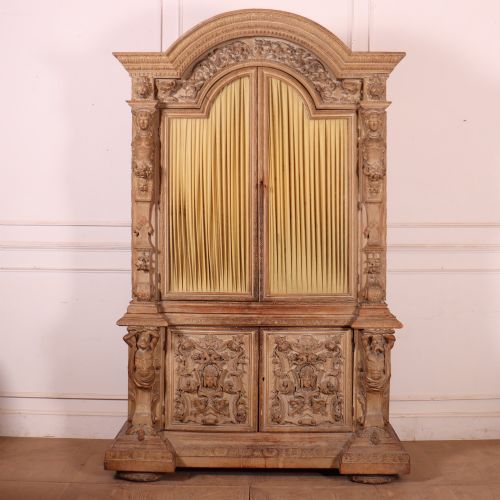


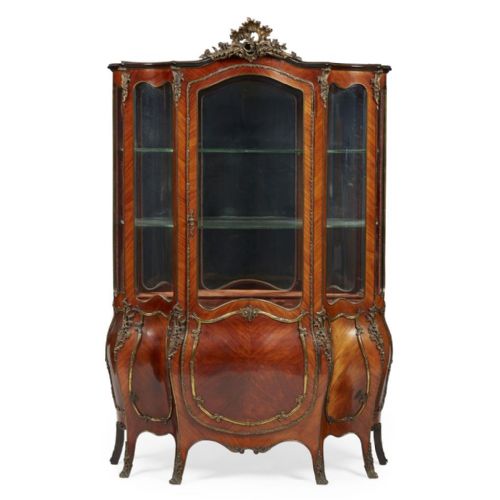

Antique Timber Vitrine
An antique timber vitrine is a glazed display cabinet designed to showcase fine objects, bringing architectural elegance and visible storage to any room.
Antique Timber Vitrine
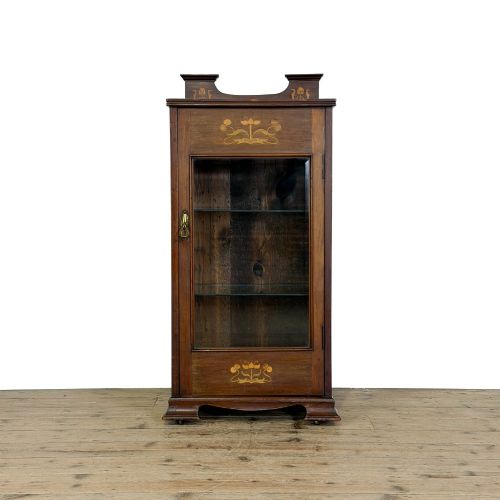
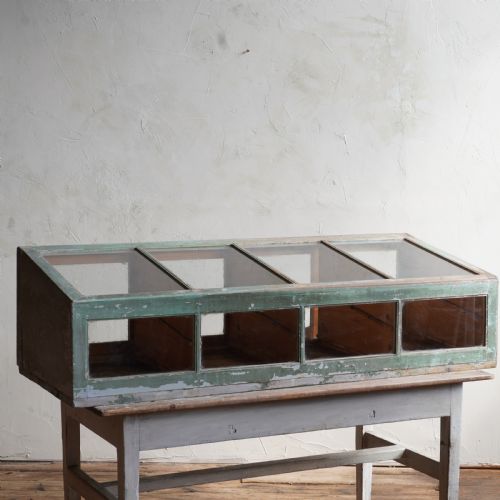
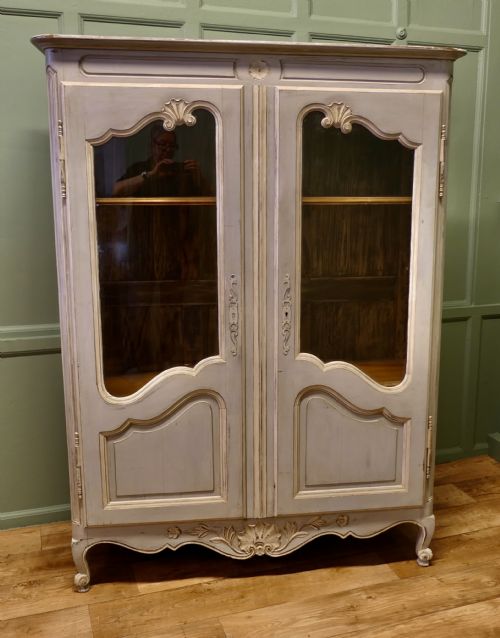
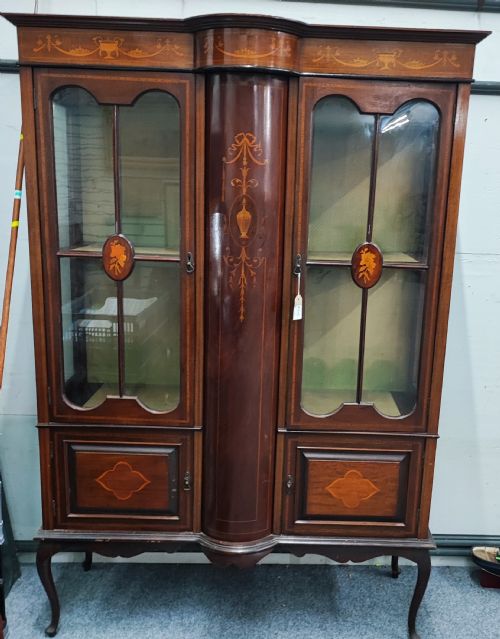
When you search for an antique timber vitrine, you are looking for glazed cabinetry built to display porcelain, books and collected curiosities behind glass panes. These pieces serve as both storage furniture and focal points in a room, combining timber frames with large viewing areas.
The versions you are most likely to meet on this page span several periods from the eighteenth century through to the Edwardian era and the nineteen-twenties. They appear in forms ranging from countertop display cases and wall cabinets to large floor-standing double-door bookcases and vitrines.
Makers utilised timber structures in mahogany, oak, walnut, satinwood, maple and kingwood, often enhanced with brass mounts, fabric linings or carved details. Stylistic influences cross from Victorian and Edwardian designs into French Rococo, Art Nouveau and revival movements.
How they were made
Cabinet makers constructed these pieces using solid timbers and decorative veneers such as burr walnut, burr maple and satinwood applied to carcases of mahogany or oak. Glass panels were fitted into timber doors or framing to protect the contents while keeping them fully visible.
Surface decoration involved marquetry and inlay work, hand-carved wooden details, and painted or distressed finishes. Metal elements including brass handles, hinges and ormolu mounts were integrated to secure and ornament the doors and stands.
Antique Timber Vitrine Retail Price Guide 2026
Typical asking prices for timber vitrine among the pieces listed under this phrase on Sellingantiques today, from the lower quarter to the upper quarter. They describe what is for sale here now, not the wider market.
Listings on this page include pieces in oak, mahogany, satinwood, burr walnut, burr maple and kingwood.
What varies in quality
The grade of timber and veneer selection sets pieces apart, with figured grains like burr walnut and exotic woods representing the higher end of craftsmanship. Finely executed hand-carving and precise inlay work distinguish superior examples from plain utility furniture.
Hardware quality and structural joinery also determine value, as solid brass mounts, original ormolu and tight door fittings indicate careful workshop production. The balance of proportions, from countertop cases to large bookcases on stands, dictates the visual success of the design.
The Antique Timber Vitrine Glossary
- Vitrine
- A glass-fronted cabinet designed specifically for displaying porcelain, curiosities and objects of art. These pieces rely on glazed doors and sides to maximise light inside the display space.
- Ormolu
- Gilt bronze ornamentation applied to furniture, popular in French decorative arts and revival styles. This technique adds metallic gleam and sculptural detail to timber carcases.
- Marquetry
- The art of applying decorative veneer pieces to a structure to form geometric or pictorial designs. Craftsmen cut contrasting woods to fit flush within the surface.
- Bombe
- A swelling, outward-curving contour found on the front and sides of certain cabinet furniture. This undulating shape requires advanced woodworking skill to achieve successfully.
- Satinwood
- A durable hardwood with a lustrous, yellow-toned grain utilised for fine cabinetmaking and decorative inlay. It provides a bright contrasting surface against darker timbers.
Antique Timber Vitrine: Frequently Asked Questions
What is an antique timber vitrine used for?
These cabinets were originally built to protect and display valuable porcelain, silver, books and personal collections away from dust.
Today, they serve the same function in domestic interiors, offering visible storage that keeps prized possessions secure behind glass.
How do I identify an Edwardian display cabinet?
Edwardian pieces often feature lighter timbers such as mahogany or satinwood, frequently enhanced with delicate string inlay or floral marquetry.
They tend to reflect refined proportions and incorporate Edwardian revival styles alongside influences from earlier centuries.
Where should I place a wall hanging display cabinet?
Wall-mounted vitrines need sturdy wall fixings to support the combined weight of the timber frame, glass panels and interior contents.
Position them at eye level in reception rooms or hallways where smaller items can be viewed clearly without obstructing movement.