



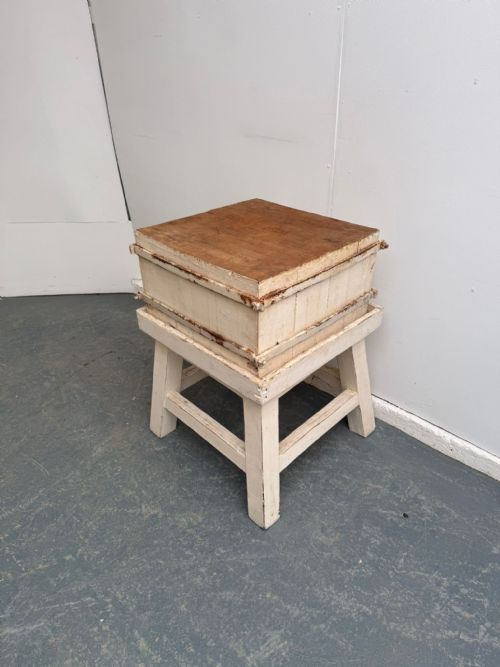


Antique Timber Block
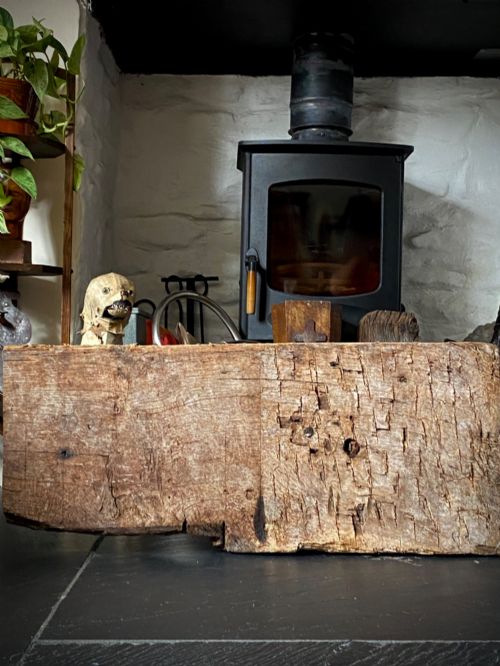
These antique timber block pieces bring genuine utilitarian heritage into modern spaces, offering solid oak, beech, and heavy fruitwood forms shaped by daily historical labour.
Antique Timber Block
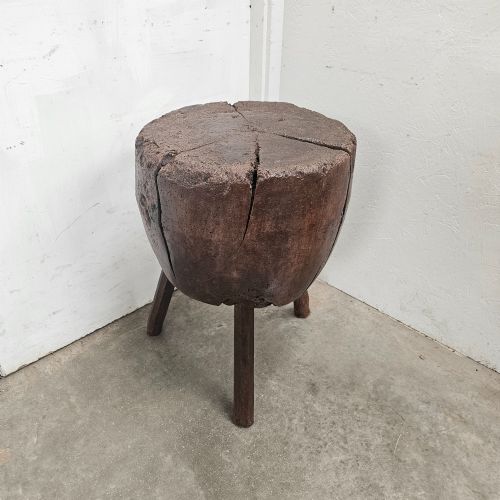
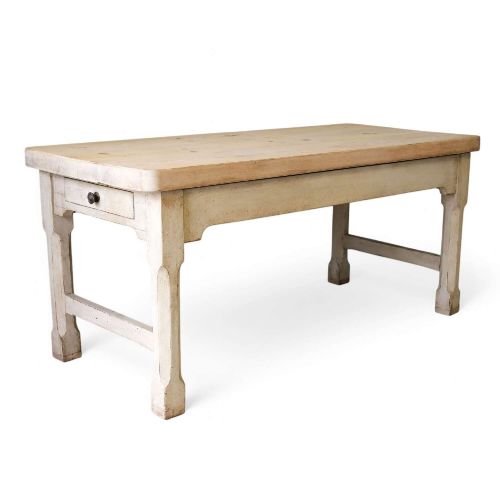
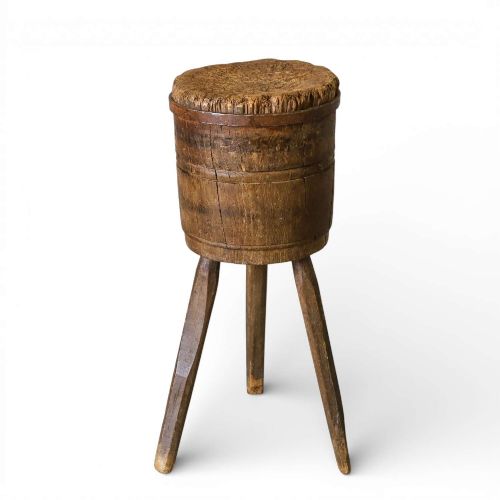
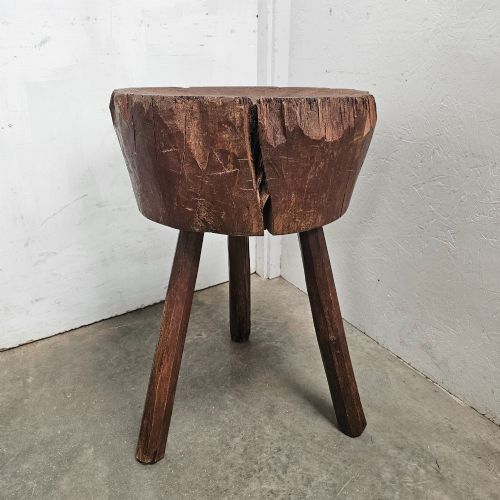
An antique timber block encompasses heavy chopping and preparation surfaces alongside specialised wooden forms like milliner blocks and printing stamps. When searching for an antique timber block, buyers frequently encounter French and English butcher's blocks, heavy game blocks hewn from tree trunks, and rustic kitchen prep tables from the eighteenth and nineteenth centuries.
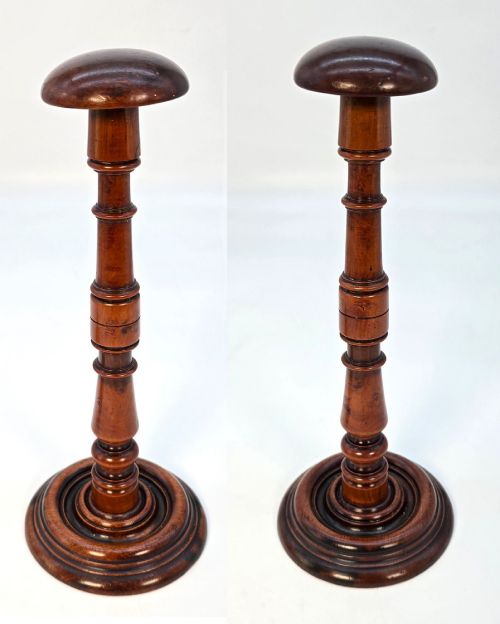
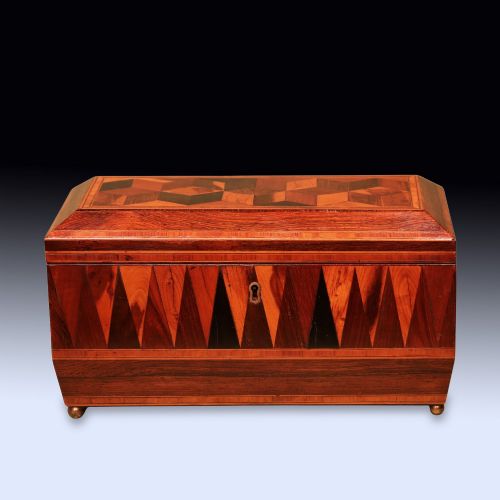
The assortment on this page also includes smaller domestic items and curiosities such as wig stands, tea caddies, biscuit cutters, and hat blocks carved from fruit wood and ash. Beech and oak dominate the larger utility pieces, whilst regional variations stretch from English country houses to French provincial workshops and Hungarian kitchens.
Materials and construction
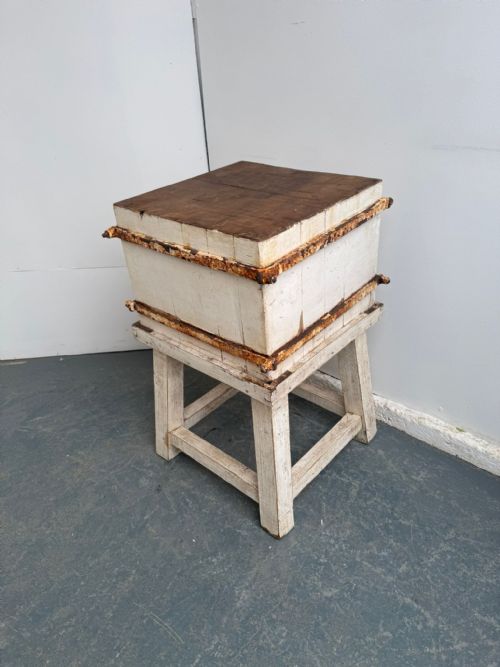
Constructed primarily from dense hardwoods like oak, beech, elm, and ash, these blocks rely on thick end-grain or solid plank surfaces designed to absorb heavy impacts. Iron and brass brackets, mounts, or handles frequently reinforce the structural integrity of larger utility pieces and tables.
Makers utilised manual turning, carving, and heavy joinery techniques to shape functional items from raw tree trunks and seasoned timber. Surfaces often show the marks of historical use, patination from grease and oils, and occasional later applications of paint.
Antique Timber Block Retail Price Guide 2026
Typical asking prices for timber block among the pieces listed under this phrase on Sellingantiques today, from the lower quarter to the upper quarter. They describe what is for sale here now, not the wider market.
Listings feature oak, beech, elm, and ash across eighteenth and nineteenth-century periods, alongside metal and painted finishes.
Distinguishing quality
Quality in these pieces rests upon the integrity of the timber, the depth of natural patination, and the honesty of the wear. Heavy utility blocks display superior density and original mounting hardware, whilst smaller carved items demonstrate crisp detailing and well-preserved tool marks.
Pieces retaining original surfaces without excessive modern intervention command greater interest. The balance between utilitarian survival and sculptural form defines the upper tier of the range.
Trussant & Cie·Hennes France
The Antique Timber Block Glossary
- End-grain
- Timber cut across the growth rings to provide a durable striking surface for chopping blocks. This method prevents knives from dulling quickly and ensures heavy durability.
- Parquetry
- Geometric wood-mosaic work used for decoration on small boxes and caddies. It showcases meticulous artisan skill.
- Treen
- Small handmade wooden domestic objects. Examples include biscuit cutters and utilitarian household items.
- Patina
- The surface sheen developed through age, handling, and use. It indicates authenticity and historical depth.
Antique Timber Block: Frequently Asked Questions
What is an antique timber block used for?
These items served various practical functions in domestic and industrial trades, ranging from meat preparation in butcher shops to shaping hats in millinery workshops.
Today, buyers repurpose large blocks as kitchen islands and prep tables, whilst smaller hat blocks and printing stamps function as sculptural display objects.
How do I care for an antique wooden block?
Maintain the timber by applying neutral natural oils to prevent the wood from drying out or splitting. Avoid exposing heavy blocks to direct heat sources or excessive moisture.
Keep painted or polished surfaces dusted with a soft cloth to preserve the historical finish without stripping the accumulated patina.
How are nineteenth-century blocks different from earlier pieces?
Eighteenth-century examples often display simpler, hand-hewn construction methods and regional quirks in timber selection, such as yew or ash. Nineteenth-century pieces frequently show more standardised industrial hardware alongside traditional joinery.
Victorian and Edwardian utility blocks also tend to incorporate heavier iron bracing and brackets to withstand commercial use.
Are these pieces suitable for active food preparation?
Many heavy butcher blocks and game blocks remain structurally sound for kitchen use after proper cleaning and oiling. However, historical wear and accumulated usage require individual assessment.
Buyers often choose to seal or gently sanitise antique chopping surfaces whilst retaining the surface marks left by historical tools.