

Antique Tilting Table
An antique tilting table is a clever space-saving pivot-top surface for dining, wine, or breakfast, designed to tilt flat and store against a wall when not in use.
Antique Tilting Table
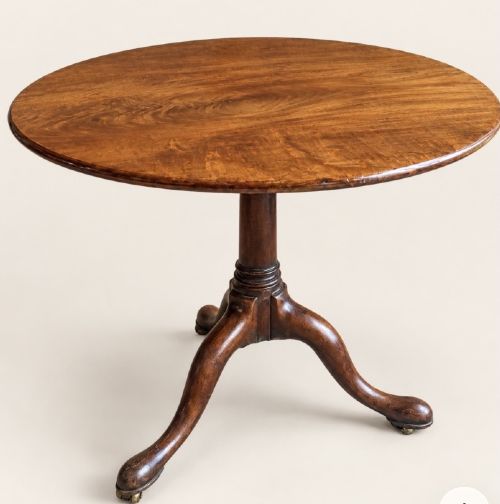
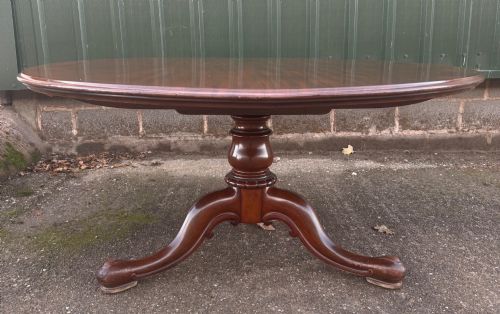
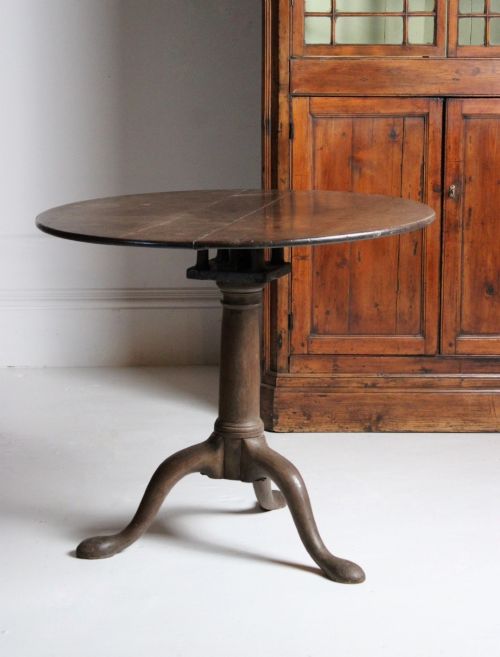
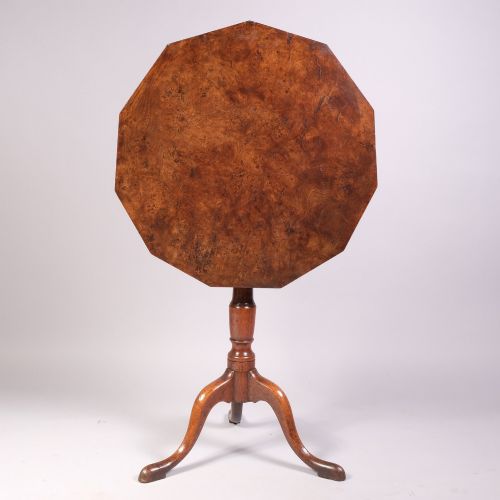
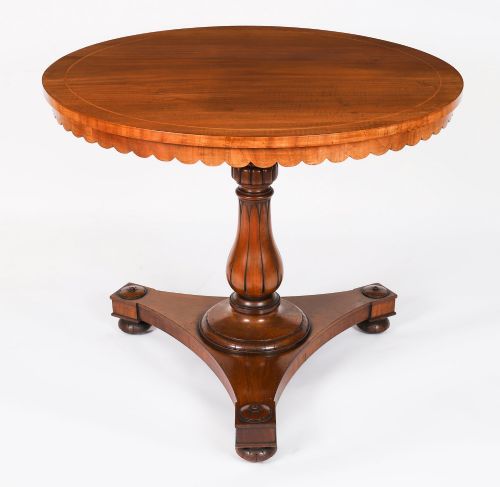
An antique tilting table is a versatile surface designed with a hinged top that tips vertically to save floor space when not in use. When searching for this phrase, you encounter forms ranging from small tripod wine tables to large multi-seater dining and breakfast tables.
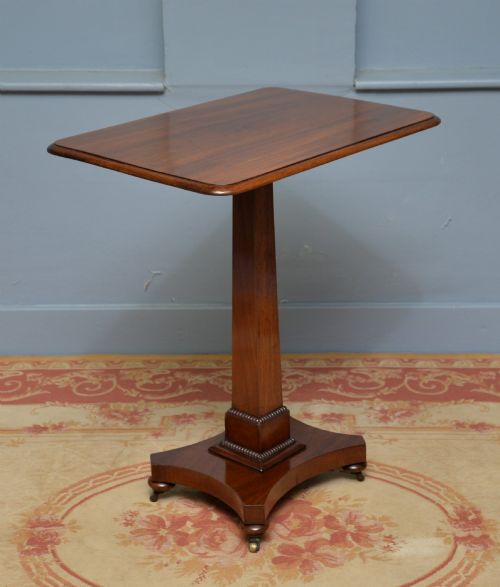
The versions met most frequently on this page date from the Georgian, Regency, and Victorian periods. They appear in formats such as occasional tables, centre tables, and pedestal supper tables used traditionally for dining or evening hospitality.
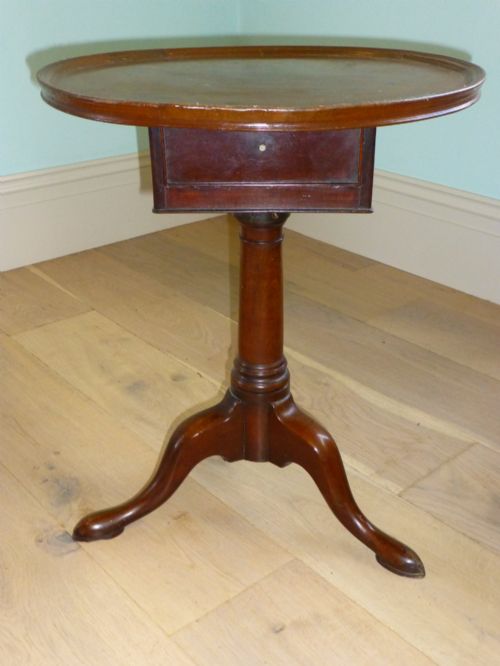
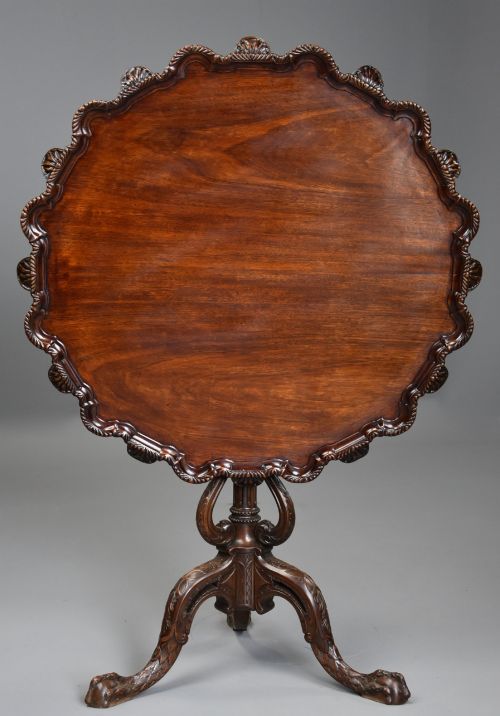
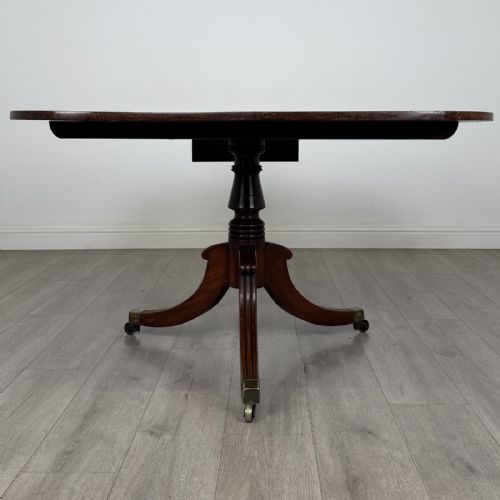
Woods such as mahogany, rosewood, and oak dominate these pieces, often supported on turned pillars or tripod legs fitted with brass casters. Many feature round, oval, or pie crust edges that highlight the craftsmanship of eighteenth and nineteenth-century workshops.
Materials and construction
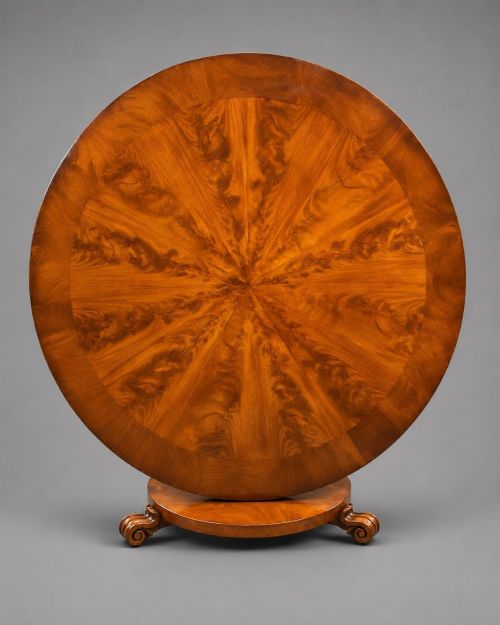
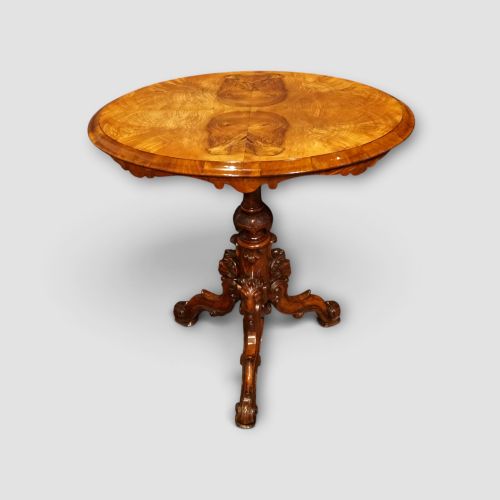
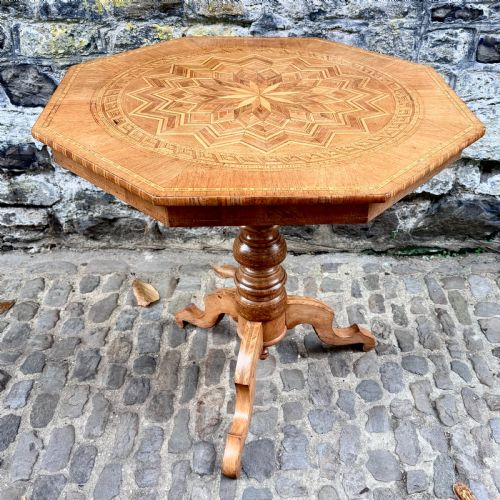
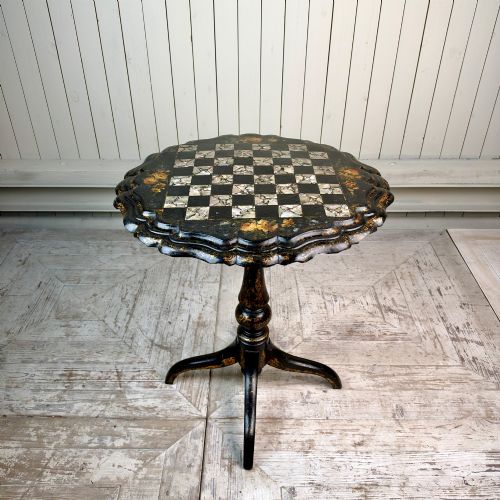
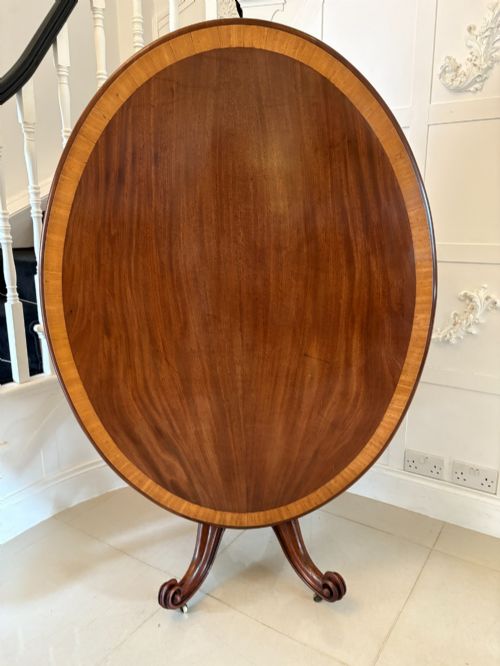
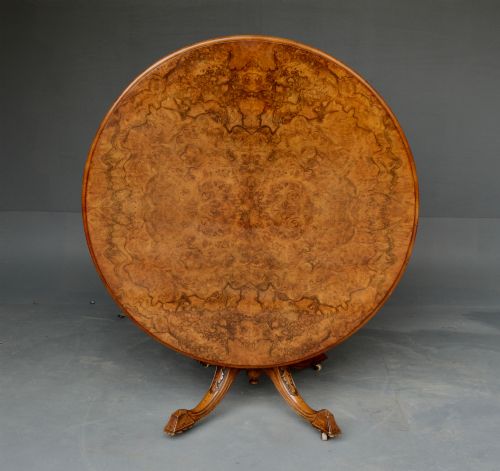
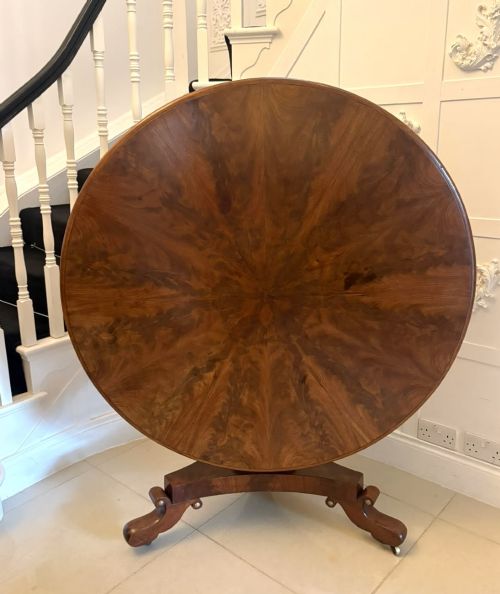
Cabinetmakers utilised dense hardwoods like solid mahogany, oak, and rosewood for structural stability, frequently pairing them with flame mahogany veneer or burr walnut to create decorative tabletop surfaces. Marquetry, parquetry, and inlaid details appear on later nineteenth-century examples from European workshops.
The tilting mechanism relies on a clever catch and block arrangement fixed beneath the top, allowing the surface to pivot smoothly on a central column or tripod base. Brass hardware, including pivoting catches and castors, secures the mechanism and aids mobility.
Antique Tilting Table Retail Price Guide 2026
Typical asking prices for tilting table among the pieces listed under this phrase on Sellingantiques today, from the lower quarter to the upper quarter. They describe what is for sale here now, not the wider market.
Some nineteenth-century French wine tasting tables were built to tilt so merchants could inspect cask bottoms without spilling their samples.
Judging quality in pivot tables
Quality rests upon the integrity of the tilting mechanism and the stability of the central column or tripod legs. A superior piece operates with a firm, secure catch that holds the top rigid when horizontal and allows a balanced pivot without excessive play in the hinge.
The choice of timber and the execution of surface details further separate ordinary examples from finer ones. Finely figured veneers, intricate marquetry inlay, and well-carved tripod bases indicate higher workshop standards and greater original cost.
Gillows
The Antique Tilting Table Glossary
- Tilt top
- A hinged tabletop mechanism that allows the surface to pivot vertically against the pedestal for compact storage. This design originated to clear floor space in smaller domestic rooms between meals.
- Tripod base
- A three-legged support structure commonly found beneath smaller occasional and wine tables. It provides stable footing on uneven floors.
- Pie crust edge
- A decorative raised border carved into the perimeter of a circular tabletop, often shaped in undulating curves. This technique requires considerable skill from the woodcarver.
- Snap top
- An alternative term for a tilting table mechanism featuring a spring catch that locks the top into the horizontal position. The catch releases manually to let the surface drop.
- Breakfast table
- A medium-sized pedestal table originating in the Georgian and Regency periods used for morning meals or as a centre table in larger rooms. These frequently feature the tilting mechanism.
Antique Tilting Table: Frequently Asked Questions
What is an antique tilting table used for?
These pieces served multiple domestic functions including serving wine, taking breakfast, or providing a central surface in principal rooms. The pivoting mechanism allowed them to be tipped upright and pushed against a wall to clear space.
In modern homes, they function well as occasional surfaces or lamp tables while retaining their original mechanical interest and historical character.
How do you operate the tilt mechanism?
Most examples utilise a wooden or brass catch fitted beneath the tabletop that locks the surface flat against the pedestal block. Releasing this catch allows the top to pivot upright on its hinge for storage.
Care should be taken when lowering the top to ensure the catch engages fully and securely before placing items on the surface.
How do I tell Georgian from Victorian tables?
Georgian examples from the eighteenth century typically exhibit restrained lines, solid mahogany construction, and simple tripod or pillar supports. Their proportions lean towards classical restraint and architectural balance.
Victorian pieces often display heavier proportions, richer timbers like burr walnut or rosewood, and more elaborate decoration such as marquetry inlay, carving, or serpentine edges.
Are all tilt top tables round?
While circular tops are common on tripod wine and breakfast tables, many examples feature oval, rectangular, or shaped edges. Larger dining and centre tables frequently use oval or oblong formats supported by multiple pillars.
Edge treatments also vary from plain moulded profiles to carved pie crust designs and inlaid borders.