

Antique Tiered Unit
An antique tiered unit provides stacked display space for books and ornaments, bringing multi-level storage and period character to a room.
Antique Tiered Unit
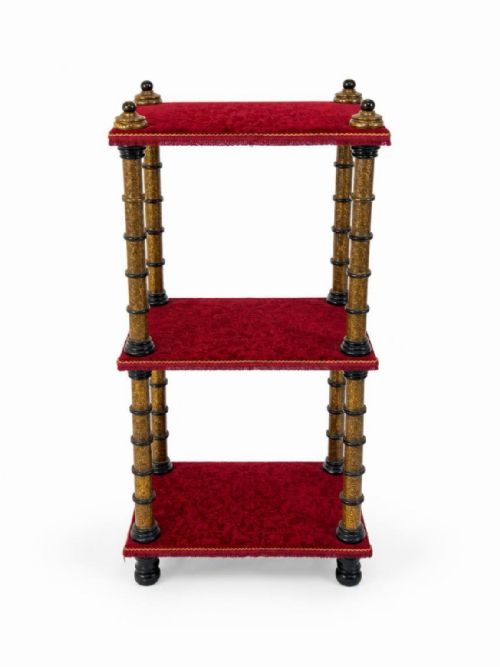
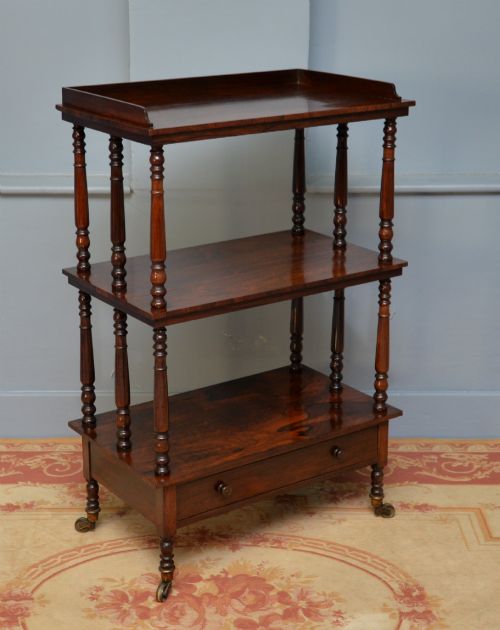
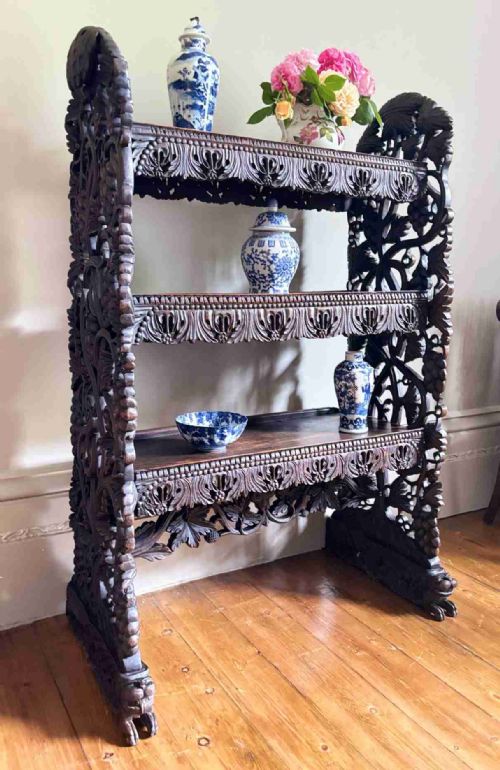
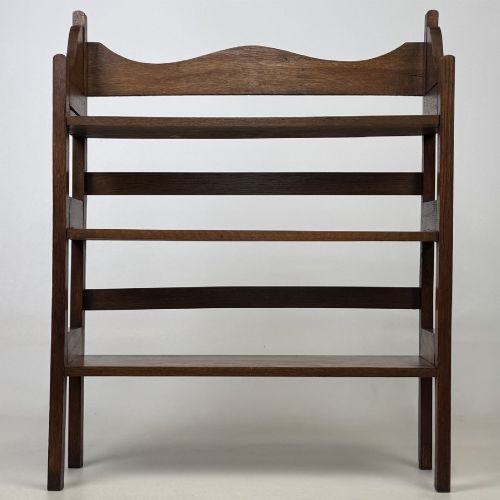
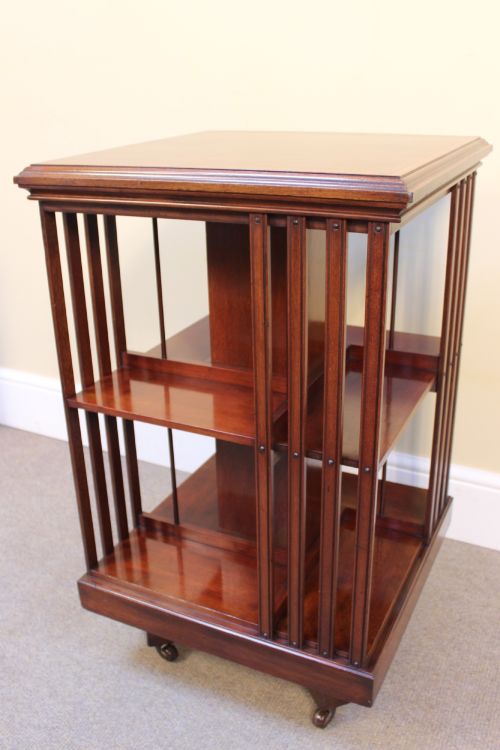
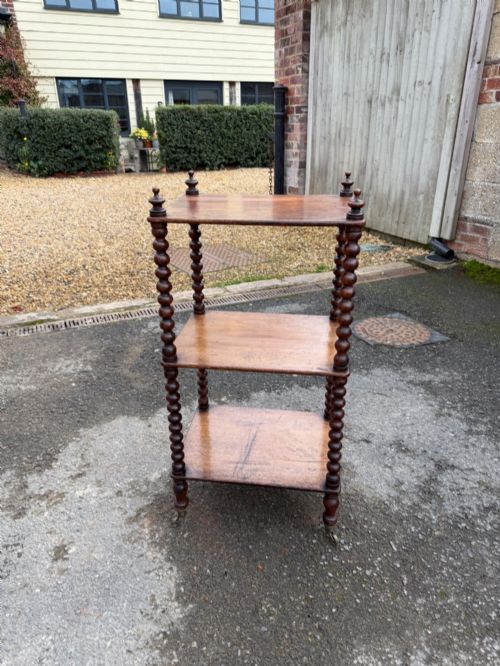
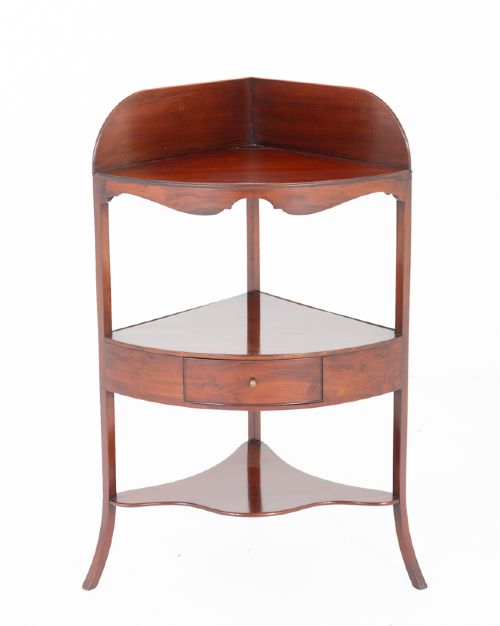
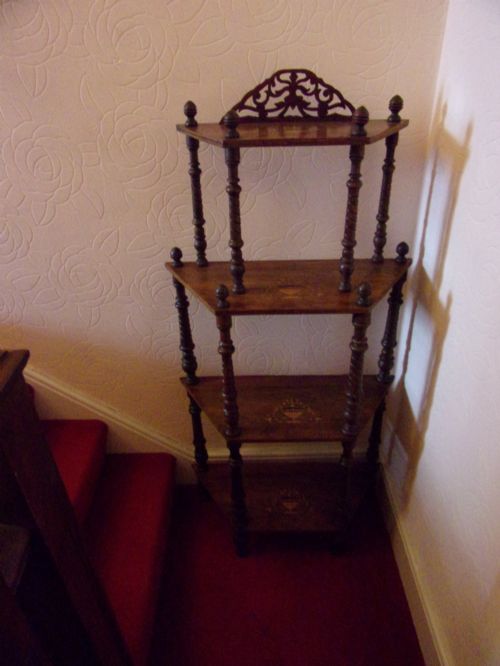
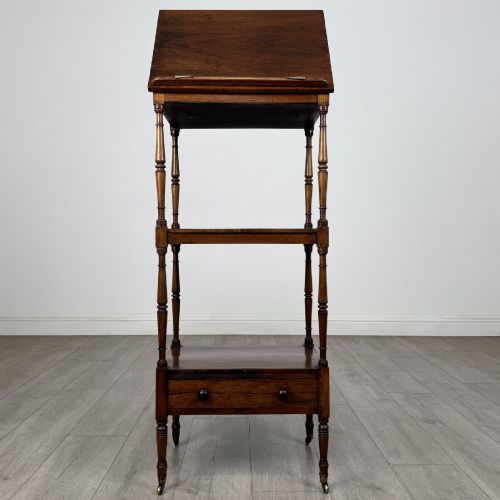
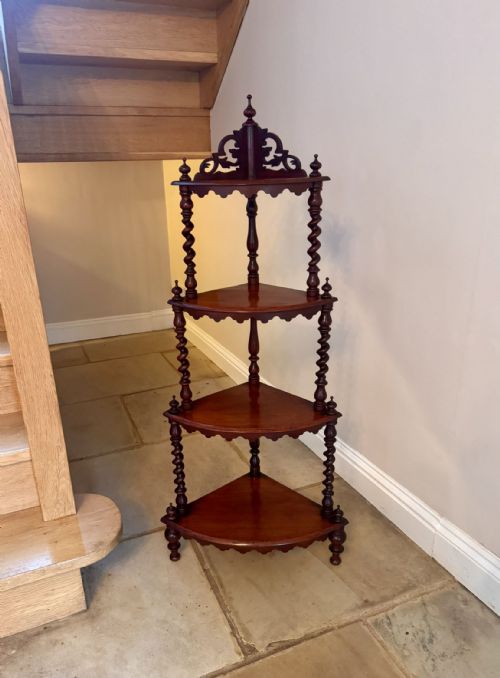
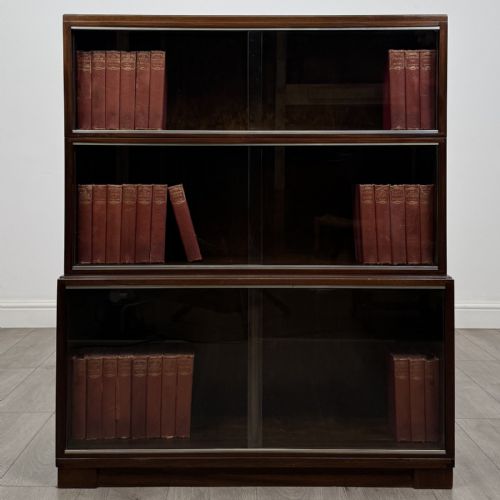
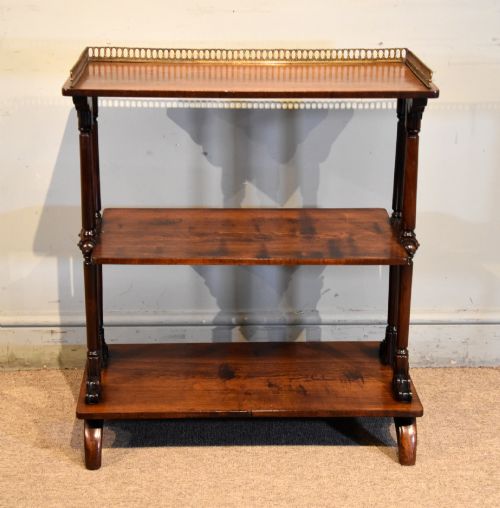
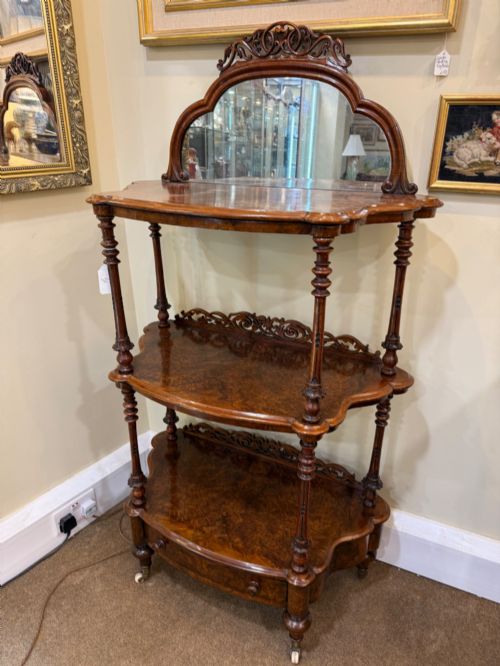
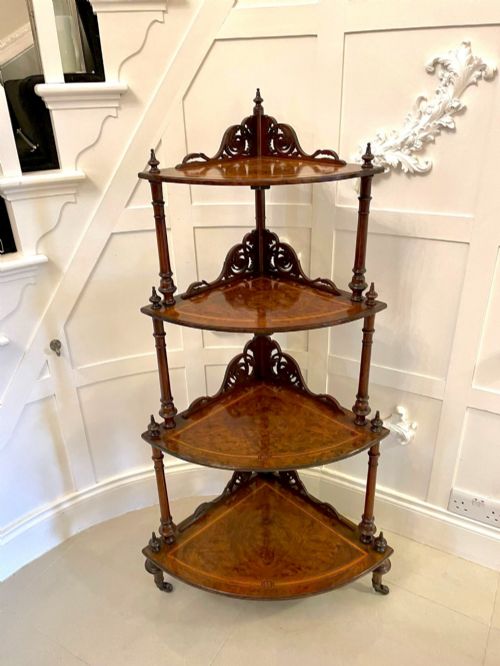
An antique tiered unit encompasses multi-shelved forms designed for display and storage, appearing most frequently on this page as whatnots, etageres, and bookcases dating from the Georgian, Regency, and Victorian eras. These pieces offer graduated tiers supported by turned or barley twist columns, alongside corner units and wall-mounted shelves intended to utilise vertical space.
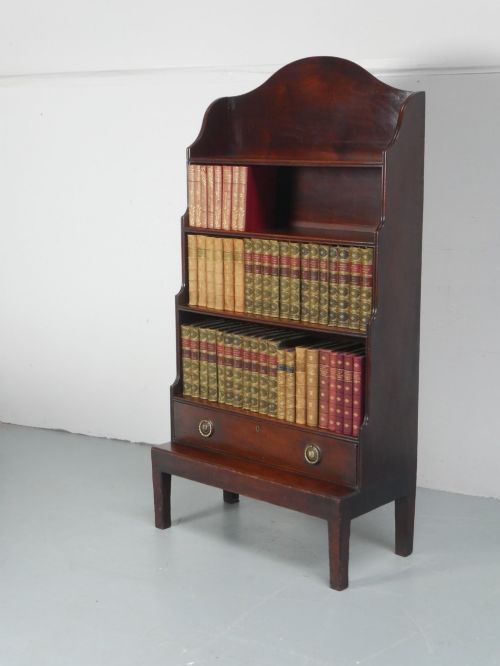
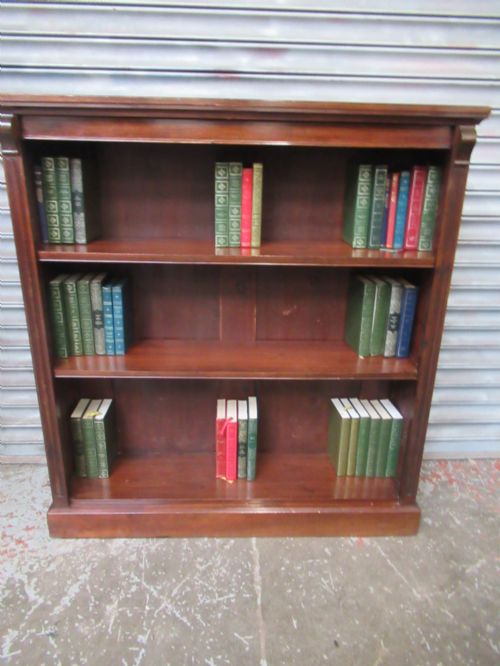
Buyers encounter numerous variations ranging from small rosewood étagères and mahogany waterfalls to large burr walnut corner whatnots and oak open bookcases. Edwardian examples introduce brass details and inlaid mahogany, while earlier Georgian and Regency pieces rely on figured timbers and architectural proportions.
Materials and construction
Joinery techniques involve precise tier supports, turned uprights, and carved detailing, with corner joints and wall fixings engineered to bear the weight of multiple stacked shelves. Timber surfaces received polished finishes that highlight the natural grain patterns of the walnut and mahogany.
Antique Tiered Unit Retail Price Guide 2026
Typical asking prices for tiered unit among the pieces listed under this phrase on Sellingantiques today, from the lower quarter to the upper quarter. They describe what is for sale here now, not the wider market.
Some nineteenth-century whatnots were built with removable castors so servants could wheel the entire display out of the way before dinner.
Craftsmanship and distinction
Quality in an antique tiered unit rests upon the choice of timber and the ambition of the design, distinguishing standard utility shelving from serpentine-shaped pieces with exceptional burr walnut veneers. The crispness of turned columns, the refinement of inlaid details, and the overall balance of proportion separate standard production from superior cabinet work.
Finer examples demonstrate careful selection of grain matching across tiers and sophisticated structural silhouettes such as waterfall curves or serpentine fronts. The integration of supporting elements like barley twist uprights or brass fittings further indicates the original maker's investment in design.
The Antique Tiered Unit Glossary
- Etagere
- A French term for a piece of furniture with a series of open shelves for display. These units often feature slender uprights and delicate proportions.
- Waterfall bookcase
- A set of open shelves where each tier recedes from the one below, following a stepped diagonal profile. They are commonly found in mahogany and walnut.
- Burr walnut
- A prized timber veneer taken from the warted growths of walnut trees. It yields complex, swirling grain patterns highly valued in Victorian cabinet making.
- Astragal glazed
- A method of securing small panes of glass within a cabinet door using wooden mouldings or bars. This technique creates geometric window patterns.
Antique Tiered Unit: Frequently Asked Questions
What is an antique tiered unit used for?
These units serve as multi-level display and storage furniture for books, ceramics, and decorative objects. Their stacked design allows them to occupy minimal floor space while offering substantial surface area.
In period interiors, they functioned as versatile display furniture in principal reception rooms. Today, they fulfil a similar role by holding collections in modern living spaces.
How do I identify a Victorian tiered unit?
Victorian examples frequently utilise burr walnut or mahogany, often featuring decorative turning such as barley twist columns or serpentine shaped shelves. These pieces date from the nineteenth century and tend to exhibit heavier proportions than earlier Georgian designs.
Darker polished finishes and rich wood grains characterise the period. Many incorporate corner configurations designed to fit domestic room layouts.
What is the difference between an etagere and a whatnot?
An etagere generally originates from French design influences and often employs lighter, more delicate framing with brass or exotic wood accents. A whatnot is typically associated with British cabinet making and heavier turned supports.
Both serve the same fundamental purpose of multi-tiered display shelving. The distinction usually lies in the stylistic vocabulary of the legs and uprights.
Where should I place a corner tiered unit?
Corner units suit unused room junctions, transforming empty angles into functional display space for books or collections. They anchor vertical planes without protruding into the main circulation path of a room.
Matching pairs of corner whatnots provide symmetry when placed on opposite sides of a fireplace or window. Their angled backs ensure a secure fit against intersecting walls.