

Antique Tiered Chandelier
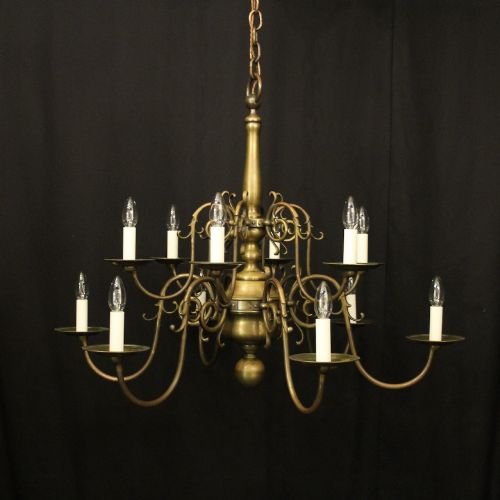
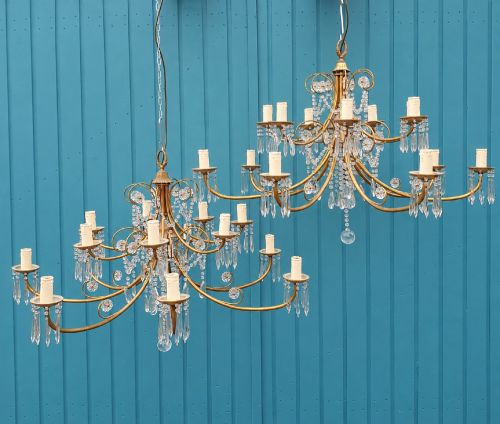
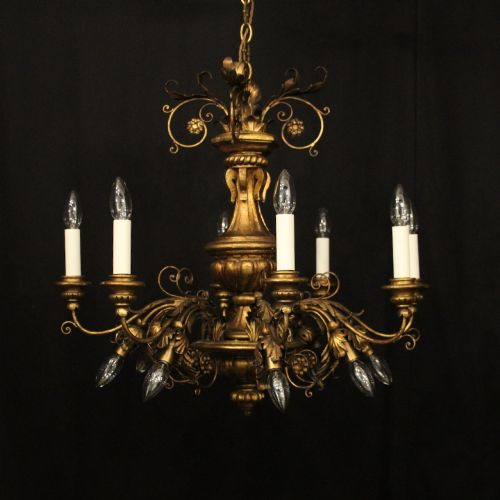
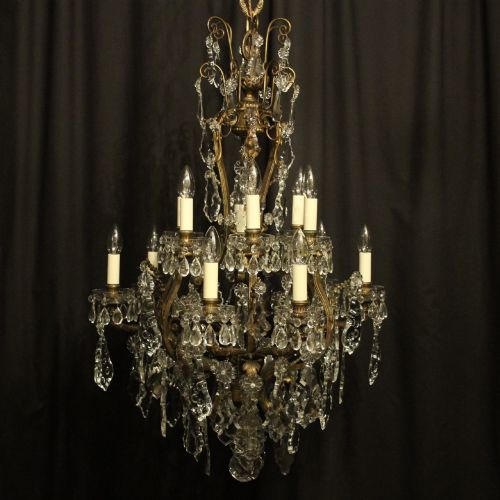
An antique tiered chandelier commands a room with multiple levels of glass and bronze, casting bright points of light across a ceiling.
Antique Tiered Chandelier
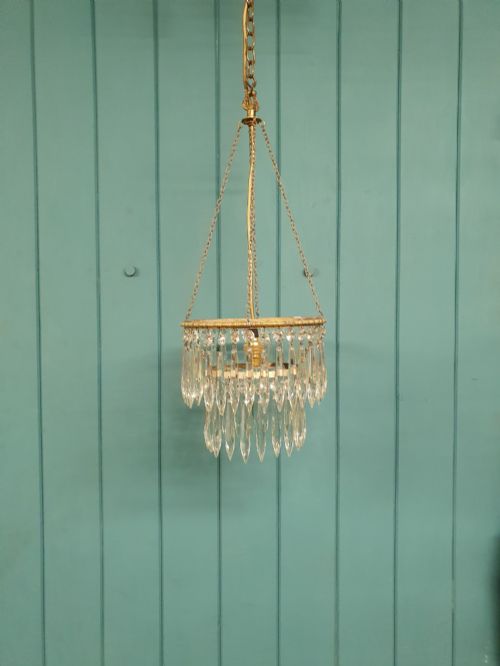
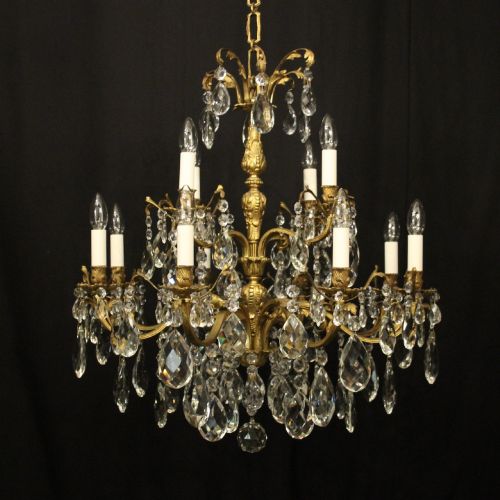
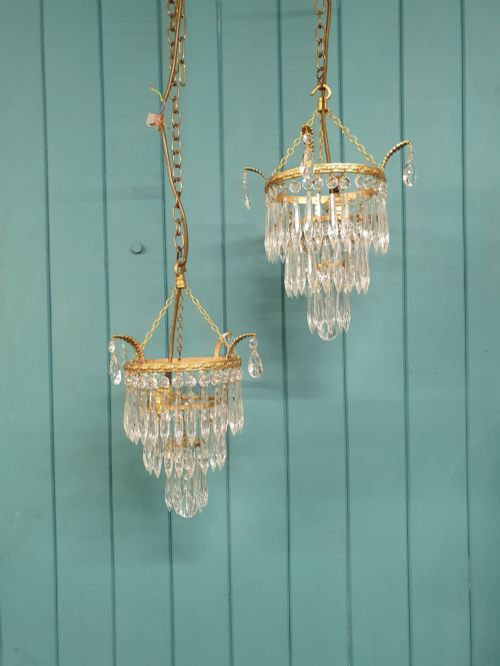
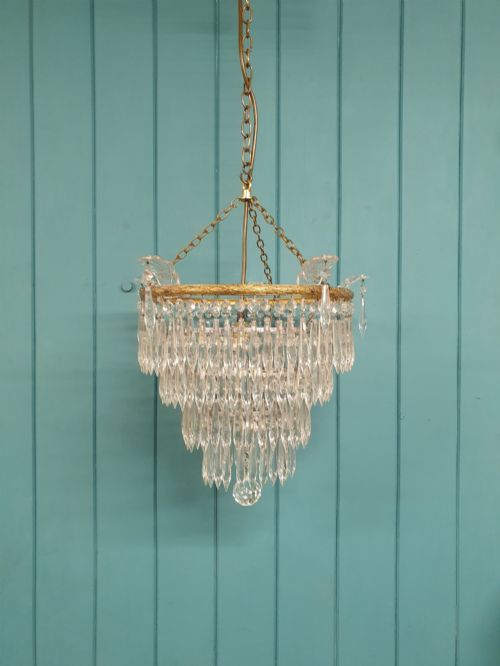
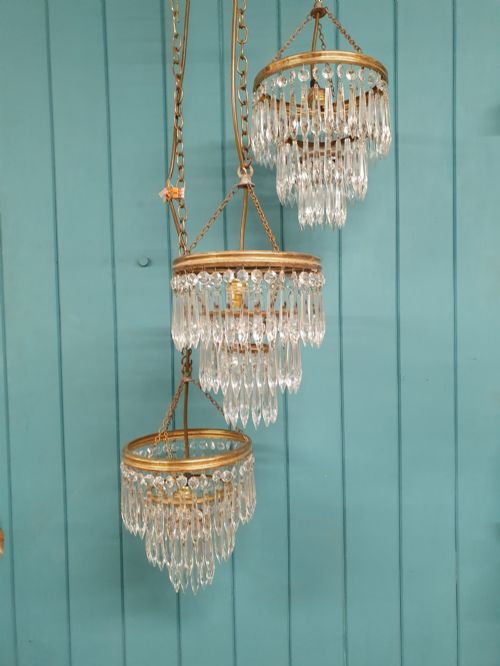
An antique tiered chandelier organises illumination across two, four, or five vertical levels, creating a cascading silhouette of glass and metal. These fixtures emerge in forms ranging from compact nine-inch spikes to twenty-five-light masterworks spanning the nineteenth and early twentieth centuries.
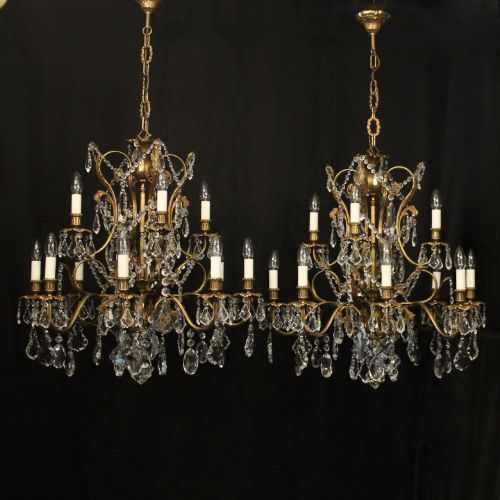
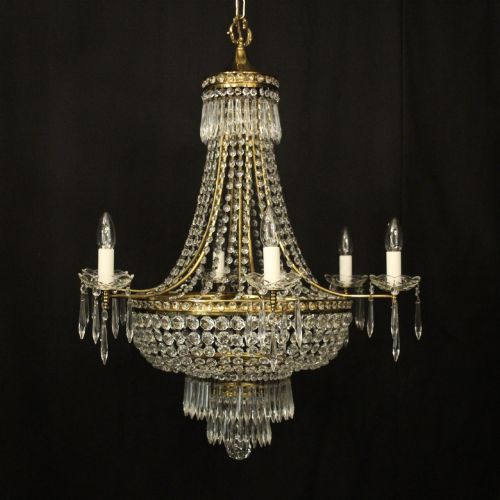
French ateliers dominate the surviving selection, particularly those working in the Empire and Rococo idioms, alongside English, Swedish, and Italian makers. Buyers encounter double-tiered bronze frames and multi-tiered glass arrangements that reflect the grand scale of period interior lighting.
Materials and construction
Master metalworkers cast frames in brass, gilt bronze, and silver-gilded metal to support the heavy weight of glass drops. These structural skeletons take the form of circular rings or tiered bands linked by delicate wirework.
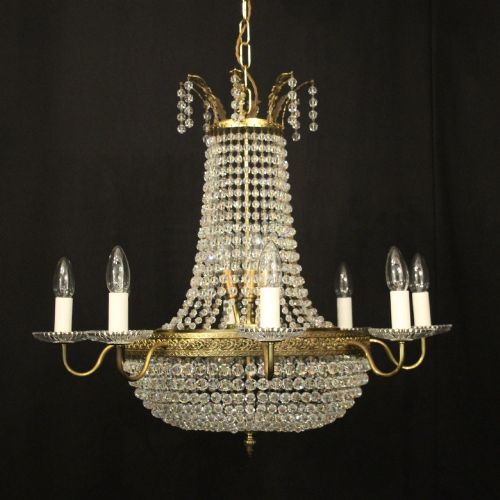
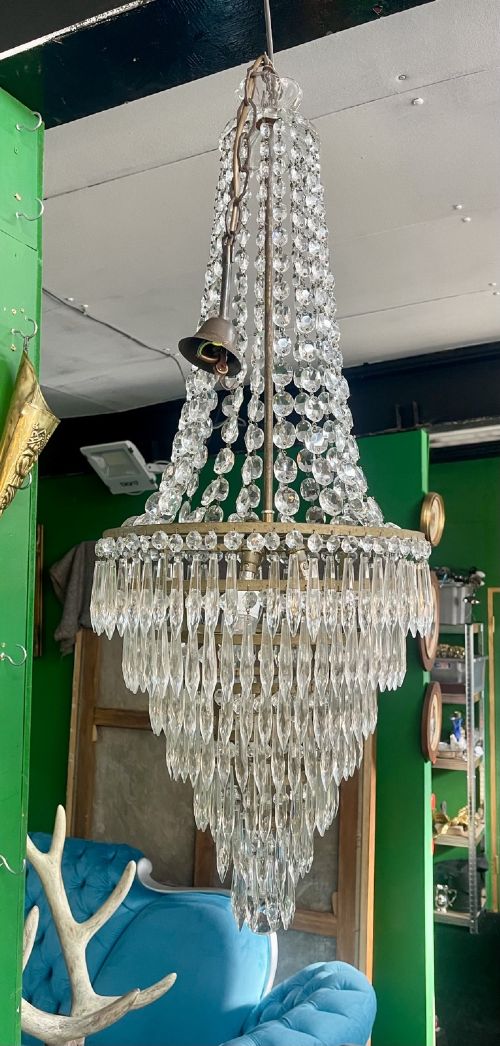
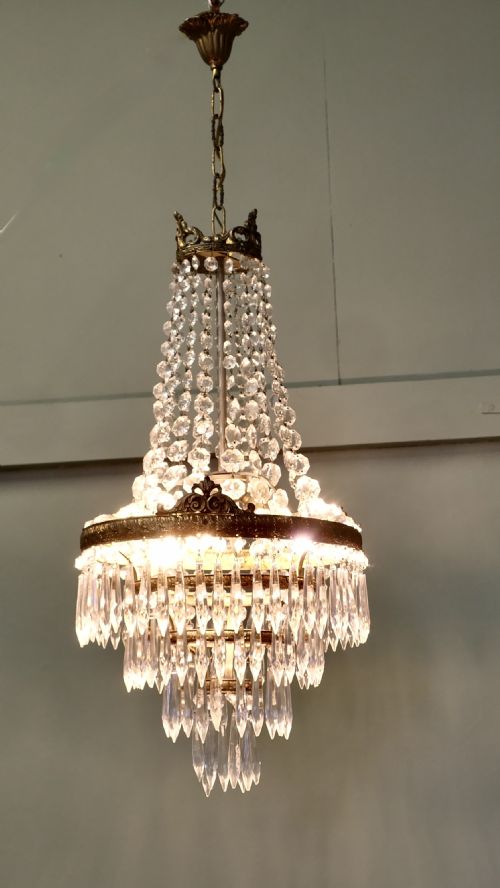
Cut glass, crystal, and leaded droplets are suspended in tents and waterfalls to refract light from numerous candle or electric arms. Individual components like spikes, lustres, and beads are wired by hand onto the metal tiers.
Antique Tiered Chandelier Retail Price Guide 2026
Typical asking prices for tiered chandelier among the pieces listed under this phrase on Sellingantiques today, from the lower quarter to the upper quarter. They describe what is for sale here now, not the wider market.
Some Edwardian breakfast rooms were once lit by petite nine-inch spike chandeliers that weighed less than a stout house cat.
Distinguishing quality across tiers
The purity of the crystal and the depth of the metal chiselling separate standard fixtures from exceptional examples. Superior chandeliers utilise hand-cut glass drops with sharp facets that catch ambient light distinctly.
The complexity of the armature dictates the standing of a piece, particularly where multiple tiers integrate cast bronze ornamentation and elaborate bead-swags. Rigidity in the frame construction ensures that heavy multi-layered assemblies hang true without distortion.
The Antique Tiered Chandelier Glossary
- Tent and waterfall
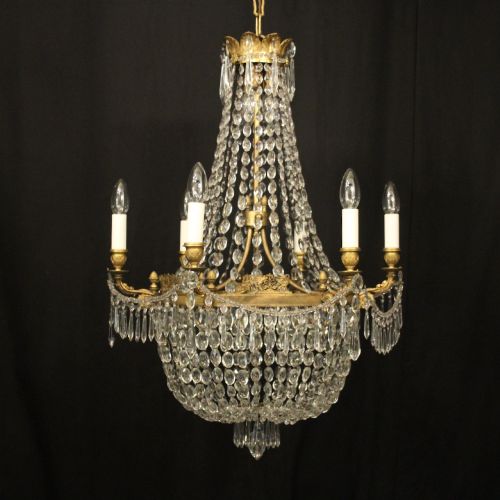
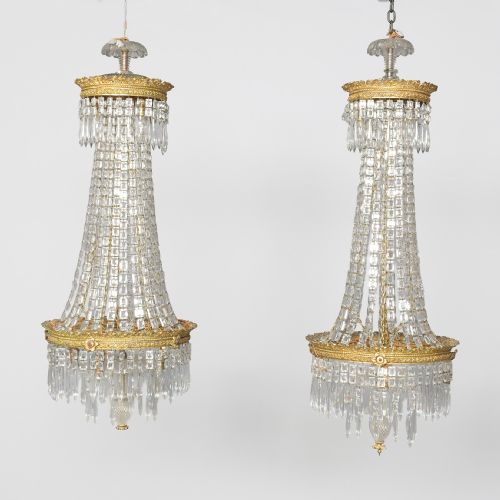
- A mounting style where strings of glass beads form an upper tent shape above a cascading lower tier of drops. This configuration defines many French Empire designs.
- Spike chandelier
- A small fixture terminating in a central glass or metal spike, often measuring under twelve inches. These compact fittings suited smaller chambers.
- Gilded bronze
- A metal base of copper and tin treated with gold leaf or mercury gilding. This technique provides a warm, durable finish characteristic of French chateau lighting.
- Lustre
- A glass pendant or drop suspended from the arms or tiers to enhance reflection. Lustres vary from simple spear shapes to intricate faceted prisms.
- Plafoniere
- A ceiling-mounted light that sits flush or close to the plasterwork. These single-light units share the crystal drops of larger hanging fixtures.
Antique Tiered Chandelier: Frequently Asked Questions
How do I clean an antique chandelier?
Maintenance requires wiping each glass drop individually with a mild solution while the fixture remains hung. Dismantling the entire frame risks damaging historical wirework.
Technicians use specialised cleaning sprays that dissolve dust without stripping the gilt metal surfaces. Regular dusting prevents grime buildup in the faceted cuts.
Can these chandeliers be wired for modern electricity?
Most surviving fixtures receive internal rewiring to meet contemporary safety standards while retaining their original candle tubes or sockets. Professional electricians thread modern flex through the central channels of the metal frame.
Careful conversion preserves the historical appearance without altering the exterior proportions. Low-wattage LED candle bulbs replicate the warmth of period lighting.
What rooms suit a multi-tiered chandelier?
Large multi-tiered arrangements require high ceilings and substantial floor space to balance their visual weight. Entrance halls and principal reception rooms provide the necessary vertical clearance.
Smaller single-tier or spike versions fit comfortably in intimate studies or dining spaces. Scale remains the primary consideration for placement.
How do I identify French Empire style?
French Empire lighting relies on strict symmetry, classical motifs, and prominent tent-and-waterfall configurations. Gilded bronze frames often feature restrained ornamentation inspired by antiquity.
These pieces contrast with the flowing, asymmetrical curves of Rococo revival designs. The silhouette provides an immediate visual indicator of the design period.