




Antique Telephone
An antique telephone is a practical communication piece that brings historic mechanical character into a room.
Antique Telephone
An antique telephone is a functional historic device designed for voice communication, appearing on this page in forms ranging from early metal designs to converted Bakelite units. These pieces span the early twentieth century, reflecting the rapid development of public and private communication networks.
Buyers seeking an antique telephone will most commonly encounter GPO Bakelite models from the 1930s alongside metal apparatus from Swedish makers. These units often feature modern conversions for contemporary use while retaining their original exterior housing.
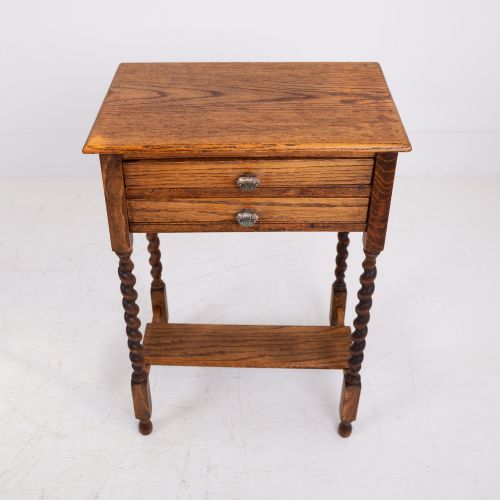
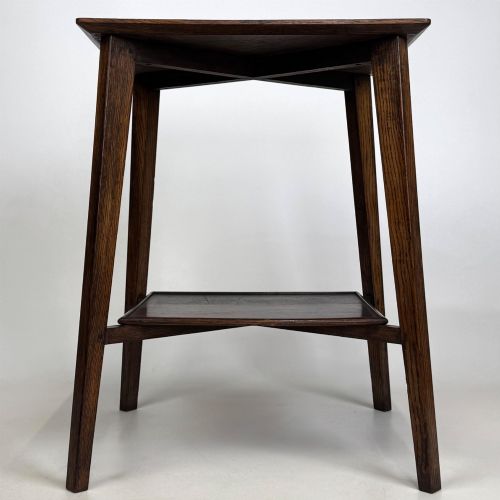
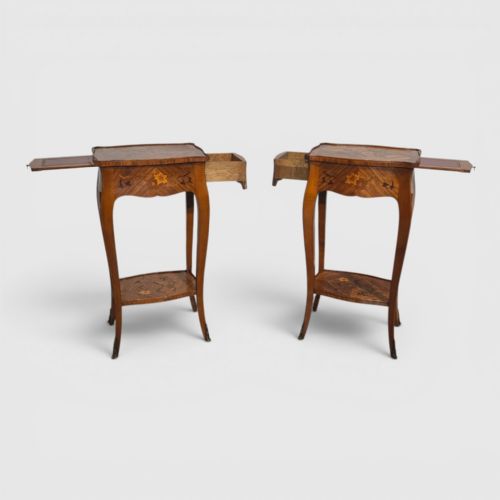
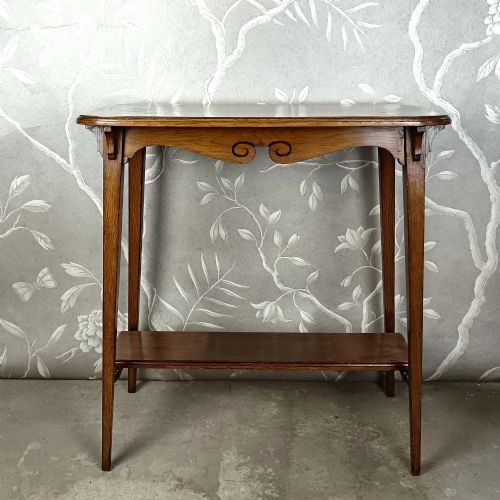
The selection here also includes specialised walnut telephone tables designed specifically to house these heavy desktop units in period hallways and living spaces. Such furniture pieces demonstrate how domestic interiors adapted to accommodate new technology during the early twentieth century.
How they were made
Early twentieth-century production utilised durable metal alloys and heavy-duty Bakelite moulded under intense heat to create robust casings that could withstand daily use. Metal components were frequently finished with enamel or plating to protect the underlying structure from wear.
Wood elements found in associated telephone stands relied on traditional cabinet-making techniques using walnut and oak. These surfaces were often polished or finished to complement the industrial finishes of the communication devices they supported.
Antique Telephone Retail Price Guide 2026
Typical asking prices for telephone among the pieces listed under this phrase on Sellingantiques today, from the lower quarter to the upper quarter. They describe what is for sale here now, not the wider market.
Early telephone operators required exceptional memory and patience, manually connecting calls while listening to endless local gossip.
What varies in quality
The standard of an antique telephone depends upon the original casting precision of the metalwork and the preservation of the moulded Bakelite housing. Finer examples maintain crisp lettering on dials and intact original cords or receiver components.
Quality in associated furniture pieces is distinguished by the selection of timber veneers, the tightness of structural joints, and the retention of original hardware. Well-executed internal mechanisms and careful conversion work separate utilitarian survivals from exceptional collector pieces.
The Antique Telephone Glossary
- Bakelite
- An early form of synthetic plastic used extensively for telephone casings from the 1930s onwards. This material is valued for its hard, glossy finish and durability.
- GPO
- An abbreviation for the General Post Office, which managed British telecommunications networks and standardised equipment design for decades. Units bearing this mark reflect official state utility standards.
- Rotary dial
- A circular finger wheel mechanism used to signal telephone exchanges by interrupting the electrical circuit. This mechanical interface defines the tactile experience of mid-century telephony.
- Handset
- The combined receiver and transmitter unit held by the user during a conversation. Early versions featured heavy brass or Bakelite construction connected via braided cords.
Antique Telephone: Frequently Asked Questions
Do antique telephones still work today?
Many surviving units have been internally converted to operate on modern telephone networks while preserving their original external appearance.
Buyers should check individual listings to confirm whether a specific device is wired for contemporary service or kept purely for display.
How do I clean Bakelite telephone casings?
Bakelite surfaces respond well to gentle cleaning with a damp cloth and mild soap to remove dust without damaging the vintage finish.
Avoid harsh chemical solvents or abrasive pads that can dull the characteristic gloss of the plastic housing.
Where should I place a telephone table?
These specialised tables were traditionally positioned in hallways or beside seating areas where calls could be answered conveniently.
Today, they function effectively as compact accent furniture or dedicated display stands for vintage technology.
How do I identify a 1930s telephone?
Pieces from this decade frequently incorporate moulded Bakelite bodies and integrated rotary dial mechanisms housed within streamlined geometric forms.
Consulting manufacturing stamps on the base or internal chassis often reveals exact production dates and issuing authorities.