







Antique Tavern Furniture
These pieces of antique tavern furniture are sturdy utilitarian tables, benches and chairs built for public houses to last.
Antique Tavern Furniture
When you search for antique tavern furniture, you encounter robust wooden seating and tables designed for commercial alehouses and inns. These items span from the seventeenth century through the Victorian era, reflecting the heavy daily use of public gathering spaces.
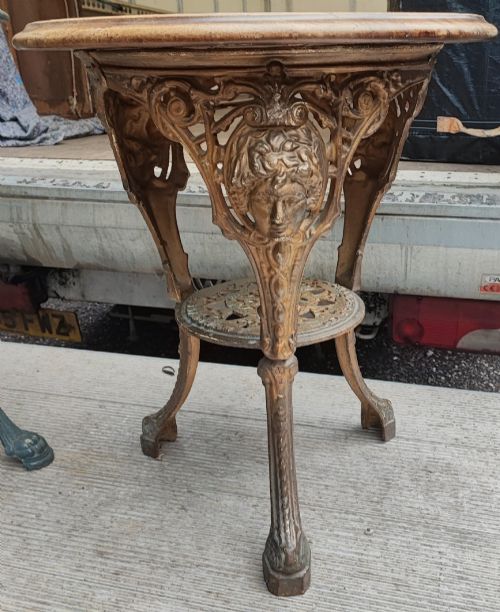
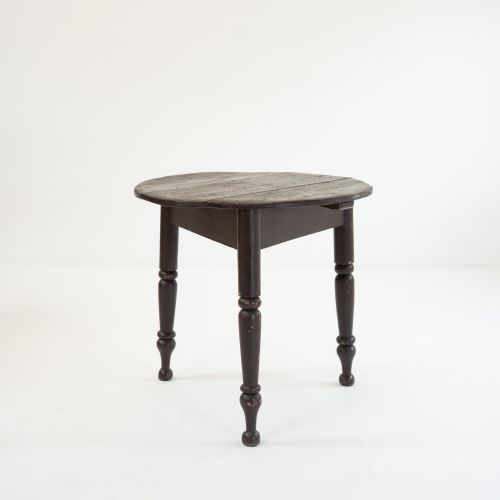
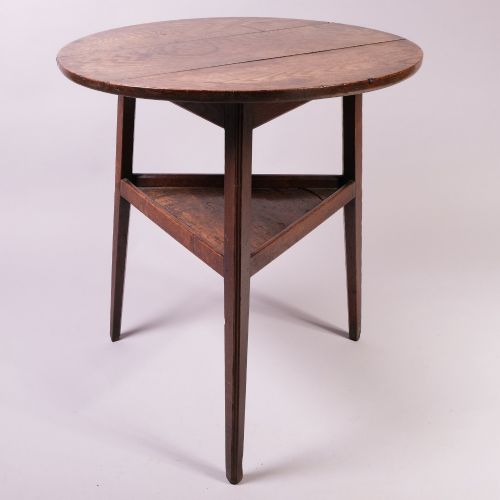
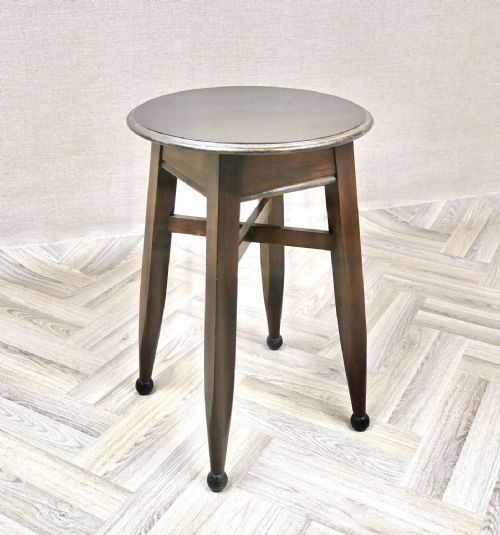
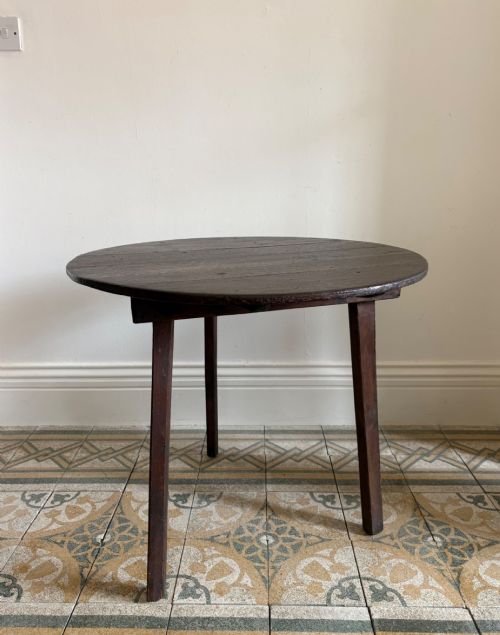
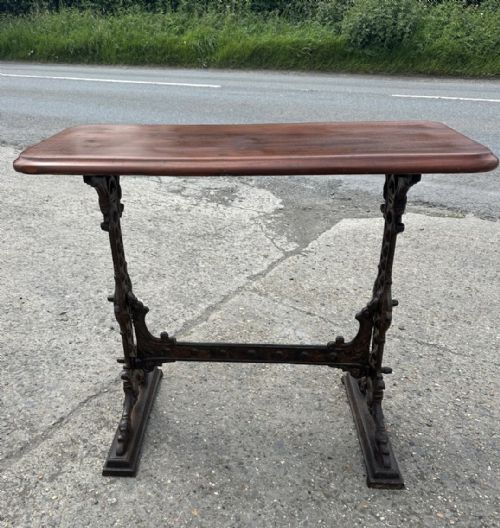
The most common forms on this page include cricket tables with three legs, refectory tables with long plank tops, and sturdy benches or settles. Pub tables featuring cast iron bases and timber tops also appear frequently alongside low stick-back armchairs.
Origins stretch across English, Welsh and Spanish workshops, utilising local timbers suited to utilitarian service. Many pieces display simple regional vernacular styles rather than high court designs.
How they were made
Makers relied on durable native hardwoods and softwoods including oak, elm, ash, pine and sycamore, often combining timbers within a single piece. Table tops utilised single planks or joined boards secured to heavy frames or cast iron pedestals.
Construction prioritized strength through pegged joints, sturdy stretchers and X-frames designed to withstand uneven floors and heavy loads. Surfaces frequently received simple painted finishes or left exposed to develop deep patinas through years of use.
Antique Tavern Furniture Retail Price Guide 2026
Typical asking prices for tavern furniture among the pieces listed under this phrase on Sellingantiques today, from the lower quarter to the upper quarter. They describe what is for sale here now, not the wider market.
Listings feature timbers including oak, elm, ash, pine and sycamore combined with cast iron bases.
What varies in quality
Quality rests upon the integrity of the timber and the survival of original surfaces, such as early red paint or untouched patinated wood. Pieces retaining their primary structural components and authentic fixings command greater interest than heavily altered examples.
Proportion and construction depth separate standard utilitarian items from finer regional vernacular work. A well-balanced cricket table with pleasing leg splay displays superior craftsmanship compared to a crude utility bench.
The Antique Tavern Furniture Glossary
- Cricket table
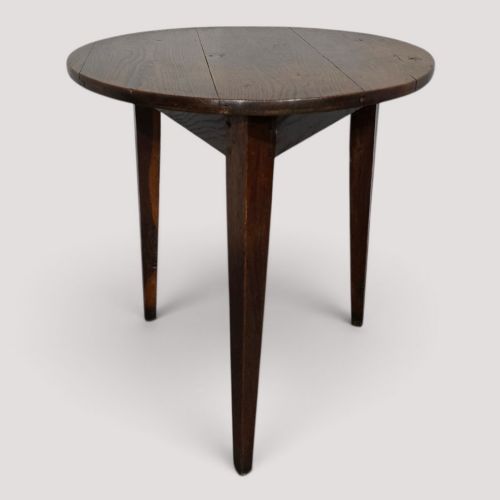
- A small wooden table traditionally featuring three legs, designed to stand steadily on uneven floors. This form appears frequently in oak, pine and elm.
- Settle
- A high-backed wooden bench with solid sides intended to block draughts in public houses and farmhouses. These often incorporate enclosed storage beneath the seat.
- Refectory table
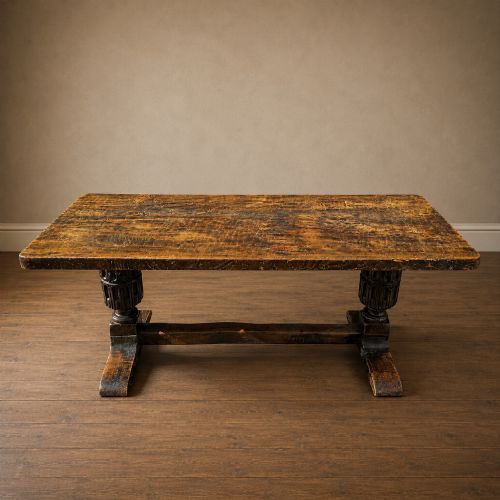
- A long, narrow dining table built with sturdy stretcher supports for communal dining. Examples in this category often feature substantial oak or elm plank tops.
- Britannia table
- A Victorian pub table utilising a heavy cast iron pedestal base paired with a timber top. The iron base frequently depicts patriotic or classical motifs.
- Stick-back armchair
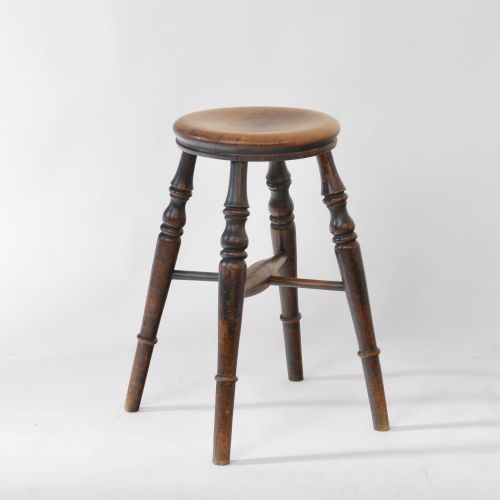
- A seating form constructed with turned legs and spindles inserted directly into a solid wooden seat. These chairs often combine elm seats with ash or sycamore spindles.
Antique Tavern Furniture: Frequently Asked Questions
What is a cricket table?
A cricket table is a small round or triangular table supported by three legs. The three-leg design ensured the table remained stable on uneven flagstone floors found in historic alehouses.
These tables date across the eighteenth and nineteenth centuries, constructed from timbers such as oak, pine, elm and ash.
How were tavern settles used?
Tavern settles served as long wooden benches with high panelled backs and solid sides. They were placed near hearths to shield patrons from draughts in busy public rooms.
Many examples feature hinged seats providing hidden storage compartments for tavern goods or patrons' belongings.
Are cast iron pub tables antique?
Victorian cast iron pub tables feature heavy metal bases mass-produced from the nineteenth century onward. These bases were paired with solid timber tops including mahogany and pine.
The sturdy construction allowed tables to endure heavy commercial use in bustling nineteenth-century public houses.
How do I identify regional styles?
Regional vernacular furniture often utilises locally available timbers and distinct construction traits. Welsh pieces frequently employ native oak and pine with characteristic framing.
Examining the choice of wood and framing methods helps connect pieces to specific West Country or Welsh traditions.