





Antique Tartan Seat
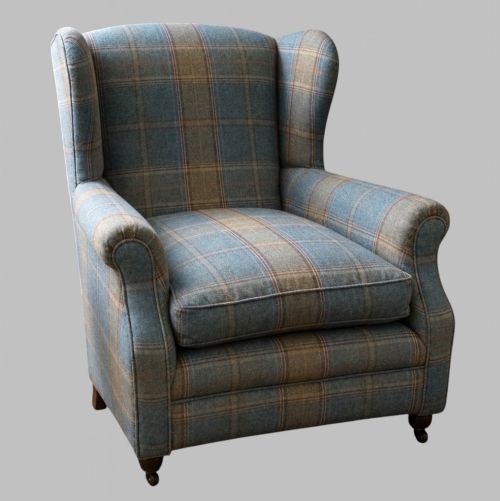
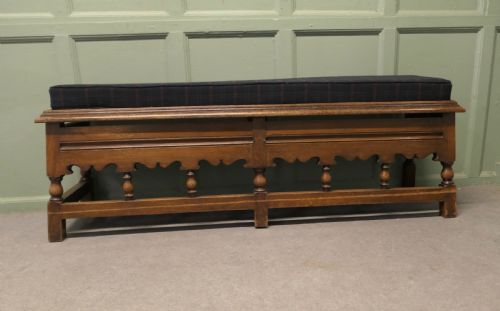
An antique tartan seat brings pattern and texture into a room, offering sturdy wood frames paired with woven wool textiles.
Antique Tartan Seat
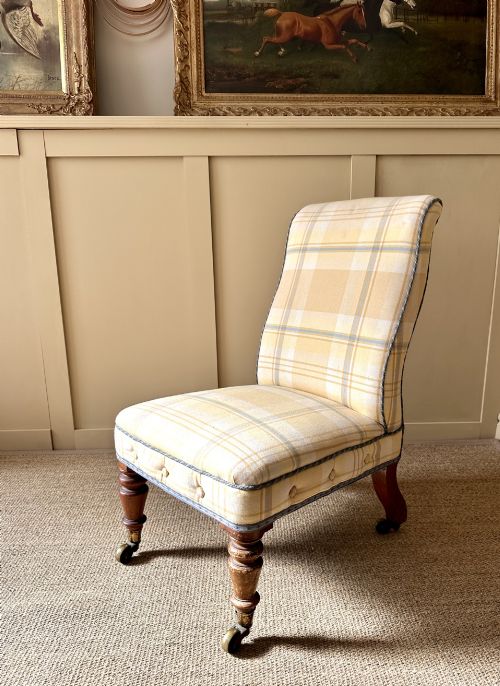
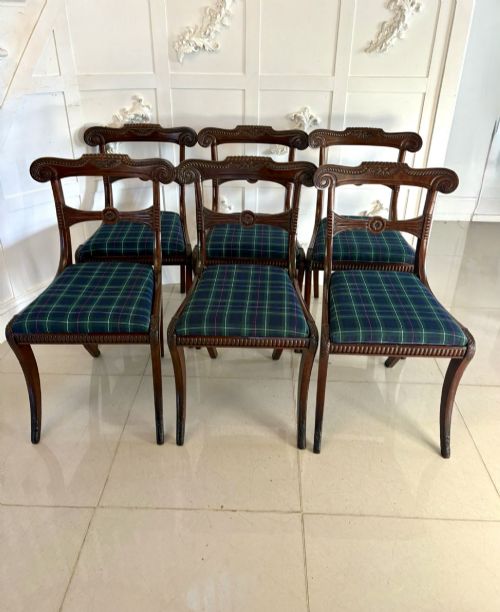
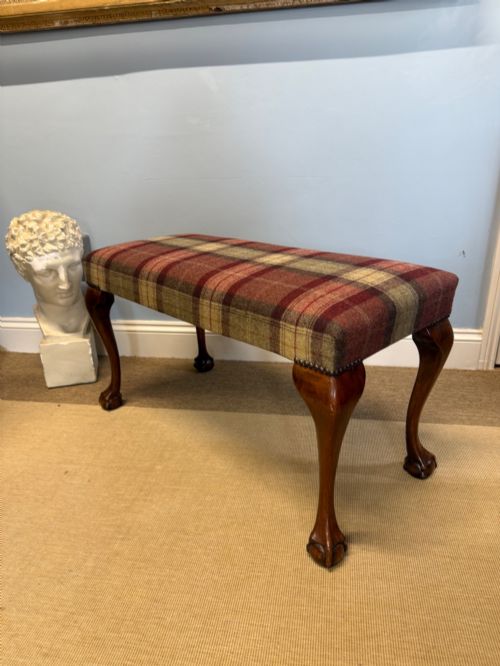
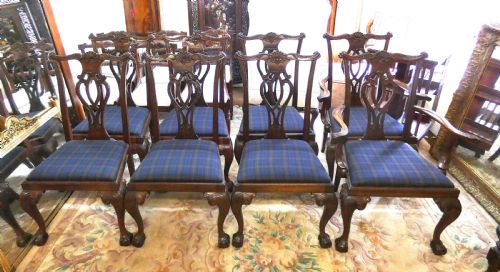
An antique tartan seat comprises chairs, benches, and stools upholstered in traditional woven patterns. Buyers find dining chairs, slipper chairs, and window seats originating from the nineteenth and early twentieth centuries.
The timber frames vary from mahogany and walnut to oak and pitch pine, reflecting styles from Regency and Georgian to Gothic Revival and Arts and Crafts. Many examples incorporate upholstered elements in wool and tweed alongside the wooden structures.
Materials and construction methods
Cabinetmakers constructed the frames using hardwoods like mahogany, walnut, and oak, often incorporating carved details and cabriole legs. Joinery methods relied on traditional techniques to ensure structural stability across chairs and benches.
Upholstery work involved textiles such as wool, tweed, and patterned fabric secured over padding. Brass castors and decorative elements occasionally appeared on Victorian seating pieces.
Antique Tartan Seat Retail Price Guide 2026
Typical asking prices for tartan seat among the pieces listed under this phrase on Sellingantiques today, from the lower quarter to the upper quarter. They describe what is for sale here now, not the wider market.
Boot stores hide inside hall benches, ready for muddy walks.
Assessing quality and craftsmanship
Quality separates pieces by the crispness of the wood carving and the density of the timber used in the frame. Superior examples display balanced proportions and tight joinery that withstands daily use.
The execution of the upholstery work and the selection of the textile dictate the overall finish. Better pieces maintain original structural integrity while showing careful attention to the pattern alignment of the fabric.
Charles Hindley & Sons
The Antique Tartan Seat Glossary
- Carver armchair
- An armchair with solid wooden armrests, historically placed at the head of a dining table.
- Slipper chair
- A low-seated upholstered chair originally designed for bedrooms.
- Bergère armchair
- An enclosed upholstered armchair with exposed wooden framing around the back and sides.
- Club fender
- A low, padded seat structure placed around a fireplace hearth, incorporating metal frames.
- Cabriole leg
- A furniture leg that curves outward and then tapers inward, common in Victorian designs.
Antique Tartan Seat: Frequently Asked Questions
What rooms suit an antique tartan seat?
These pieces fit naturally into hallways, bedrooms, and living spaces where wooden frames and patterned textiles add character. Window seats and benches work particularly well in corridors or beneath sills.
Smaller stools and slipper chairs provide flexible seating that moves easily between rooms as needed.
How are different wood types identified?
Mahogany typically displays a deep reddish-brown tone with a fine grain, while walnut offers a richer, darker figure with varied grain patterns. Oak presents a pronounced grain texture with visible medullary rays.
Pine and other softer woods appear in specific regional or Gothic Revival pieces, often featuring painted or dark stained finishes.
How do I care for the upholstery?
Wool and tweed textiles require gentle brushing and regular vacuuming with a soft attachment to remove dust. Avoiding direct sunlight prevents the woven colours from fading over time.
Professional cleaning is recommended for heavier textile maintenance to protect the underlying padding and fabric fibres.
Can these seats handle daily use?
Solid hardwood frames provide the structural strength necessary for regular seating. Checking the joints ensures the piece remains stable and secure during everyday activities.
Heavier items like dining chairs and club fenders are built specifically for frequent sitting in communal rooms.