
Antique Tabletop Silver
Antique tabletop silver brings functional elegance to surfaces through items like photo frames, mirrors, and cruet sets shaped in sterling silver and silver plate.
Antique Tabletop Silver
When searching for antique tabletop silver, collectors encounter a diverse range of objects designed to ornament and serve domestic spaces. The selections span periods from the nineteenth century through the Edwardian and George V eras, capturing changing tastes in domestic metalwork.
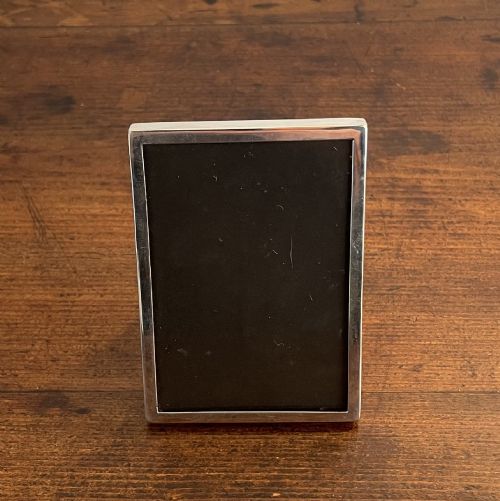
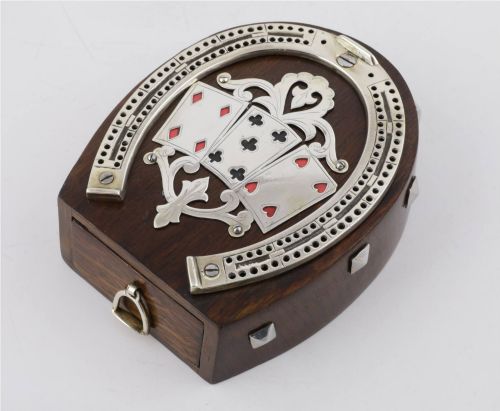
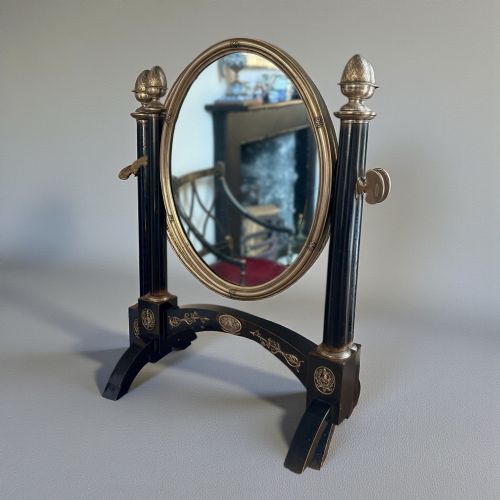
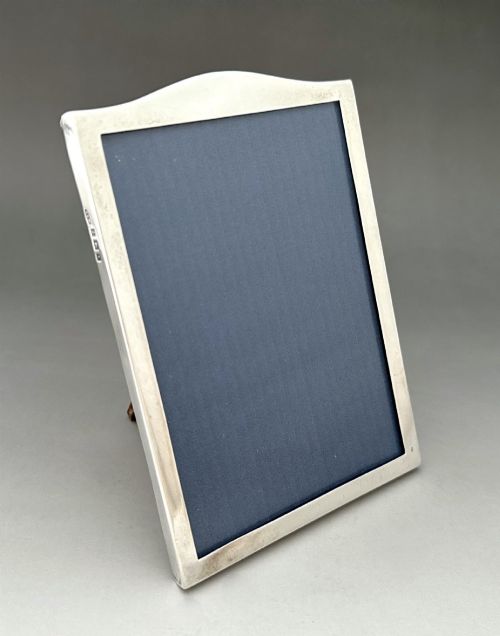
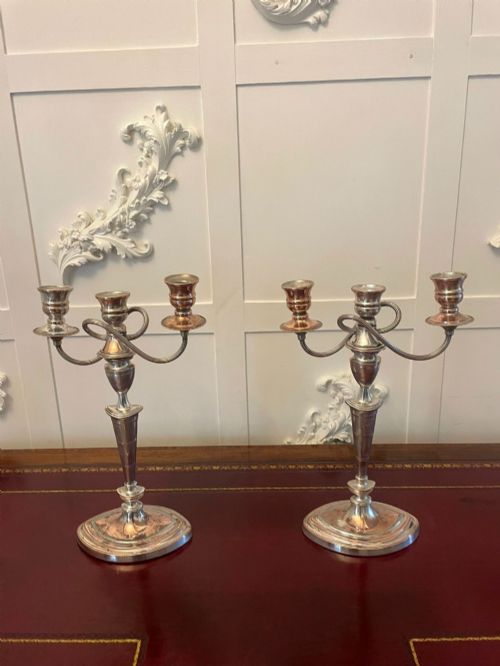
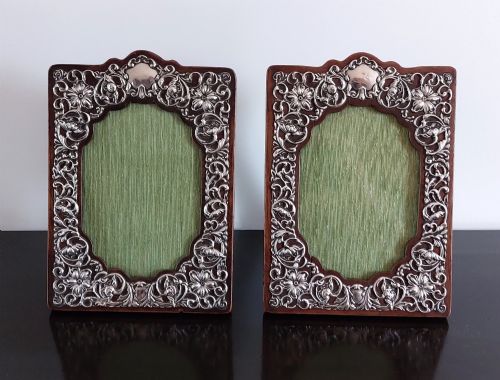
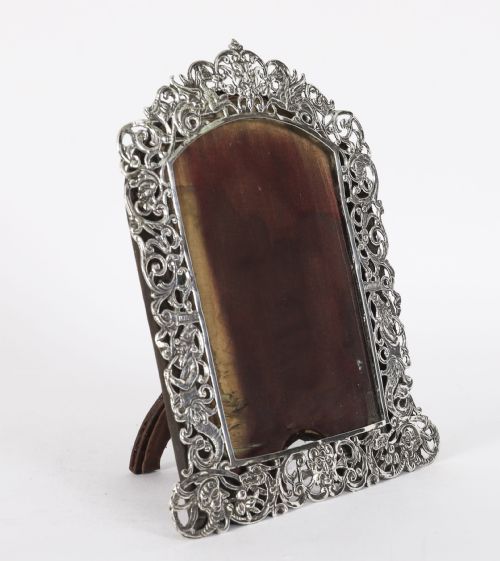
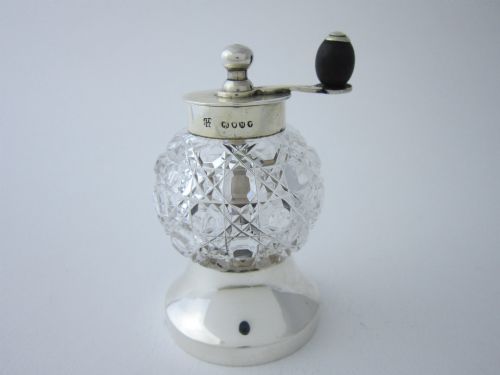
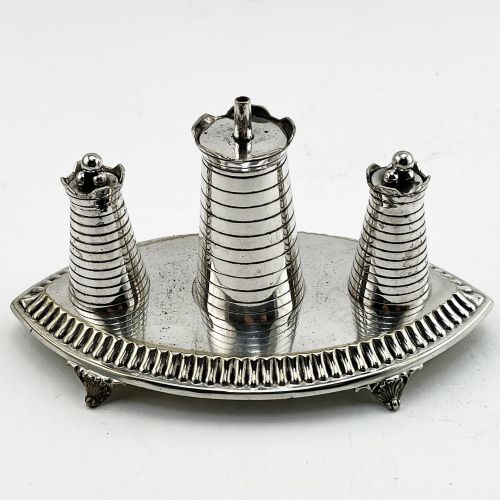
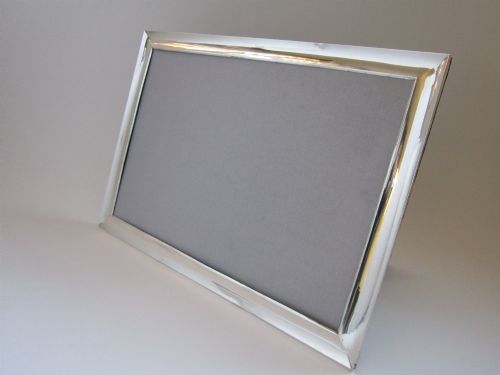
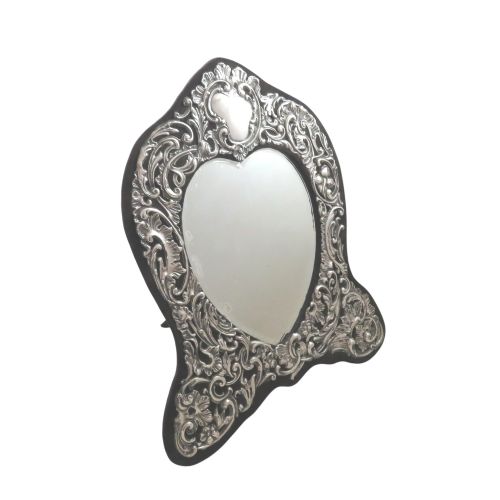
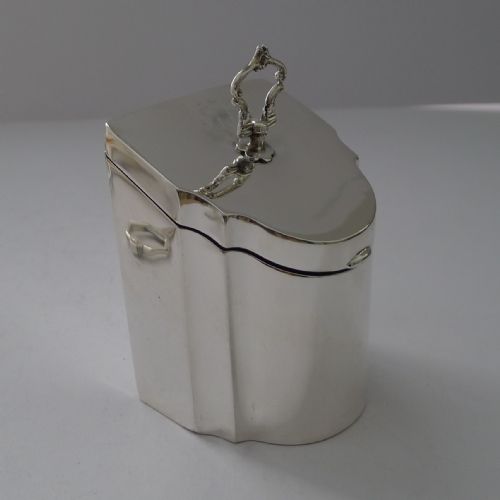
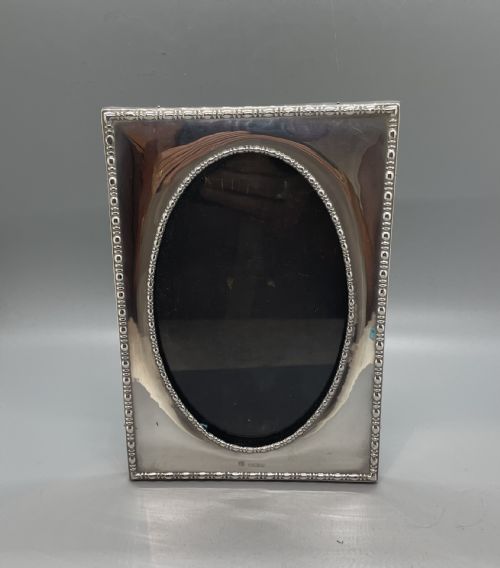
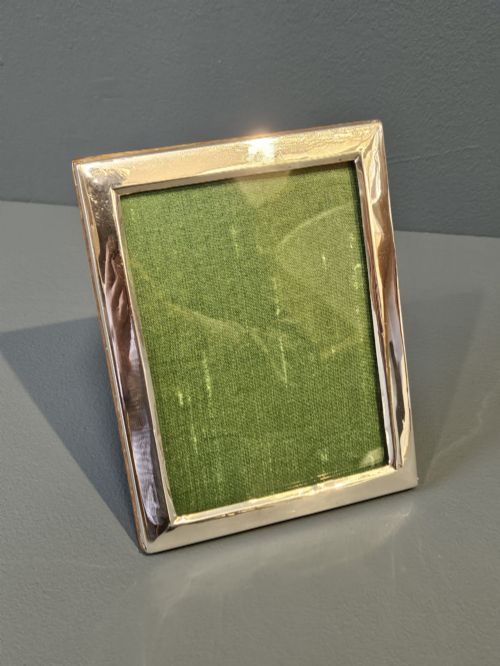
Picture frames, photograph frames, and dressing table mirrors dominate the forms, alongside functional pieces such as cruet sets, pepper grinders, and match strikers. Makers utilised various metals and decorative styles, including Art Nouveau, Art Deco, and Victorian novelty designs, to shape these functional accessories.
Materials and construction methods
Articles utilise sterling silver, silver plate, and specialised components like cut glass, wood, velvet, and fabric inserts. Master smiths combined metals with glass bodies and wooden backings to create sturdy pieces suited for daily desk and dressing table use.
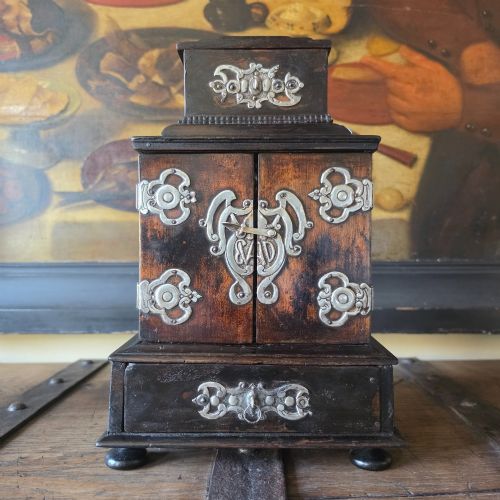
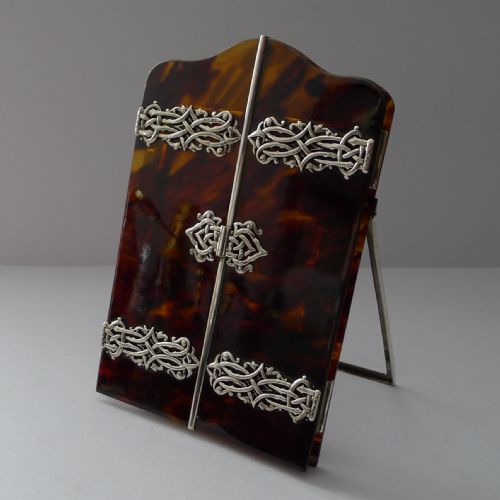
Techniques range from cast iron frames and silver-gilt finishes to detailed mountings involving tortoiseshell and brass. Sheffield plating and solid sterling construction demonstrate the varied manufacturing approaches employed by silversmiths across different decades.
Distinctions in craftsmanship
Superior examples exhibit crisp hallmarks, substantial metal weight, and intricate detailing such as engine-turned patterns or cast motifs. Lesser pieces display simpler construction, thinner gauge silver, or reliance on base metals with silver plating.
The integration of secondary materials like cut glass, tortoiseshell, and quality wooden struts elevates an item's standing. Fine craftsmanship appears in the secure seating of glass inserts, smooth hinges on boxes, and the unblemished clarity of mirrored glass.
Rosenthal, Jacob and Co·Walker and Hall·Osborne Garrett and Co
The Antique Tabletop Silver Glossary
- Sterling silver
- A silver alloy containing 925 parts of pure silver per thousand parts, standard for quality British plate.
- Sheffield plated
- A method of fusing a thin sheet of silver to a copper base, prevalent in earlier domestic items.
- Cruet set
- A matched collection of small bottles or jars for holding condiments, typically housed in a silver frame.
- Match striker
- A textured container or surface designed for igniting matches safely near a desk or tabletop.
- Engine-turned
- A mechanical decoration technique producing precise geometric patterns engraved into the metal surface.
Antique Tabletop Silver: Frequently Asked Questions
How were these items used?
These pieces served practical and decorative functions in domestic rooms, particularly dressing rooms, studies, and dining tables.
Owners utilised them to display photographs, organise vanity items, serve condiments, and store small personal possessions.
How do I identify periods?
Dating relies heavily on official assay office hallmarks stamped directly onto the metal components of the pieces.
Stylistic indicators such as Art Nouveau curves or Edwardian proportions further help distinguish between nineteenth and twentieth-century examples.
How should I care for tabletop silver?
Care requires gentle cleaning with appropriate silver polishing cloths to preserve delicate details and hallmarks without wearing down thin plating.
Avoiding harsh abrasives protects integrated materials like glass inserts, tortoiseshell mounts, and fabric backings from damage.