

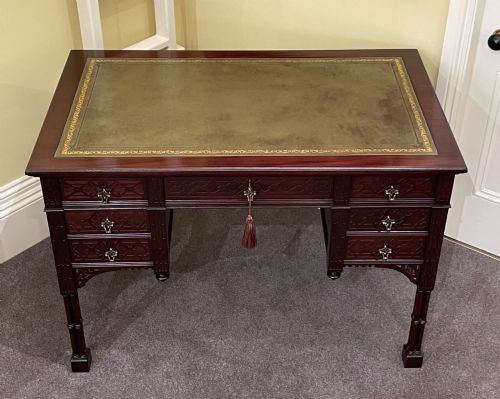
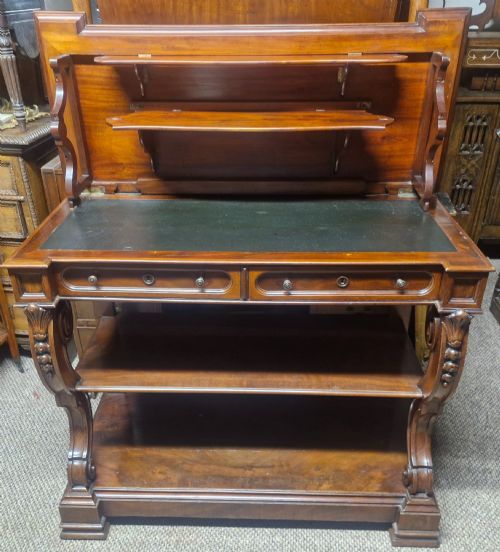
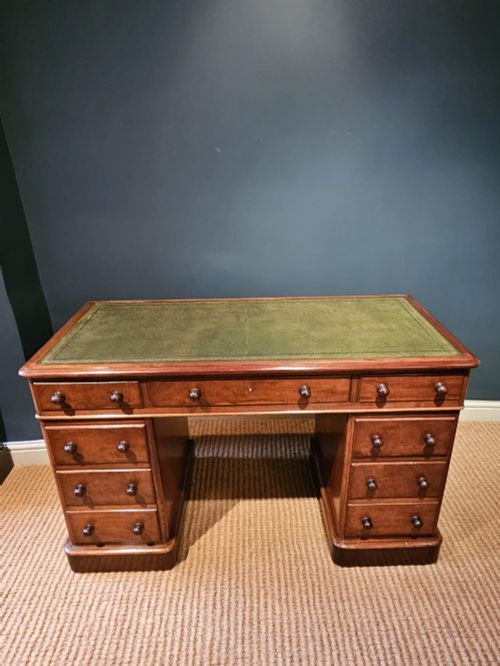
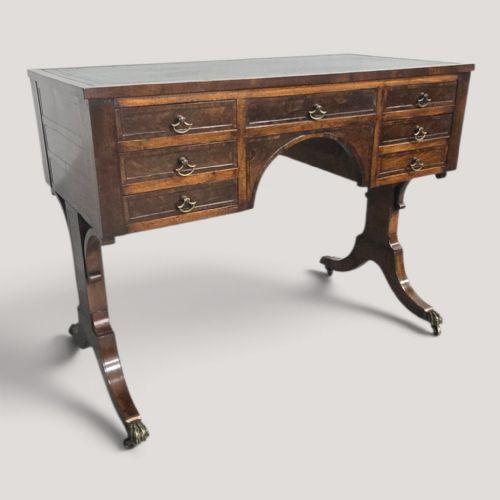
Antique Table with Leather Top
An antique table with leather top offers a firm writing surface set within rich timber, bringing period character to any study.
Antique Table with Leather Top
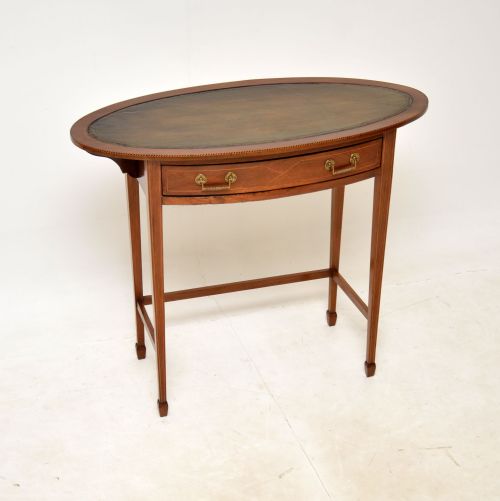
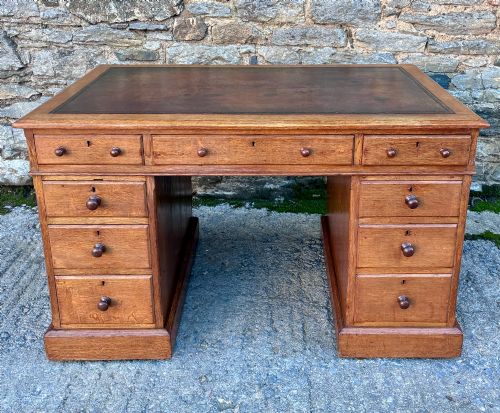
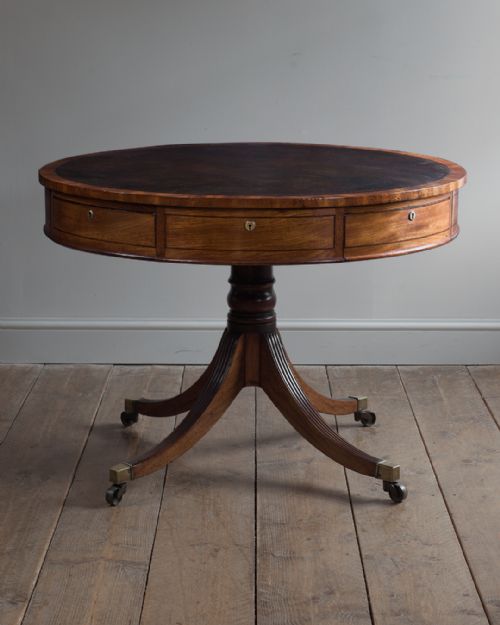
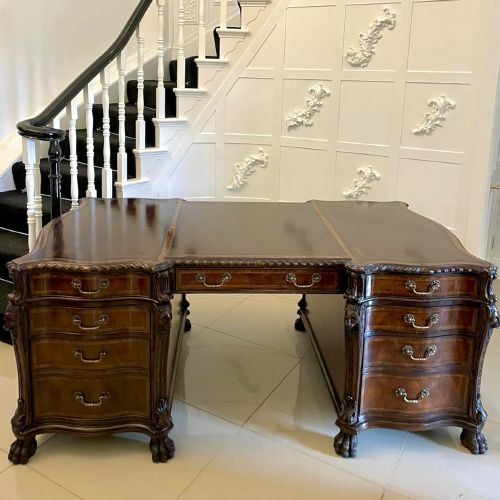
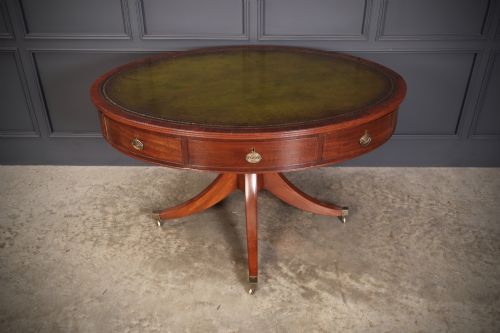
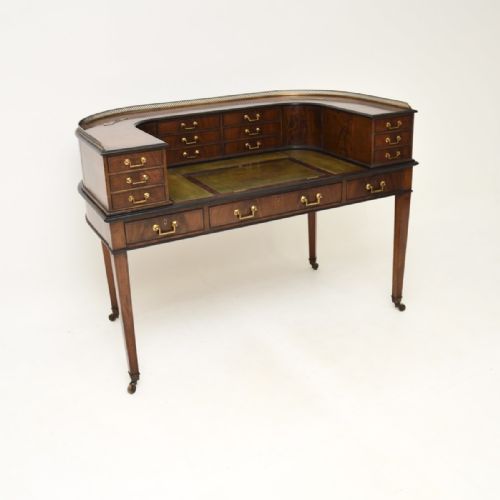
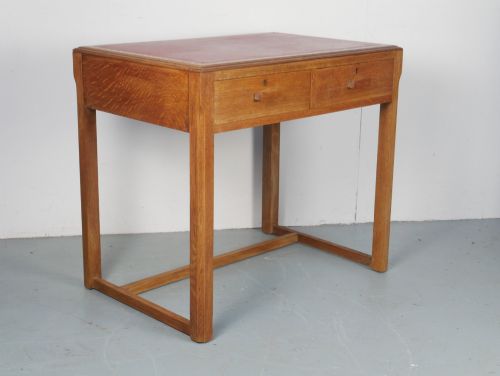
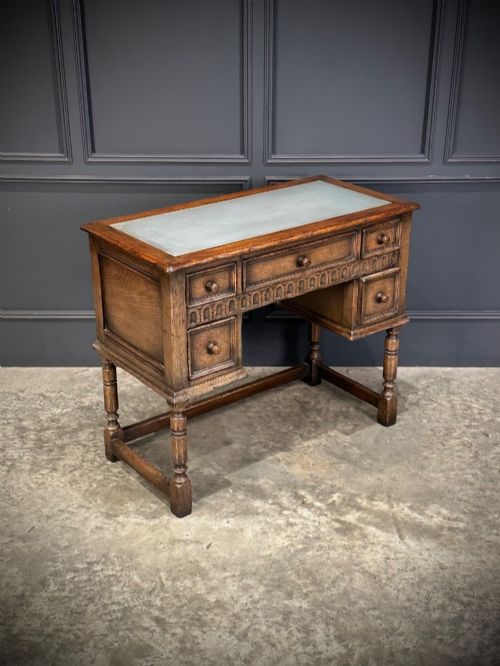
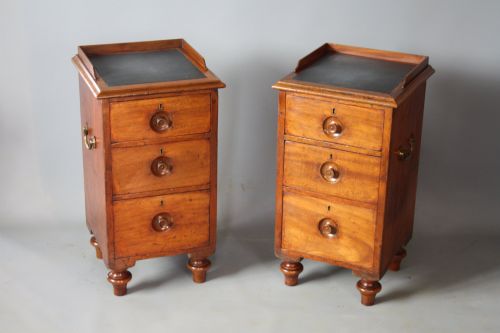
An antique table with leather top spans functional forms such as writing desks, pedestal desks, library tables and occasional tables. The pieces originate from periods including the Victorian era, Edwardian period, William IV reign, and the nineteenth century.
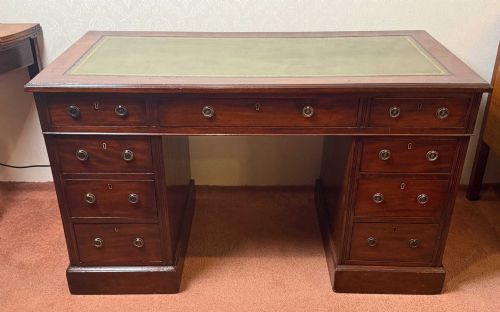
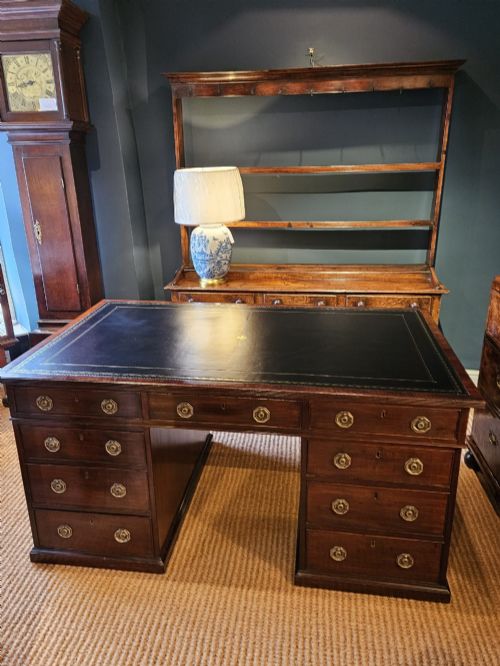
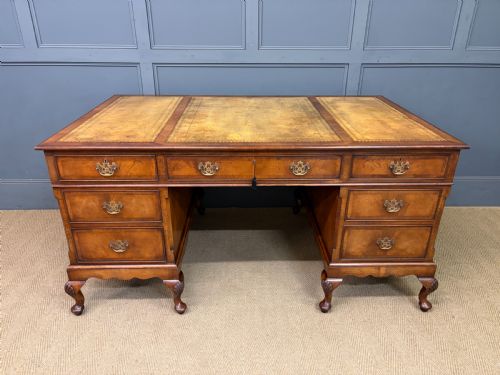
Desks and writing tables dominate the selection, often taking the form of kneehole pedestal desks with fitted drawers or freestanding library tables. Walnut, mahogany and oak provide the primary timber structures for these working surfaces.
How they were made
Cabinet makers utilised solid timbers and veneers like burr walnut, mahogany, satinwood and oak to construct the frames, drawers and surfaces of these tables. Brass handles, ormolu mounts and giltwood details frequently accent the woodwork.
The writing surfaces incorporate leather inserts, often embellished with gold leaf tooling. Lacquered brass and ivory paintwork appear on specific occasional pieces and writing tables from the nineteenth century.
Antique Table with Leather Top Retail Price Guide 2026
Typical asking prices for table with leather top among the pieces listed under this phrase on Sellingantiques today, from the lower quarter to the upper quarter. They describe what is for sale here now, not the wider market.
Several desks manage to retain their original stationery drawers, ready for secret letters.
What varies in quality
The refinement of the timber figures, such as burr walnut or figured mahogany, distinguishes the finer examples from simpler utilitarian desks. Superior craftsmanship shows in the depth of hand-tooled gold leaf on the leather and the precision of inlaid details.
Freestanding execution with finished backs elevates a desk above pieces designed solely to stand against a wall. Original handles, fitted stationery drawers and secondary woods like satinwood interiors further separate standard production from exceptional work.
Blyth and Son·Gill and Reigate
The Antique Table with Leather Top Glossary
- Pedestal desk
- A heavy writing desk supported by two banks of drawers or pedestals flanking a central kneehole.
- Tooled leather
- A writing surface decorated with pressed patterns, often highlighted using gold leaf.
- Library table
- A large freestanding table designed for central placement in a room, traditionally utilised for reading and writing.
- Kneehole
- The central recessed space beneath a desk top that allows a chair and person to sit comfortably.
- Bureau plat
- A flat-topped writing table, often French in origin, fitted with drawers and mounted in ormolu.
Antique Table with Leather Top: Frequently Asked Questions
How do I clean a leather top?
Wipe the surface gently with a damp, soft cloth using mild soap if necessary, avoiding harsh chemicals that strip the leather.
Nourish the hide periodically with an appropriate leather conditioner to maintain suppleness and protect the gold tooling.
Where should I place a pedestal desk?
Many Victorian and Edwardian pedestal desks feature finished backs, allowing them to sit in the middle of a study rather than against a wall.
Ensure adequate clearance around the kneehole and drawers for comfortable daily use in your room layout.
What is a Dickens desk?
A Dickens desk is a pedestal desk featuring a high superstructure of small drawers and pigeonholes along the back edge.
This raised compartment provides dedicated storage for correspondence and stationery above the main writing surface.
How do I identify a Victorian desk?
Victorian desks frequently utilise solid mahogany or burr walnut, combined with hand-tooled leather writing surfaces and turned or reeded legs.
Construction methods often include substantial timber carcasses, dovetailed drawer boxes, and brass hardware typical of the nineteenth century.