

Antique Table with Handle
An antique table with handle offers practical utility combined with period craftsmanship, most commonly seen here in the form of mahogany desks, serving tables, and low tables.
Antique Table with Handle
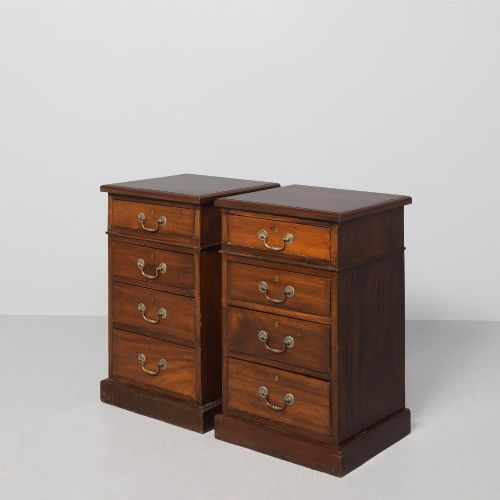
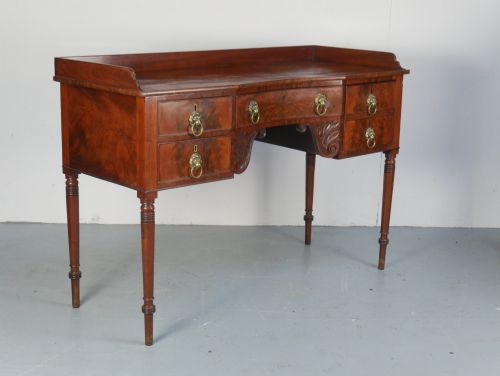
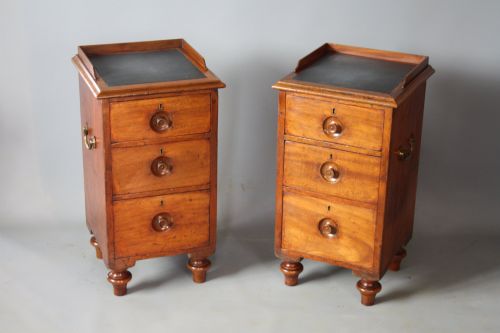
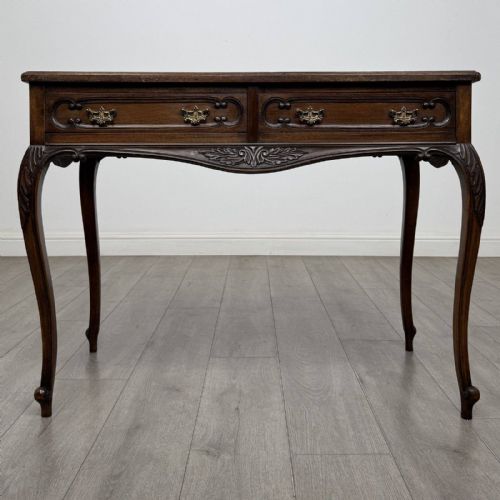
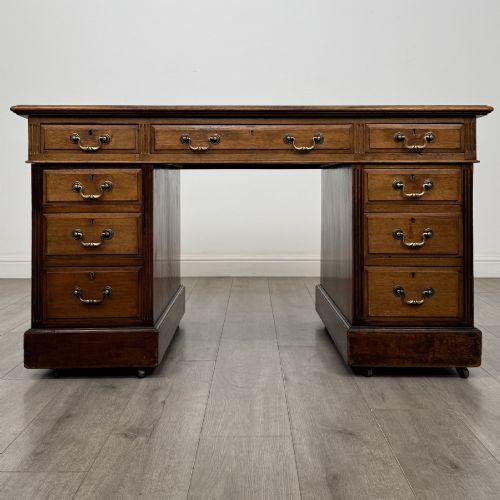
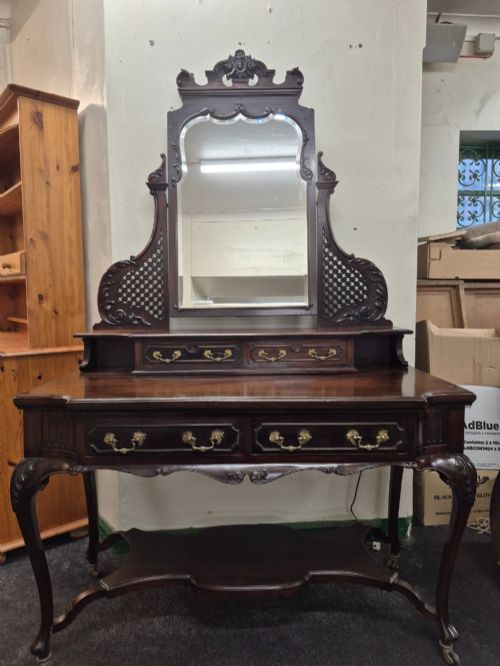
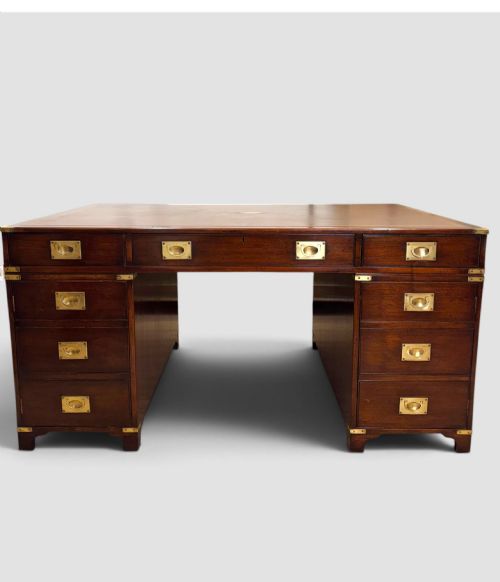
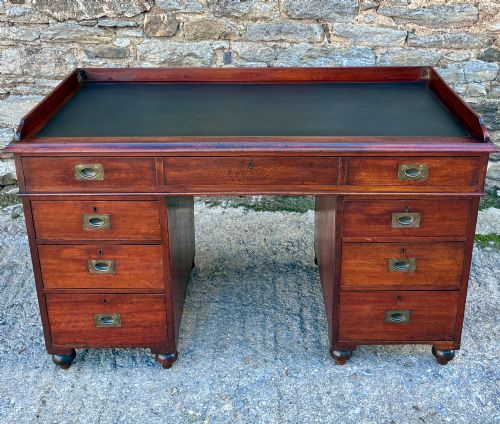
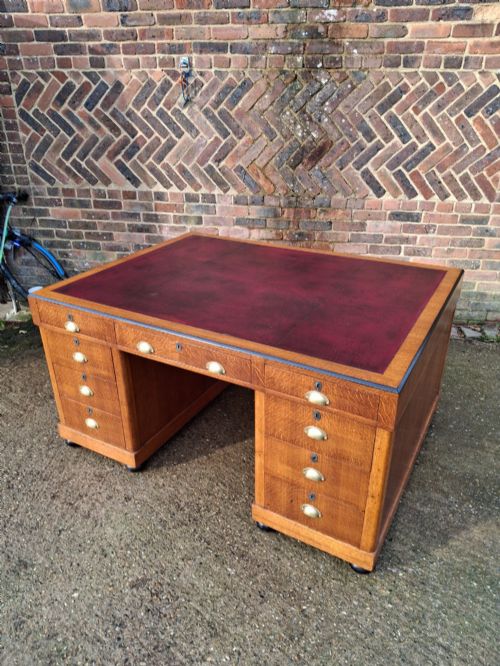
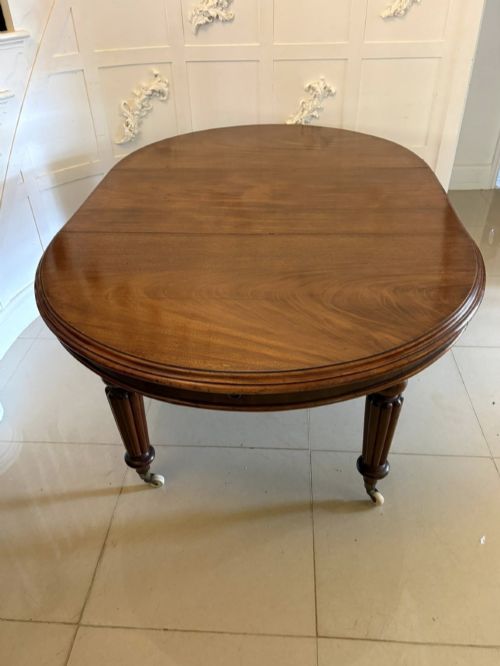
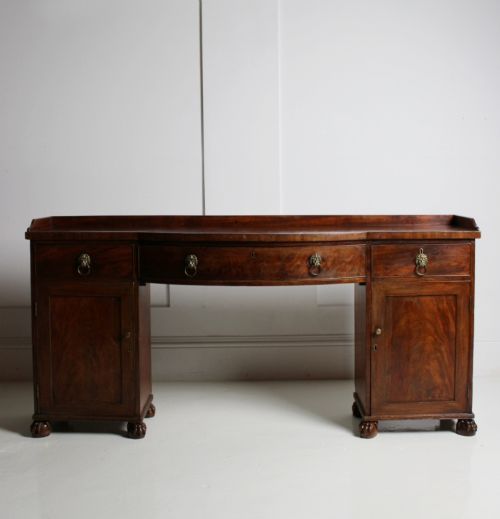
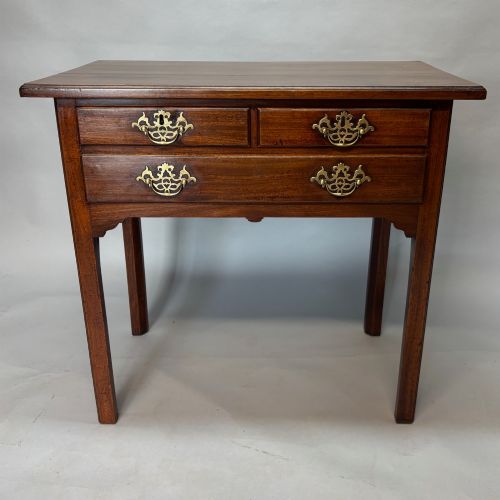
When you search for an antique table with handle, you encounter diverse items ranging from Victorian pedestal desks and writing tables to Georgian lowboys and Edwardian low tables. These pieces were built for functional daily use in studies, libraries, and parlours, incorporating integral carrying grips, brass ring pulls, or swan neck hardware.
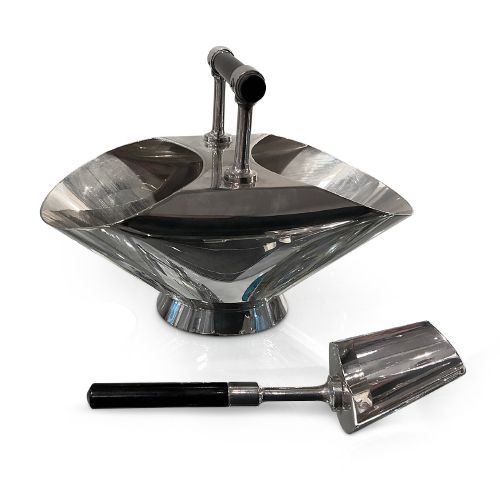
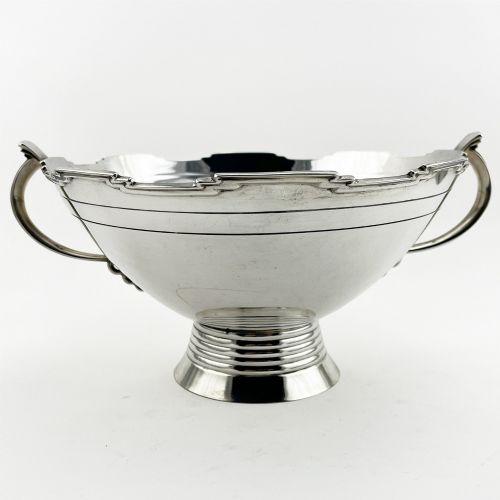
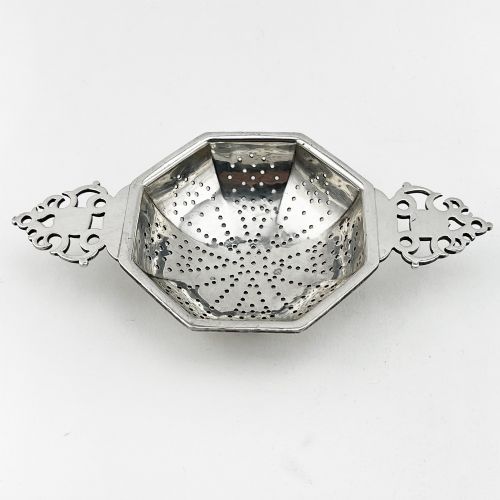
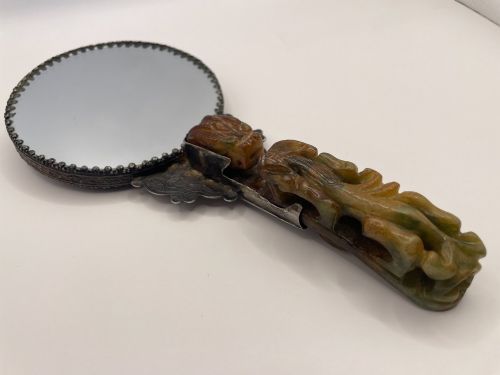
The majority of pieces on this page are mahogany desks and occasional tables from the Victorian, Edwardian, and Georgian periods. Alongside these large furniture items, the listings encompass smaller serving trays, fruit baskets, and spirit kettles fitted with distinct handles in brass, silver plate, and glass.
How They Were Made
Cabinet makers relied predominantly on solid mahogany, oak, and walnut, frequently pairing rich timber grains with leather inset tops, glass inserts, and iron or brass hardware. Drawer construction utilised traditional joinery methods, securing brass swan neck handles, drop handles, and ring pulls directly to the timber fascias.
Metal components such as silver plate and cast brass were shaped through casting, piercing, and repoussé techniques, particularly on serving trays and decorative baskets. Finishing involved hand polishing timber surfaces to reveal the natural figure of the wood, whilst metal items received specialised plating or patination.
Antique Table with Handle Retail Price Guide 2026
Typical asking prices for table with handle among the pieces listed under this phrase on Sellingantiques today, from the lower quarter to the upper quarter. They describe what is for sale here now, not the wider market.
Listings span multiple centuries, including George II, George III, Victorian, Edwardian, and Art Deco eras.
What Varies in Quality
The distinction between standard examples and finer pieces rests upon the selection of timber, such as figured walnut or dense mahogany, and the integrity of the original hardware. Superior items retain their matching period handles, leather inserts, and internal fittings without replacement.
Casting crispness on brass fixtures and silver plate, alongside precision in drawer dovetailing and inlay work, marks the division in execution. Pieces bearing maker attributions or exhibiting uncompromised structural originality command greater consideration from collectors.
Blyth and Son·Thomas Bradbury
The Antique Table with Handle Glossary
- Swan neck handle
- A metal drawer pull shaped like a swan's neck, fastened through two single-screw holes with a central drop handle. This form appears frequently on Georgian and Victorian desks.
- Pedestal desk
- A heavy freestanding writing table supported by two banks of drawers or cupboards. Examples often feature fitted stationery compartments and leather writing surfaces.
- Lowboy
- A small seventeenth or eighteenth century dressing table or side table with a low drawer configuration. These pieces typically rest on slender cabriole or straight legs.
- Repoussé
- A metalworking technique where the design is hammered into relief from the reverse side. This ornamentation is common on Edwardian silver plated baskets and kettles.
- Gallery
- A raised wooden or metal rail running along the edge of a table or tray top to prevent items from sliding off. Low tables and desks in these listings occasionally incorporate galleries.
Antique Table with Handle: Frequently Asked Questions
What is an antique table with handle?
An antique table with handle is typically a desk, writing table, or serving piece from the eighteenth to early twentieth century fitted with functional hardware for movement or drawer operation.
These items range from large partners desks with brass ring pulls to low tables featuring gallery edges and smaller serving items.
How do I date a mahogany desk?
Dating relies on stylistic markers, construction methods, and the type of handles fitted to the drawers. Georgian pieces generally display simpler lines and distinct cabinet joinery compared to later Victorian and Edwardian examples.
Examination of the timber secondary woods and drawer linings also provides clear indicators of the period of manufacture.
Where were these tables used?
These pieces served primarily in domestic studies, libraries, drawing rooms, and formal dining spaces. Writing tables and pedestal desks accommodated correspondence and administration.
Serving tables and trays facilitated the transport of food and beverages within large Victorian and Edwardian households.
Are the handles original?
Original handles are secured with period fixings and show appropriate wear matching the age of the surrounding timber or metal. Replacements are common in antique furniture due to centuries of daily use.
Checking the interior of the drawer fascias often reveals ghost marks from earlier backplates if the hardware has been swapped.