

Antique Table with Carved Legs
These pieces called antique table with carved legs span centuries of timber work, bringing sculptural detail into daily rooms.
Antique Table with Carved Legs
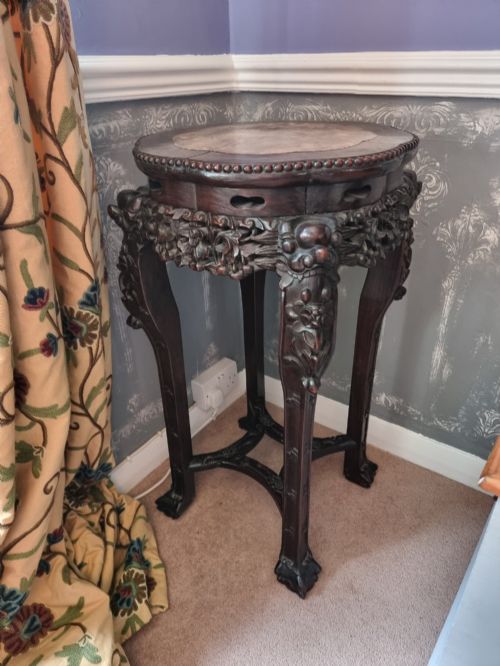
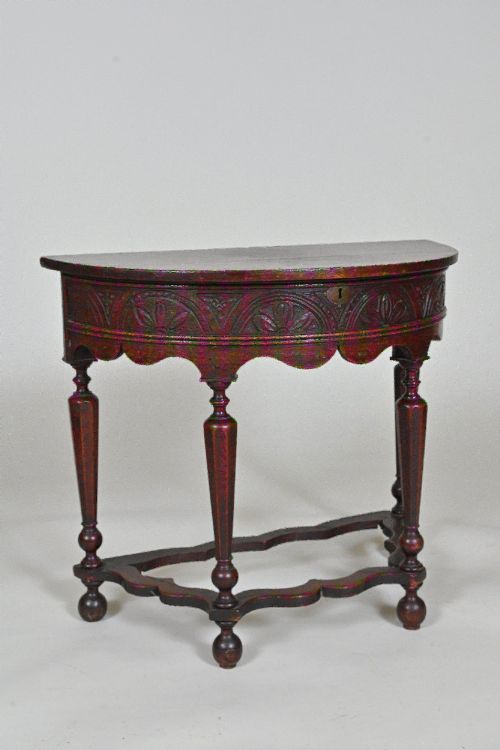
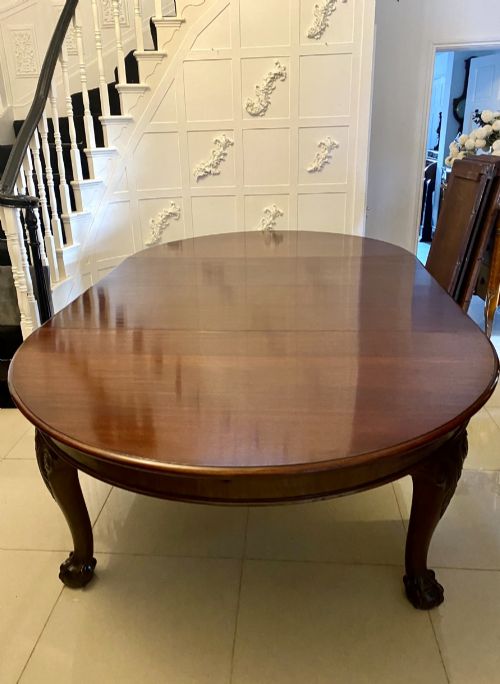
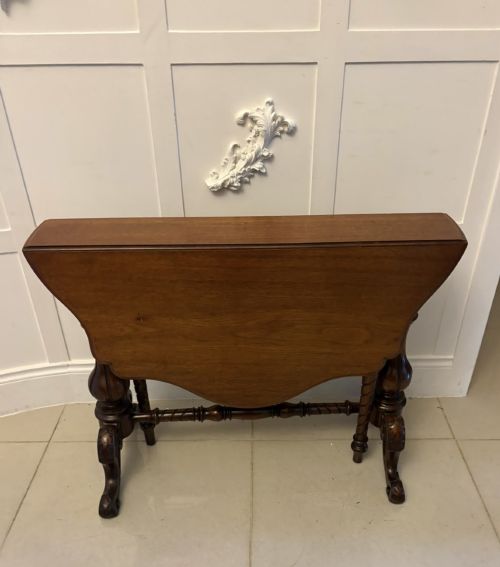
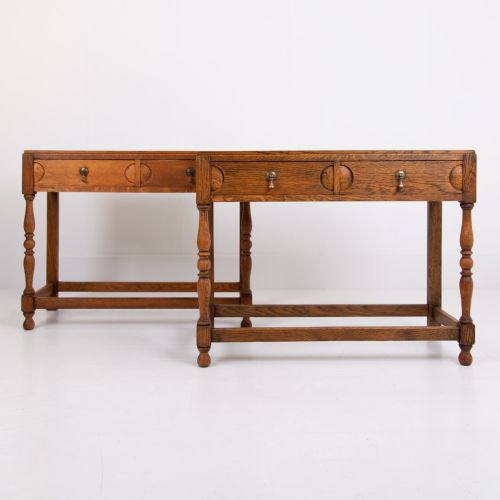
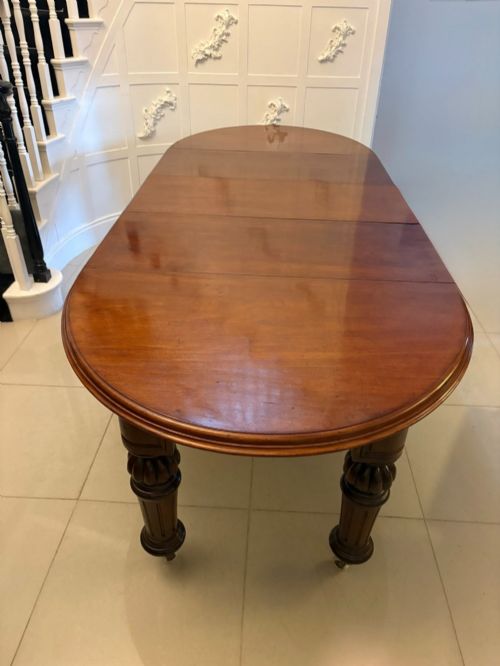
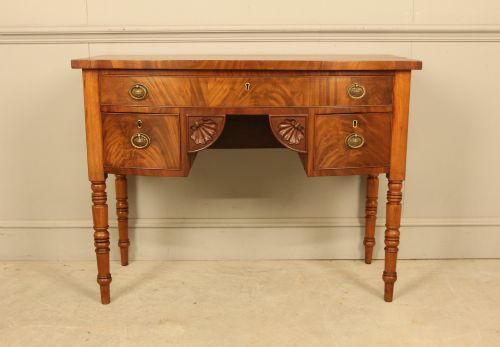
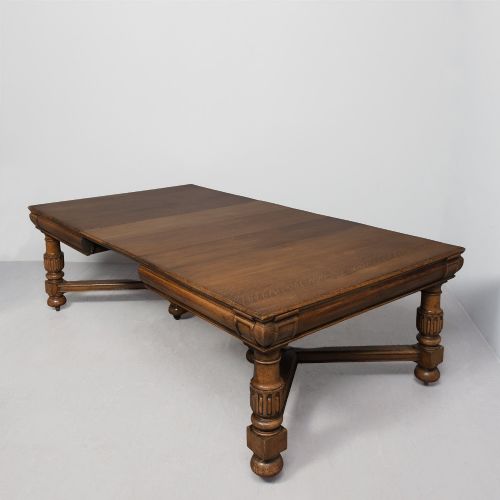
When you search for an antique table with carved legs, you encounter formats ranging from grand extending dining tables to compact lamp tables, lowboys and writing desks. The selection draws heavily on 19th-century, Edwardian, and Victorian eras alongside 18th-century pieces, utilising forms like console tables, coffee tables, and occasional tables.
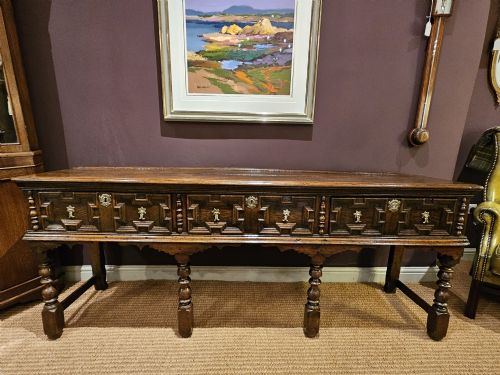
Dining tables and larger serving or refectory formats appear alongside smaller side tables and bedside cabinets, reflecting how varied domestic furniture was across the periods represented. Oak, mahogany, and walnut dominate the offerings, often shaped into specific regional styles such as French Provincial or revivals including Chippendale and Queen Anne.
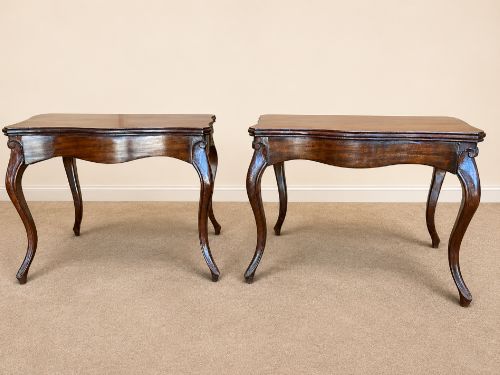
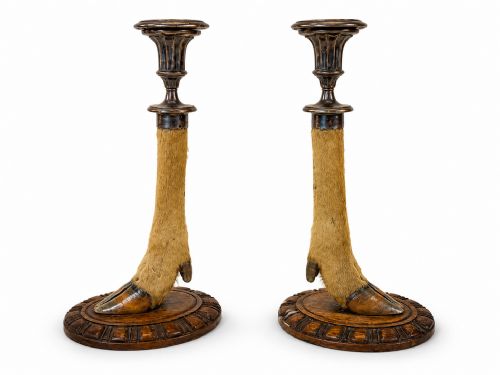
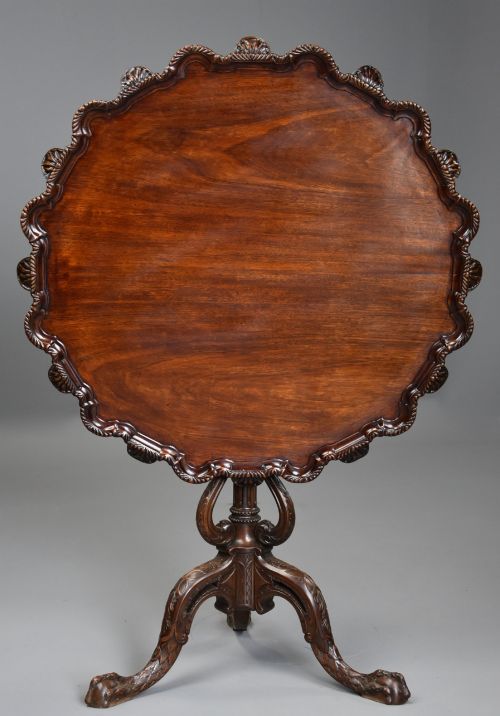
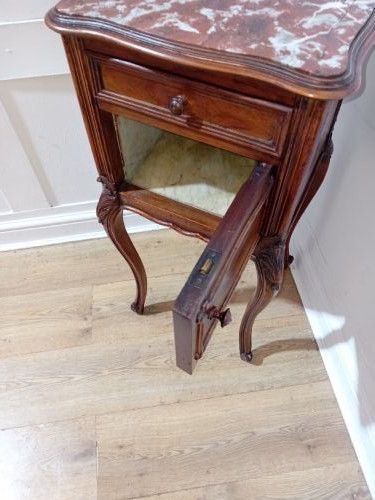
The carved supports vary from cabriole legs with claw and ball feet to simpler turned or figural motifs, defining the silhouette of each piece. These tables emerge from diverse contexts, from formal Georgian settings to sturdy Edwardian homes and rural farmhouses.
Materials and construction
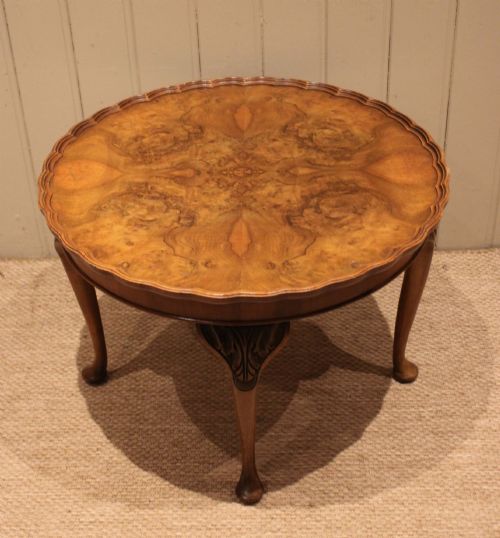
Cabinet makers relied primarily on hardwoods such as oak, mahogany, walnut, and burr walnut, sometimes pairing them with secondary timbers like beech or pine. Surfaces often feature crossbanding, leather writing inserts, marble tops, or subtle inlay work.
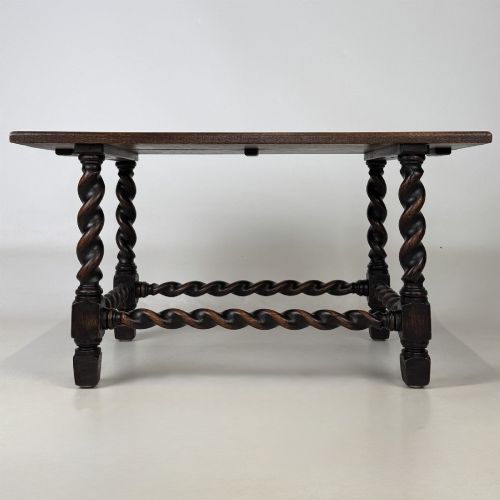
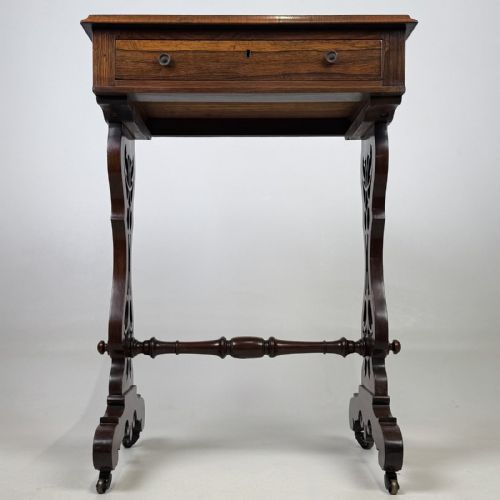
Carpentry techniques include traditional jointing, turned bobbin or rope legs, and hand-carved ornamentation applied to cabriole or straight supports. Drawers are integrated into writing desks and dresser bases using dovetail construction.
Antique Table with Carved Legs Retail Price Guide 2026
Typical asking prices for table with carved legs among the pieces listed under this phrase on Sellingantiques today, from the lower quarter to the upper quarter. They describe what is for sale here now, not the wider market.
Judging execution and timber
The distinction between ordinary production and superior craftsmanship rests on the selection of timber, such as highly figured mahogany or well-matched burr walnut veneers. Depth and crispness in the hand-carving of legs and borders set finer examples apart from mechanical or soft detailing.
Proportion and structural integrity dictate the standing of a table, where well-balanced proportions in revival styles or original Georgian pieces reflect disciplined design. The handling of secondary woods and the preservation of natural patina through centuries of use further distinguish workshop standards.
Beresford & Hicks London·Gill & Reigate·Johnstone and Jeanes·William and Gibton Dublin
The Antique Table with Carved Legs Glossary
- Cabriole leg
- A furniture leg that curves outward at the knee and tapers inward toward the foot, often ending in a pad, claw, or scroll.
- Lowboy
- A small 18th-century dressing or side table featuring drawers beneath a flat top, typically raised on tall cabriole legs.
- Crossbanding
- A strip of veneer applied across the grain of the primary surface to create a decorative border.
- Refectory table
- A long dining table traditionally used in monastic refectories, characterised by sturdy timber construction and stretcher supports.
- Galleried shelf
- A raised, decorative rail or low rim running along the edge of a shelf or tabletop to prevent items from sliding off.
Antique Table with Carved Legs: Frequently Asked Questions
What is a draw-leaf dining table?
A draw-leaf dining table incorporates pull-out extensions tucked neatly beneath the main surface, allowing the top to expand easily when hosting guests. This mechanism provides flexibility without requiring loose extra leaves stored separately.
Edwardian and earlier dining formats frequently utilised this clever carpentry to maximise space in smaller rooms.
Where were console tables placed?
Console tables were designed to stand flush against a wall, frequently positioned in hallways, drawing rooms, or beneath large mirrors. Their decorative carved legs and polished tops made them ideal focal points for displaying lamps or serving items.
Freestanding console and hall tables appeared in mahogany, oak, and burr walnut during the Victorian and Edwardian eras.
How do I care for a mahogany writing desk?
A mahogany writing desk benefits from occasional polishing with traditional beeswax to nourish the timber and preserve its deep lustre. Leather writing surfaces require gentle cleaning without harsh chemical solvents to maintain their suppleness.
Keeping such a desk away from direct sunlight and extreme heat sources prevents the wood from drying out or warping over time.