






Antique Table Trivet
These antique table trivet pieces protect dining surfaces and lift hot dishes, bringing period craft directly to your table.
Antique Table Trivet
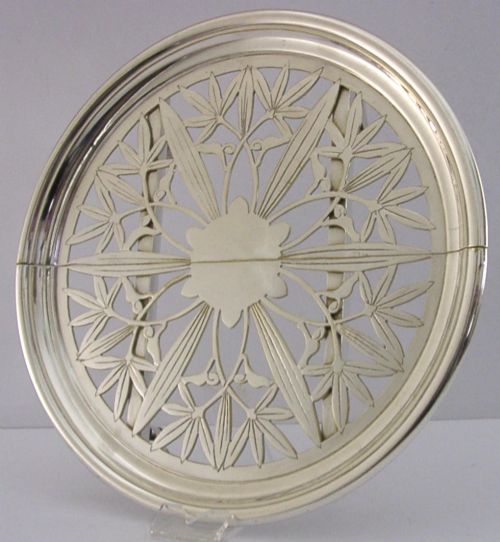
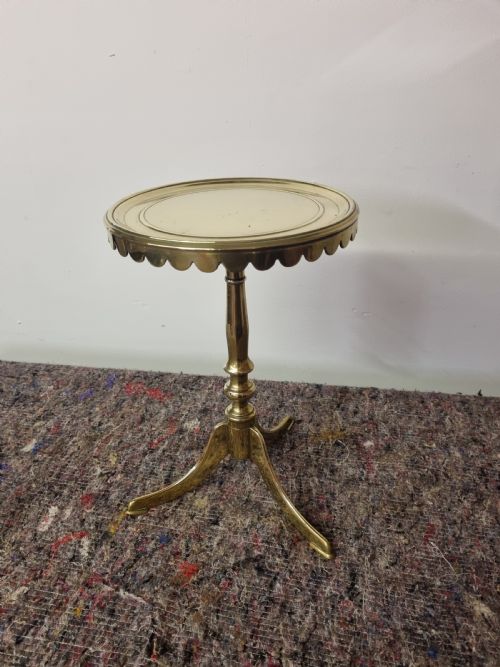
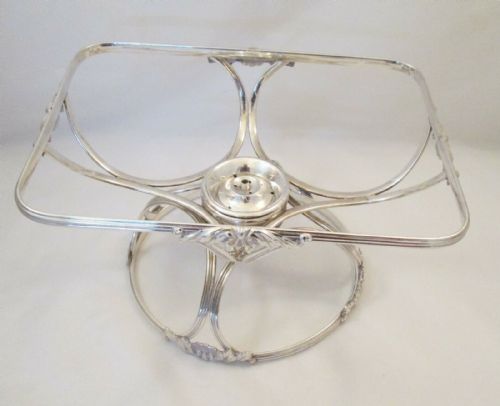
An antique table trivet sits upon the dining surface to support hot dishes, kettles, and serving platters safely. You will most frequently encounter brass stands, silver-plated coasters, and extending serving dish platforms across Georgian, Victorian, and early twentieth-century examples.
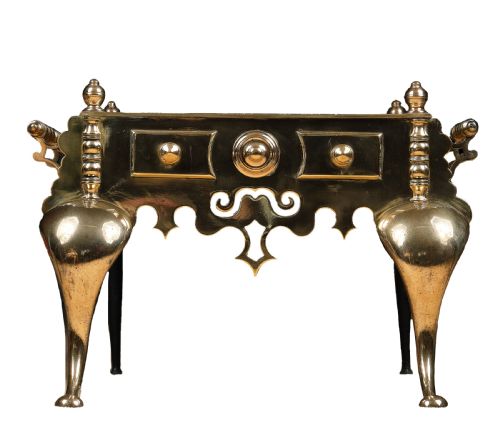
The form stretches from fireside footmen down to small mirror plateaux and tea fancies stands. Makers constructed these items in wood, glass, and textile alongside cast brass and silver plate to suit various dining rooms.
How they were made
Cast brass and silver plate form the structural backbone of these metal stands, shaped through traditional foundry and plating methods. Smiths utilised solid brass for heavier fireside pieces while applying silver plate over base metals for refined dining service.
Wood and textile elements incorporate walnut frames and intricate glass beadwork panels. Makers combined these materials to create decorative platters and tea stands suited to domestic display.
Antique Table Trivet Retail Price Guide 2026
Typical asking prices for table trivet among the pieces listed under this phrase on Sellingantiques today, from the lower quarter to the upper quarter. They describe what is for sale here now, not the wider market.
Current listings span from the Georgian period through Victorian designs to 1920s Art Deco and French serving stands.
What varies in quality
The refinement of the casting and the crispness of decorative detail separate standard examples from finer pieces. Heavier gauge metalwork and well-executed stylistic motifs indicate superior workshop output.
Material combination also defines the standard, particularly where mirrored glass, beadwork, and precious plating meet. Integrated mechanisms like rotating frames or extending joints show advanced manufacturing capability.
Christofle·Elkington
The Antique Table Trivet Glossary
- Footman
- A low metal stand originally placed near the fireplace to keep kettles warm before moving to the dining table.
- Plateau
- A mirrored table base designed to hold glassware or centrepieces while protecting polished wood surfaces.
- Dish ring
- An open-framework stand, often spool-shaped, used to elevate hot serving bowls above the tablecloth.
- Silver plate
- A layer of silver fused to a base metal, commonly utilised on nineteenth-century tableware.
Antique Table Trivet: Frequently Asked Questions
What is an antique table trivet used for?
These pieces function primarily to protect polished wooden dining tables from the heat of heavy serving dishes and kettles. They lift hot items clear of the surface while adding a decorative element to the table setting.
Historically, certain forms also served by the hearth before moving to the dining room for tea or dinner service. Their dual utility made them essential items in traditional households.
How do I date a brass trivet?
Dating relies heavily on manufacturing marks, casting quality, and stylistic cues associated with periods like the Georgian or Victorian eras. Heavier sand-cast brass often points towards earlier Georgian and nineteenth-century examples.
Later pieces from the 1920s incorporate Art Deco or modern geometric lines that contrast sharply with earlier ornate flourishes. Examining the fastenings and wear patterns provides further clues to age.
Can I use these trivets daily?
Most metal and wooden pieces remain sturdy enough for regular use supporting warm serving dishes and teapots. Silver-plated and mirrored items require gentle handling to preserve the finish against moisture and heat.
Careful placement ensures these historic objects continue their original domestic function without sustaining damage. Regular soft polishing maintains the appearance of the metal surfaces.
What materials are common?
Cast brass and silver plate dominate the metalwork selection across the available items. Walnut, glass beads, and mirrored glass appear frequently in plateau and tea stand designs.
Staffordshire china and textiles also feature in specific tabletop serving forms from the late nineteenth and early twentieth centuries. Each material dictates the appropriate cleaning method for everyday upkeep.