




Antique Table Settings
These antique table settings bring silver, enamel, and earthenware to the dining table, offering period craftsmanship for daily use and formal gatherings.
Antique Table Settings
Antique table settings encompass a diverse array of dining accessories spanning the Victorian, Edwardian, and George V periods, featuring items designed to organise and elevate the meal.
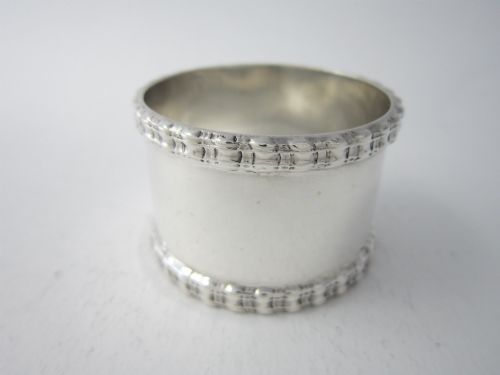
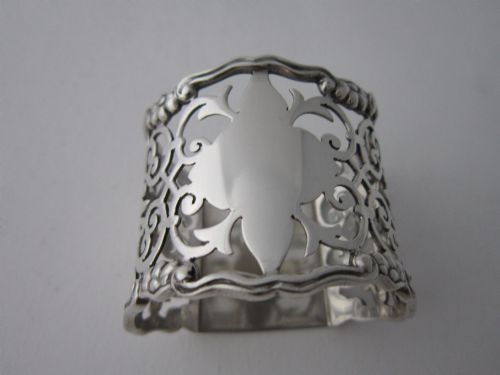
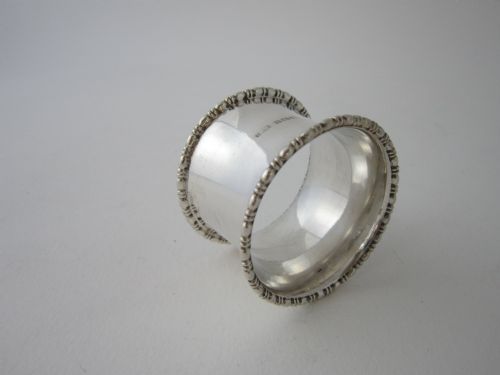
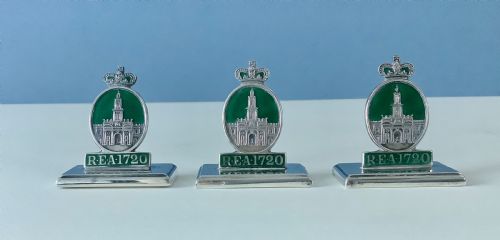
The most common forms encountered on this page are sterling silver and silver-plated napkin rings, alongside functional menu holders and complete dinner services from the nineteenth and early twentieth centuries.
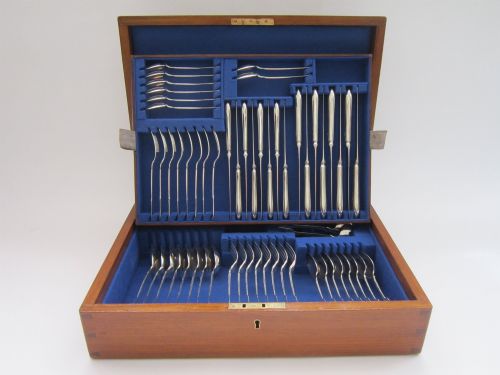
Objects range from simple boxed sets of knife rests to elaborate Scottish Revival and novelty designs, reflecting the varied dining customs of past decades.
Materials and construction
Makers utilised sterling silver and silver plate as the primary metals for napkin rings, menu holders, and cutlery, often combining them with mother-of-pearl or supportive wooden structures.
Decorative elements incorporate guilloche enamel, velvet, and silk linings within fitted presentation cases, demonstrating traditional silversmithing and casing techniques.
The listings on this page span the Victorian, Edwardian, and George V eras, utilising materials including sterling silver, enamel, mother-of-pearl, and earthenware.
Distinctions in quality
Quality rests upon the crispness of the chasing and hallmarks, the integrity of applied enamel work, and whether the original velvet or silk-lined presentation case survives intact.
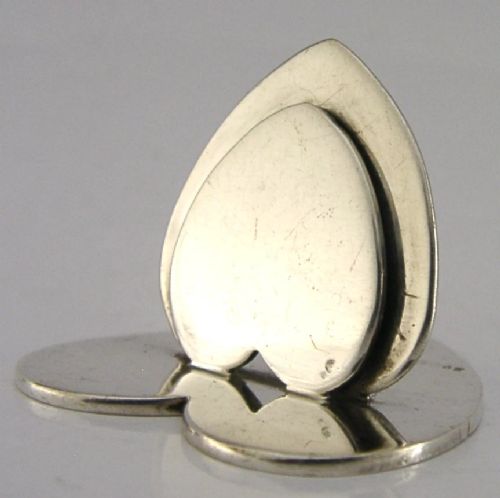
Design complexity also separates standard productions from distinctive pieces, such as Scottish influenced motifs, novelty love heart shapes, and maker-attributed silver-gilt items.
Sampson Mordan·David Andersen
The Antique Table Settings Glossary
- Sterling silver
- An alloy containing 92.5 percent silver by mass, widely utilised across Edwardian and Victorian dining accessories for its durability and bright finish.
- Guilloche enamel
- A decorative technique involving precise mechanical patterns overlaid with translucent enamel, seen on pieces such as napkin rings from the Art Deco era.
- Fiddle pattern
- A traditional nineteenth-century flatware handle shape characterised by a narrow stem that flares sharply into a shoulder before spreading at the terminal.
- Silver plate
- A base metal coated with a thin layer of silver, offering an accessible alternative to solid silver for sets like knife rests and napkin rings.
- Knife rest
- A small support placed on the table to keep cutlery elevated between courses, frequently manufactured from silver plate alongside mother-of-pearl.
Antique Table Settings: Frequently Asked Questions
What is included in an antique table setting?
These listings include items like sterling silver napkin rings, menu holders, knife rests, and large Victorian dinner services.
They represent the various accessories used to equip a formal dining table across the nineteenth and early twentieth centuries.
How do I care for silver table settings?
Solid silver and silver-plated items require regular, gentle polishing with a non-abrasive cloth to maintain their finish without removing the metal.
Items with enamel or silk and velvet linings should be kept away from excessive moisture and stored in dry conditions.
Are these items suitable for everyday use?
Many napkin rings, knife rests, and cutlery canteens remain robust enough for regular dining use today.
Delicate pieces incorporating guilloche enamel or intricate menu holders are better suited to occasional display or special gatherings.
How are different periods identified?
Periods are identified through official hallmarks, maker marks, and stylistic indicators such as Edwardian novelty shapes or Victorian fiddle pattern designs.
Packaging like original presentation boxes also assists in dating the items.