

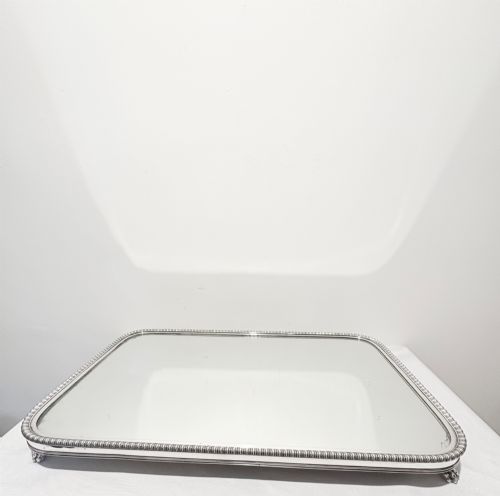


Antique Table Display Mirror
An antique table display mirror elevates a room by reflecting light and centrepieces from a polished wooden surface.
Antique Table Display Mirror
An antique table display mirror serves as a decorative plateau placed upon dining tables or side furniture to reflect light and display objects. These pieces appear across various periods including the Victorian era, the nineteenth century, and the Edwardian period.
The selections available here include silver plated mirror table plateaus alongside specialised items such as jeweller's plateau mirrors and mirrored gateau centrepieces. Forms range from circular metallic plateaus to pieces incorporating wood and glass.
Makers and manufacturers from England and Germany produced these reflective table surfaces using materials popular in nineteenth century craftsmanship. Buyers searching for an antique table display mirror encounter items designed to enhance interior displays of silver, porcelain, or crystal.
How these mirrors were constructed
Makers utilised silver plate and ormolu alongside metals and mirrored glass to form the reflective plateaus and frames. Silvered metal and silver plating provided a bright metallic finish around the central glass surface.
Oak and mahogany occasionally appeared in the structural elements or frames supporting the mirrored sections, showing traditional woodworking techniques of the nineteenth century. Glass was cut and bevelled to fit securely within metal mounts or wooden borders.
Antique Table Display Mirror Retail Price Guide 2026
Typical asking prices for table display mirror among the pieces listed under this phrase on Sellingantiques today, from the lower quarter to the upper quarter. They describe what is for sale here now, not the wider market.
Listings feature items from the nineteenth century, including Victorian and Edwardian examples utilising mirrored glass, silver plate, ormolu, oak, and mahogany.
What separates the finest examples
Quality rests in the crispness of the metal mounts, the weight of the silver plating or ormolu, and the clarity of the mirrored glass itself. Finer pieces demonstrate precise joinery in any wooden supports and heavier gauge metals that retain their structural integrity.
The integration between the reflective surface and the surrounding frame distinguishes standard production from superior craftsmanship. Well-preserved silver plating and undamaged glass indicate a higher standard of original manufacture and subsequent care.
Elkington
The Antique Table Display Mirror Glossary
- Plateau
- A flat decorative tray or mirrored stand placed on a dining table to hold centrepieces or tableware. These reflective surfaces protect table linens and enhance the display of silver.
- Ormolu
- Gilded bronze or brass applied as a decorative mount on furniture and decorative objects. This technique creates a rich golden appearance.
- Silver Plate
- A thin layer of silver fused to a base metal such as copper or Britannia metal. This process provided the appearance of solid silver at a lower cost.
- Silvered Metal
- Base metal treated to simulate a silver finish without necessarily involving electroplating. It offers a bright reflective surface for decorative metalwork.
Antique Table Display Mirror: Frequently Asked Questions
What is a table display mirror used for?
These mirrors function as decorative plateaus placed on dining tables to elevate and reflect centrepieces, glassware, or silver. They catch the light of candles and chandeliers to brighten the dining room.
Historically, they protected polished wooden tables from heat and moisture while creating an opulent visual effect for formal dinners.
How do I clean an antique mirror plateau?
Clean the mirrored glass gently using a soft cloth and a mild glass cleaner sprayed onto the cloth rather than directly onto the glass. This prevents moisture from seeping behind the silvering.
Avoid abrasive cleaners on silver plated or ormolu mounts to preserve the historic metallic finish and prevent wear.
Can I place heavy items on these mirrors?
Most antique table mirrors were built to hold lighter table centrepieces, porcelain figures, or silver tableware rather than exceptionally heavy objects. Check the sturdiness of the base and frame before placing substantial items on the glass.
Distributing weight evenly across the plateau prevents stress on the wooden or metal foundation.
How do I date an antique mirror plateau?
Dating relies on examining the manufacturing techniques, metal alloys, and framing styles characteristic of periods like the Victorian era or Edwardian times. Maker marks, registry numbers, and mounting styles provide further clues to the exact decade.
Comparing the backing materials and glass bevelling with known pieces helps confirm the age of the item.