

Antique Table Bowl
An antique table bowl brings functional elegance to any surface, holding fruit, flowers, or sweets while grounding a room in historical craftsmanship.
Antique Table Bowl
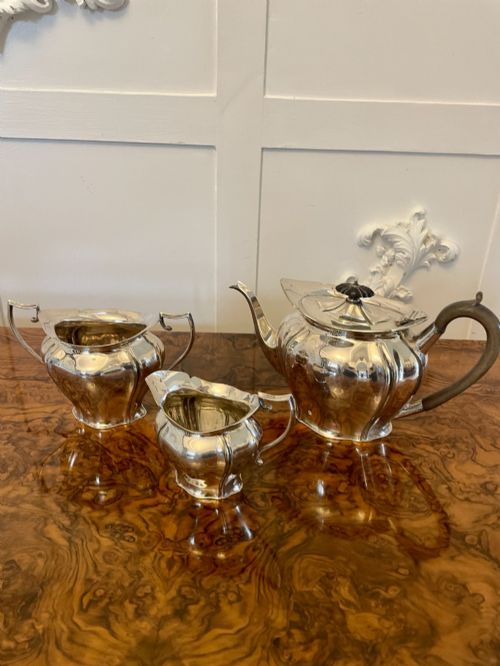
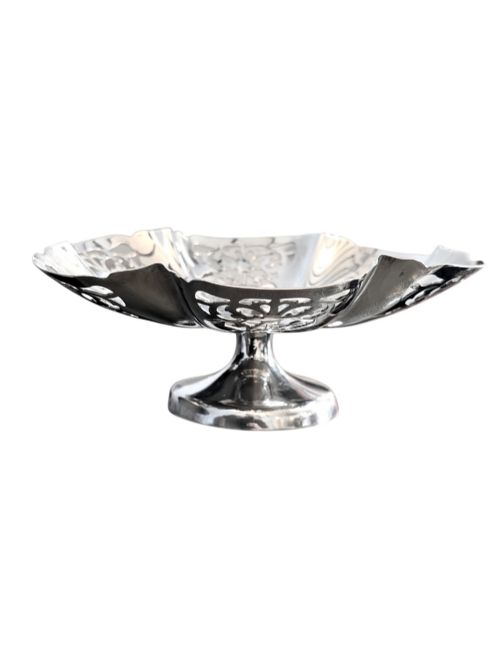
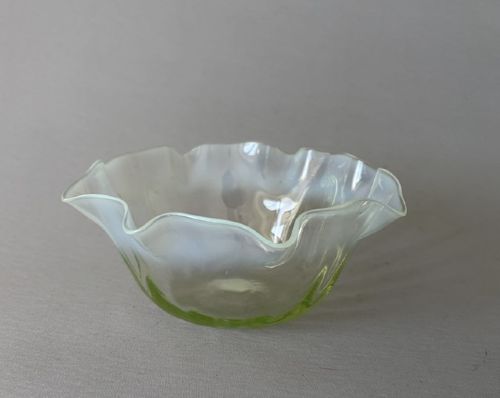
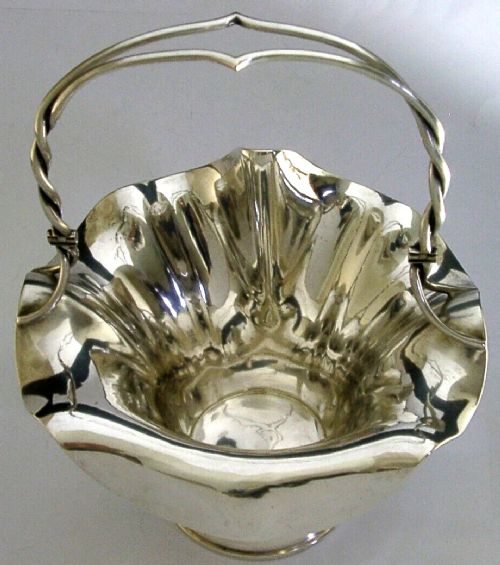
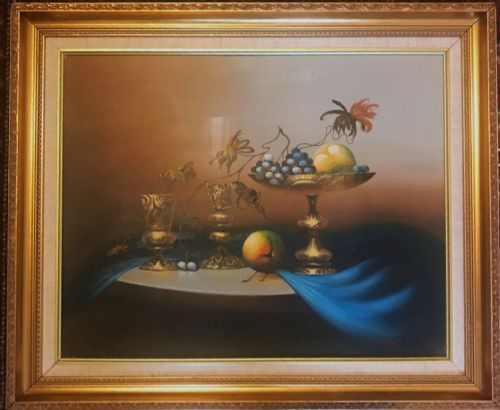
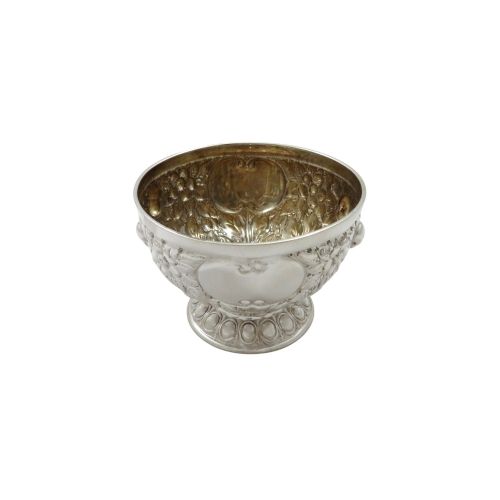
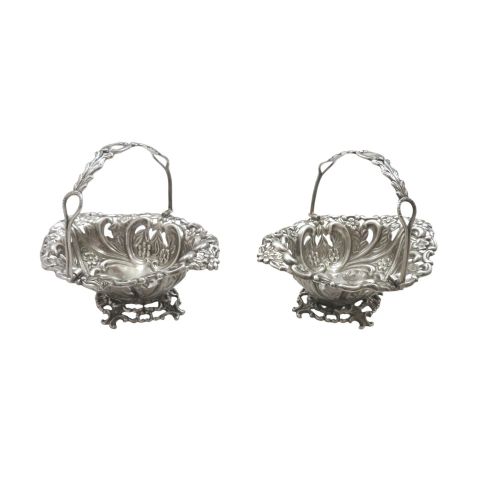
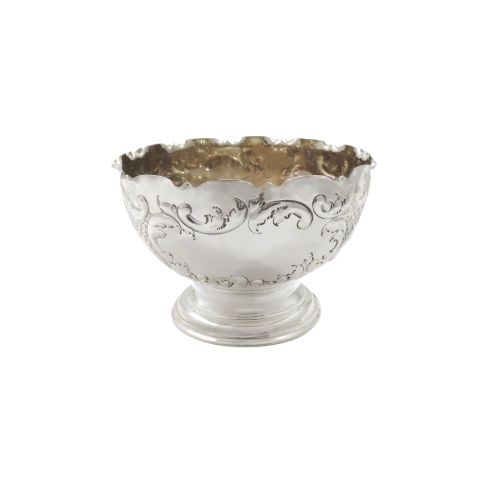
An antique table bowl encompasses a diverse array of decorative vessels designed for dining and display, ranging from grand crystal centrepieces to small silver baskets. When searching for an antique table bowl, buyers frequently encounter Edwardian and Victorian sterling silver or silver-plated baskets, alongside ornate cut glass and porcelain vessels.
The selections span from the mid-nineteenth century through the art deco era, incorporating styles from neoclassical fruit baskets to sinuous art nouveau dishes. These items often served specific functions such as holding sugar, fruit, or finger bowls, though many survive primarily as decorative focal points.
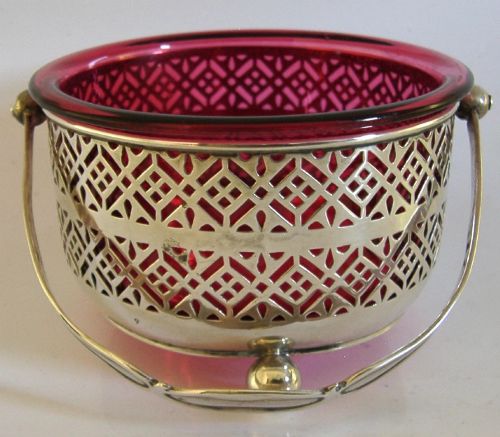
Originating from British workshops, continental makers, and American houses, these pieces reflect the shifting domestic tastes of past centuries. The most typical forms found in these listings combine precious metals with coloured glass liners or carved wooden frames.
How They Were Made
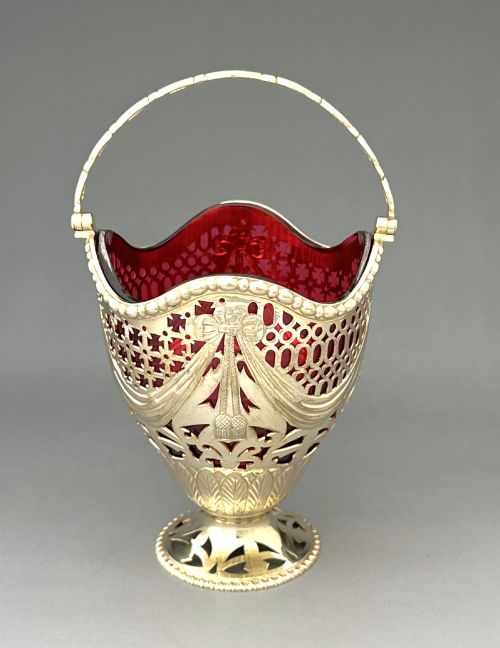
Makers utilised sterling silver and silver plate shaped through piercing, repoussé, and casting to create intricate openwork and floral rims. These metal mounts frequently house blown cut glass, crystal, or porcelain liners secured by hinged swing handles or fixed pedestals.
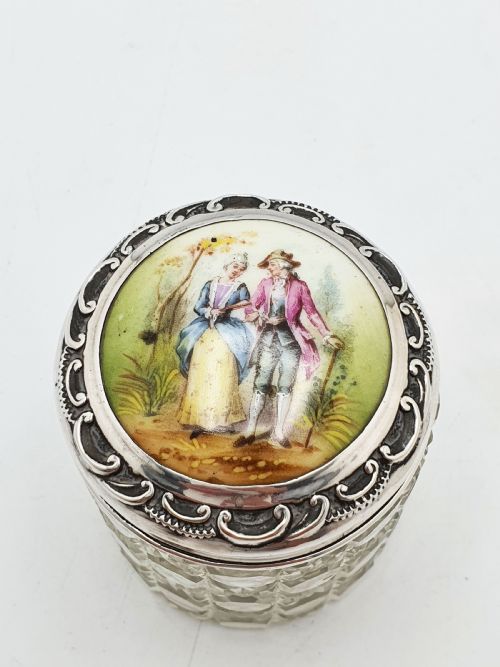
Glass elements rely on traditional techniques such as heavy cutting, frosting, and enamelling, sometimes paired with gilt bronze or ormolu stands. Artisans also employed carved oak, ironstone, and specialised glazes to construct durable vessels meant for daily household use.
Several pieces include swing handles designed to fold flat, neatly accommodating busy dining tables and overly enthusiastic passing gestures.
What Varies in Quality
The standard of a piece rests upon the weight of the metal, the crispness of the chased or carved decoration, and the clarity of the glass. Superior examples display substantial gauge silver and hand-painted details that remain sharp and well-defined.
Harmony between components dictates overall excellence, ensuring that glass liners fit their metal frames precisely and that applied handles operate smoothly. Pieces originating from renowned silversmiths or established porcelain factories demonstrate a higher refinement in proportion and finish.
Flight Barr And Barr·Whitefriars·Georg Jensen·Rene Lalique·George W Scott And Sons Ltd·Tiffany And Co·Mappin And Webb·Royal Vienna·Mason S
The Antique Table Bowl Glossary
- Centrepiece
- A large decorative vessel placed in the middle of a table, often holding fruit or flowers to anchor the dining arrangement. These substantial pieces frequently combine crystal and gilt bronze or silver plate.
- Repoussé
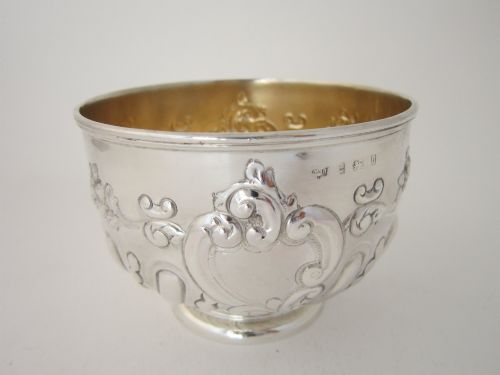
- A metalworking technique where the artisan hammers the design from the reverse side to form raised ornamentation on the front. This method creates tactile floral and scroll motifs on silver baskets and bowls.
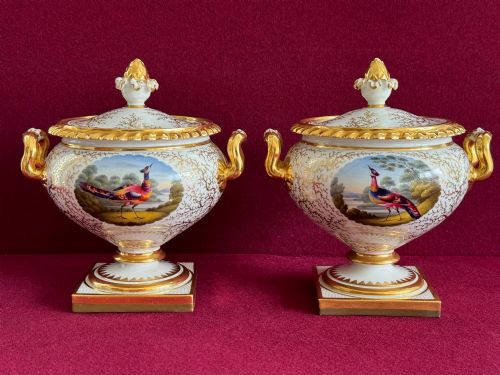
- Tureen
- A deep covered bowl used originally for serving soups or sauces at the table. Antique versions frequently appear in fine porcelain or ironstone with matching covers.
- Quaich
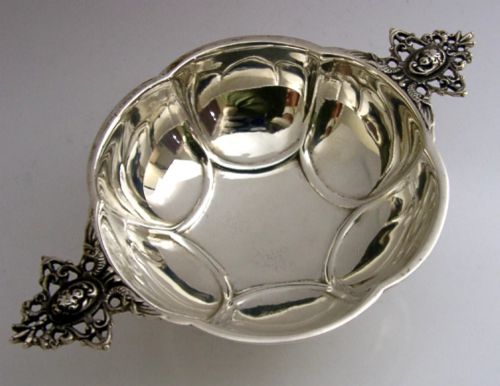
- A traditional Scottish two-handled drinking vessel, occasionally adapted as a low brandy bowl in solid silver. Its distinctive lugs provide a secure grip.
Antique Table Bowl: Frequently Asked Questions
What was an antique table bowl used for?
These vessels served various domestic purposes depending on their specific form, from holding fruit and bonbons to presenting flowers at formal dinners.
Smaller iterations functioned as sugar basins or finger bowls, while larger centrepieces dominated the dining table as decorative displays.
How do I identify the period of a silver bowl?
Makers and assay offices stamped silver and silver plate with hallmarks that indicate the exact year of manufacture and the city of testing.
Stylistic indicators such as the flowing organic lines of art nouveau or the geometric symmetry of art deco also point to the correct era.
Are glass liners original to the metal baskets?
Original glass liners fit snugly into the metal framework without excessive movement, matching the exact contours and interior dimensions of the basket.
Coloured glass, such as cranberry or cobalt, was typically paired with specific Victorian and Edwardian silver plate designs.
How should I clean an antique silver bowl?
Sterling silver and silver plate require gentle polishing with a non-abrasive cloth formulated specifically for precious metals to preserve the underlying details.
Harsh chemical dips should be avoided, particularly on pieces with applied enamel, glass liners, or delicate repoussé work.
Can I use these bowls for serving food?
Most antique silver, crystal, and porcelain vessels are suitable for serving dry foods, fresh fruit, or sweets during gatherings.
Items featuring coloured glass liners or gilt bronze mounts require hand washing to protect the historical materials from damage.