

Antique Table Base
An antique table base provides the structural spine for dining, writing and occasional furniture, offering character through time-worn timber and metalwork.
Antique Table Base
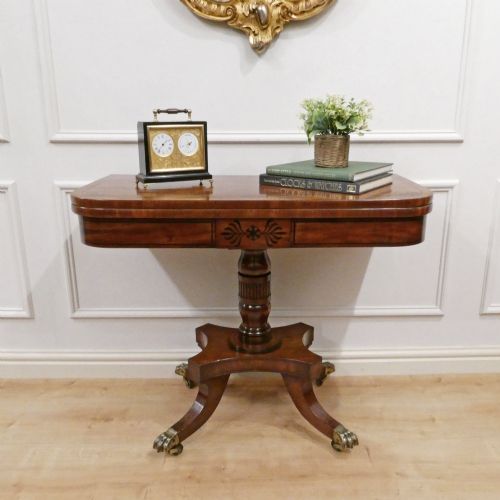
When searching for an antique table base, buyers encounter structural supports originating from periods ranging from the seventeenth century through to the twentieth century, alongside Regency, Georgian, Victorian and Edwardian eras. These architectural components often emerge from larger items such as dining tables, card tables, occasional pieces, and dresser bases.
Materials and construction
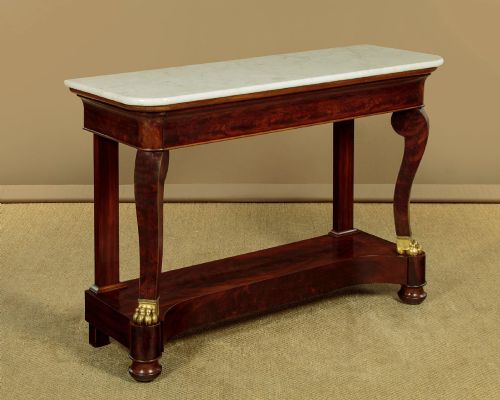
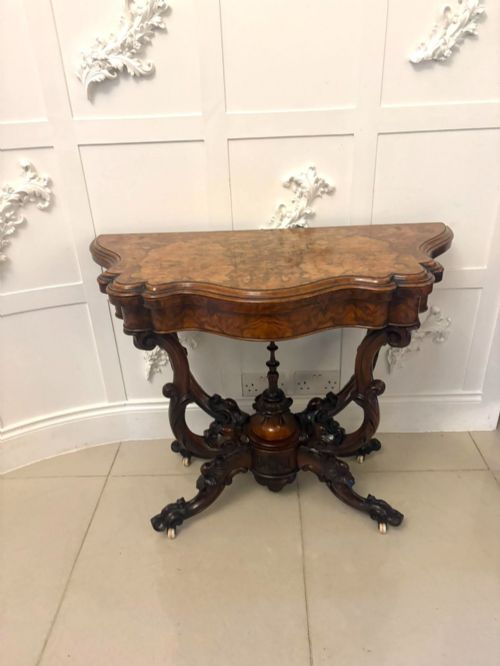
Makers utilised dense native timbers such as oak, mahogany, walnut, and elm, often shaping them with hand tools to create robust stretcher frames, cabriole legs, and turned pillars. Joinery relied on traditional pegging and mortise and tenon techniques to ensure lasting stability under heavy loads.
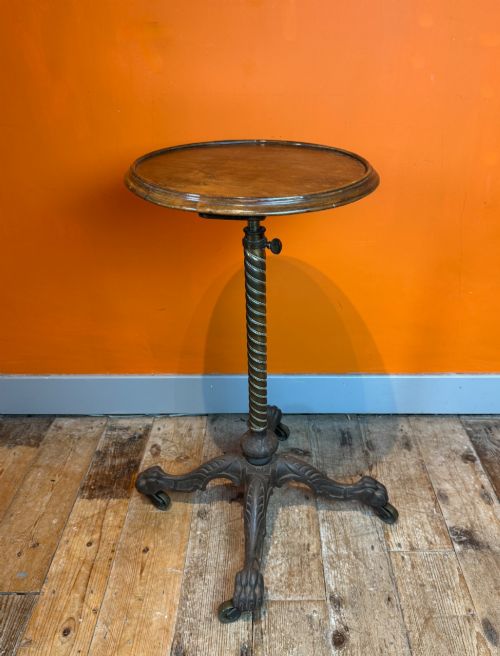
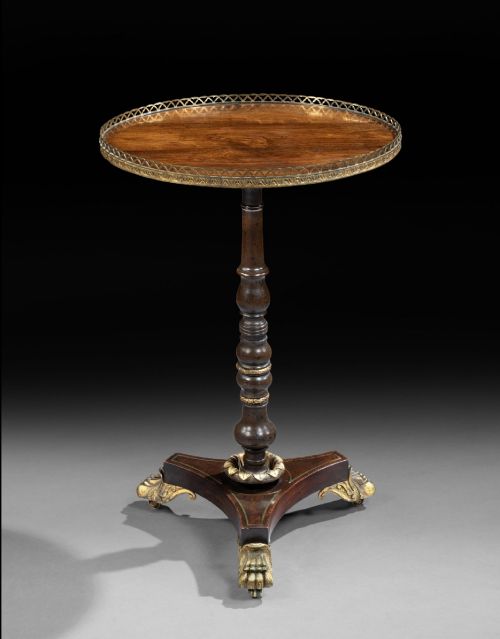
Metal elements including brass, cast iron, and bronze appear frequently in the evidence, forming decorative paw feet, casters, and structural braces that complement the wooden frameworks.
Antique Table Base Retail Price Guide 2026
Typical asking prices for table base among the pieces listed under this phrase on Sellingantiques today, from the lower quarter to the upper quarter. They describe what is for sale here now, not the wider market.
A nineteenth-century Grand Tour specimen marble chess board rests upon a giltwood base complete with carved lion head and paw detailing.
Distinctions in standard
The distinction between standard supports and finer examples rests upon the depth of hand-carved detailing, such as lion head motifs, and the selection of figured timber grains like burr walnut and rosewood. Superior pieces display harmonious proportions and substantial weight, reflecting the skill of the original workshop.
Later alterations, mismatched timber replacements, and structural wear without proper timber matching reduce the integrity of a base, whereas untouched surfaces and original patination elevate the piece.
Cary London·Heals of London·Gillows
The Antique Table Base Glossary
- Refectory base
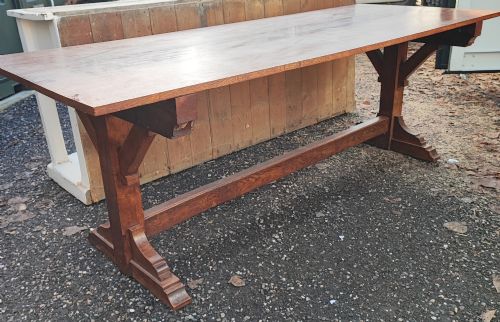
- A long, low wooden table structure traditionally supported by heavy legs joined by low stretchers. These sturdy frames were built to withstand heavy daily use in large halls.
- Tripod base
- A three-legged support system commonly found beneath small occasional tables and wine tables. This configuration ensures stability on uneven floors.
- Pillar base
- A vertical column support that rises from a central platform or feet, frequently utilised on large dining tables to allow maximum legroom.
- Stretcher
- A horizontal wooden bar connecting the legs of a table to increase rigidity and strength. Early oak examples are often pegged into position.
- Cabriole leg
- A furniture leg that curves outward and then tapers inward, finishing in a pad or paw foot. This design imitates the shape of an animal's leg.
Antique Table Base: Frequently Asked Questions
What is an antique table base used for?
An antique table base provides structural support for a tabletop, serving as the functional and decorative foundation for dining, writing, or display furniture. Many buyers acquire these bases to pair with reclaimed or custom tops.
They also function as standalone architectural elements or decorative pedestals within traditional and contemporary interior spaces.
How do I identify the period of a base?
Period identification relies on examining the timber species, joinery methods, and decorative styles present in the woodwork. Seventeenth-century examples typically feature heavy carved oak and pegged joints, whereas Regency and Georgian pieces display refined mahogany or rosewood.
Secondary indicators include the presence of brass casters, hand-cut screws, and the natural patination acquired through centuries of handling.
Can I attach a modern top to an antique base?
Attaching a modern top is possible provided the weight and dimensions align with the structural capacity of the supporting frame. Refectory and pillar bases generally offer sufficient strength to support various top materials.
Care must be taken to ensure the fixing method does not permanently damage or alter the original timber framework of the base.
How do I clean and maintain old wood?
Maintenance involves dusting with a soft, dry cloth and applying natural beeswax periodically to nourish the timber and preserve its finish. Avoid using synthetic silicones or excessive water, which can degrade old polish and grain.
Keeping wooden bases away from direct heat sources and strong sunlight prevents the timber from drying out and splitting over time.