
Antique Swivel Table
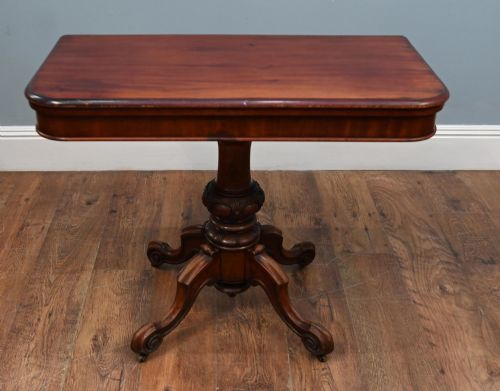
An antique swivel table pivots on a central pivot or mechanism, offering dual function as a games surface or dressing glass.
Antique Swivel Table
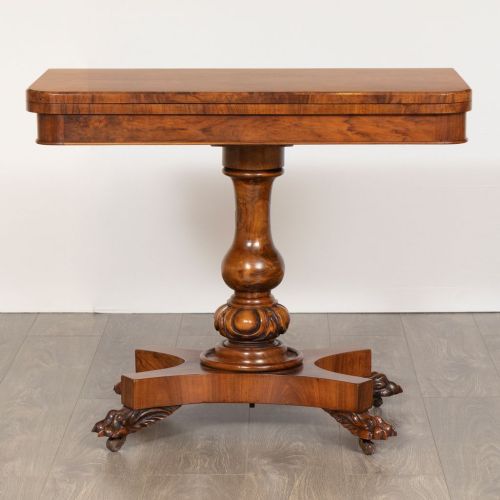
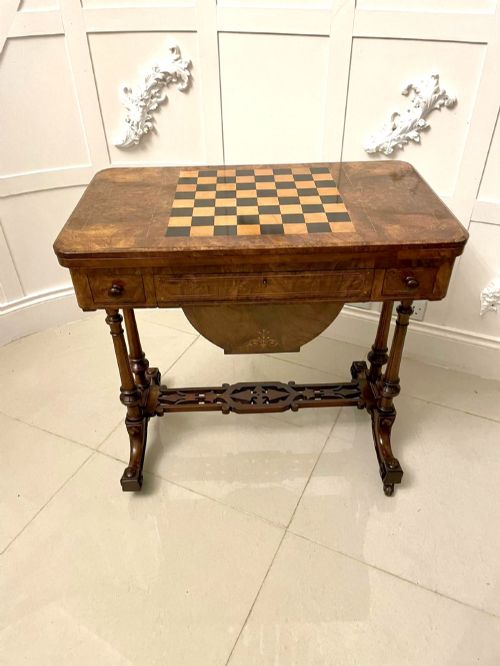
When you search for an antique swivel table, you encounter pieces designed to pivot, tilt, or fold over to reveal concealed compartments or secondary surfaces. These items predominantly take the form of card tables, games tables, and dressing mirrors originating from the Georgian, Regency, and Victorian periods.
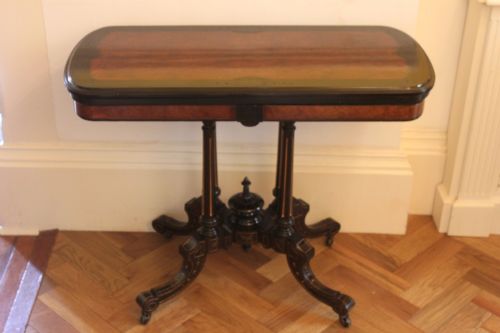
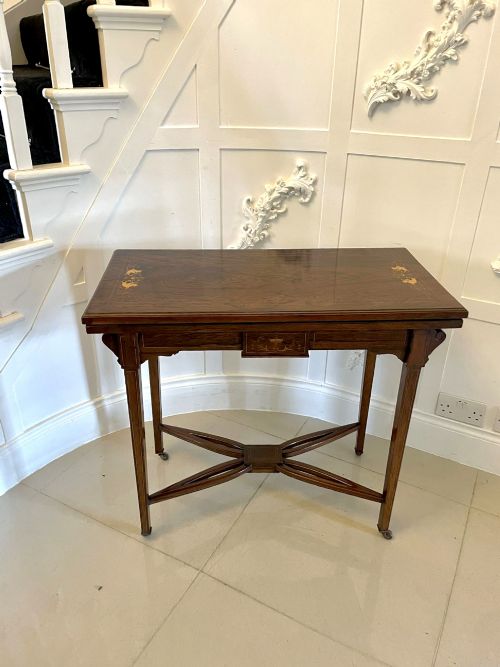
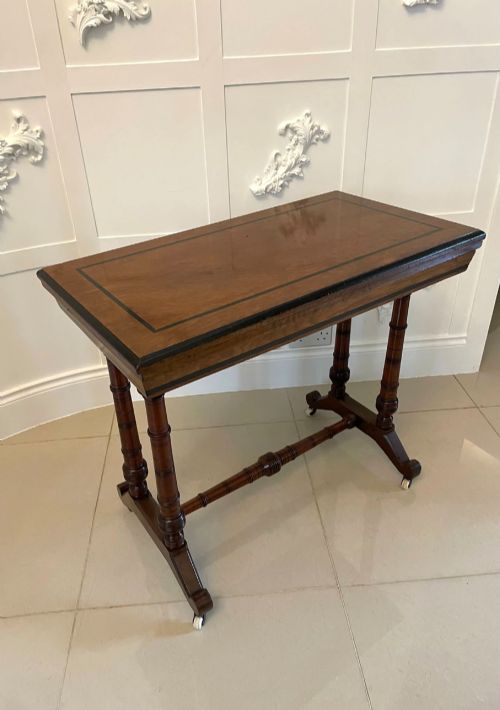
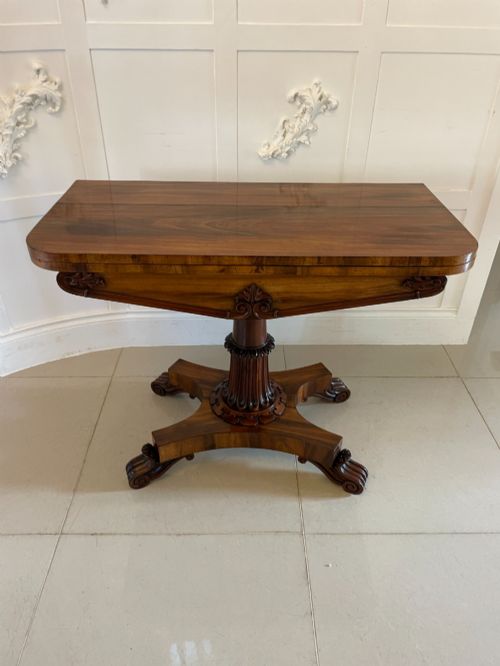
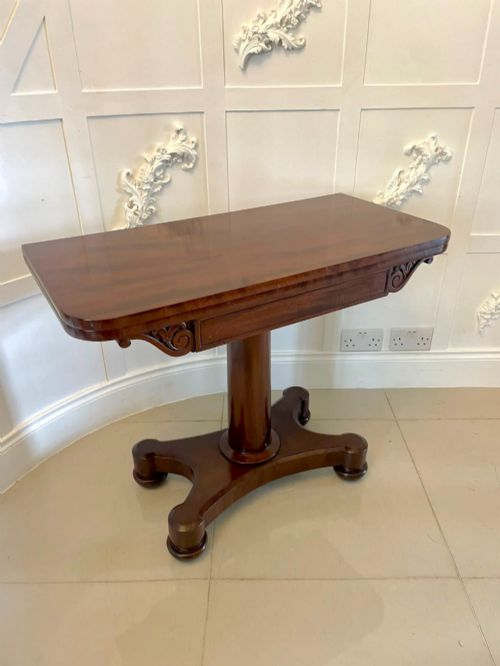
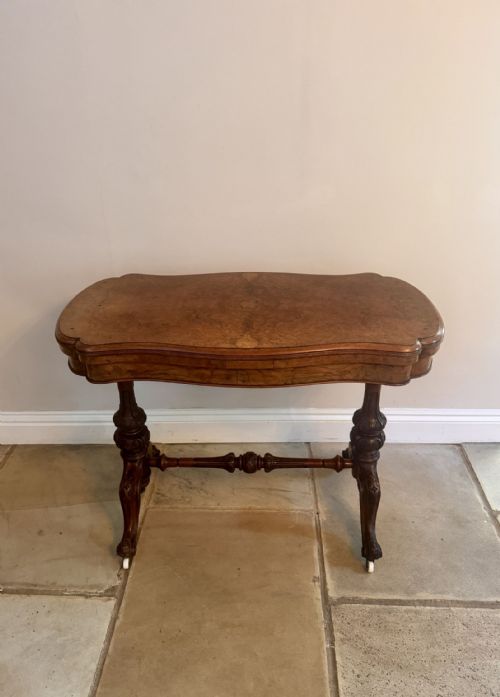
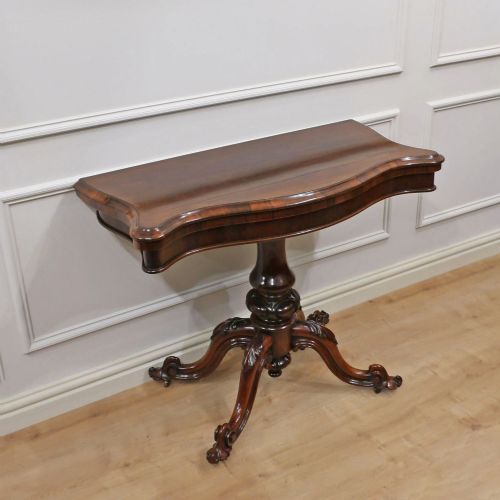
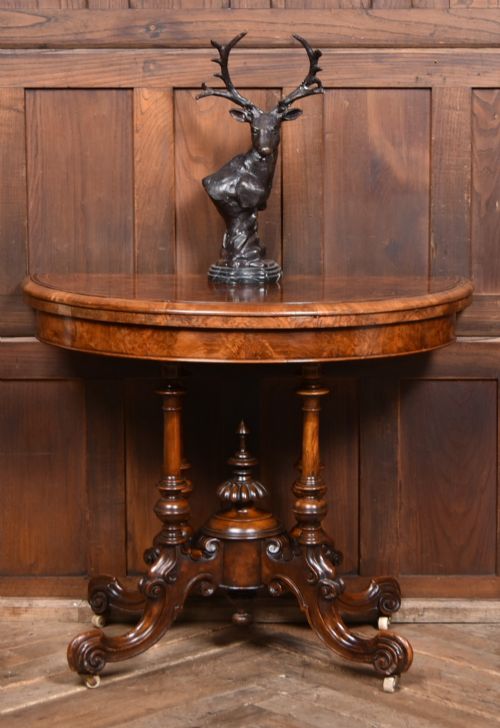
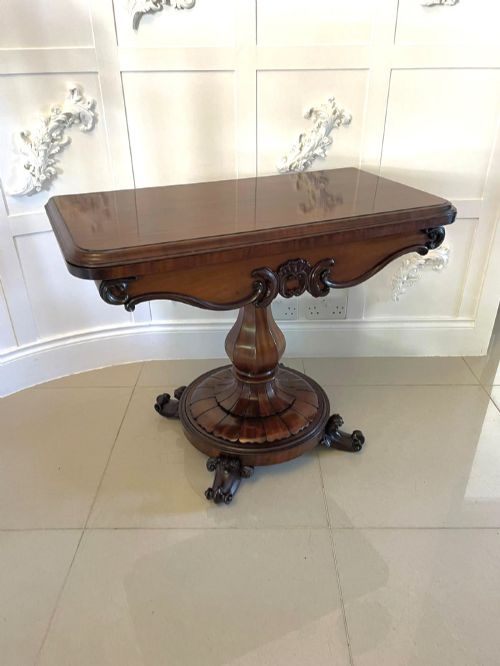
The version most commonly met on this page is the Victorian burr walnut or mahogany foldover card and games table, alongside freestanding Edwardian rosewood examples. Makers constructed these pieces to serve multiple domestic purposes in drawing rooms and boudoirs.
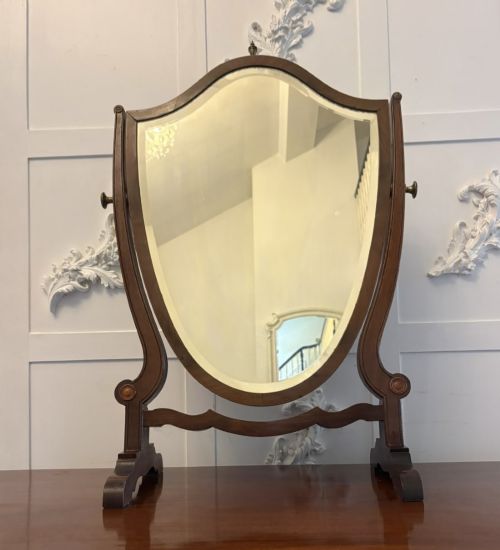
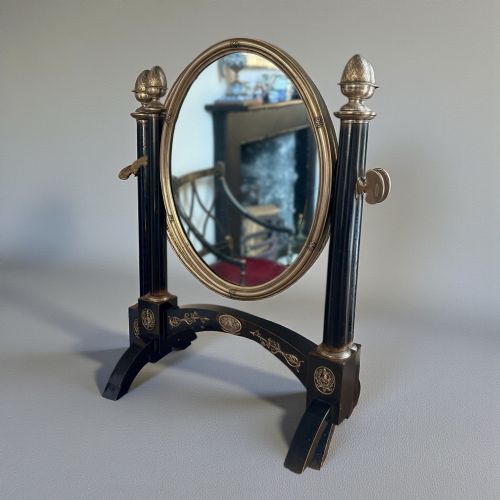
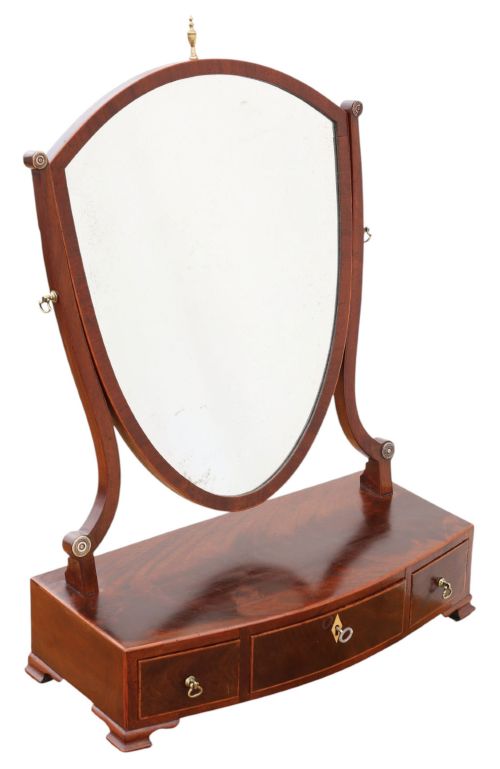
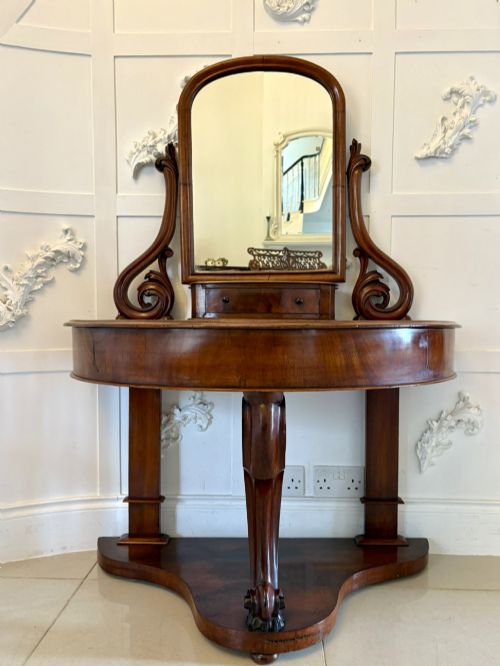
Beyond games and card tables, the category encompasses dressing table mirrors and toilet mirrors that pivot within upright supports. These span from seventeenth-century walnut designs to nineteenth-century mahogany swing mirrors.
Materials and Construction
Cabinet makers utilised dense hardwoods such as mahogany, rosewood, walnut, and burr walnut for the primary structures of these tables and mirrors. They often applied intricate inlays of boxwood, brass, and ebony to enhance the decorative timber surfaces.
The pivotal action relies on specialised wooden or brass hinges and central pivots that allow tops to rotate and fold. Dressing mirrors employ upright frame supports with thumb screws or brass pins to maintain the angle of the glass plate.
Listings feature woods including mahogany, rosewood, walnut, and burr walnut, spanning the Georgian, Regency, and Victorian periods.
Craftsmanship and Proportion
The distinction between ordinary and superior pieces rests in the selection of veneer and the precision of the pivoting mechanism. Finer examples display matched burr walnut or figured mahogany grain that aligns seamlessly when the top unfolds.
Structural integrity of the pivot and the crispness of carved rosewood or mahogany details separate the master workshop output from basic production. Superior card tables retain stable joints and smooth rotation without wobble in the pedestal base.
Heal & Sons
The Antique Swivel Table Glossary
- Foldover table
- A dual-surface table with a hinged top that opens to double its surface area. This design conceals a green baize or polished wood interior intended for card games.
- Swivel top
- A tabletop mounted on a central pivot that rotates horizontally before folding down flat. This mechanism allows the top to lock securely in position.
- Toilet mirror
- A small adjustable looking glass mounted on a box base or small drawers, designed for placement on a dressing table. It tilts vertically on side pivots.
- Crossbanding
- A border of veneer laid around the perimeter of a tabletop with the wood grain running perpendicular to the central panel. This technique frames the primary timber.
- Ormolu
- Gilded bronze mounts applied to the corners and frames of French Empire pieces. It provides metallic contrast to dark mahogany surfaces.
Antique Swivel Table: Frequently Asked Questions
What is an antique swivel table used for?
These tables served primarily for card games, social gatherings, or tea service in nineteenth-century drawing rooms. The pivoting top allowed the surface to turn and fold flat against a wall when not in use.
Smaller swivel examples functioned as dressing mirrors or toilet mirrors placed upon chests of drawers. They provided adjustable angles for personal grooming and shaving.
How do you operate the swivel mechanism?
The top section lifts slightly and rotates on a central wooden pivot or brass peg embedded in the frieze or pillar. Once turned ninety degrees or one hundred and eighty degrees, the leaves unfold onto a support.
Care must be taken to lift the top rather than forcing the rotation directly against the locating pins. This prevents strain on the pivot block beneath the surface.
How do I identify a Victorian games table?
Victorian examples frequently utilise burr walnut or heavy mahogany, often featuring carved pillar supports and a quadruped base with porcelain castors. The interior often contains lined green baize for playing cards.
Earlier Regency versions display finer brass inlay and rosewood veneers, while Edwardian pieces introduce lighter rosewood and marquetry inlay.
Where should I place a swivel table at home?
A foldover card table suits a hallway or living room wall as a side table until opened for guests. Its finished back allows it to stand freestanding in the room.
Table mirrors sit comfortably atop antique chests of drawers or dressing bureaus. Ensure they are kept away from direct sunlight to protect the aged mirror glass and polish.