




Antique Style Runner
When searching for an antique style runner, you encounter woven floor coverings originating from nineteenth and early twentieth century workshops and tribal groups.
Antique Style Runner
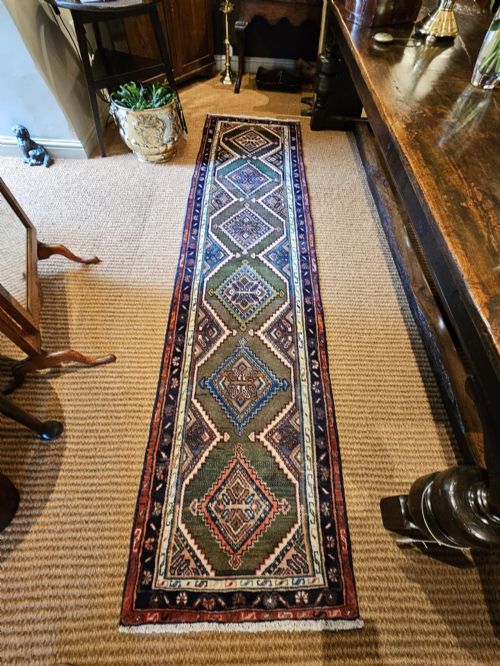
An antique style runner comprises long, narrow floor coverings designed for hallways and corridors. These pieces draw upon traditional Persian, Caucasian, and tribal designs spanning the nineteenth and early twentieth centuries.
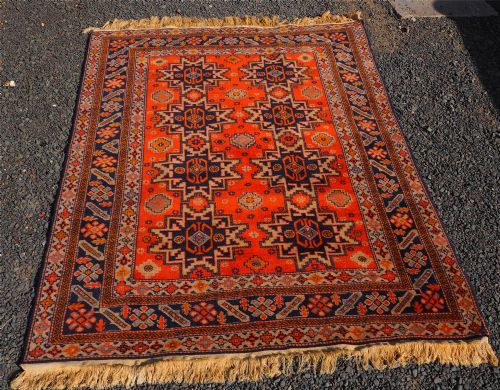
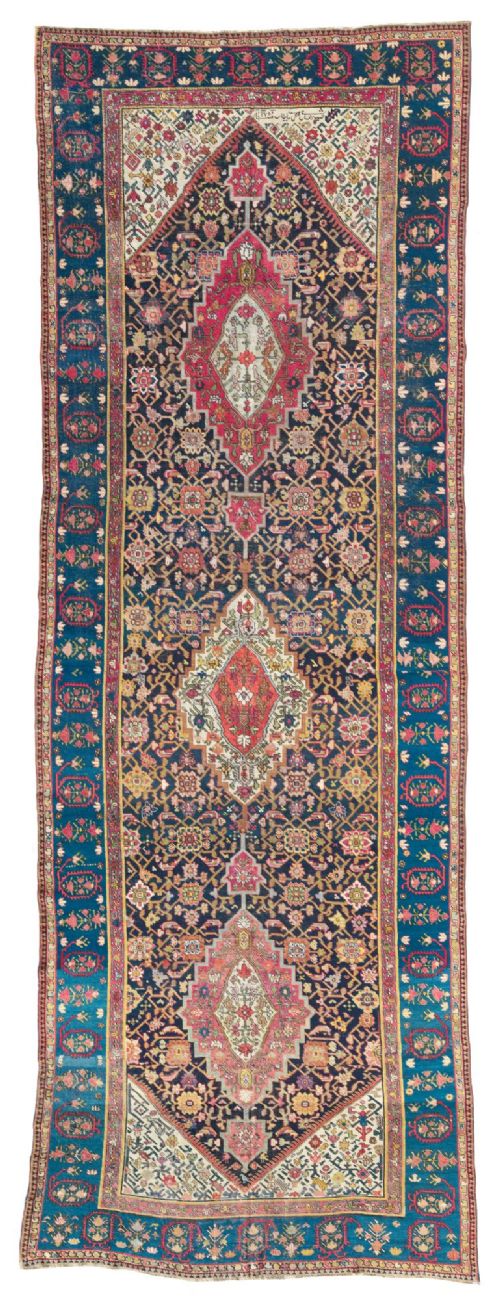
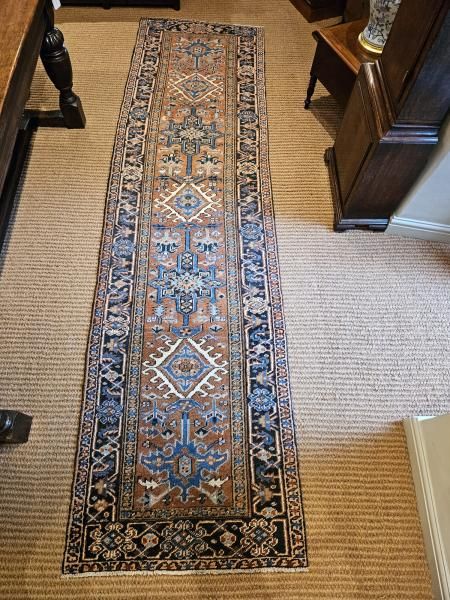
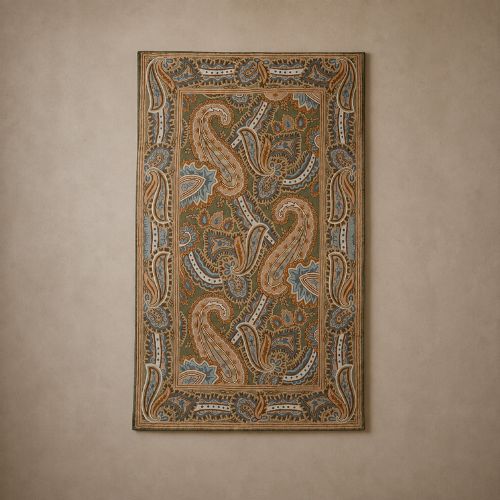
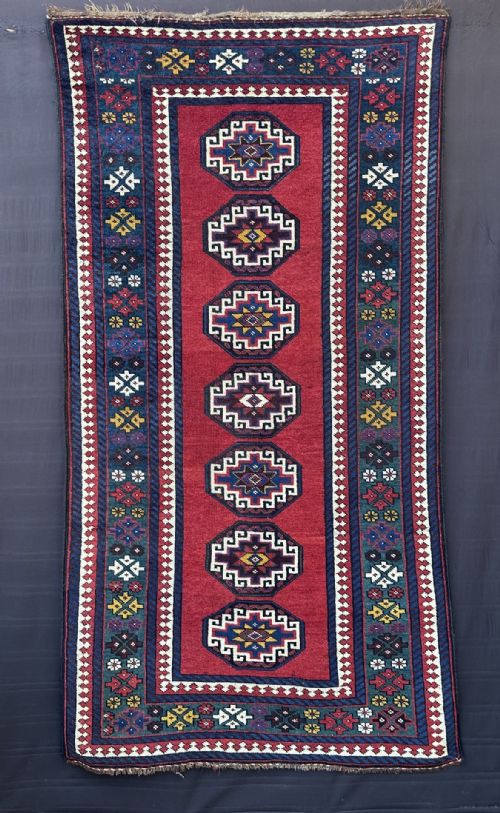
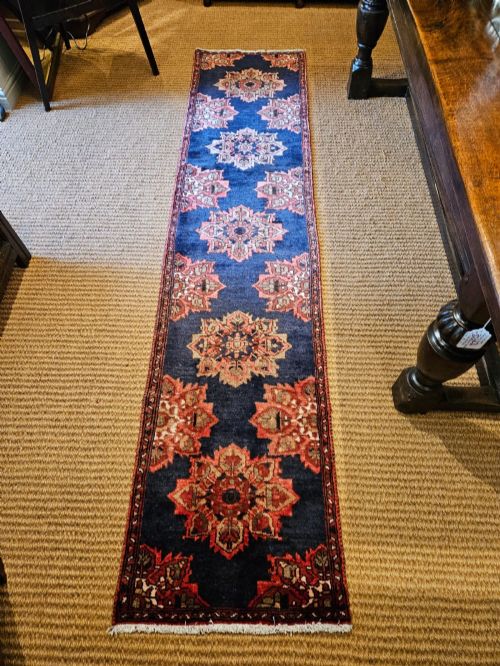
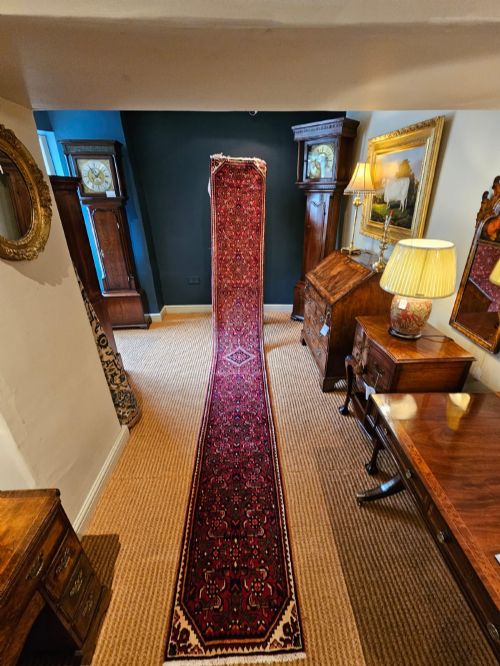
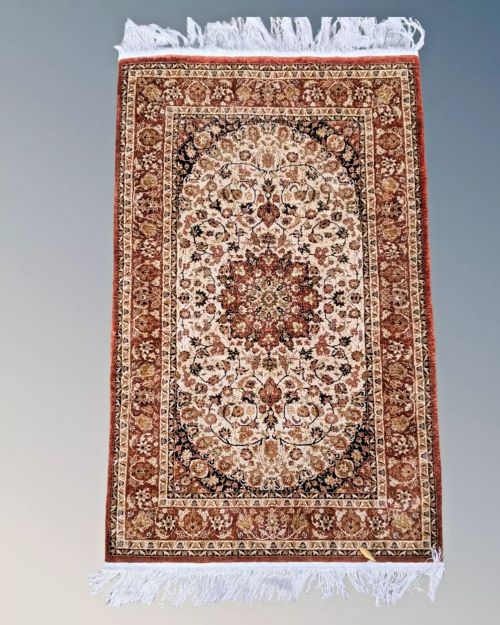
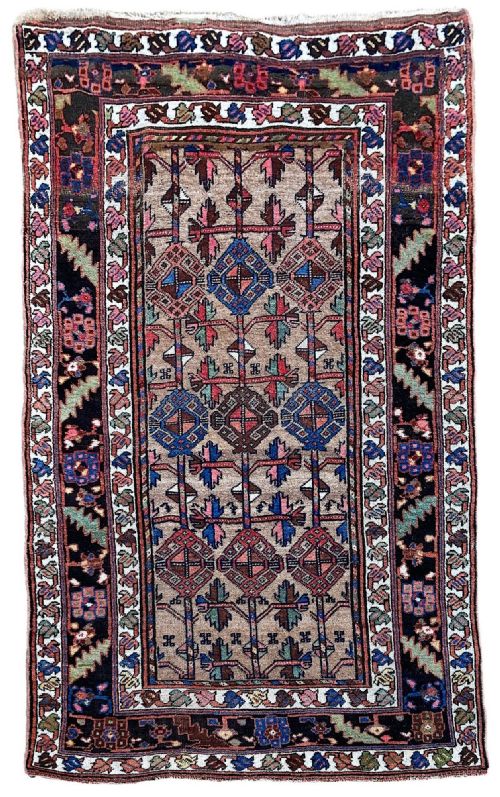
Buyers meet runner rugs, hallway runners, and long formats rendered in styles such as Heriz, Sarab, and Caucasian tribal motifs. These textiles span periods from the eighteen-eighties through to the nineteen-thirties, reflecting regional weaving traditions.
Makers utilised formats ranging from compact hallway lengths to substantial proportions exceeding four metres. The selection incorporates both geometric village patterns and curvilinear workshop designs.
How They Were Made
Weavers constructed these textiles primarily using wool, hand-spun wool, cotton, and linen. Foundation materials frequently combined wool and cotton to ensure structural stability.
Makers employed hand-knotting techniques alongside hand-weaving methods. Natural fibres were dyed to achieve rich palettes including navy blue, olive green, and ivory grounds.
Listings feature pieces spanning the late nineteenth century through to the nineteen-thirties, constructed from wool, hand-spun wool, cotton, and camel hair.
What Varies in Quality
Quality rests upon knot density, handle, and the integrity of the foundation weave. Tighter knotting yields sharper pattern definition and greater durability under foot traffic.
The sophistication of the dye palette and the clarity of the tribal or workshop design distinguish finer examples. Wool quality and the precise preparation of hand-spun yarn also determine the character of the pile.
The Antique Style Runner Glossary
- Runner
- A long, narrow carpet format specifically suited for hallways, corridors, and stairs. These pieces connect spaces while displaying repeating central motifs.
- Kelleh
- A large rug format, broader than a standard runner but longer than a square carpet. This traditional Persian proportion accommodates expansive room layouts.
- Heriz
- A style originating from north-west Persia, characterised by bold geometric medallions and robust structural drawing. These rugs utilise durable wool suited for heavy use.
- Sarab
- A type originating from a region known for camel hair foundations and muted, camel-toned or ivory colour palettes. They frequently exhibit geometric repeat patterns along the central axis.
- Tribal
- A designation for pieces woven by nomadic or village groups rather than city workshops. These designs rely on memory and local symbolism rather than formal cartoons.
Antique Style Runner: Frequently Asked Questions
Where do these runners work best?
These long formats suit narrow transition spaces such as corridors, hallways, and gallery landings. They provide functional floor protection while introducing historical pattern and texture.
Placement in high-traffic areas benefits from the durable nature of traditional wool construction. Their linear proportions guide movement through domestic interiors.
How do I identify a regional design?
Regional attribution relies on specific motif repertoires, colour combinations, and weaving structures. For instance, Heriz pieces display bold geometric medallions, whereas Sarab runners often feature camel hair grounds and understated palettes.
Tribal examples from the Caucasus or Persia showcase angular motifs, animals, and stylised botanical elements. Examining the knotting style and foundation materials further clarifies the origin.
Are these materials durable for daily use?
Traditional construction utilises sturdy wool pile knotted onto cotton or wool foundations. These natural materials withstand regular household traffic when properly maintained.
Using an appropriate underlay prevents slippage and cushions the textile against hard flooring. Regular rotation distributes wear evenly along the length of the runner.
How do I date these textiles?
Dating relies on stylistic analysis, structural characteristics, and dye types. Pieces from the nineteenth century often exhibit natural dyes and looser village structures, while early twentieth-century examples introduce broader commercial colour ranges.
Comparing edge finishes, wool texture, and design asymmetry helps narrow the period of production. Archive records and historical workshop patterns provide further comparative context.