




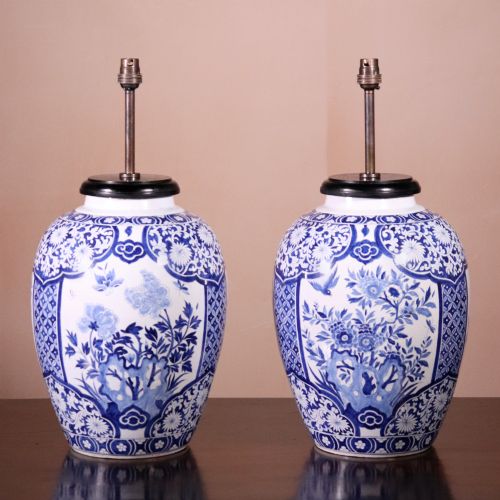


Antique Style Ceramic Lamps
Antique style ceramic lamps bring classical form and painted detail into an interior, offering practical illumination through converted vessels.
Antique Style Ceramic Lamps
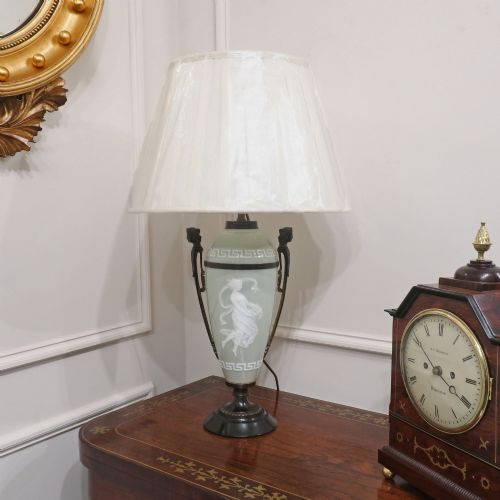
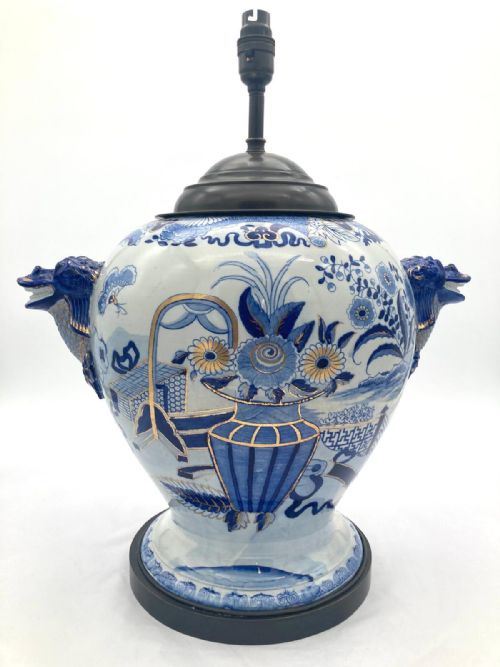
Antique style ceramic lamps encompass porcelain and ironstone vessels adapted for domestic lighting, ranging from ginger jars to baluster vases. When searching for antique style ceramic lamps, buyers encounter diverse decorative traditions including Chinese export patterns and European neoclassical interpretations.
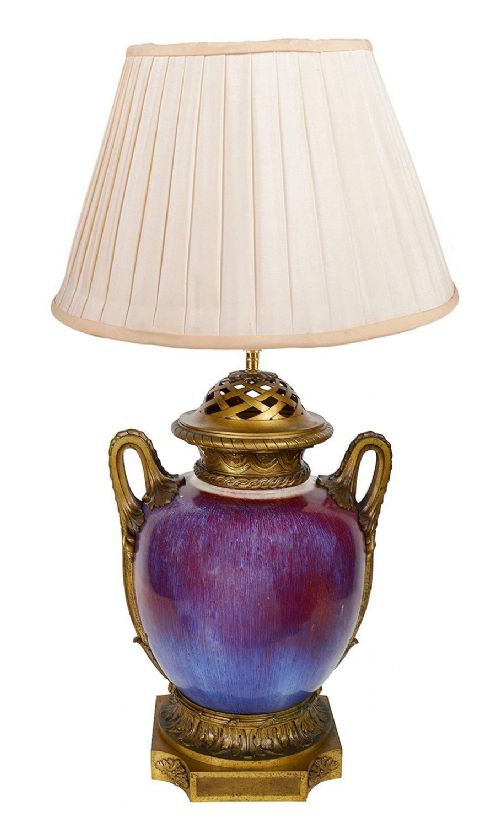
The selection includes pieces originating from the eighteenth century through to the early twentieth century, spanning periods such as the Regency era and the Victorian epoch. Many examples utilise traditional bodies like blue and white porcelain, Famille Verte, or Sang de Boeuf, mounted with brass or ormolu fittings.
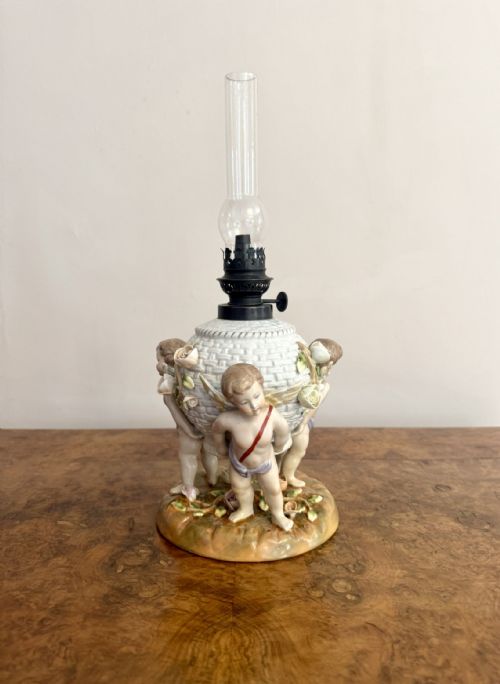
Pairs of table lamps and single oil lamps dominate the selection, often converted from earlier vases or jars. These items combine ceramic bodies with fabric or silk shades, bringing historical motifs into domestic settings.
Materials and construction
Potters shaped the ceramic bodies from porcelain and ironstone, applying hand-painted pigments in palettes such as Famille Rose, Famille Verte, and blue and white underglaze. Glazes range from smooth crackleware finishes to lustrous monochrome surfaces like Sang de Boeuf and celadon.
Metal mountings in gilt bronze, brass, and ormolu secure the ceramic vessels, often casting decorative collars and bases in styles from French Neoclassical to Rococo Revival. Silk and fabric shades complete the construction, paired with electrical or traditional oil mechanisms.
Antique Style Ceramic Lamps Retail Price Guide 2026
Typical asking prices for style ceramic lamps among the pieces listed under this phrase on Sellingantiques today, from the lower quarter to the upper quarter. They describe what is for sale here now, not the wider market.
The listings feature ceramics spanning the eighteenth to the twentieth centuries, utilising porcelain, ironstone, and ormolu mounts.
Factors determining quality
Quality rests on the crispness of the hand-painted ceramic decoration and the depth of the glaze, alongside the weight and chasing of any metal mounts. Fine porcelain bodies exhibit consistent thickness and precise hand-applied pigments rather than printed transfers.
The sophistication of the conversion from vessel to lamp dictates the overall integrity, where mounts fit the ceramic contours securely without damaging the original body. Well-preserved surfaces retain their original gilding and glaze lustre without extensive restoration.
Sitzendorf·Hicks and Meigh·Samuel Alcock·Samson
The Antique Style Ceramic Lamps Glossary
- Famille Verte
- A porcelain palette dominated by green enamel overglaze colours, developed during the Qing Dynasty. This style frequently appears on Chinese vases adapted into table lamps.
- Ormolu
- Gilt bronze mounted onto furniture, porcelain, and decorative objects to provide structural support and ornamental enrichment. It involves applying a gold amalgam to bronze.
- Pate Sur Pate
- A porcelain decoration technique where liquid clay is painted in successive layers onto a dark body to create a low-relief cameo effect. This method requires considerable skill from the ceramic artist.
- Crackleware
- Pottery featuring a network of fine cracks in the glaze, deliberately produced during the firing process. It is common in certain Chinese ceramic traditions.
- Blanc De Chine
- A white porcelain made in Dehua, China, valued for its smooth milk-white glaze and lack of painted decoration. Figures such as Shi Lions often utilise this ceramic type.
Antique Style Ceramic Lamps: Frequently Asked Questions
How do I choose the right antique style ceramic lamp?
Consider the scale of the room and the height of existing furniture when selecting a lamp body. Taller baluster vases suit larger spaces, while petite gilt bronze or porcelain pieces fit smaller side tables.
Examine the palette of the ceramic body to complement your interior decor scheme. Blue and white porcelain offers a versatile neutral element, whereas Famille Rose or Famille Verte introduces vibrant polychrome colour.
Were these lamps originally made for lighting?
Many ceramic bodies started as jars, vases, or oil lamps before being converted into modern table lamps. Vases such as Chinese ginger jars or Famille Verte vessels received electrical wiring and brass or ormolu mounts during later periods.
Some pieces began life as nineteenth-century oil lamps with porcelain reservoirs and burners. These were subsequently adapted for electrical use while retaining their original decorative bases.
How should I clean my ceramic lamp?
Dust the ceramic body and fabric shade regularly with a soft, dry cloth to prevent grime buildup. Avoid using harsh chemical cleaners or abrasive materials that might damage hand-painted overglaze enamels or ormolu mounts.
Keep electrical components away from moisture and unplug the lamp before undertaking any cleaning. For gilt bronze or brass mounts, use a specialised metal cleaner applied sparingly with a cotton bud.
What defines Chinese export style?
Chinese export porcelain refers to wares made in China specifically for the European and American markets from the sixteenth through the nineteenth centuries. These pieces often combined traditional Chinese ceramic forms with decorative motifs tailored to Western tastes.
Patterns such as Famille Verte and blue and white designs were produced in large quantities for these international trade routes. Today, these vessels form the basis for many antique style ceramic lamps.