

Antique Style Buffet
An antique style buffet brings historic presence and substantial storage to a dining room, uniting period character with practical surface space.
Antique Style Buffet
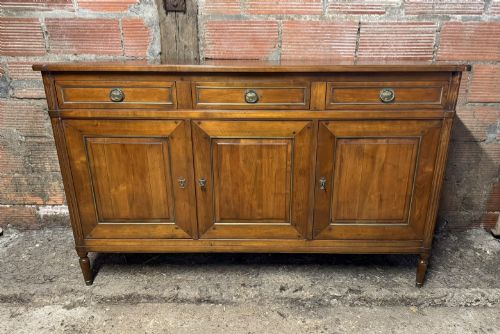
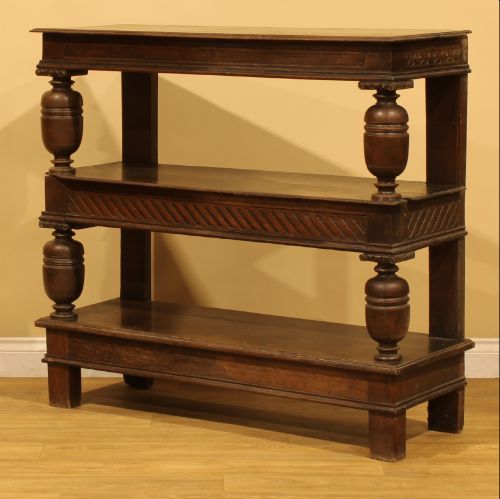
An antique style buffet encompasses large dining room storage pieces, including sideboards, side cabinets, credenzas and serving tables designed to hold tableware and serve food.
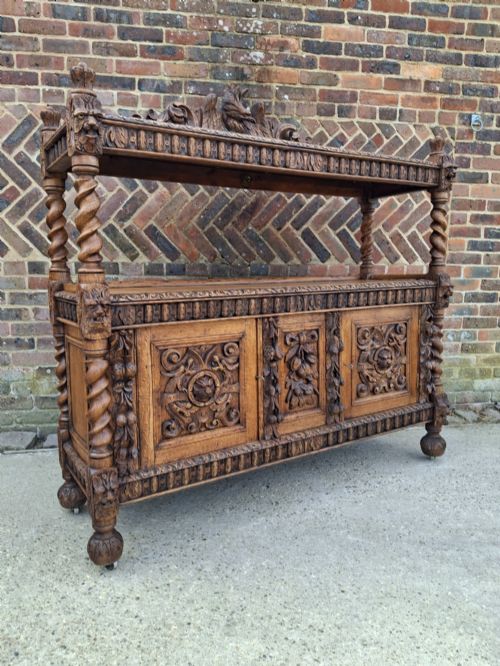
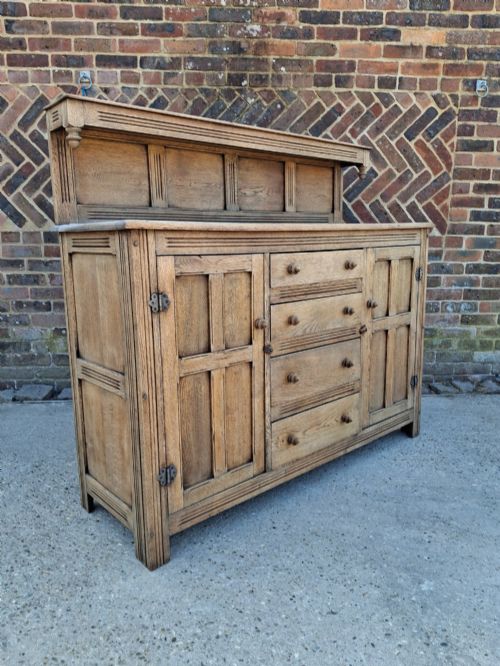
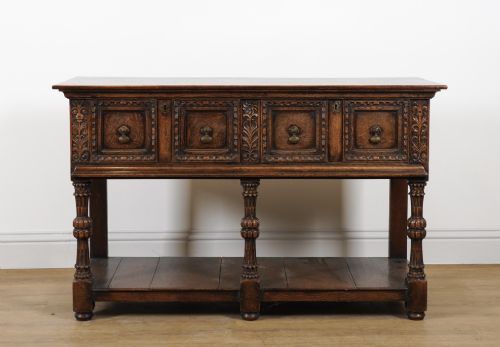
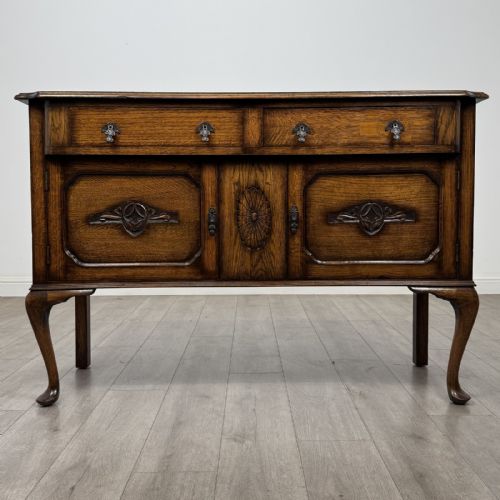
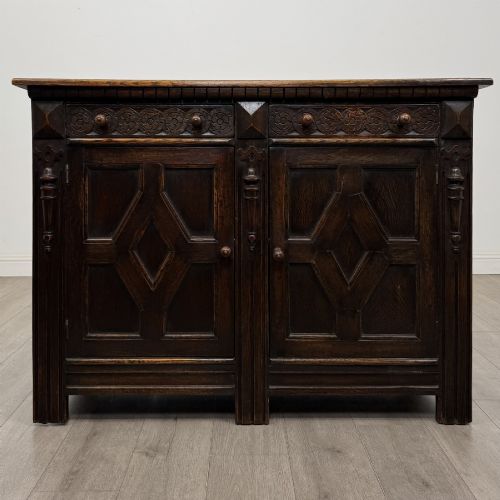
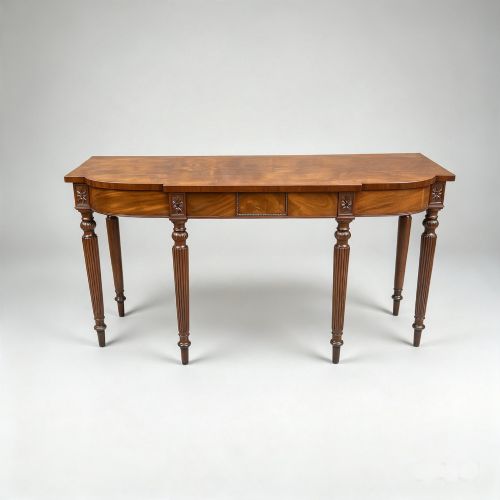
The pieces appearing under this description range from solid oak carvings inspired by seventeenth century designs to mahogany and satinwood furniture from the Georgian, Edwardian and Victorian eras.
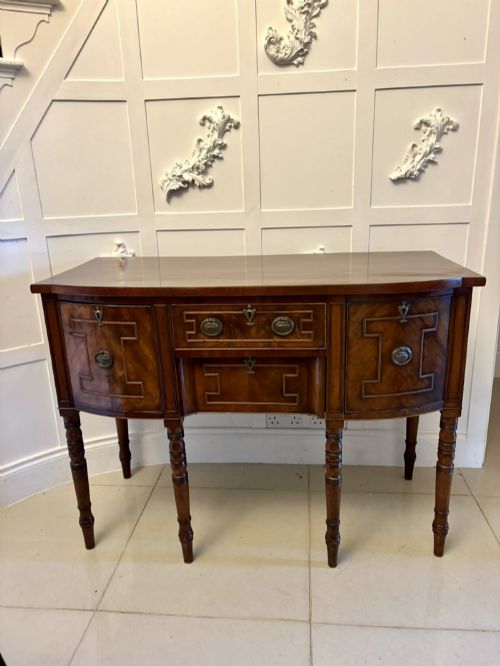
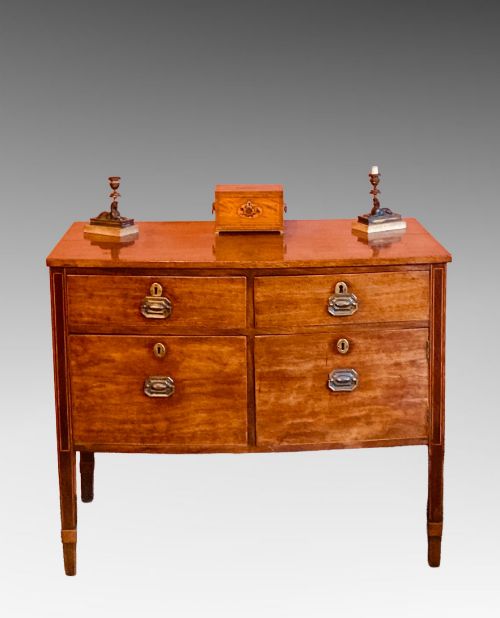
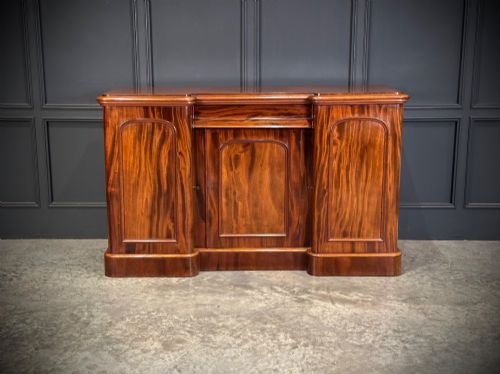
Buyers meet varied forms such as bow fronted servers, breakfront cabinets and drop leaf side tables produced across the nineteenth and early twentieth centuries.
Materials and construction methods
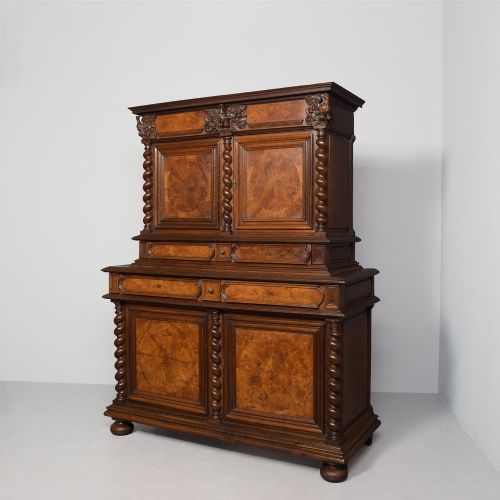
Cabinet makers utilised dense hardwoods including mahogany, oak and walnut, frequently enhancing surfaces with burr walnut, satinwood crossbanding or amboyna veneers.
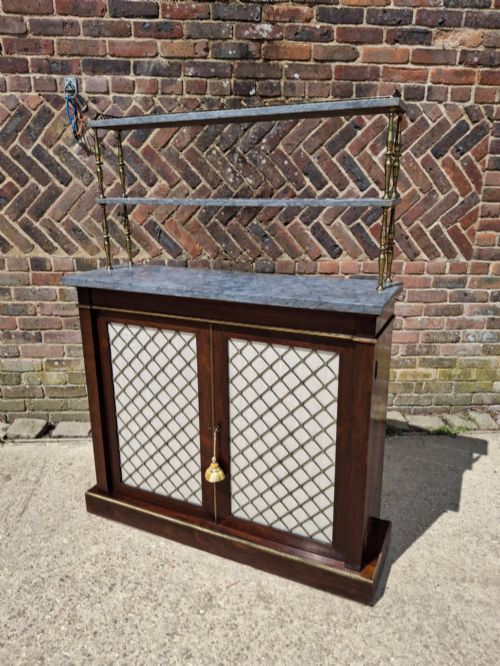
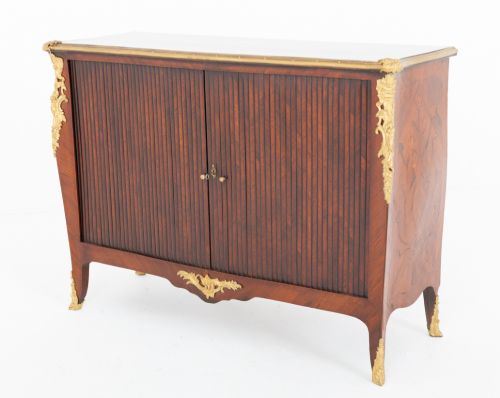
Decorative details rely on hand carving, geometric panels, turned legs, claw and ball feet, and occasional gilt bronze mounts or marble tops.
Antique Style Buffet Retail Price Guide 2026
Typical asking prices for style buffet among the pieces listed under this phrase on Sellingantiques today, from the lower quarter to the upper quarter. They describe what is for sale here now, not the wider market.
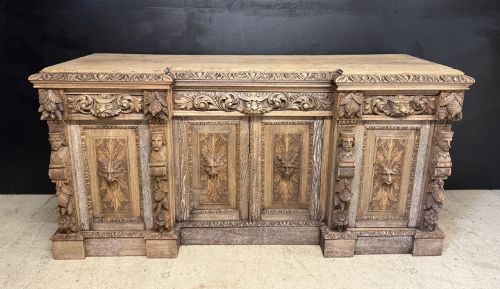
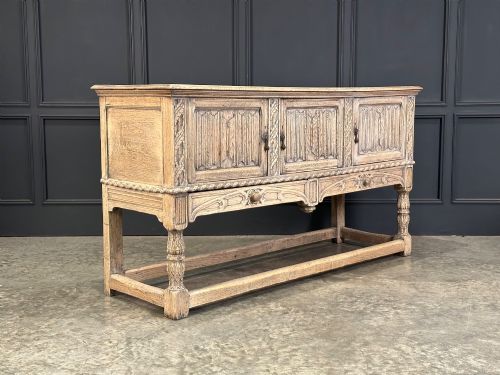
A bleached French oak hunting cabinet brings woodland wildlife carvings directly into the dining room.
Assessing quality in construction
Superior examples demonstrate meticulous timber selection, such as figured mahogany or burr walnut matched evenly across doors and drawer fronts, paired with precise inlay and crossbanding.
Quality shows in the depth of hand carved relief work, solid secondary timbers used for drawer linings, and the crisp execution of period details like stretcher bases or neoclassical carving.
François Linke·Gillows·Ambrose Heal
The Antique Style Buffet Glossary
- Bow front
- A convex curved front on a cabinet or sideboard that projects outward centrally. This curved form became particularly popular in mahogany dining furniture during the Georgian period.
- Breakfront
- A piece of furniture where the central section projects forward from the flanking outer sections. This arrangement creates visual depth and breaks up long elevations.
- Crossbanding
- A narrow strip of veneer laid around the border of a panel so that the grain runs at right angles to the central wood. Makers utilised this technique to frame drawer fronts and tabletops.
- Credenza
- A low dining room cabinet or sideboard, frequently associated with nineteenth century revival styles and often fitted with glass doors or marble tops.
- Serpentine
- A shaped furniture front featuring a concave centre flanked by two convex ends, or the reverse. This flowing line demands high skill from the cabinet maker.
Antique Style Buffet: Frequently Asked Questions
Where do you place an antique buffet?
An antique buffet traditionally sits against the dining room wall to hold serving dishes and store silverware.
It also functions effectively in a hallway or large living space as a display surface.
How do I clean wooden surfaces?
Dust surfaces regularly with a soft, dry cloth to prevent dirt accumulation on the timber.
Apply a quality beeswax periodically to nourish the wood and maintain a natural lustre.
What is a credenza?
A credenza is a low storage cabinet originating in Italy that evolved into a nineteenth century dining room piece.
These pieces often feature enclosed cupboards and decorative wood veneers.
How do I identify Edwardian pieces?
Edwardian furniture often displays lighter woods like satinwood, delicate inlay work, and refined proportions.
Makers working in this era frequently revived earlier Georgian and Sheraton design motifs.