
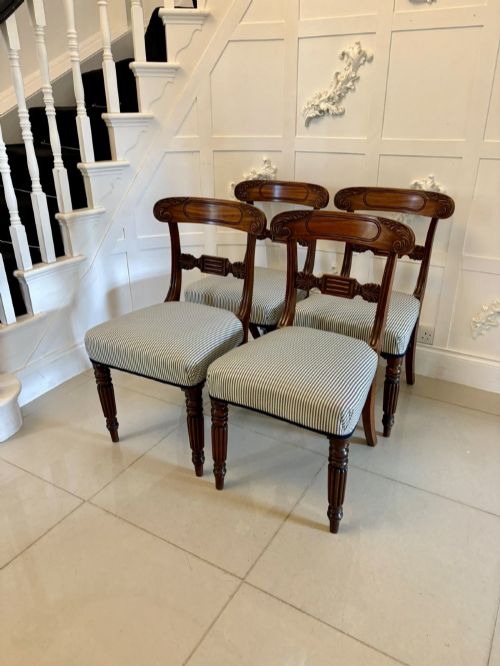
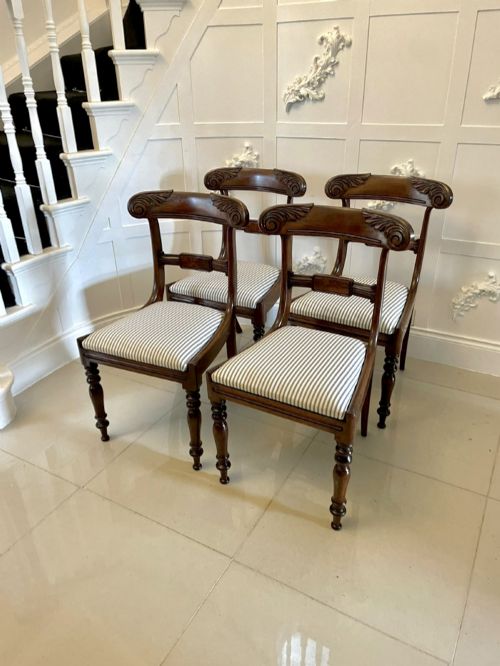
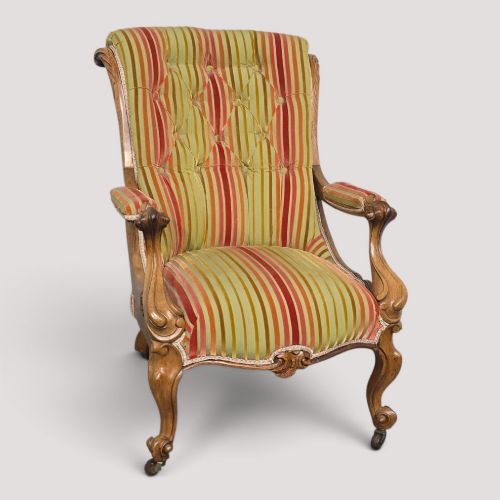
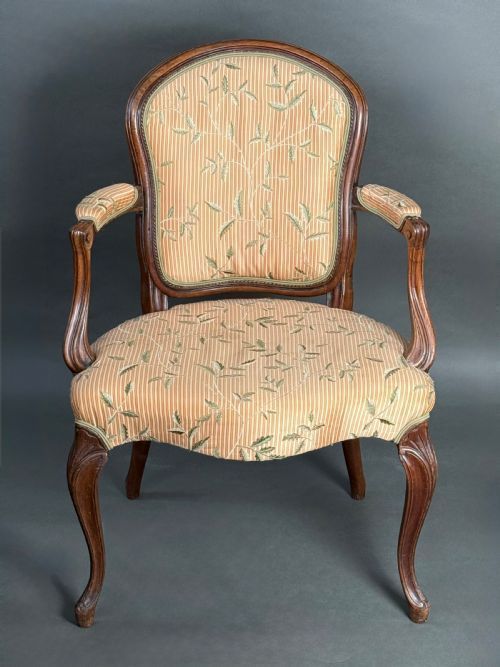
Antique Stripe Chair
An antique stripe chair brings linear pattern and period form together, offering seating grounded in centuries of cabinet-making.
Antique Stripe Chair
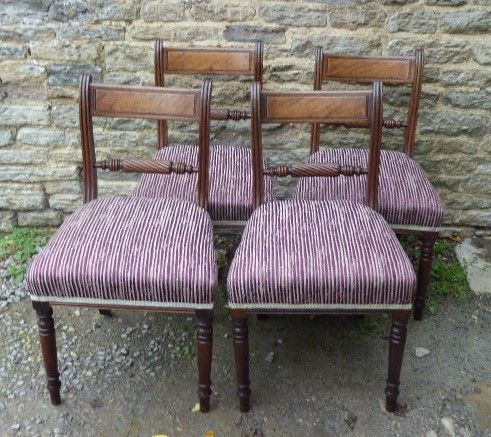
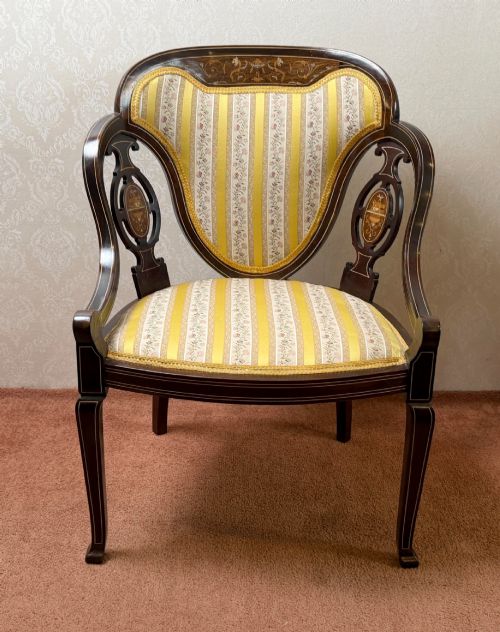
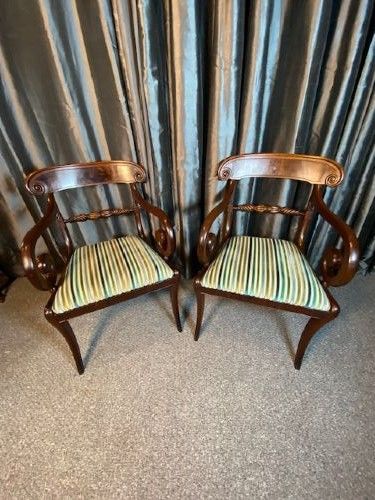
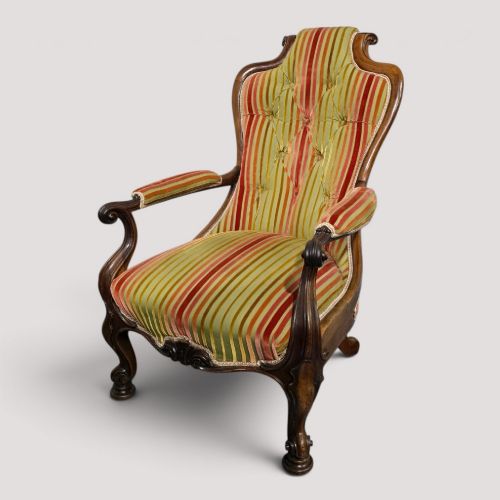
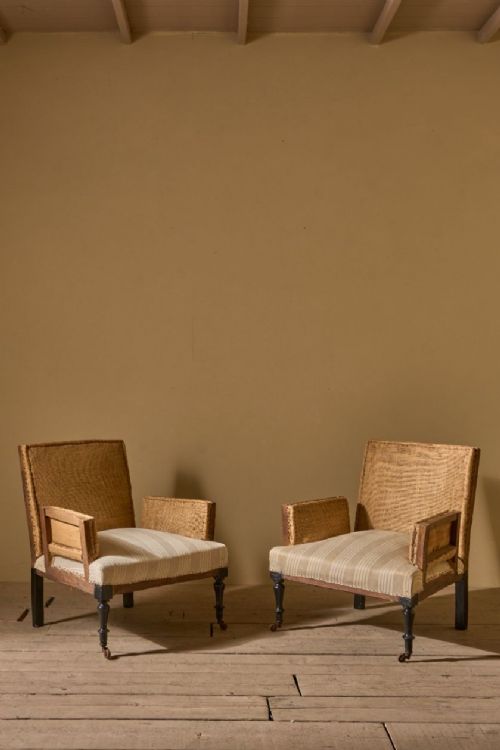
An antique stripe chair encompasses forms ranging from formal dining chairs to library armchairs and salon seats, originating across the eighteenth, nineteenth, and early twentieth centuries. The selection includes styles such as Regency, Victorian, Georgian, and French Neoclassical, reflecting varied domestic functions from dining to parlour use.
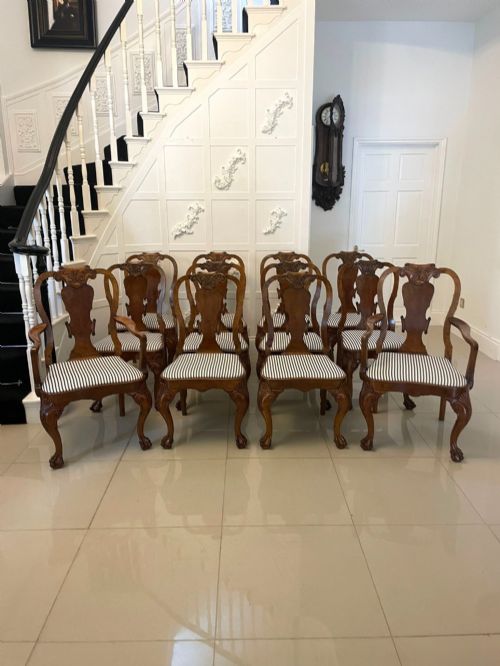
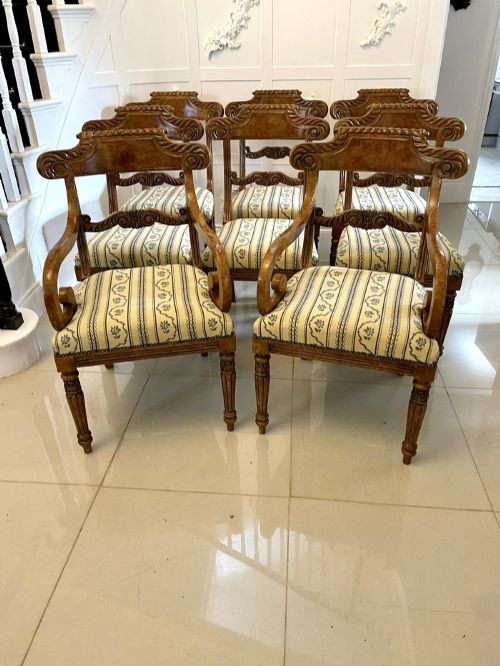
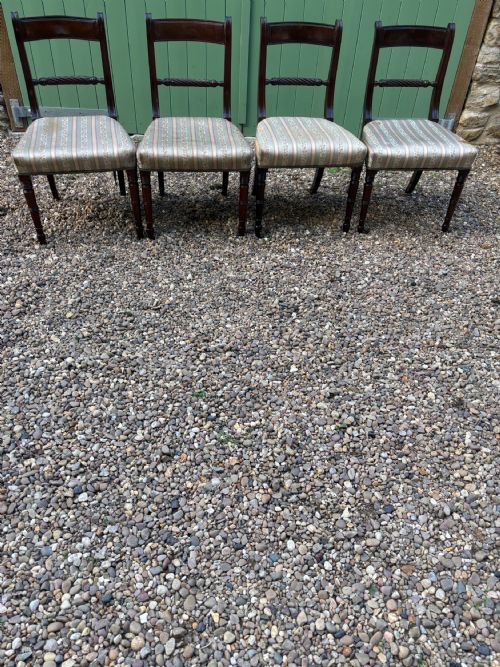
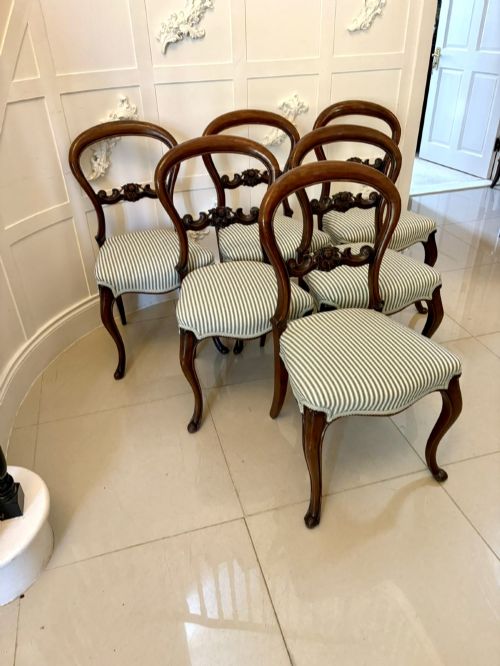
Dining chairs and carvers appear frequently in sets, alongside individual armchairs, bergères, and daybeds upholstered in textiles that emphasise vertical patterns. Buyers encounter mahogany, walnut, and rosewood frames paired with upholstery fabrics, silk, velvet, and decorative painted finishes.
Materials and construction
Timbers such as mahogany, walnut, rosewood, and oak form the structural frames of these seats, often shaped through carving, turning, or inlay work using bone and boxwood. Painted and giltwood surfaces also appear on French and neoclassical style frames.
Upholstery uses traditional textile applications including silk, velvet, and patterned fabric, securing the stripe orientation across backrests and seat pads to complement the underlying wood or painted structure.
Upholstery materials span standard fabric, silk, velvet, and textile alongside painted and giltwood frame finishes.
Distinctions in quality
Quality rests in the crispness of timber carving, the structural integrity of joints in frames made of dense woods like mahogany and rosewood, and the proportional harmony of the style period. Finer examples display meticulous attention to inlay, balanced proportions, and substantial wood selection.
The sophistication of the upholstery application and the preservation of original or sympathetic fabric choices further divide standard production from exceptional craftsmanship. Frames retain their rigidity and decorative detail over generations when constructed with superior joinery.
Colefax and Fowler
The Antique Stripe Chair Glossary
- Bergère
- An enclosed upholstered armchair with wooden sides and a padded seat, popular in French and nineteenth-century designs.
- Carver
- An armchair designed to match a set of dining chairs, typically positioned at the head of a table.
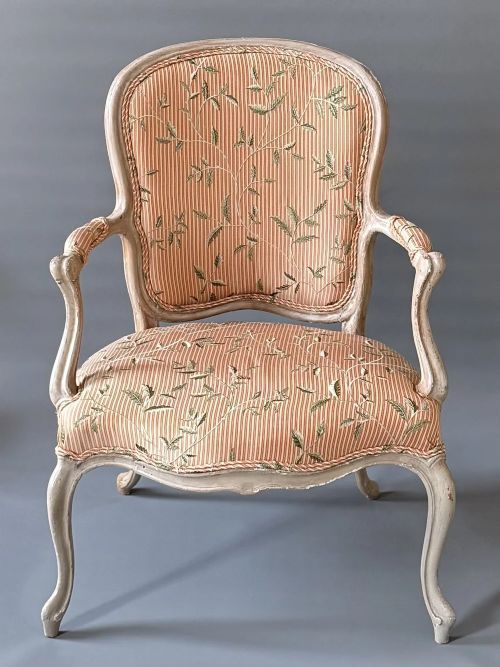
- Fauteuil
- An open-arm armchair with wooden armrests, originating from French decorative traditions.
- Regency stripe
- A vertical pattern associated with nineteenth-century upholstery, featuring alternating linear bands of colour.
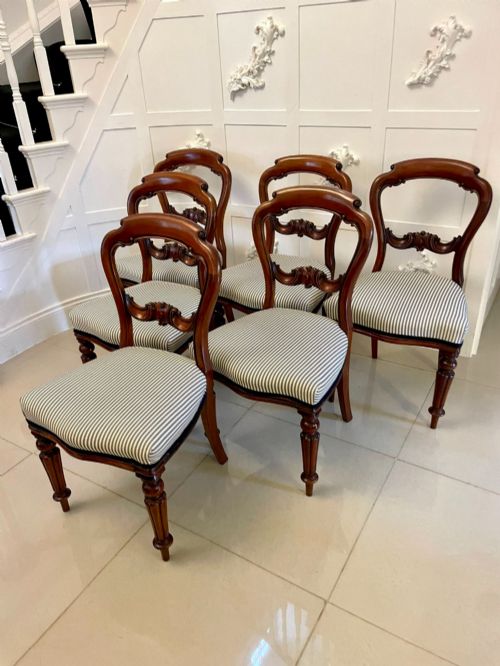
- Balloon back
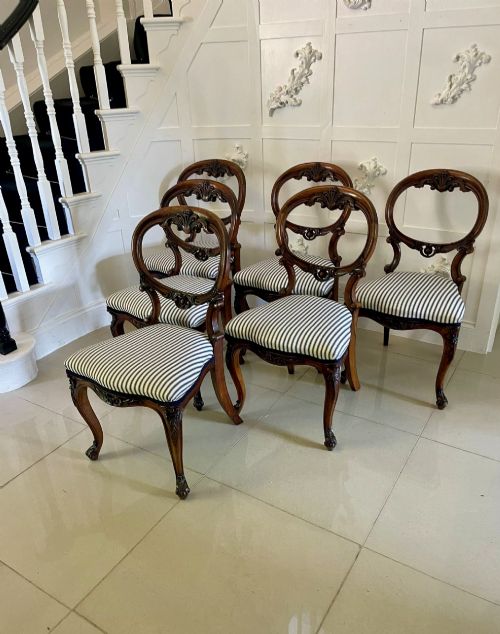
- A rounded, oval-shaped chair back design characteristic of Victorian seating furniture.
Antique Stripe Chair: Frequently Asked Questions
What defines an antique stripe chair?
An antique stripe chair combines historical seating forms from the eighteenth to early twentieth centuries with vertical textile patterns. These pieces span dining chairs, armchairs, and library seats.
They reflect periods like the Regency and Victorian eras, utilising timber frames such as mahogany and walnut alongside traditional upholstery fabrics.
How were these chairs used historically?
Different chair types served specific rooms in period homes, from formal dining suites around large tables to library armchairs intended for reading and relaxation. Salon chairs and bergères furnished formal reception spaces.
Carver chairs provided arm support at the ends of dining tables, while chaise longues offered reclining seating in parlours.
How do I care for antique upholstery?
Protect antique textiles from direct sunlight to prevent fading and degradation of delicate fibres such as silk and velvet. Gentle vacuuming with a low-suction attachment helps remove dust from the pleats and vertical surfaces.
Professional textile cleaning is recommended for deeper maintenance to preserve the integrity of the fabric and underlying padding.
How can I tell the period of a chair?
Dating relies on examining the timber species, joinery techniques, and stylistic markers such as carved top rails, inlay work, and leg shapes. Regency and Georgian pieces display distinct classical influences.
Victorian and Edwardian examples often feature heavier proportions, walnut or mahogany frames, and specific backrest contours like the balloon back.