





Antique Straw Art
Antique straw art brings together meticulous craftsmanship and rural folk traditions, offering distinct tactile charm for collectors.
Antique Straw Art
When you search for antique straw art, you encounter a surprisingly diverse selection of objects spanning the nineteenth and early twentieth centuries. These pieces range from folk art paintings and delicate decorative boxes to vernacular seating and sculptural animal studies.
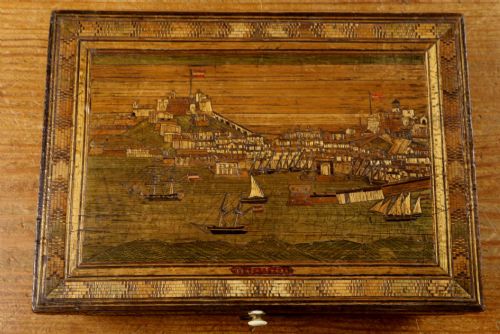
The objects on this page predominantly reflect British and European traditions, incorporating regional styles such as Scottish and Irish country vernacular alongside Victorian folk art. You will frequently find functional items like Orkney chairs with plaited straw seats, alongside intricate prisoner of war work boxes.
Stylistic influences vary widely across the inventory, touching upon Napoleonic periods, Art Nouveau, and Georgian eras. Each piece showcases how artisans manipulated straw, rush, and paper into enduring decorative and practical forms.
How they were made
Materials span natural fibres and sturdy woods, with straw, rush, and paper combined with oak, ash, beech, and papier mâché. Artisans utilised iridescent glass in certain decorative contexts, pairing luminous surfaces with organic motifs.
Construction techniques rely heavily on traditional plaited straw work, intricate box assembly, and vernacular chair building methods. Painters also incorporated straw elements into fine art depictions, notably rendering straw hats within framed watercolour and gouache compositions.
Antique Straw Art Retail Price Guide 2026
Typical asking prices for straw art among the pieces listed under this phrase on Sellingantiques today, from the lower quarter to the upper quarter. They describe what is for sale here now, not the wider market.
Listings feature 19th-century materials including straw, wood, oak, rush, paper, glass, bone, and iridescent glass.
What varies in quality
Quality in antique straw art is determined by the intricacy of the straw work and the structural integrity of the underlying support material, whether wood, papier mâché, or glass. Finer examples display precise geometric plaaiting and careful preservation of delicate natural fibres over centuries.
The artistic skill evident in painted depictions and sculptural forms also dictates the tier of the piece. Superior items exhibit refined proportions, detailed execution, and intact framing or housing that protects the fragile straw mediums within.
Loetz
The Antique Straw Art Glossary
- Straw work
- Decorative craft utilising flattened or whole straw to form intricate geometric patterns, often applied to wooden boxes and frames.
- Súgán
- An Irish term for a rope made of twisted straw or hay, commonly used for plaited seating on vernacular chairs.
- Orkney chair
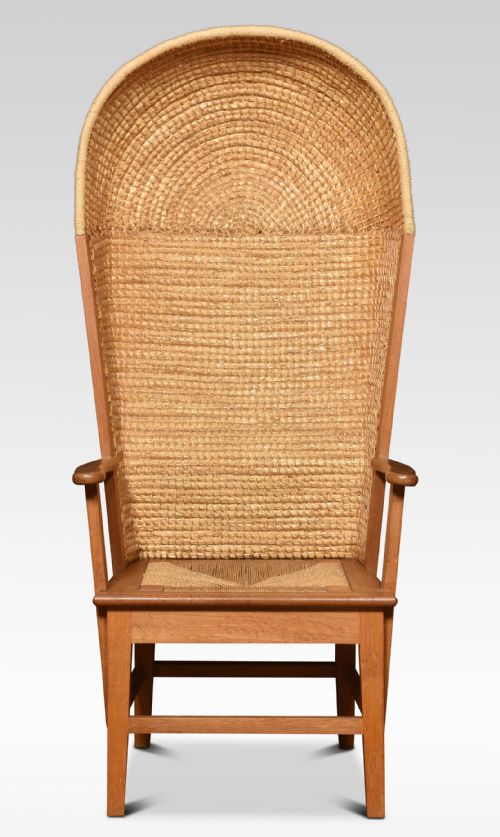
- A traditional style of vernacular chair originating in Scotland, featuring a distinctive high straw-backed frame.
- Papillon décor
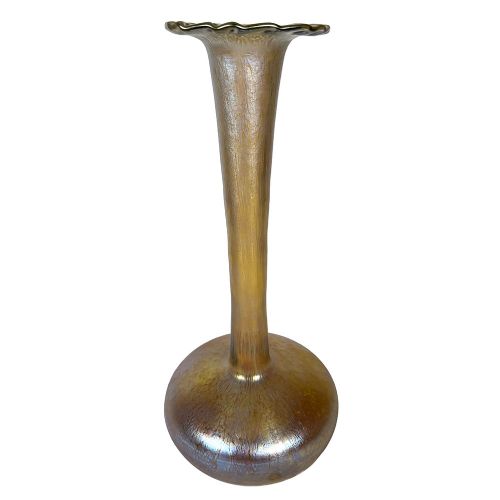
- An iridescent glass surface treatment developed by Loetz, characterised by a mottled, insect-wing sheen.
Antique Straw Art: Frequently Asked Questions
What is antique straw art?
Antique straw art encompasses decorative and functional objects created using natural straw, rush, and plaited fibres. These range from prisoner of war work boxes to vernacular seating and paintings.
Items span the nineteenth and early twentieth centuries, reflecting diverse regional traditions and folk art practices across Britain and Europe.
How were Orkney chairs made?
Orkney chairs are traditional vernacular pieces constructed with wooden frames, typically oak or beech, paired with high backs formed from plaited straw.
This construction method provided insulation against drafts in harsh coastal climates while utilising abundant local agricultural materials.
How should I care for straw art?
Straw art requires careful placement away from direct sunlight and excessive moisture to prevent the natural fibres from drying out or degrading. Gentle dusting with a soft, dry brush helps maintain the delicate surface.
Enclosed pieces like dioramas and boxes benefit from stable indoor humidity levels.