




Antique Stone Furniture
Antique stone furniture brings enduring character to interior rooms and garden landscapes through heavy mineral substance and classical form.
Antique Stone Furniture
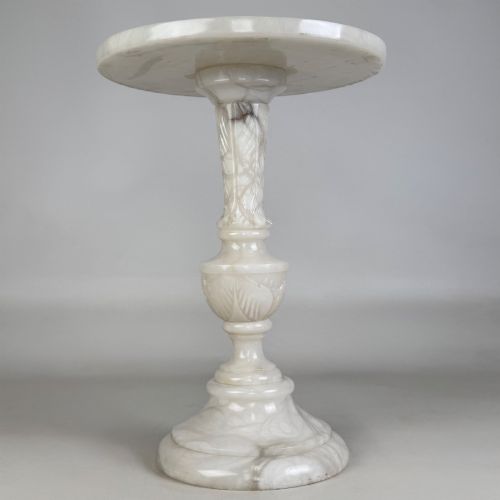
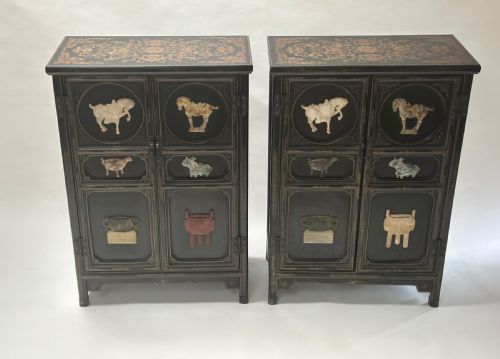
When you search for antique stone furniture, you encounter a robust mix of garden ornaments, interior display tables, and heavy architectural cabinets shaped from hard minerals. These pieces range from substantial Victorian garden seats and Swedish iron-framed tables to refined indoor cabinets inset with polished marble.
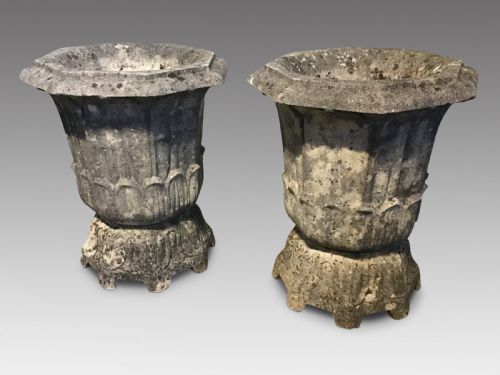
The most frequent examples on this page balance utility with decorative presence, spanning from garden bird baths and planters to side tables featuring fossil marble or onyx tops. Makers across the nineteenth and twentieth centuries utilised dense geological materials to create items intended to withstand both weather and heavy domestic use.
How they were made
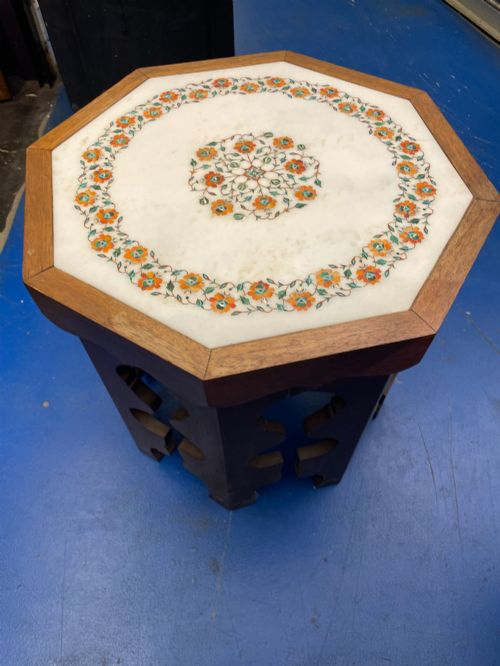
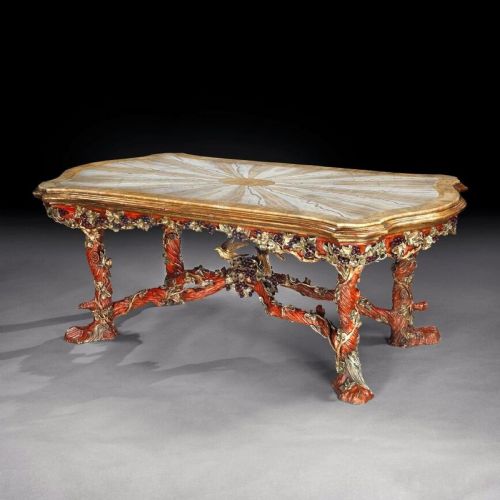
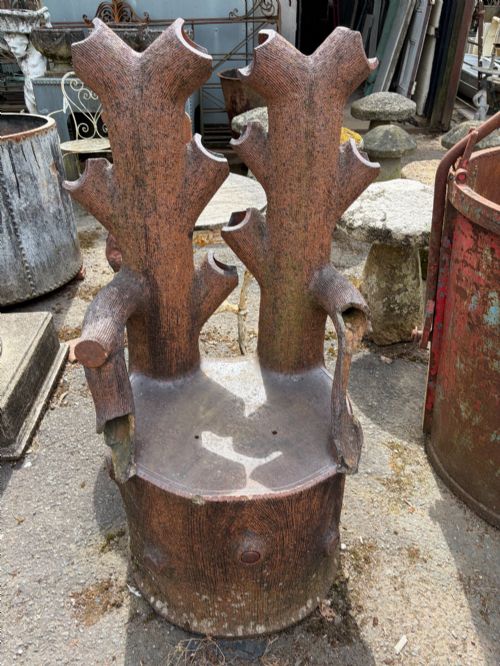
Makers constructed these works using solid blocks of marble, alabaster, and stone, frequently pairing them with cast iron frames, brass supports, or wooden cabinetry. Surface ornamentation often involved detailed engraving, faux bois texturing, or intricate pietra dura inlay work set directly into the stone.
Indoor items like side tables and plant stands combine mineral tops with turned wood or metal bases, while garden elements rely purely on weather-resistant cast stone, reconstituted stone, and heavy ironwork for structural longevity.
Antique Stone Furniture Retail Price Guide 2026
Typical asking prices for stone furniture among the pieces listed under this phrase on Sellingantiques today, from the lower quarter to the upper quarter. They describe what is for sale here now, not the wider market.
Listings span from the 1870s through the 1950s, incorporating materials such as alabaster, onyx, cast iron, and Derbyshire Fossil marble.
What varies in quality
The distinction between standard utility items and exceptional pieces lies in the choice of mineral and the sophistication of the surface work. Superior examples feature specialised geological specimens like Derbyshire Fossil marble or detailed pietra dura panels rather than uniform cast stone.
Structural integrity also defines the tier of a piece, separating straightforward garden utility items from finely engineered indoor furniture that incorporates brass mounts, engraved pillars, and complex multi-tiered designs.
The Antique Stone Furniture Glossary
- Pietra dura
- A historic technique of inlaying cut and fitted polished coloured stones to create pictorial designs on tabletops and cabinet fronts. This meticulous mosaic method produces durable, smooth surfaces with rich chromatic variation.
- Fossil marble
- A limestone matrix containing visible ancient organic remains that creates complex natural patterns when polished. This material was favored in the nineteenth century for high-status table tops.
- Faux bois
- A decorative finish that imitates the texture, grain, and knots of natural timber onto concrete, stone, or iron surfaces. It was particularly popular for garden seats and planters during the Victorian era.
- Alabaster
- A fine-grained, translucent mineral often carved into decorative stands, vessels, and architectural elements. Its softness allows for delicate internal light diffusion.
- Reconstituted stone
- A durable composite material made from crushed stone aggregates bound with a cement matrix, moulded into architectural forms like bird baths and garden planters.
Antique Stone Furniture: Frequently Asked Questions
How do I care for stone furniture?
Indoor stone furniture requires gentle cleaning with soft cloths and neutral cleaners to preserve polished surfaces like marble or onyx. Avoid abrasive pads that scratch the mineral finish.
Outdoor stone and iron pieces benefit from shelter during severe winter frosts to prevent moisture expansion and cracking within the material.
Where was stone furniture used?
These pieces served both domestic interiors and external landscape architecture, depending on their material composition and build. Indoor spaces featured marble-topped console tables, plant stands, and inlaid cabinets.
Gardens and courtyards utilised cast stone planters, bird baths, and iron-framed tables designed to withstand outdoor environments.
How can I tell the period?
Dating relies on stylistic clues, such as the geometric lines of the Aesthetic Movement, the heavy ornamentation of Victorian design, or the simpler forms of mid-century garden pieces. Material combinations, like cast iron paired with early stone work, also indicate the manufacturing era.
Construction techniques visible on the underside or structural joins provide further confirmation of age.