




Antique Stone Brooch
An antique stone brooch brings together natural minerals and period metalwork, offering a wearable piece of history that suits lapels and scarves.
Antique Stone Brooch
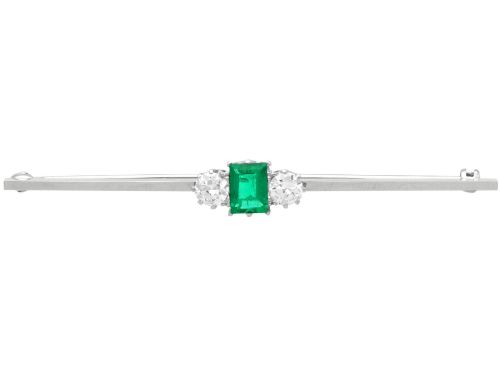
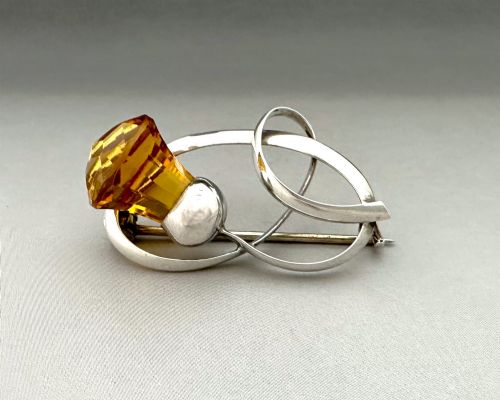
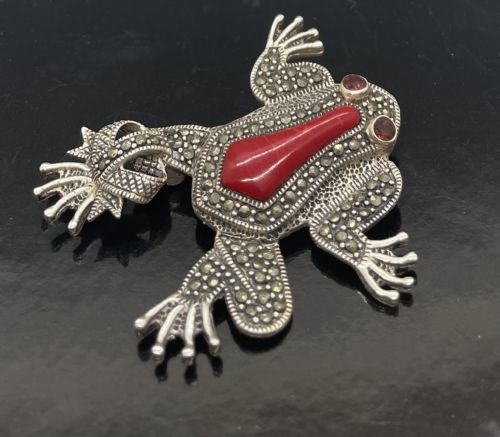
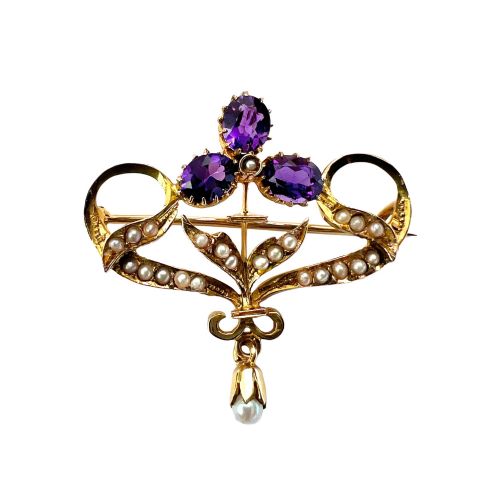
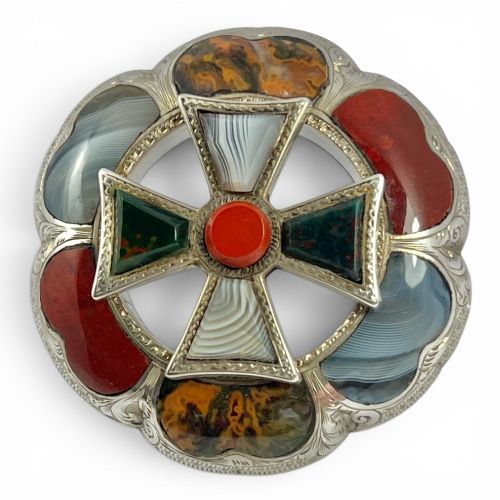
When you search for an antique stone brooch, you encounter pieces spanning from the Georgian era through to the Art Deco period. These ornaments range from Scottish hardstone pebble designs to carved lava cameos and faceted gems set in silver or gold.
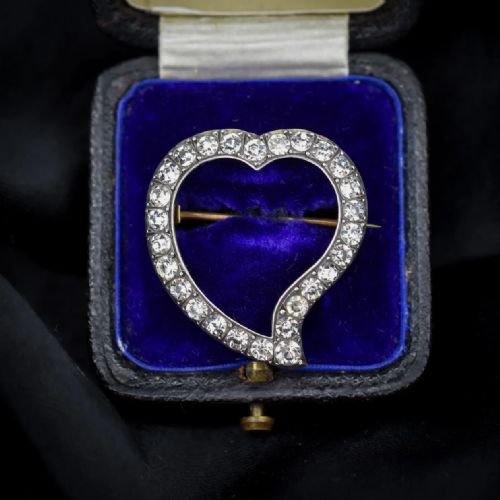
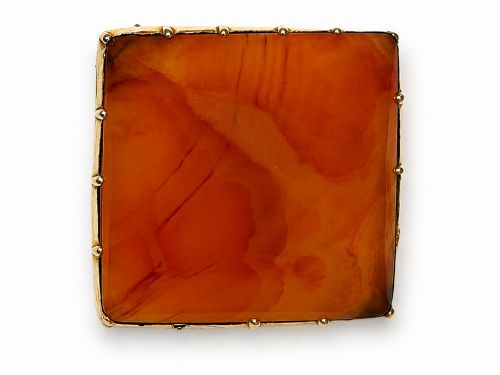
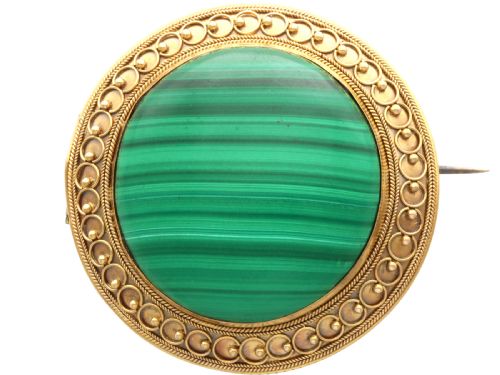
The most common versions on this page are Victorian and Edwardian examples featuring agates, malachite, amethysts, and paste stones. Many double as pendants or form part of matching jewellery suites with earrings.
Makers utilised regional motifs, such as Scottish thistles or Italian Grand Tour subjects, mounting them securely in precious metals to create lasting everyday adornments.
How they were made
Craftsmen set agates, chalcedony, and lava cameos into mounts of silver, 9ct gold, 18ct yellow gold, and platinum. Stones were carefully shaped, polished, and secured with claws, bezels, or closed backs.
Early examples often feature foiled paste or natural gemstones arranged in floral or geometric patterns, whilst later pieces incorporate intricate wirework, such as Etruscan Revival granulation, alongside diamond and sapphire accents.
Antique Stone Brooch Retail Price Guide 2026
Typical asking prices for stone brooch among the pieces listed under this phrase on Sellingantiques today, from the lower quarter to the upper quarter. They describe what is for sale here now, not the wider market.
Materials utilised across the current selection include silver, platinum, 9ct and 18ct gold, alongside diverse stones like agate, malachite, paste, and diamond.
What varies in quality
The grade of an antique stone brooch depends on the natural quality and depth of the mineral specimen, whether it is banded agate, rich amethyst, or finely carved lava. Superior pieces display crisp detail in the stone work and precise matching of colour across multiple gems.
Execution of the metal mount also dictates value, with hand-wrought gold or silver settings, secure pin mechanisms, and well-balanced proportions separating standard workshop output from exceptional examples.
The Antique Stone Brooch Glossary
- Hardstone
- A semi-precious stone such as agate, carnelian, or malachite used for carving and polishing. These minerals form the colourful focal points of many regional Victorian designs.
- Grand Tour
- A cultural journey undertaken by wealthy Europeans in the eighteenth and nineteenth centuries. Souvenirs from these trips frequently included lava cameo brooches depicting classical figures.
- Giardinetti
- A jewellery style translating to little garden, depicting flowers in a basket or vase using colourful gemstones or paste. These designs date from the Georgian and Victorian periods.
Antique Stone Brooch: Frequently Asked Questions
How do I wear an antique stone brooch?
These pieces look striking pinned to the lapel of a heavy winter coat, secured at the neck of a blouse, or fastened onto a knitted shawl. Because many older pins are slightly thicker than modern ones, it helps to test the fabric placement carefully.
Some designs also feature integrated loops, allowing you to suspend the brooch from a chain and wear it as a pendant.
Were these brooches used for mourning?
Whilst some Victorian jewellery served as mourning wear, stone brooches were primarily fashionable accessories worn for daily adornment. Scottish pebble jewellery, for instance, gained immense popularity following Queen Victoria's visits to Balmoral.
Materials like agate, amethyst, and lava were chosen for their natural beauty and durability rather than strictly commemorative purposes.
How can I tell the period of a stone brooch?
Dating relies on a combination of the metal type, the mounting technique, and the overarching style. Georgian pieces often feature closed-backed settings and foiled stones, whilst Victorian examples frequently showcase natural hardstones or lava cameos in robust silver and gold mounts.
Art Deco and later pieces from the 1920s and 1930s tend to feature geometric platinum or white gold frameworks paired with diamonds and calibrated gemstones.
Can a brooch also be worn as a pendant?
Many period pieces were constructed with dual functionality in mind. You will frequently find hinged loops or hidden bails tucked behind the pin mechanism, allowing the item to transition easily from lapel ornament to neckpiece.
Checking the reverse of the setting will reveal whether a fold-down loop or integrated ring is present for a chain.