
Antique Sterling Silver Bowls
These antique sterling silver bowls range from Georgian table vessels to Edwardian bonbon dishes, prized for their craftsmanship and metal weight.
Antique Sterling Silver Bowls
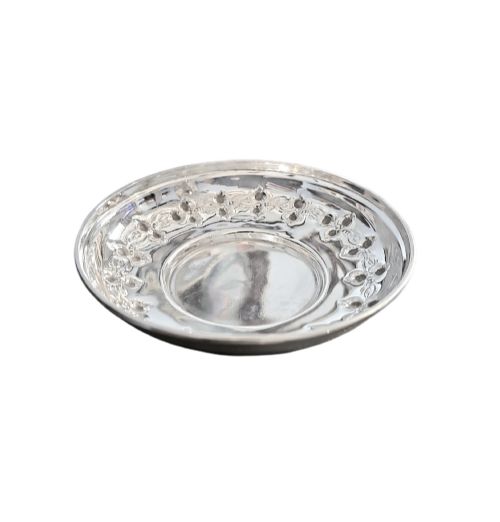
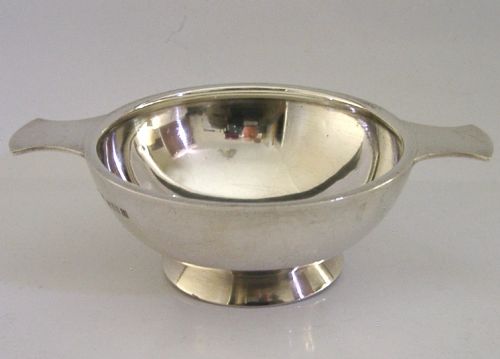
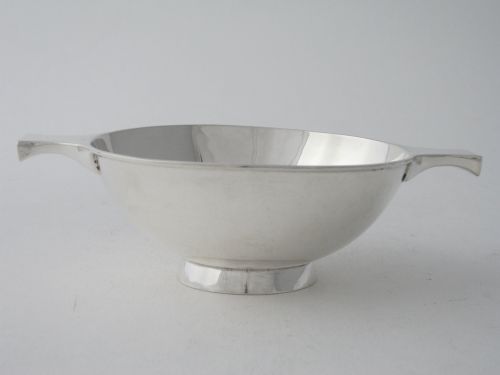
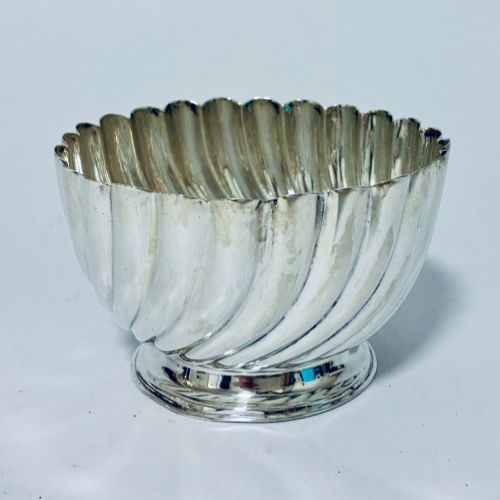
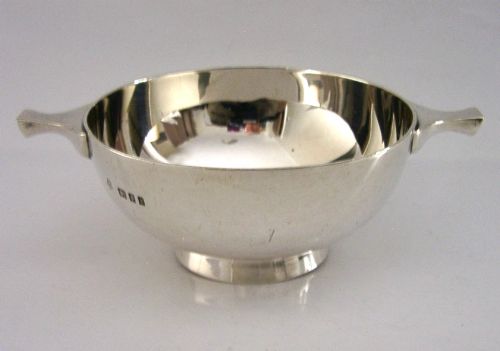
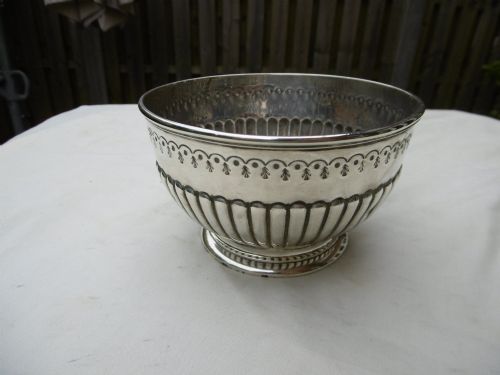
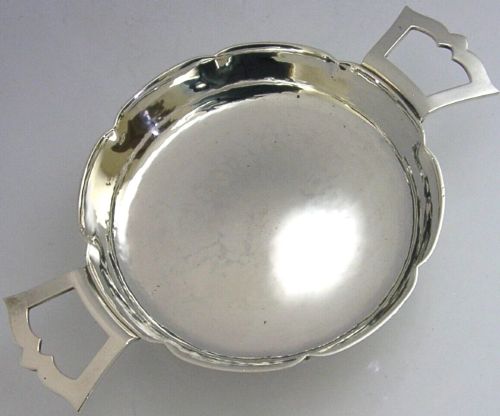
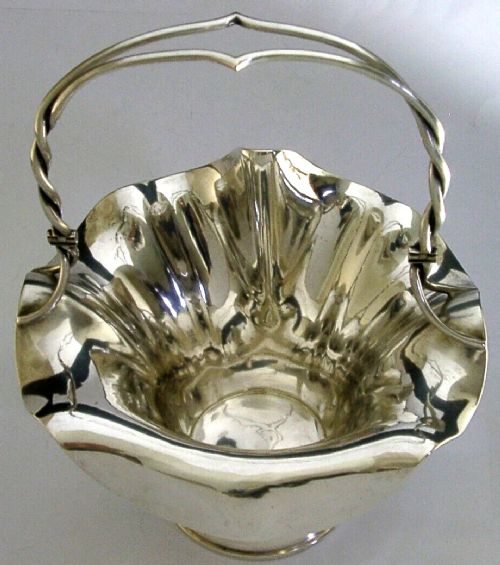
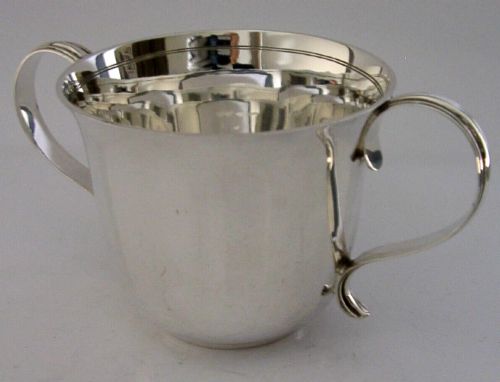
When you search for antique sterling silver bowls, you encounter a variety of forms spanning Georgian, Victorian, and Edwardian periods. Decorative bowls, bonbon dishes, baskets, and quaich cups make up the majority of pieces on this page.
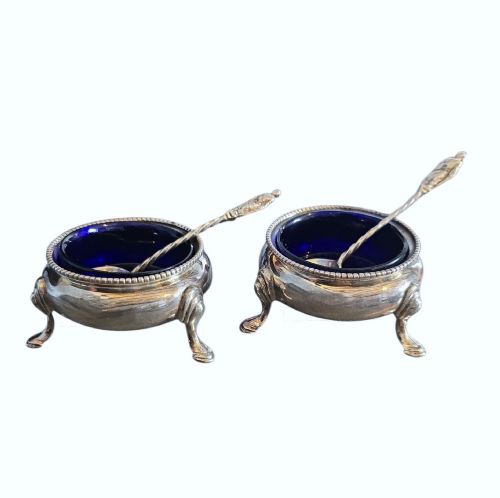
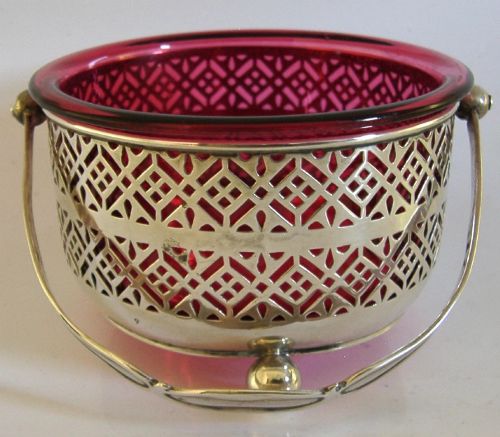
The collection includes specialised vessels such as sugar baskets, salt cellars with glass liners, and porridge pots. These items reflect the domestic habits and dining customs of the eighteenth, nineteenth, and early twentieth centuries.
Materials and construction methods
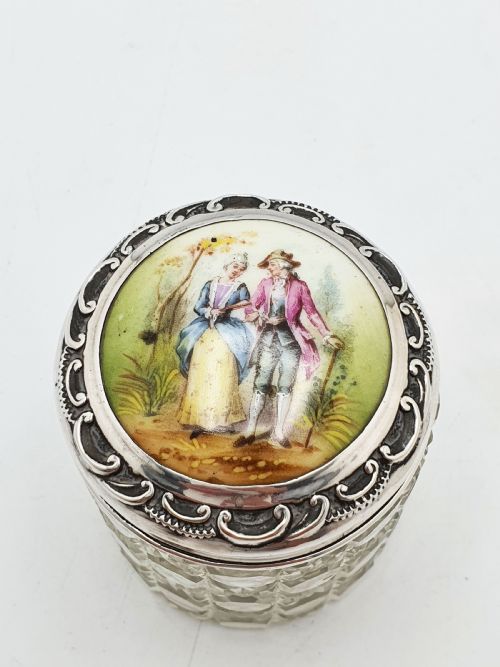
Silversmiths utilised solid sterling silver, shaping vessels through hammering, piercing, and casting techniques. Pieces often incorporate contrasting materials such as cobalt or cranberry cut glass liners and velvet components.
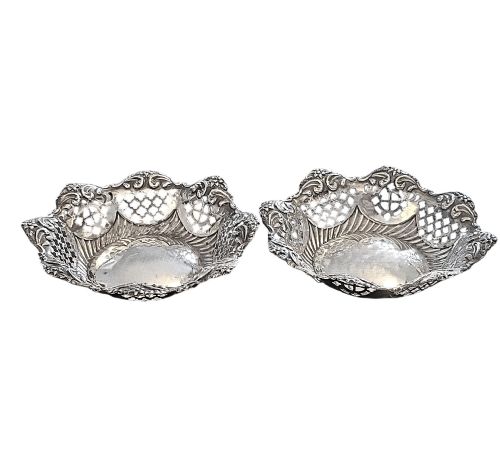
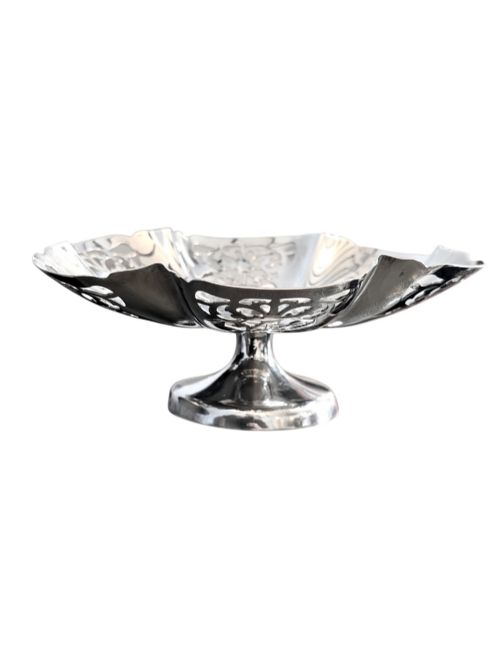
Makers applied hand-hammered surfaces in Arts and Crafts designs, whilst earlier Georgian and Victorian examples favour pierced fretwork, pedestals, and applied handles.
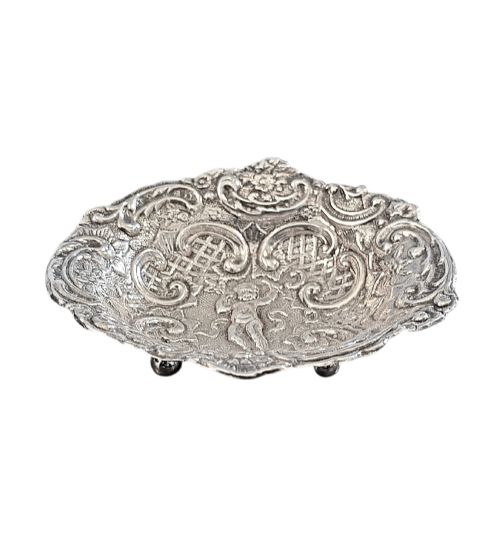
Cherubs peer out from Edwardian bonbon dishes, reminding us that Victorians liked their sugar served with a dash of mythology.
Assessing quality and execution
The standard of an antique sterling silver bowl rests on the weight of the metal and the crispness of the hand-chased or pierced decoration. Thicker gauges of silver retain their structural integrity and detailed ornamentation over generations.
The involvement of known workshops and clear assay office hallmarks elevate a piece. Superior finishing is evident in the careful mounting of glass liners and the balance of handles on porringers and baskets.
William Aitken·Mitchell Bosley and Co·Hammond Turner and Sons·Thomas Bradbury and Sons·Beare Falcke·Peter and William Bateman·R E Stone·Nathan and Hayes·Martin Hall and Co·Goldsmiths and Silversmiths Company·Liberty and Co·Aldridge and Green·Georg Jensen
The Antique Sterling Silver Bowls Glossary
- Sterling silver
- An alloy containing 92.5 percent silver and 7.5 percent other metals, usually copper, chosen for durability in tableware.
- Quaich
- A traditional two-handled drinking vessel originating in Scotland, adapted by silversmiths into shallow bowls.
- Bonbon dish
- A small, decorative open vessel designed for holding sweets or confectionary during the Victorian and Edwardian eras.
- Porringer
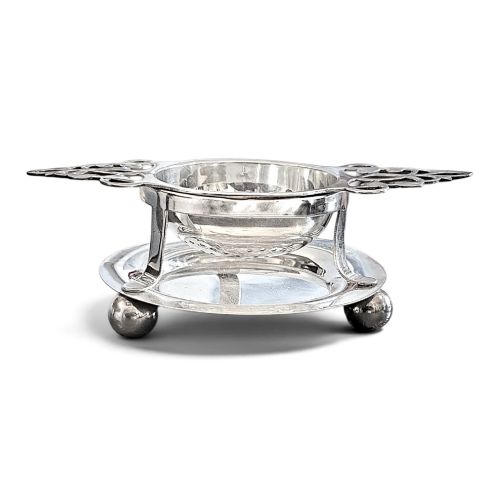
- A bowl featuring one or two flat horizontal handles, historically used for porridges and broths.
- Planished
- A metal surface finish achieved by hammering with a polished round-headed tool, leaving subtle, uniform facets.
Antique Sterling Silver Bowls: Frequently Asked Questions
How do I date an antique silver bowl?
Assay office hallmarks stamped directly onto the silver provide the exact year of manufacture, city of testing, and maker's mark.
Matching these punch marks against published registers allows collectors to trace the history of each vessel.
What were glass liners used for?
Coloured glass inserts protected the sterling silver from corrosive foods such as salt, mustard, or jams.
These removable liners allowed owners to serve liquids or moist condiments without staining the metal underneath.
How should I clean antique silver?
Gentle washing in warm soapy water with a soft cloth removes everyday dust without wearing away the underlying metal.
Harsh abrasive dips strip away the natural dark oxidation in recessed details and should be avoided.
Can I use these bowls daily?
Solid silver table vessels are robust enough for regular use, provided they are washed by hand rather than placed in modern dishwashers.
Careful handling preserves delicate pierced edges and prevents structural strain on applied handles.